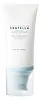
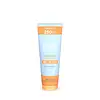
SKIN1004 Madagascar Centella Hyalu-Cica Water-Fit Sun Serum SPF50+ PA++++ Versus ISDIN Fotoprotector Gel Cream SPF 50
This chemical sunscreen covers the full UV range and blocks ~98% of UVB at SPF 50.
This chemical sunscreen covers the full UV range and blocks ~98% of UVB at SPF 50.


What's inside
What's inside
 Key Ingredients
Benefits
Concerns
Ingredients Side-by-side
Water
Skin ConditioningDibutyl Adipate
EmollientPropanediol
Solvent

Diethylamino Hydroxybenzoyl Hexyl Benzoate
UV Filter
Polymethylsilsesquioxane

Ethylhexyl Triazone
UV Absorber
Methylene Bis-Benzotriazolyl Tetramethylbutylphenol
UV Filter
Niacinamide
Smoothing










Coco-Caprylate/Caprate
Emollient
Caprylyl Methicone
Skin Conditioning
Diethylhexyl Butamido Triazone
UV Absorber
Glycerin
Humectant
1,2-Hexanediol
Skin Conditioning
Butylene Glycol
Humectant
Pentylene Glycol
Skin Conditioning
Behenyl Alcohol
Emollient
Poly C10-30 Alkyl Acrylate
Emulsion StabilisingPolyglyceryl-3 Methylglucose Distearate
Emulsifying

Decyl Glucoside
Cleansing
Tromethamine
BufferingCarbomer
Emulsion StabilisingAcrylates/C10-30 Alkyl Acrylate Crosspolymer
Emulsion StabilisingSodium Stearoyl Glutamate
CleansingPolyacrylate Crosspolymer-6
Emulsion StabilisingEthylhexylglycerin
Skin ConditioningAdenosine
Skin Conditioning
Xanthan Gum
EmulsifyingCentella Asiatica Extract
Cleansing
T-Butyl Alcohol
Perfuming




Sodium Hyaluronate
Humectant
Betula Platyphylla Japonica Bark Extract
Skin ConditioningTocopherol
Antioxidant

Hydrolyzed Hyaluronic Acid
Humectant
Camellia Sinensis Leaf Extract
Antimicrobial
Ginkgo Biloba Leaf Extract
Skin Conditioning
Brassica Oleracea Italica Sprout Extract
EmollientCamellia Japonica Leaf Extract
Skin ConditioningEruca Sativa Leaf Extract
Skin ConditioningMedicago Sativa Extract
TonicTriticum Vulgare Sprout Extract
Skin ConditioningInositol
Humectant
Hyaluronic Acid
Humectant
Water, Dibutyl Adipate, Propanediol, Diethylamino Hydroxybenzoyl Hexyl Benzoate, Polymethylsilsesquioxane, Ethylhexyl Triazone, Methylene Bis-Benzotriazolyl Tetramethylbutylphenol, Niacinamide, Coco-Caprylate/Caprate, Caprylyl Methicone, Diethylhexyl Butamido Triazone, Glycerin, 1,2-Hexanediol, Butylene Glycol, Pentylene Glycol, Behenyl Alcohol, Poly C10-30 Alkyl Acrylate, Polyglyceryl-3 Methylglucose Distearate, Decyl Glucoside, Tromethamine, Carbomer, Acrylates/C10-30 Alkyl Acrylate Crosspolymer, Sodium Stearoyl Glutamate, Polyacrylate Crosspolymer-6, Ethylhexylglycerin, Adenosine, Xanthan Gum, Centella Asiatica Extract, T-Butyl Alcohol, Sodium Hyaluronate, Betula Platyphylla Japonica Bark Extract, Tocopherol, Hydrolyzed Hyaluronic Acid, Camellia Sinensis Leaf Extract, Ginkgo Biloba Leaf Extract, Brassica Oleracea Italica Sprout Extract, Camellia Japonica Leaf Extract, Eruca Sativa Leaf Extract, Medicago Sativa Extract, Triticum Vulgare Sprout Extract, Inositol, Hyaluronic Acid
Water
Skin ConditioningAlcohol Denat.
Antimicrobial
Octocrylene
UV Absorber
C12-15 Alkyl Benzoate
AntimicrobialButyl Methoxydibenzoylmethane
UV Absorber
Dibutyl Adipate
EmollientBis-Ethylhexyloxyphenol Methoxyphenyl Triazine
UV Absorber
Cyclopentasiloxane
Emollient
Tromethamine
BufferingCyclohexasiloxane
Emollient
Ammonium Acryloyldimethyltaurate/Vp Copolymer
Methylene Bis-Benzotriazolyl Tetramethylbutylphenol
UV Filter
Phenylbenzimidazole Sulfonic Acid
UV Absorber
Panthenol
Skin Conditioning
Carbomer
Emulsion StabilisingPropylene Glycol
Humectant
Tocopheryl Acetate
Antioxidant
PEG-40 Hydrogenated Castor Oil
Emulsifying
Parfum
Masking
Decyl Glucoside
Cleansing
Phenoxyethanol
Preservative
Xanthan Gum
EmulsifyingAcrylates/C10-30 Alkyl Acrylate Crosspolymer
Emulsion StabilisingDisodium EDTA
ChelatingC13-14 Isoparaffin
Emollient
Laureth-7
EmulsifyingBHT
Antioxidant
Polyacrylamide
Water, Alcohol Denat., Octocrylene, C12-15 Alkyl Benzoate, Butyl Methoxydibenzoylmethane, Dibutyl Adipate, Bis-Ethylhexyloxyphenol Methoxyphenyl Triazine, Cyclopentasiloxane, Tromethamine, Cyclohexasiloxane, Ammonium Acryloyldimethyltaurate/Vp Copolymer, Methylene Bis-Benzotriazolyl Tetramethylbutylphenol, Phenylbenzimidazole Sulfonic Acid, Panthenol, Carbomer, Propylene Glycol, Tocopheryl Acetate, PEG-40 Hydrogenated Castor Oil, Parfum, Decyl Glucoside, Phenoxyethanol, Xanthan Gum, Acrylates/C10-30 Alkyl Acrylate Crosspolymer, Disodium EDTA, C13-14 Isoparaffin, Laureth-7, BHT, Polyacrylamide
Reviews
Ingredients Explained
These ingredients are found in both products.
Ingredients higher up in an ingredient list are typically present in a larger amount.
Acrylates/C10-30 Alkyl Acrylate Crosspolymer is a synthetic polymer. It is used to thicken, emulsify, and improve the texture of products.
As an emulsifier, it helps stabilize oil-in-water emulsions to give products an elegant feel when applied.
It can also form a thin protective film on skin. One study found that a formula using this polymer helped slow down how quickly other ingredients (like DEET) were absorbed through skin.
A 2024 study of over 1,300 patients confirmed that sensitization to this ingredient is rare. It is also non-mutagenic and has a clean track record.
Learn more about Acrylates/C10-30 Alkyl Acrylate CrosspolymerCarbomer is a synthetic thickening and gelling agent. It's basically the ingredient that gives a lot of serums, gels, creams, and sunscreens their smooth, non-sticky texture.
Although legally permitted at very high levels, carbomers are normally used at concentrations below 1%.
It also needs to be neutralized to actually thicken, and because it is a large molecule, it doesn't really penetrate the skin barrier.
Allergy-wise, the risk is very low. Clinical studies show carbomers have low potential for skin irritation/sensitization even at concentrations up to 100%.
A 2024 UK study patch-tested 1,302 patients and found true allergy to the parent group of carbomer to be rare with no confirmed relevant reactions.
Learn more about CarbomerDecyl Glucoside is a plant-derived surfactant and emulsion stabilizer. It is created by reacting glucose with the fatty acids from plants.
Like all surfactants, it works by lowering the surface tension between water and oil. This makes it so that dirt, sebum, and makeup can be lifted off your skin and rinsed away. It also produces a dense and creamy foam.
Because it has a neutral charge, it is compatible with a wide range of ingredients and stays stable across a broad pH range/water hardiness conditions.
Patch testing has shown it to have the lowest irritation potential among common cleansing surfactants (like SLS).
Typical use levels range from 5-20% in rinse-off cleansers.
One thing worth knowing: The American Contact Dermatitis Society named the parent family, alkyl glucosides, "Allergen of the Year" in 2017. The prevalence of allergy is pretty low but be sure to patch test if you've reacted to "gentle" or sulfate-free cleansers before.
This ingredient is fungal acne safe because the fatty alcohol portion of this ingredient is not within the C11-24 chain length that Malassezia can metabolize.
Learn more about Decyl GlucosideDibutyl Adipate is a lightweight, oil-soluble ester that acts as an emollient and solvent. It helps products spread more easily and leaves a soft, silky, dry-touch finish without being greasy.
You'll likely see this ingredient in sunscreens because it does a nice job dissolving UV filters and keeping them evenly distributed.
This ingredient has been found to be safe as used in cosmetics, wasn't a skin or eye irritant in clinical patch testing, and wasn't phototoxic.
In a clinical comedogenicity test, this ingredient tested negative so it isn't likely to clog pores.
Typical use levels are about 5-8% for sunscreens + nail products, but can range from 0.005%-8% depending on the product.
Learn more about Dibutyl AdipateThis ingredient is also known as Tinosorb M or Bisoctrizole and is a bit of an overachiever in the sunscreen world.
It's a hybrid broad-spectrum filter that covers UVA and UVB (~280-400nm) with peak absorption around 305nm for UVB or 360nm for UVA (and a tiny bit in blue-light territory as well).
One of its best party tricks is photostability; it doesn't break down with repeated sun exposure and doesn't generate free radicals in the process either. You'll also see it paired with wobbly filters like avobenzone because it helps stabilize them.
The safety profile is assuring as well. Because it's a large molecule, it doesn't easily absorb into skin and rarely causes irritation.
It's approved in the EU, Asia, and Australia up to 10% and most formulas land somewhere in the 2-10% range.
You won't find it as a sunscreen active in the US, but it can make an appearance as a formula-protecting UV-absorber.
Learn more about Methylene Bis-Benzotriazolyl TetramethylbutylphenolTromethamine (aka THAM) is a synthetic amino acid that shows up in skincare as a helper ingredient.
It functions as a pH adjuster to help neutralize acidic ingredients and set a formula's pH to the right spot.
This matters a lot because a lot of actives (like vitamin C) needs a specific pH to work well and feel comfortable on skin.
Concentration use ranges from 0.1-1.0% depending on the formula.
Learn more about TromethamineWater. It's the most common cosmetic ingredient of all. You'll usually see it at the top of ingredient lists, meaning that it makes up the largest part of the product.
So why is it so popular? Water most often acts as a solvent - this means that it helps dissolve other ingredients into the formulation.
You'll also recognize water as that liquid we all need to stay alive. If you see this, drink a glass of water. Remember to stay hydrated!
Learn more about WaterXanthan gum is used as a stabilizer and thickener within cosmetic products. It helps give products a sticky, thick feeling - preventing them from being too runny.
On the technical side of things, xanthan gum is a polysaccharide - a combination consisting of multiple sugar molecules bonded together.
Xanthan gum is a pretty common and great ingredient. It is a natural, non-toxic, non-irritating ingredient that is also commonly used in food products.
Learn more about Xanthan Gum

