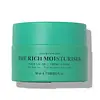
This barrier-repair night moisturizer is formulated around Avena Sativa Kernel Oil and Ceramide NP to strengthen the skin barrier and hydrate skin.
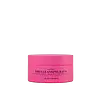
This oil-based makeup remover is made to dissolve makeup, sunscreen, and daily buildup.

What's inside
What's inside
 Key Ingredients
Benefits
Concerns
Ingredients Side-by-side
Water
Skin ConditioningCaprylic/Capric Triglyceride
Masking


Propanediol
Solvent
Glycerin
Humectant
Cetearyl Alcohol
Emollient





Polyglyceryl-3 Cetearyl Ether Olivate
EmulsifyingOlus Oil
Emollient
Jojoba Oil/Macadamia Seed Oil Esters
Skin Conditioning
Olive Glycerides
Emulsifying
Jojoba Esters
Emollient
Avena Sativa Kernel Oil
Skin Conditioning

Octyldodecyl PCA
EmollientHelianthus Annuus Seed Wax
Skin Conditioning
Phenoxyethanol
Preservative
Carbomer
Emulsion StabilisingCeramide NP
Skin Conditioning

Squalene
Emollient
1,2-Hexanediol
Skin Conditioning
Caprylyl Glycol
Emollient
Sodium Lauroyl Lactylate
EmulsifyingSodium Gluconate
ChelatingCamelina Sativa Seed Oil
Skin Conditioning
Ethylhexylglycerin
Skin ConditioningHelianthus Annuus Seed Oil
Emollient
Acacia Decurrens Flower Wax
Emollient
Polyglycerin-3
Humectant
Sodium Hydroxide
BufferingPhytosteryl Macadamiate
Skin Conditioning
Tasmannia Lanceolata Leaf Extract
Skin ConditioningPhytosterols
Skin Conditioning
Ceramide AP
Skin Conditioning
Phytosphingosine
Skin Conditioning
Cholesterol
Emollient
Xanthan Gum
EmulsifyingRosmarinus Officinalis Leaf Extract
AntimicrobialTocopherol
Antioxidant



Ceramide EOP
Skin Conditioning
Water, Caprylic/Capric Triglyceride, Propanediol, Glycerin, Cetearyl Alcohol, Polyglyceryl-3 Cetearyl Ether Olivate, Olus Oil, Jojoba Oil/Macadamia Seed Oil Esters, Olive Glycerides, Jojoba Esters, Avena Sativa Kernel Oil, Octyldodecyl PCA, Helianthus Annuus Seed Wax, Phenoxyethanol, Carbomer, Ceramide NP, Squalene, 1,2-Hexanediol, Caprylyl Glycol, Sodium Lauroyl Lactylate, Sodium Gluconate, Camelina Sativa Seed Oil, Ethylhexylglycerin, Helianthus Annuus Seed Oil, Acacia Decurrens Flower Wax, Polyglycerin-3, Sodium Hydroxide, Phytosteryl Macadamiate, Tasmannia Lanceolata Leaf Extract, Phytosterols, Ceramide AP, Phytosphingosine, Cholesterol, Xanthan Gum, Rosmarinus Officinalis Leaf Extract, Tocopherol, Ceramide EOP
Cetearyl Ethylhexanoate
Emollient
PEG-20 Glyceryl Triisostearate
Emollient
Ethylhexyl Palmitate
Emollient
Prunus Amygdalus Dulcis Oil
Skin Conditioning
Jojoba Esters
Emollient
Sucrose Tetrastearate Triacetate
Emollient
Sorbeth-30 Tetraoleate
Emulsifying
Helianthus Annuus Seed Wax
Skin Conditioning
Simmondsia Chinensis Seed Oil
Emollient
Squalane
Emollient
Canola Oil
Emollient
Tocopherol
Antioxidant
Jojoba Oil/Macadamia Seed Oil Esters
Skin Conditioning
Acacia Decurrens Flower Wax
Emollient
Polyglycerin-3
Humectant
Squalene
Emollient
Helianthus Annuus Seed Oil
Emollient
Daucus Carota Sativa Seed Oil
Emollient
Daucus Carota Sativa Root Extract
Skin Conditioning
Phytosteryl Macadamiate
Skin Conditioning
Beta-Carotene
Skin ConditioningTocopheryl Acetate
Antioxidant
Phytosterols
Skin Conditioning
Phenoxyethanol
Preservative
Ethylhexylglycerin
Skin ConditioningCetearyl Ethylhexanoate, PEG-20 Glyceryl Triisostearate, Ethylhexyl Palmitate, Prunus Amygdalus Dulcis Oil, Jojoba Esters, Sucrose Tetrastearate Triacetate, Sorbeth-30 Tetraoleate, Helianthus Annuus Seed Wax, Simmondsia Chinensis Seed Oil, Squalane, Canola Oil, Tocopherol, Jojoba Oil/Macadamia Seed Oil Esters, Acacia Decurrens Flower Wax, Polyglycerin-3, Squalene, Helianthus Annuus Seed Oil, Daucus Carota Sativa Seed Oil, Daucus Carota Sativa Root Extract, Phytosteryl Macadamiate, Beta-Carotene, Tocopheryl Acetate, Phytosterols, Phenoxyethanol, Ethylhexylglycerin
Reviews
Ingredients Explained
These ingredients are found in both products.
Ingredients higher up in an ingredient list are typically present in a larger amount.
Also known as mimosa wax, this ingredient is a plant-derived wax from the flowers of the Acacia decurrens tree.
The wax has a profile that gives it skin benefits, including lipids that offer a skin conditioning effect. In a formula, it forms a breathable film on the skin's surface that reduces water loss, lock in moisture, and soften the skin.
One manufacturer study using a trade blend (jojoba esters + sunflower seed wax + this ingredient + polyglycerin 3) found it to perform equal to or better than lanolin in skin hydration.
On its own, typical usage concentrations run from 0.5-10% with 1-5% the most common in creams and up to 10% in lip balms.
Learn more about Acacia Decurrens Flower WaxEthylhexylglycerin is created from glycerin. It is a multitasker ingredient that:
The CIR Expert Panel found minimal skin absorption or sensitization of any kind in a safety assessment. Though this ingredient is considered well-tolerated, a small number of cases of allergic dermatitis have been published since 2002. Just be sure to patch test if you are unsure.
Industry-reported use ranges from 8% in rinse-off products and 2% in leave-on formulations.
Learn more about EthylhexylglycerinHelianthus Annuus Seed Oil is a plant oil derived from the seeds of a sunflower.
It is rich in fatty acids, primarily linoleic acid and oleic acid. This gives it emollient and skin conditioning properties.
The reason this ingredient is so effective is because it forms a thin film on the skin that reduces transepidermal water loss (TEWL) while supplying linoleic acid to the stratum corneum to improve barrier strength.
The high linoleic acid content is particularly noteworthy for acne-prone skin.
Research suggests that acne-prone skin tends to be deficient in linoleic acid in sebum. Topical application may help replenish this to support a healthier follicular environment and less comedone-promoting sebum.
One randomized study found sunflower seed oil preserved skin barrier integrity in adult volunteers with and without atopic dermatitis (outperforming olive oil).
This ingredient is well-studied, gentle, and an effective emollient suitable for most skin types.
On fungal acne: This ingredient may not be Fungal acne (Malassezia folliculitis) safe. This is because it contains fatty acids with carbon chain lengths in the C11-C24 range.
Learn more about Helianthus Annuus Seed OilHelianthus Annuus Seed Wax is created from the common sunflower.
Sunflower seed wax is made up of long chain non-glyceride esters, a small amount of fatty alcohols, and fatty acids.
This ingredient is often used to enhance the texture of products. The fatty acid properties also help hydrate the skin.
Learn more about Helianthus Annuus Seed WaxJojoba Esters is a wax created from Jojoba oil. It is an emollient and film-forming ingredient. In bead form, it is an exfoliator.
This ingredient has high oxidative stability, meaning it doesn't break down when exposed to oxygen.
Its similarity to our skin's natural oils makes it a great emollient. Emollients help soften and soothe our skin by creating a barrier on top. This barrier helps trap moisture in, keeping skin hydrated.
It is created using either the hydrogenation or transesterification processes on jojoba oil.
Learn more about Jojoba EstersThis ingredient is a mixture of jojoba oil and macadamia seed esters.
The cool thing about this ingredient is that it is part of L22, a patented lipid compound designed to mimic a young adult's skin surface lipid profile.
Because this ingredient mimics the natural oils in your skin, it helps keep your barrier healthy and hydrated.
The manufacturer's tests found:
Learn more about Jojoba Oil/Macadamia Seed Oil EstersPhenoxyethanol is one of the most widely used preservatives in skincare (and for good reason!).
It has a large spectrum of antimicrobial activity and especially effective bacteria, yeast, and mold while only having a weak effect on your skin's natural microbiome.
On a cellular level, it disrupts the cell membranes of microbes by poking holes that make the cell leak. This shuts down the chemical reactions the microbe needs to make energy so it can no longer survive.
Another perk of this ingredient is that it stays functional across a wide pH range (3-10).
You'll often see it paired with boosters like Ethylhexylglycerin; one study showed that a 1:9 ratio of Ethylhexylglycerin to Phenoxyethanol damages bacterial membranes as effectively as doubling the Phenoxyethanol concentration on its own.
Typical use concentrations range from 0.3-1% depending on the formula, and this ingredient is capped at 1% int the EU.
Safety-wise, the fear mongering does not hold up to the evidence. The EU's Scientific Committee on Consumer Safety and FDA consider it safe as a preservative at up to 1%, including for children of all ages.
Adverse systemic effects only showed up in animal studies at exposures roughly 200x higher than what people get from cosmetics. And despite its very widespread use, this ingredient is a rare sensitizer and allergic reactions are uncommon.
Learn more about PhenoxyethanolPhytosterols are plant-derived sterols (you can think of them as the plant world's version of cholesterol). In cosmetics, this ingredient is usually sourced from soybean, rice bran, shea, sunflower, and other seed oils.
The main actors in this group are β-sitosterol, campesterol, and stigmasterol (the CIR covers 27 phytosterols).
They work by fitting perfectly into your stratum corneum's lipid matrix since they're structurally similar to cholesterol. Here, they reinforce your skin's barrier.
One small in vivo human study showed topical soybean phytosterols sped up barrier recovery within three days on tape-stripped skin.
Broader research credits them with:
Formulation use typically sit under 5%.
Testing in soy-allergic subjects found no sensitization signals, but be sure to patch test if you are unsure or have existing allergies.
Learn more about PhytosterolsPhytosteryl Macadamiate is an ester made by combining phytosterols (the plant version of cholesterol) with fatty acids from macadamia seed oil.
It's a botanical copycat of the cholesteryl esters found in your skin's surface lipids and mimics how your skin's own barrier lipids organize.
Research on phytosterols show they can help with skin barrier recovery and protect skin against UV-induced damage when combined with ceramides.
The fatty acid portion of this ingredient is mainly oleic acid and palmitoleic acid, two potential Malassezia triggers. Be sure to patch test if you're unsure.
Learn more about Phytosteryl MacadamiatePolyglycerin-3 is a 3-unit glycerin polymer.
Like glycerin, this ingredient is a humectant. Humectants help hydrate your skin by drawing water to it.
Having moisturized skin helps improve the skin barrier. Your skin barrier helps protect against irritants and bacteria.
Learn more about Polyglycerin-3Squalene is one of the main components of skin surface lipids. It is naturally found in our skin and makes up about 13% of sebum.
Topically, it is an emollient and skin conditioning agent.
Research highlights its role in antioxidant activity, anti-inflammatory effects, skin barrier protection, and wound healing support.
In vivo research has shown that transepidermal water loss (TEWL) caused by irritant exposure can be reverse with squalene supplementation (pointing to barrier recovery support).
Its antioxidant activity is backed by ex vivo and cell-based evidence showing it can scavenge free radicals but large-scale human clinical trials isolating this effect remain limited.
One study found squalene regulated proinflammatory behavior in ways relevant to wound healing, and in vitro fibroblast studies also shows it stimulates cell migration which is a key step in skin repair.
There's just one nuance to know about this ingredient:
Squalene is particularly vulnerable to oxidation; it breaks down from UV exposure 10x faster than the other lipids on your skin's surface. The byproducts of that breakdown can clog pores and trigger inflammation, potentially worsening acne.
This is why squalene is often hydrogenated into its stable counterpart: squalane (with an "a"). Most great formulations will have alreadu kept this in mind.
Squalene has shown no significant clinical evidence of sensitization and is a great hydrating ingredient.
Learn more about SqualeneTocopherol is a fat-soluble antioxidant known as Vitamin E.
You'll find this ingredient in the vast majority of skincare (for good reason). It works to neutralize free radicals, or unstable molecules generated by UV exposure, pollution, and other environmental stressors, before they can cause oxidative damage to your skin cells.
Topically applied tocopherol has been shown to protect against UV damage by ramping up the skin's own natural defense enzymes.
It also acts as a skin conditioning agent; some studies show that regular topical use can improve the skin's water-binding capacity over 2-4 weeks.
This ingredient is especially loved for being a team player. When combined with Vitamin C, the photoprotective effect of both ingredients roughly doubles and the combo also helps reduce UV-induced DNA damage.
This ingredient has some brightening potential but it's more of a prevention ingredient than spot-fader. Cell studies show it can slow down melanin production but it's worth noting that it's not the most powerful brightener out there.
In formulations, it also serves as a stabilizer that helps protect other oxidation-prone ingredients from degrading.
Concentrations usually range from 0.1-1% in most leave-on products.
Learn more about Tocopherol

