Skin&Co Sicilian Light Brightening Serum Versus Haruharu Wonder Black Rice Hyaluronic Anti-Wrinkle Serum
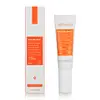
This brightening serum is formulated around Sodium Ascorbyl Phosphate and Rosa Canina Fruit Extract to brighten dull-looking skin and hydrate skin.
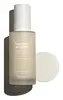
This anti-aging serum is formulated around Oryza Sativa Extract and Hyaluronic Acid to soften the look of wrinkles and hydrate skin.


What's inside
What's inside
 Key Ingredients
Benefits
Concerns
Ingredients Side-by-side
Water
Skin ConditioningCoco-Caprylate
Emollient

Dicaprylyl Ether
Emollient
Pentylene Glycol
Skin Conditioning
Leuconostoc/Radish Root Ferment Filtrate
Antimicrobial

Butyrospermum Parkii Butter
Skin Conditioning


Palmitic Acid
Emollient
Hydrogenated Lecithin
Emulsifying
C12-16 Alcohols
EmollientPolyglyceryl-3 Stearate
Emulsifying
Cetearyl Alcohol
Emollient
Simmondsia Chinensis Seed Oil
Emollient

Glycerin
Humectant
Tocopherol
Antioxidant





Tuber Melanosporum Extract
HumectantRosa Canina Fruit Extract
Astringent
Ruscus Aculeatus Root Extract
Astringent
Centella Asiatica Extract
Cleansing

Glyceryl Caprylate/Caprate
EmollientGlyceryl Stearate
Emollient
Xanthan Gum
EmulsifyingPotassium Palmitoyl Hydrolyzed Rice Protein
CleansingSunflower Seed Oil Polyglyceryl-4 Esters
Emollient
Helianthus Annuus Seed Oil
Emollient
Sodium Stearoyl Glutamate
CleansingSorbitol
Humectant
Propylene Glycol
Humectant
Hydrolyzed Hibiscus Esculentus Extract
Skin ConditioningParfum
Masking


Lecithin
Emollient
Sodium Phytate
ChelatingSodium Ascorbyl Phosphate
Antioxidant

Sodium Hyaluronate
Humectant
Limonene
Perfuming
Alpha-Methyl-Alpha-Ionone
Perfuming
Hydroxycitronellal
Perfuming
Dextrin
AbsorbentWater, Coco-Caprylate, Dicaprylyl Ether, Pentylene Glycol, Leuconostoc/Radish Root Ferment Filtrate, Butyrospermum Parkii Butter, Palmitic Acid, Hydrogenated Lecithin, C12-16 Alcohols, Polyglyceryl-3 Stearate, Cetearyl Alcohol, Simmondsia Chinensis Seed Oil, Glycerin, Tocopherol, Tuber Melanosporum Extract, Rosa Canina Fruit Extract, Ruscus Aculeatus Root Extract, Centella Asiatica Extract, Glyceryl Caprylate/Caprate, Glyceryl Stearate, Xanthan Gum, Potassium Palmitoyl Hydrolyzed Rice Protein, Sunflower Seed Oil Polyglyceryl-4 Esters, Helianthus Annuus Seed Oil, Sodium Stearoyl Glutamate, Sorbitol, Propylene Glycol, Hydrolyzed Hibiscus Esculentus Extract, Parfum, Lecithin, Sodium Phytate, Sodium Ascorbyl Phosphate, Sodium Hyaluronate, Limonene, Alpha-Methyl-Alpha-Ionone, Hydroxycitronellal, Dextrin
Water
Skin ConditioningGlycerin
Humectant
Lecithin
Emollient
Caprylic/Capric Triglyceride
Masking
Camellia Japonica Seed Oil
Emollient
Hydrogenated Lecithin
Emulsifying
Helianthus Annuus Seed Oil
Emollient
Oryza Sativa Extract
Absorbent
Phyllostachys Pubescens Shoot Bark Extract
Skin ConditioningAspergillus Ferment
Skin ConditioningHyaluronic Acid
Humectant
Panax Ginseng Root Extract
Emollient
Cyclodextrin
AbsorbentSclerotium Gum
Emulsion StabilisingC12-16 Alcohols
EmollientPalmitic Acid
Emollient
Alteromonas Ferment Extract
Skin Conditioning
Usnea Barbata Extract
Zanthoxylum Piperitum Fruit Extract
Skin ConditioningPulsatilla Koreana Extract
Skin ConditioningBeta-Glucan
Skin Conditioning
1,2-Hexanediol
Skin Conditioning
Glycine Soja Sterols
Emollient
Behenyl Alcohol
Emollient
Simmondsia Chinensis Seed Oil
Emollient
Glyceryl Stearate
Emollient
Sodium Phytate
ChelatingTocopherol
Antioxidant
Adenosine
Skin Conditioning
Phenethyl Alcohol
MaskingButylene Glycol
Humectant
Alcohol
Antimicrobial

Lavandula Angustifolia Oil
Masking
Linalool
Perfuming
Limonene
Perfuming
Water, Glycerin, Lecithin, Caprylic/Capric Triglyceride, Camellia Japonica Seed Oil, Hydrogenated Lecithin, Helianthus Annuus Seed Oil, Oryza Sativa Extract, Phyllostachys Pubescens Shoot Bark Extract, Aspergillus Ferment, Hyaluronic Acid, Panax Ginseng Root Extract, Cyclodextrin, Sclerotium Gum, C12-16 Alcohols, Palmitic Acid, Alteromonas Ferment Extract, Usnea Barbata Extract, Zanthoxylum Piperitum Fruit Extract, Pulsatilla Koreana Extract, Beta-Glucan, 1,2-Hexanediol, Glycine Soja Sterols, Behenyl Alcohol, Simmondsia Chinensis Seed Oil, Glyceryl Stearate, Sodium Phytate, Tocopherol, Adenosine, Phenethyl Alcohol, Butylene Glycol, Alcohol, Lavandula Angustifolia Oil, Linalool, Limonene
Reviews
Ingredients Explained
These ingredients are found in both products.
Ingredients higher up in an ingredient list are typically present in a larger amount.
We don't have a description for C12-16 Alcohols yet.
Glycerin (or glycerol) is a compound naturally found in your skin. It's a powerhouse humectant that pulls water into the stratum corneum.
Topically, glycerin does several things at once:
Your skin makes glycerin on its own (mostly from sebaceous oil breakdown) and shuttles it to your outermost layer of skin, or your epidermis, via aquaporin-3.
Aquaporin-3 is a transporter that is essential for normal skin hydration, elasticity, and repair. Interestingly, mice lacking in AQP3 have dry and less elastic skin that can be fully corrected with glycerin.
This ingredient is non-irritating, plays well with almost every ingredient, and works across all skin types. Typical use is anywhere between 3-10% but can go up to 79% in some leave-on products.
Just know very high concentrations (>40%) can feel tacky in low humidity.
Glycerin is the name for this ingredient in American English. British English uses Glycerol/Glycerine.
Learn more about GlycerinGlyceryl Stearate is made by reacting glycerin with stearic acid (typically sourced from plant oils like palm or coconut). It's an emulsifier, emollient, and mild occlusive.
Emulsifiers help ingredients like oil and water stay mixed so your formula stays nicely blended and uniform in texture.
This ingredient is typically used in concentrations between 1-10%. Studies have found it to be non-sensitizing, non-phototoxic, and non-photoallergenic.
A close cousin of this ingredient is Glyceryl Stearate SE ("self-emulsifying"). This just has a small amount of sodium or potassium stearate added so it can emulsify without a co-emulsifier.
Since this ingredient is an ester of a C18 fatty acid, it may not be fungal acne safe. The Malassezia yeast can potentially metabolize within the C11-C24 range.
Fun fact: The human body also creates Glyceryl Stearate naturally.
Learn more about Glyceryl StearateHelianthus Annuus Seed Oil is a plant oil derived from the seeds of a sunflower.
It is rich in fatty acids, primarily linoleic acid and oleic acid. This gives it emollient and skin conditioning properties.
The reason this ingredient is so effective is because it forms a thin film on the skin that reduces transepidermal water loss (TEWL) while supplying linoleic acid to the stratum corneum to improve barrier strength.
The high linoleic acid content is particularly noteworthy for acne-prone skin.
Research suggests that acne-prone skin tends to be deficient in linoleic acid in sebum. Topical application may help replenish this to support a healthier follicular environment and less comedone-promoting sebum.
One randomized study found sunflower seed oil preserved skin barrier integrity in adult volunteers with and without atopic dermatitis (outperforming olive oil).
This ingredient is well-studied, gentle, and an effective emollient suitable for most skin types.
On fungal acne: This ingredient may not be Fungal acne (Malassezia folliculitis) safe. This is because it contains fatty acids with carbon chain lengths in the C11-C24 range.
Learn more about Helianthus Annuus Seed OilHydrogenated Lecithin is a more stable version of lecithin.
It's made by taking lecithin (a phospholipid commonly found in soybeans and egg yolks) and hydrogenating it. This just means the unsaturated fatty acids are turned into saturated ones so they don't go bad as easily.
This ingredient is an emollient, emulsifier, and penetration enhancer. As an emollient, it helps soften and hydrate skin by trapping moisture within. As an emulsifier, it prevents oil and water ingredients from separating.
Hydrogenated Lecithin can form tiny spherical structures made of phospholipid bilayers called liposomes. These liposomes are able to capture compounds inside their structure and deliver them through the skin barrier.
Because phospholipids are a natural component of our cell membranes, this ingredient is inherently compatible with skin.
A 2021 study found lecithin-based surfactants were less harsh and more tolerable comared to Sodium Lauryl Sulfate (SLS).
Learn more about Hydrogenated LecithinLecithin is a term for a group of substances found in the cell membranes of plants, animals, and humans. They are made up of phospholipids.
Thanks to its amphiphilic structure (water-loving head and oil-loving tail), it is a true multitasker:
It plays well with most ingredients and is typically used at 0.1-1%. However, concentrations up to 50% have been reported in moisturizers.
Learn more about LecithinLimonene is the compound that gives citrus peel its smell.
In skincare, it shows up as a standalone fragrance ingredient or as a natural compound of citrus and other essential oils.
You'll typically see this ingredient used in very small amounts; anything above 0.001% in a leave-on product or 0.01% in a rinse-off has to be named on the label in the EU. The citrus oils that carry it sit around 0.5-1% in a finished formula.
Fresh limonene is a weak allergen; the real issue is that it slowly reacts with air and then breaks down from oxidation to create hydroperoxides (which are strong sensitizers). This is why suppliers are required to keep the peroxide value below 20 mmol.
Positive reactions in people being investigated for eczema vary:
It's worth skipping if you have a known fragrance allergy or a compromised barrier, but the risk is low for most people.
Older or long-opened products are also more likely to bother you than fresh ones due to oxidation.
Learn more about LimonenePalmitic Acid is a fatty acid naturally found in our skin and in many plant and animal sources.
In cosmetics, it is usually derived from palm oil. It serves many purposes in skincare, acting as a cleanser, emollient, and emulsifier.
Interestingly, topically applied Palmitic Acid can be elongated into longer chain fatty acids and ceramides. A 2019 study found low levels of Palmitic Acid lead to slower development of cells, suggesting it plays a role in keeping your skin's renewal process on track.
The CIR (Cosmetic Ingredient Review) panel determined it safe as used in cosmetics at concentrations up to 13%. It is non-irritating and non-sensitizing in clinical studies.
The culprit behind fungal acne, the Malassezia yeast, feeds on fatty acids with carbon chain lengths between C11-C24. Palmitic Acid, at C16, falls right into that sweet spot.
In vitro studies have shown that Palmitic Acid is one of the fatty acids that induce rapid Malassezia growth in lab settings.
It's worth noting that what feeds yeast in a lab doesn't necessarily feed it on your face since formulation and your skin's chemistry play a bigger role.
Learn more about Palmitic AcidJojoba oil is one of the most well-studied plant-derived ingredients in cosmetics. It is an emollient with a special structure.
Because it is made up of 97-98% wax esters, it closely mirrors the linear monoesters found in human sebum. This makes it skin compatible, non-greasy, and lightweight.
Unlike other plant oils, jojoba wax doesn't easily penetrate skin. It mostly works in the uppermost layers as an emollient. This just means it forms a light barrier on the skin to help retain moisture.
Formulations with jojoba esters up to 90% reduced transepidermal water loss (TEWL) and increased barrier recovery by 81% (outperforming bisabolol at 47%).
Besides barrier support, the science also suggests jojoba to have anti-inflammatory effects and potential applications for skin infections, aging, and wound healing.
Fun fact: Indigenous cultures have used jojoba as a moisturizer and to help treat burns for centuries.
Fungal acne: The Malassezia yeast is known to metabolize fatty acids in the C11-24 range and jojoba's dominant fatty acid components fall into this range. This ingredient may not be fungal acne safe.
Learn more about Simmondsia Chinensis Seed OilSodium Phytate is the sodium salt of Phytic acid, a compound that plants store phosphorus in. It's the plant-derived alternative to ingredients like Disodium EDTA.
In skincare, this ingredient is a chelator that grabs onto trace metal ions like iron and copper that sneak into formulas through water/raw materials.
Those metals speed up oxidation so binding them keeps oils, fragrance, and actives from going off, stops color changes, and helps the preservative system work harder.
Survey data shows usage levels range from 0.0099%-0.5% in leave-on products, 0.025%-0.3% in rinse-off, and up to 0.05% in eye-area products. Suppliers typically recommend a range between 0.05-0.5%.
Learn more about Sodium PhytateTocopherol is a fat-soluble antioxidant known as Vitamin E.
You'll find this ingredient in the vast majority of skincare (for good reason). It works to neutralize free radicals, or unstable molecules generated by UV exposure, pollution, and other environmental stressors, before they can cause oxidative damage to your skin cells.
Topically applied tocopherol has been shown to protect against UV damage by ramping up the skin's own natural defense enzymes.
It also acts as a skin conditioning agent; some studies show that regular topical use can improve the skin's water-binding capacity over 2-4 weeks.
This ingredient is especially loved for being a team player. When combined with Vitamin C, the photoprotective effect of both ingredients roughly doubles and the combo also helps reduce UV-induced DNA damage.
This ingredient has some brightening potential but it's more of a prevention ingredient than spot-fader. Cell studies show it can slow down melanin production but it's worth noting that it's not the most powerful brightener out there.
In formulations, it also serves as a stabilizer that helps protect other oxidation-prone ingredients from degrading.
Concentrations usually range from 0.1-1% in most leave-on products.
Learn more about TocopherolWater. It's the most common cosmetic ingredient of all. You'll usually see it at the top of ingredient lists, meaning that it makes up the largest part of the product.
So why is it so popular? Water most often acts as a solvent - this means that it helps dissolve other ingredients into the formulation.
You'll also recognize water as that liquid we all need to stay alive. If you see this, drink a glass of water. Remember to stay hydrated!
Learn more about Water

