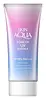
This hybrid sunscreen covers the full UV range and blocks ~98% of UVB at SPF 50.
This hybrid sunscreen covers the full UV range and blocks ~98% of UVB at SPF 50.


What's inside
What's inside
 Key Ingredients
Benefits
Concerns
Ingredients Side-by-side
Water
Skin ConditioningAlcohol
Antimicrobial




Ethylhexyl Methoxycinnamate
UV Absorber

Butylene Glycol
Humectant

Diphenylsiloxy Phenyl Trimethicone
Skin Conditioning
Diethylamino Hydroxybenzoyl Hexyl Benzoate
UV Filter
Titanium Dioxide
Cosmetic Colorant
Sodium Hyaluronate
Humectant


Sodium Ascorbyl Phosphate
Antioxidant





Oenothera Biennis Flower Extract
AstringentHydrolyzed Prunus Domestica
Skin ConditioningBarm Extract
Skin ConditioningBis-PEG-18 Methyl Ether Dimethyl Silane
EmollientMethyl Methacrylate Crosspolymer

Bis-Ethylhexyloxyphenol Methoxyphenyl Triazine
UV Absorber
Acrylates Copolymer
Polysorbate 60
Emulsifying
Acrylates/C10-30 Alkyl Acrylate Crosspolymer
Emulsion StabilisingTriethanolamine
BufferingAmmonium Acryloyldimethyltaurate/Vp Copolymer
Silica
Abrasive
PEG-12 Dimethicone
Skin Conditioning
Polystyrene
Polyvinyl Alcohol
Disodium EDTA
ChelatingXanthan Gum
EmulsifyingAlumina
Abrasive
BHT
Antioxidant
Polyglyceryl-2 Triisostearate
Emulsifying
Synthetic Fluorphlogopite
Tin Oxide
Abrasive
CI 73360
Cosmetic ColorantCI 42090
Cosmetic ColorantParfum
Masking

Water, Alcohol, Ethylhexyl Methoxycinnamate, Butylene Glycol, Diphenylsiloxy Phenyl Trimethicone, Diethylamino Hydroxybenzoyl Hexyl Benzoate, Titanium Dioxide, Sodium Hyaluronate, Sodium Ascorbyl Phosphate, Oenothera Biennis Flower Extract, Hydrolyzed Prunus Domestica, Barm Extract, Bis-PEG-18 Methyl Ether Dimethyl Silane, Methyl Methacrylate Crosspolymer, Bis-Ethylhexyloxyphenol Methoxyphenyl Triazine, Acrylates Copolymer, Polysorbate 60, Acrylates/C10-30 Alkyl Acrylate Crosspolymer, Triethanolamine, Ammonium Acryloyldimethyltaurate/Vp Copolymer, Silica, PEG-12 Dimethicone, Polystyrene, Polyvinyl Alcohol, Disodium EDTA, Xanthan Gum, Alumina, BHT, Polyglyceryl-2 Triisostearate, Synthetic Fluorphlogopite, Tin Oxide, CI 73360, CI 42090, Parfum
Zinc Oxide 12%
Cosmetic Colorant
Water
Skin ConditioningC12-15 Alkyl Benzoate
AntimicrobialCaprylic/Capric Triglyceride
Masking
Jojoba Esters
Emollient
Tridecyl Salicylate
Skin Conditioning
Propanediol
Solvent
Polyglyceryl-4 Diisostearate/Polyhydroxystearate/Sebacate
Emulsifying
Niacinamide
Smoothing



Methylpropanediol
SolventSilica
Abrasive
Nylon-12
Coco-Caprylate
Emollient
Tulipa Gesneriana/Kaurmanniana Meristem Cell Lysate Filtrate Extract
Helianthus Annuus Extract
Emollient
Glycerin
Humectant
Sodium Hyaluronate
Humectant
Sodium Lactate
Buffering
Bisabolol
Antioxidant
Allantoin
Skin Conditioning
Oryza Sativa Bran Extract
Skin Conditioning
Tocopherol
Antioxidant
Lentinus Edodes Extract
Skin ConditioningTerminalia Ferdinandiana Fruit Extract
Antioxidant
Podocarpus Elatus Fruit Extract
Skin ConditioningPleiogynium Timoriense Fruit Extract
Skin ConditioningLecithin
Emollient
Hydrogenated Lecithin
Emulsifying
Leuconostoc/Radish Root Ferment Filtrate
Antimicrobial
Rosmarinus Officinalis Leaf Extract
AntimicrobialSodium Chloride
MaskingPolyglyceryl-2 Dipolyhydroxystearate
Skin Conditioning
Caprylyl Glycol
Emollient
Methylheptyl Isostearate
Skin ConditioningPhenylpropanol
Masking
Tetrasodium Glutamate Diacetate
ChelatingSodium Gluconate
ChelatingPentylene Glycol
Skin Conditioning
Sodium Hydroxide
BufferingPhenethyl Alcohol
MaskingPotassium Sorbate
Preservative
Alcohol
Antimicrobial
Hamamelis Virginiana Water
Astringent
Citric Acid
Buffering
CI 77499
Cosmetic ColorantCI 77492
Cosmetic ColorantCI 77491
Cosmetic ColorantZinc Oxide 12%, Water, C12-15 Alkyl Benzoate, Caprylic/Capric Triglyceride, Jojoba Esters, Tridecyl Salicylate, Propanediol, Polyglyceryl-4 Diisostearate/Polyhydroxystearate/Sebacate, Niacinamide, Methylpropanediol, Silica, Nylon-12, Coco-Caprylate, Tulipa Gesneriana/Kaurmanniana Meristem Cell Lysate Filtrate Extract, Helianthus Annuus Extract, Glycerin, Sodium Hyaluronate, Sodium Lactate, Bisabolol, Allantoin, Oryza Sativa Bran Extract, Tocopherol, Lentinus Edodes Extract, Terminalia Ferdinandiana Fruit Extract, Podocarpus Elatus Fruit Extract, Pleiogynium Timoriense Fruit Extract, Lecithin, Hydrogenated Lecithin, Leuconostoc/Radish Root Ferment Filtrate, Rosmarinus Officinalis Leaf Extract, Sodium Chloride, Polyglyceryl-2 Dipolyhydroxystearate, Caprylyl Glycol, Methylheptyl Isostearate, Phenylpropanol, Tetrasodium Glutamate Diacetate, Sodium Gluconate, Pentylene Glycol, Sodium Hydroxide, Phenethyl Alcohol, Potassium Sorbate, Alcohol, Hamamelis Virginiana Water, Citric Acid, CI 77499, CI 77492, CI 77491
Reviews
Ingredients Explained
These ingredients are found in both products.
Ingredients higher up in an ingredient list are typically present in a larger amount.
This ingredient is also called ethanol or ethyl alcohol. It is denatured, meaning made undrinkable for cosmetic use.
In formulas, it:
Is it bad for your skin?
The answer comes down to concentration. Patch and wash studies have found highly concentrated alcohol-based hand rubs (60-100%) cause less barrier disruption than washing with a basic detergent like SLS. The only measurable effect in these studies was a temporary dip in skin hydration.
Concentrations below 12-15% in leave-on cosmetics is generally well-tolerated. Concentrations above start to see increased transepidermal water loss (TEWL) and reduced hydration.
In concentrations about 58%, it creates temporary channels in your skin's lipid layers to become more permeable and allow other ingredients to slip through easily.
This ingredient can be up to 80% of the formula in alcohol-based perfumes.
Overall, this ingredient is probably harmless if found lower down an ingredients list but worth side-eyeing if it's high up (especially if your barrier is already struggling).
Alcohol can worsen dry skin, eczema, and oily skin, especially at higher concentrations. This is because it can increase transepidermal water loss and decrease hydration to disrupt the skin barrier.
According to the National Rosacea Society based in the US, you should be mindful of products with these alcohols in the top half of ingredients.
True allergic contact dermatitis to ethanol is uncommon, but be sure to patch test if you have dry or sensitive skin.
Learn more about AlcoholSilica, also known as silicon dioxide, is a naturally occurring mineral. It is used as a fine, spherical, and porous powder in cosmetics.
Though it has exfoliant properties, the function of silica varies depending on the product.
The unique structure of silica enhances the spreadability and adds smoothness, making it a great texture enhancer.
It is also used as an active carrier, emulsifier, and mattifier due to its ability to absorb excess oil.
In some products, tiny microneedles called spicules are made from silica or hydrolyzed sponge. When you rub them in, they lightly polish away dead skin layers and enhance the penetration of active ingredients.
Learn more about SilicaSodium Hyaluronate is the salt form of hyaluronic acid. It is a long sugar chain that is naturally found in your skin, joints, and connective tissue that maintains hydration and elasticity.
In skincare, it works as a humectant. It pulls water from the environment and deeper layers of skin and binds it to the surface.
Interestingly, the size of the molecule affects its behavior:
Some clinical evidence links low molecular weight versions to improved wrinkle depth, elasticity, anti-inflammatory effects, and barrier repair.
Many serums use a blend of both weights so you can get surface hydration plus longer-lasting and deeper effects.
You'll typically see concentrations between 0.1-2% for this ingredient.
Learn more about Sodium HyaluronateWater. It's the most common cosmetic ingredient of all. You'll usually see it at the top of ingredient lists, meaning that it makes up the largest part of the product.
So why is it so popular? Water most often acts as a solvent - this means that it helps dissolve other ingredients into the formulation.
You'll also recognize water as that liquid we all need to stay alive. If you see this, drink a glass of water. Remember to stay hydrated!
Learn more about Water

