Skin Actives Scientific Ultra Clarifying Blemish Oil Versus Koko Rose Beauty Rose Bomb O.G. Clarifying & Brightening Oil
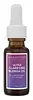
This acne oil is formulated around Rosa Canina Seed Oil and Salicylic Acid to clear breakouts and calm redness.
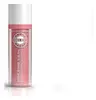
This acne oil is formulated around Salicylic Acid and Glycyrrhiza Glabra Root Extract to clear breakouts and brighten dull-looking skin.

What's inside
What's inside
 Key Ingredients
Benefits
Concerns
Ingredients Side-by-side
Rosa Canina Seed Oil
Emollient



Linum Usitatissimum Seed Oil
Perfuming



Salicylic Acid
Masking








Calophyllum Inophyllum Seed Oil
Antimicrobial


Hippophae Rhamnoides Fruit Oil
Skin Protecting
Bisabolol
Antioxidant

Retinyl Palmitate
Skin Conditioning

Docosahexaenoic Acid
Skin Conditioning
Coleus Forskohlii Root Oil
Emollient
Punica Granatum Seed Oil
Emollient
Tocotrienols
Skin Conditioning
Tocopherol
Antioxidant
Astaxanthin
Skin Conditioning
Lycopene
Antioxidant
Xanthophylls
Skin ConditioningThioctic Acid
Antioxidant
Zea Mays Oil
Emulsifying
Alpinia Nigra Root Powder
HumectantCedrus Deodara Wood Oil
Masking
Rosa Canina Seed Oil, Linum Usitatissimum Seed Oil, Salicylic Acid, Calophyllum Inophyllum Seed Oil, Hippophae Rhamnoides Fruit Oil, Bisabolol, Retinyl Palmitate, Docosahexaenoic Acid, Coleus Forskohlii Root Oil, Punica Granatum Seed Oil, Tocotrienols, Tocopherol, Astaxanthin, Lycopene, Xanthophylls, Thioctic Acid, Zea Mays Oil, Alpinia Nigra Root Powder, Cedrus Deodara Wood Oil
Cannabis Sativa Seed Oil
Emollient
Simmondsia Chinensis Seed Oil
Emollient
Water
Skin ConditioningCalophyllum Inophyllum Seed Oil
Antimicrobial
Vitis Vinifera Seed Oil
Emollient
Argania Spinosa Kernel Oil
Emollient
Persea Gratissima Oil
Skin Conditioning
Vaccinium Corymbosum Seed Oil
Antioxidant
Rubus Idaeus Seed Oil
Emollient
Bisabolol
Antioxidant
Helianthus Annuus Seed Oil
Emollient
Moringa Oleifera Seed Oil
Emollient
Citrullus Lanatus Seed Oil
Emollient
Rosa Canina Fruit Oil
Emollient
Calendula Officinalis Flower Oil
Masking
Nigella Sativa Seed Extract
Perfuming
Curcuma Longa Root Extract
Antioxidant
Hippophae Rhamnoides Seed Oil
Skin Protecting
Curcuma Xanthorrhiza Root Extract
Glycerin
Humectant
Punica Granatum Seed Oil
Emollient
Actinidia Chinensis Seed Oil
Emollient
Cucumis Sativus Seed Oil
Emollient
Aloe Barbadensis Leaf Water
MaskingSalicylic Acid
Masking
Bixa Orellana Seed Extract
MaskingBorago Officinalis Seed Oil
Emollient
Glycyrrhiza Glabra Root Extract
Bleaching
Bakuchiol
Antimicrobial
Ceramide EOP
Skin Conditioning
Ceramide NP
Skin Conditioning
Propanediol
Solvent
Hydrolyzed Pea Protein
EmollientPhytosterols
Skin Conditioning
Lecithin
Emollient
Olea Europaea Fruit Oil
Masking
Squalane
Emollient
Butyrospermum Parkii Butter
Skin Conditioning
Butylene Glycol
Humectant
Ceramide AP
Skin Conditioning
1,2-Hexanediol
Skin Conditioning
Caprylyl Glycol
Emollient
Panthenol
Skin Conditioning
Cannabis Sativa Seed Oil, Simmondsia Chinensis Seed Oil, Water, Calophyllum Inophyllum Seed Oil, Vitis Vinifera Seed Oil, Argania Spinosa Kernel Oil, Persea Gratissima Oil, Vaccinium Corymbosum Seed Oil, Rubus Idaeus Seed Oil, Bisabolol, Helianthus Annuus Seed Oil, Moringa Oleifera Seed Oil, Citrullus Lanatus Seed Oil, Rosa Canina Fruit Oil, Calendula Officinalis Flower Oil, Nigella Sativa Seed Extract, Curcuma Longa Root Extract, Hippophae Rhamnoides Seed Oil, Curcuma Xanthorrhiza Root Extract, Glycerin, Punica Granatum Seed Oil, Actinidia Chinensis Seed Oil, Cucumis Sativus Seed Oil, Aloe Barbadensis Leaf Water, Salicylic Acid, Bixa Orellana Seed Extract, Borago Officinalis Seed Oil, Glycyrrhiza Glabra Root Extract, Bakuchiol, Ceramide EOP, Ceramide NP, Propanediol, Hydrolyzed Pea Protein, Phytosterols, Lecithin, Olea Europaea Fruit Oil, Squalane, Butyrospermum Parkii Butter, Butylene Glycol, Ceramide AP, 1,2-Hexanediol, Caprylyl Glycol, Panthenol
Alternatives
Ingredients Explained
These ingredients are found in both products.
Ingredients higher up in an ingredient list are typically present in a larger amount.
Bisabolol is a gentle skin conditioner, antioxidant, and soothing ingredient.
It's primary claim to fame is soothing and research shows topically applied bisabolol can quiet the chemical messengers that cause your skin to become inflamed, helping to sooth any irritation.
A clinical study found that applying 0.5% bisabolol daily for 8 weeks produced an average 9% decrease in skin pigmentation. Researchers found it can also suppress the process that leads to excess melanin production in skin.
In vitro studies found that bisabolol combined with propylene glycol significantly increased skin permeability by increasing lipid fluidity in the stratum corneum.
You'll likely see use concentrations quite low, usually 0.1-0.2%.
Overall, this is a well-tolerated ingredient that works well in formulas designed for sensitive, reactive, or post-procedure skin.
Learn more about BisabololCalophyllum Inophyllum Seed Oil comes from the Tamanu tree. This tree grows in tropical regions of Asia and Polynesian countries such as Fiji.
Calophyllum Inophyllum Seed Oil contains many fatty acids such as linoleic, oleic, stearic, and palmitic acid. These properties help your skin stay hydrated.
As an antioxidant, Calophyllum Inophyllum Seed Oil may also slow down the signs of aging. Antioxidants help fight unstable free-radical molecules.
These molecules may damage your skin cells and speed up aging. By helping to stabilize these molecules, antioxidants may help slow the signs of aging.
A study from 2015 found Tamanu oil to have antibacterial and anti-inflammatory properties.
Another study from 2009 found Tamanu Oil to help absorb UV rays. However, this should not replace your sunscreen.
Due to the fatty acid content, this ingredient may not be fungal-acne safe.
Learn more about Calophyllum Inophyllum Seed OilPunica Granatum Seed Oil is created from the seeds of the pomegranate. Pomegranate seed oil helps hydrate the skin, is anti-inflammatory, and contains antioxidants.
Pomegranates are rich in fatty acids, including an unsaturated fatty acid by the name of Punicic acid. Other components of pomegranates include Vitamin E, Vitamin C, and bioactive lipids such as phytosterols, phospholipids, and triterpenes. Punicic acid helps soothe inflammation.
As an emollient, pomegranate oil creates a thin film on the skin. This film helps prevent moisture loss, keeping your skin hydrated.
Learn more about Punica Granatum Seed OilSalicylic Acid (also known as beta hydroxy acid or BHA) is a well-known ingredient for treating skin that struggles with acne and clogged pores. It exfoliates both the skin's surface and deep within the pores to help clear out buildup, control oil, and reduce inflammation.
Unlike AHAs (alpha hydroxy acids), salicylic acid is oil-soluble. This allows it to penetrate into pores which makes it especially effective for treating blackheads and preventing future breakouts.
Salicylic acid is also known for its soothing properties. It has a similar structure to aspirin and can calm inflamed or irritated skin, making it a good option for acne-prone skin that is also sensitive.
Concentrations of 0.5-2% are recognized by the U.S. FDA as an over-the-counter topical acne product.
It can cause irritation and/or dryness if one's skin already has a compromised moisture barrier, so it's best to focus on repairing that before introducing this ingredient into your routine.
While salicylic acid does not increase sun sensitivity, it’s still important to wear sunscreen daily to protect your skin.
If you are looking for the ingredient called BHA or Butylated Hydroxyanisole, click here.
Learn more about Salicylic Acid

