
What's inside
What's inside
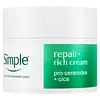 Key Ingredients
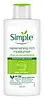
Benefits
Concerns
Ingredients Side-by-side
Water
Skin ConditioningGlycerin
Humectant


Caprylic/Capric Triglyceride
Masking
Polyglyceryl-3 Methylglucose Distearate
Emulsifying
Propanediol
Solvent
Stearyl Alcohol
Emollient
Sodium Acrylate/Sodium Acryloyldimethyl Taurate Copolymer
Emulsion StabilisingStearic Acid
Cleansing
Tapioca Starch
Dicaprylyl Ether
Emollient
C15-19 Alkane
SolventCaprylyl Glycol
Emollient
Hydroxyacetophenone
Antioxidant


Polyglyceryl-6 Laurate
Emulsifying
Panthenol
Skin Conditioning
Centella Asiatica Leaf Extract
Skin Conditioning
Polyglycerin-6
HumectantSorbitan Oleate
Emulsifying
Cetyl Alcohol
Emollient
Sorbitan Isostearate
Emulsifying
Arachidyl Alcohol
Emollient
Tocopheryl Acetate
Antioxidant

PEG-7 Glyceryl Cocoate
Emulsifying
Pantolactone
Humectant
Citric Acid
Buffering

Ceramide Ng
Skin Conditioning
Tocopherol
Antioxidant
Gluconolactone
Skin Conditioning




Water, Glycerin, Caprylic/Capric Triglyceride, Polyglyceryl-3 Methylglucose Distearate, Propanediol, Stearyl Alcohol, Sodium Acrylate/Sodium Acryloyldimethyl Taurate Copolymer, Stearic Acid, Tapioca Starch, Dicaprylyl Ether, C15-19 Alkane, Caprylyl Glycol, Hydroxyacetophenone, Polyglyceryl-6 Laurate, Panthenol, Centella Asiatica Leaf Extract, Polyglycerin-6, Sorbitan Oleate, Cetyl Alcohol, Sorbitan Isostearate, Arachidyl Alcohol, Tocopheryl Acetate, PEG-7 Glyceryl Cocoate, Pantolactone, Citric Acid, Ceramide Ng, Tocopherol, Gluconolactone
Water
Skin ConditioningGlycerin
Humectant
Coco-Caprylate/Caprate
Emollient
Polyglyceryl-3 Methylglucose Distearate
Emulsifying
Ethylhexyl Methoxycinnamate
UV Absorber


Niacinamide
Smoothing
Stearyl Alcohol
Emollient
Butyl Methoxydibenzoylmethane
UV Absorber
Polyacrylamide
Phenoxyethanol
Preservative
Stearic Acid
Cleansing
Panthenol
Skin Conditioning
Caprylyl Glycol
Emollient
C13-14 Isoparaffin
Emollient
Laureth-7
EmulsifyingDisodium EDTA
Sodium Hydroxide
BufferingTocopheryl Acetate
Antioxidant
BHT
Antioxidant
Bisabolol
Antioxidant
Citric Acid
Buffering
Pentylene Glycol
Skin Conditioning
Urea
Buffering
Lactic Acid
Buffering
Sodium Lactate
Buffering
Serine
Masking
Sorbitol
Humectant
Sodium Chloride
MaskingAllantoin
Skin Conditioning
Water, Glycerin, Coco-Caprylate/Caprate, Polyglyceryl-3 Methylglucose Distearate, Ethylhexyl Methoxycinnamate, Niacinamide, Stearyl Alcohol, Butyl Methoxydibenzoylmethane, Polyacrylamide, Phenoxyethanol, Stearic Acid, Panthenol, Caprylyl Glycol, C13-14 Isoparaffin, Laureth-7, Disodium EDTA, Sodium Hydroxide, Tocopheryl Acetate, BHT, Bisabolol, Citric Acid, Pentylene Glycol, Urea, Lactic Acid, Sodium Lactate, Serine, Sorbitol, Sodium Chloride, Allantoin
Reviews
Ingredients Explained
These ingredients are found in both products.
Ingredients higher up in an ingredient list are typically present in a larger amount.
Caprylyl Glycol is a humectant, skin conditioner, emollient, and preservative booster derived from either caprylic acid or synthetically created.
Typical use levels vary from 0.3-1% as a preservative booster and go up to 2% to condition skin.
Because it is not a free-fatty acid or alcohol, this ingredient is fungal acne safe (there's nothing for Malassezia to feed on).
Learn more about Caprylyl GlycolCitric Acid is an alpha hydroxy acid (AHA) naturally found in citrus fruits like oranges, lemons, and limes.
Like other AHAs, citric acid can exfoliate skin by breaking down the bonds that hold dead skin cells together. This helps reveal smoother and brighter skin underneath.
However, this exfoliating effect only happens at high concentrations (20%) which can be hard to find in cosmetic products.
Due to this, citric acid is usually included in small amounts as a pH adjuster. This helps keep products slightly more acidic and compatible with skin's natural pH.
In skincare formulas, citric acid can:
While it can provide some skin benefits, research shows lactic acid and glycolic acid are generally more effective and less irritating exfoliants.
Most citric acid used in skincare today is made by fermenting sugars (usually from molasses). This synthetic version is identical to the natural citrus form but easier to stabilize and use in formulations.
Read more about some other popular AHA's here:
Learn more about Citric AcidGlycerin (or glycerol) is a compound naturally found in your skin. It's a powerhouse humectant that pulls water into the stratum corneum.
Topically, glycerin does several things at once:
Your skin makes glycerin on its own (mostly from sebaceous oil breakdown) and shuttles it to your outermost layer of skin, or your epidermis, via aquaporin-3.
Aquaporin-3 is a transporter that is essential for normal skin hydration, elasticity, and repair. Interestingly, mice lacking in AQP3 have dry and less elastic skin that can be fully corrected with glycerin.
This ingredient is non-irritating, plays well with almost every ingredient, and works across all skin types. Typical use is anywhere between 3-10% but can go up to 79% in some leave-on products.
Just know very high concentrations (>40%) can feel tacky in low humidity.
Glycerin is the name for this ingredient in American English. British English uses Glycerol/Glycerine.
Learn more about GlycerinPanthenol is a common ingredient that helps hydrate and soothe the skin. It is found naturally in our skin and hair.
There are two forms of panthenol: D and L.
D-panthenol is also known as dexpanthenol. Most cosmetics use dexpanthenol or a mixture of D and L-panthenol.
Panthenol is famous due to its ability to go deeper into the skin's layers. Using this ingredient has numerous pros (and no cons):
Like hyaluronic acid, panthenol is a humectant. Humectants are able to bind and hold large amounts of water to keep skin hydrated.
This ingredient works well for wound healing. It works by increasing tissue in the wound and helps close open wounds.
Once oxidized, panthenol converts to pantothenic acid. Panthothenic acid is found in all living cells.
This ingredient is also referred to as pro-vitamin B5.
Learn more about PanthenolPolyglyceryl-3 Methylglucose Distearate is created from the diester of stearic acid and the condensation product of methylglucose and Polyglycerin-3.
As an emulsifier, it is used to bind ingredients together. Many ingredients, such as oils and water, separate naturally. Emulsifiers prevent them from separating to ensure even consistency in texture.
One of the manufacturer for this ingredient states it is vegetable-based. It is also claimed to be stable at both high and low temperatures.
This ingredient may not be safe for fungal acne. We recommend speaking with a professional if you have any concerns.
Learn more about Polyglyceryl-3 Methylglucose DistearateStearic Acid is a fatty acid that is already found in your skin. It's one of the free fatty acids that works alongside ceramides and cholesterols to maintain your barrier.
In cosmetics, it is a multitasker:
Safety-wise, the CIR Expert Panel has concluded it to be safe in cosmetics when formulated to be non-irritating and non-sensitizing.
Free stearic acid is a C18 fatty acid that the Malassezia yeast can substrate, so this ingredient may not be fungal acne safe.
Learn more about Stearic AcidStearyl Alcohol is a type of fatty alcohol from stearic acid. It is a white, waxy compound used to emulsify ingredients used as an emollient or to thicken a product.
Emollients help soothe and hydrate the skin by trapping moisture.
Fatty alcohols are usually derived from natural fats and oils and therefore do not have the same drying or irritating effect as solvent (ethanol) alcohols.
The FDA allows products labeled "alcohol-free" to have fatty alcohols.
Learn more about Stearyl AlcoholTocopheryl Acetate is AKA Vitamin E. It is an antioxidant and protects your skin from free radicals. Free radicals damage the skin by breaking down collagen.
One study found using Tocopheryl Acetate with Vitamin C decreased the number of sunburned cells.
Tocopheryl Acetate is commonly found in both skincare and dietary supplements.
Learn more about Tocopheryl AcetateWater. It's the most common cosmetic ingredient of all. You'll usually see it at the top of ingredient lists, meaning that it makes up the largest part of the product.
So why is it so popular? Water most often acts as a solvent - this means that it helps dissolve other ingredients into the formulation.
You'll also recognize water as that liquid we all need to stay alive. If you see this, drink a glass of water. Remember to stay hydrated!
Learn more about Water
