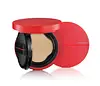
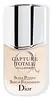
Shiseido Synchro Skin Glow Cushion Compact Versus Dior Capture Totale - Super Potent Serum Foundation SPF 20 PA++


What's inside
What's inside
 Key Ingredients
Benefits
Concerns
Ingredients Side-by-side
Water
Skin ConditioningCI 77891
Cosmetic ColorantMethyl Trimethicone
Skin Conditioning
Dimethicone
Emollient
Ethylhexyl Methoxycinnamate
UV Absorber


Ethylhexyl Salicylate
UV Absorber
Butylene Glycol Dicaprylate/Dicaprate
EmollientDiphenylsiloxy Phenyl Trimethicone
Skin Conditioning
Lauryl PEG-9 Polydimethylsiloxyethyl Dimethicone
Skin Conditioning
Glycerin
Humectant

Butylene Glycol
Humectant
Pentylene Glycol
Skin Conditioning
CI 77492
Cosmetic ColorantTrisiloxane
Skin Conditioning
PEG-10 Dimethicone
Skin Conditioning
Dimethicone Crosspolymer
Emulsion Stabilising
Mica
Cosmetic ColorantMagnesium Sulfate
Acrylates/Stearyl Acrylate/Dimethicone Methacrylate Copolymer
Phenoxyethanol
Preservative
Ethylhexylglycerin
Skin ConditioningLauroyl Lysine
Skin Conditioning
Disteardimonium Hectorite
StabilisingCI 77491
Cosmetic ColorantStearic Acid
Cleansing


Alumina
Abrasive
Polyhydroxystearic Acid
Emulsifying
Triethoxycaprylylsilane
Aluminum Hydroxide
EmollientCI 77499
Cosmetic ColorantParfum
Masking


Isostearic Acid
Cleansing
Isopropyl Myristate
Emollient
Ethylhexyl Palmitate
Emollient
Lecithin
Emollient
Adenosine
Skin Conditioning

Polyglyceryl-3 Polyricinoleate
Emulsifying
Disodium EDTA
ChelatingMethyl Methacrylate Crosspolymer
Polyquaternium-51
Skin Conditioning
Limonene
Perfuming
Alpha-Isomethyl Ionone
Perfuming
Linalool
Perfuming
Alcohol
Antimicrobial

Benzyl Benzoate
Antimicrobial
Cellulose
Absorbent
Sodium Acetylated Hyaluronate
Humectant
Tocopherol
Antioxidant




Talc
Abrasive
Dimethicone/PEG-10/15 Crosspolymer
Silica
Abrasive
Hypericum Erectum Flower/Leaf/Stem Extract
Skin ConditioningThymus Serpyllum Extract
Skin ConditioningDipropylene Glycol
HumectantWater, CI 77891, Methyl Trimethicone, Dimethicone, Ethylhexyl Methoxycinnamate, Ethylhexyl Salicylate, Butylene Glycol Dicaprylate/Dicaprate, Diphenylsiloxy Phenyl Trimethicone, Lauryl PEG-9 Polydimethylsiloxyethyl Dimethicone, Glycerin, Butylene Glycol, Pentylene Glycol, CI 77492, Trisiloxane, PEG-10 Dimethicone, Dimethicone Crosspolymer, Mica, Magnesium Sulfate, Acrylates/Stearyl Acrylate/Dimethicone Methacrylate Copolymer, Phenoxyethanol, Ethylhexylglycerin, Lauroyl Lysine, Disteardimonium Hectorite, CI 77491, Stearic Acid, Alumina, Polyhydroxystearic Acid, Triethoxycaprylylsilane, Aluminum Hydroxide, CI 77499, Parfum, Isostearic Acid, Isopropyl Myristate, Ethylhexyl Palmitate, Lecithin, Adenosine, Polyglyceryl-3 Polyricinoleate, Disodium EDTA, Methyl Methacrylate Crosspolymer, Polyquaternium-51, Limonene, Alpha-Isomethyl Ionone, Linalool, Alcohol, Benzyl Benzoate, Cellulose, Sodium Acetylated Hyaluronate, Tocopherol, Talc, Dimethicone/PEG-10/15 Crosspolymer, Silica, Hypericum Erectum Flower/Leaf/Stem Extract, Thymus Serpyllum Extract, Dipropylene Glycol
Water
Skin ConditioningDimethicone
Emollient
Methyl Trimethicone
Skin Conditioning
Ethylhexyl Salicylate
UV Absorber
Lauryl PEG-9 Polydimethylsiloxyethyl Dimethicone
Skin Conditioning
Phenyl Trimethicone
Skin Conditioning
Synthetic Fluorphlogopite
Glycerin
Humectant
Pentylene Glycol
Skin Conditioning
Silica
Abrasive
Phenylbenzimidazole Sulfonic Acid
UV Absorber
Butylene Glycol
Humectant
Sorbitan Sesquioleate
Emulsifying
Tromethamine
BufferingAcrylates/Dimethicone Copolymer
Skin Conditioning
Aframomum Angustifolium Seed Extract
Skin ConditioningPaeonia Lactiflora Root Extract
Skin ConditioningJasminum Officinale Flower Extract
Masking
Lilium Candidum Bulb Extract
Skin ConditioningMica
Cosmetic ColorantDimethiconol
Emollient
Sodium Myristoyl Glutamate
CleansingGlyceryl Undecyl Dimethicone
Parfum
Masking
Chlorphenesin
Antimicrobial
Caprylyl Glycol
Emollient
Sodium Chloride
MaskingDimethicone/Vinyl Dimethicone Crosspolymer
Skin Conditioning
Polysorbate 80
Emulsifying
Sodium Surfactin
CleansingHydrogen Dimethicone
Aluminum Hydroxide
EmollientAdenosine
Skin Conditioning
Sodium Acetylated Hyaluronate
Humectant
Xylitol
Humectant
Tocopherol
Antioxidant
Palmaria Palmata Extract
Skin Protecting
Sodium Benzoate
Masking
Hydrolyzed Soy Protein
Humectant
Trehalose
Humectant
Potassium Sorbate
Preservative
CI 77163
Cosmetic Colorant
CI 77491
Cosmetic ColorantCI 77492
Cosmetic ColorantCI 77499
Cosmetic ColorantCI 77891
Cosmetic ColorantCI 77947
Water, Dimethicone, Methyl Trimethicone, Ethylhexyl Salicylate, Lauryl PEG-9 Polydimethylsiloxyethyl Dimethicone, Phenyl Trimethicone, Synthetic Fluorphlogopite, Glycerin, Pentylene Glycol, Silica, Phenylbenzimidazole Sulfonic Acid, Butylene Glycol, Sorbitan Sesquioleate, Tromethamine, Acrylates/Dimethicone Copolymer, Aframomum Angustifolium Seed Extract, Paeonia Lactiflora Root Extract, Jasminum Officinale Flower Extract, Lilium Candidum Bulb Extract, Mica, Dimethiconol, Sodium Myristoyl Glutamate, Glyceryl Undecyl Dimethicone, Parfum, Chlorphenesin, Caprylyl Glycol, Sodium Chloride, Dimethicone/Vinyl Dimethicone Crosspolymer, Polysorbate 80, Sodium Surfactin, Hydrogen Dimethicone, Aluminum Hydroxide, Adenosine, Sodium Acetylated Hyaluronate, Xylitol, Tocopherol, Palmaria Palmata Extract, Sodium Benzoate, Hydrolyzed Soy Protein, Trehalose, Potassium Sorbate, CI 77163, CI 77491, CI 77492, CI 77499, CI 77891, CI 77947
Ingredients Explained
These ingredients are found in both products.
Ingredients higher up in an ingredient list are typically present in a larger amount.
Adenosine is a purine nucleoside that your body already makes in every cell. In skincare, it acts mainly as a skin conditioning and anti-aging agent.
The way it works is fairly well mapped out:
Your skin has cells called fibroblasts that build collagen (the stuff that keeps skin firm and smooth). Adenosine basically flips a switch on these cells that tells them to get to work making more collagen and other proteins. These cells slow down on their own as skin ages, so Adenosine helps give them a little nudge to keep going.
The clinical backing is pretty solid too.
A blind, randomized, placebo-controlled trial of 126 women aged 45-65 tested a 0.1% cream twice daily and found real improvements in crow's feet and frown lines using a precise 3D skin-mapping technique; these changes showed up by week 3 and held at 2 months.
A later study using Adenosine-loaded dissolving microneedle patches reported gains in wrinkle depth, dermal density, elasticity, and hydration.
On concentrations, South Korea's Ministry of Food and Drug Safety has set 0.04% as the approved functional anti-wrinkle level. You'll typically see this ingredient used somewhere in the 0.04-0.1% range since it works at low doses.
This ingredient has been found safe for cosmetics with the data showing no irritation or sensitization.
Overall, this is a great ingredient for any anti-aging routine and has no photosensitizing effect, so it suits both AM and PM use.
Learn more about AdenosineAluminum Hydroxide is a form of aluminum. It can be naturally found in nature as the mineral gibbsite. In cosmetics, Aluminum Hydroxide is used as a colorant, pH adjuster, and absorbent.
As a colorant, Aluminum Hydroxide may add opacity, or reduce the transparency. Aluminum hydroxide is contains both basic and acidic properties.
According to manufacturers, this ingredient is an emollient and humectant. This means it helps hydrate the skin.
In medicine, this ingredient is used to help relieve heartburn and help heal ulcers.
There is currently no credible scientific evidence linking aluminum hydroxide in cosmetics to increased cancer risk.
Major health organizations allow the use of aluminum hydroxide in personal care products and have not flagged it as a carcinogenic risk at typical usage levels.
Learn more about Aluminum HydroxideButylene Glycol (or BG) is used within cosmetic products for a few different reasons:
Overall, Butylene Glycol is a safe and well-rounded ingredient that works well with other ingredients.
Though this ingredient works well with most skin types, some people with sensitive skin may experience a reaction such as allergic rashes, closed comedones, or itchiness.
Learn more about Butylene GlycolCi 77491 is also hydrated iron III oxide. It's sole purpose is to give a red/pink hue to products.
Iron III oxides are classified as inorganic chemicals for coloring.
Synthetically created Ci 77491 is considered safer than those naturally found. This is because the synthetically created version may contain less impurities. Iron oxides are generally non-toxic and non-allergenic.
Learn more about CI 77491CI 77492 is also hydrated iron III oxide. It's sole purpose is to give a yellow hue to products.
Iron III oxides are classified as inorganic chemicals for coloring.
Synthetically created CI 77492 is considered safer than those naturally found. This is because the synthetically created version may contain less impurities. Iron oxides are generally non-toxic and non-allergenic.
Learn more about CI 77492Ci 77499 is also hydrated iron III oxide. It is created from mixing red and black iron oxides. This helps give shades of darkness to a product.
Iron III oxides are classified as inorganic chemicals for coloring.
Ci 77891 is a white pigment from Titanium dioxide. It is naturally found in minerals such as rutile and ilmenite.
It's main function is to add a white color to cosmetics. It can also be mixed with other colors to create different shades.
Ci 77891 is commonly found in sunscreens due to its ability to block UV rays.
Learn more about CI 77891Dimethicone is a type of synthetic silicone created from natural materials such as quartz. It is also known as polydimethylsiloxane.
What it does:
Dimethicone comes in different viscosities:
Depending on the viscosity, dimethicone has different properties.
Ingredients lists don't always show which type is used, so we recommend reaching out to the brand if you have questions about the viscosity.
This ingredient is unlikely to cause irritation because it does not get absorbed into skin. However, people with silicone allergies should be careful about using this ingredient.
Note: Dimethicone may contribute to pilling. This is because it is not oil or water soluble, so pilling may occur when layered with products. When mixed with heavy oils in a formula, the outcome is also quite greasy.
Learn more about DimethiconeEthylhexyl Salicylate (also called Octisalate or Octyl Salicylate) is an oil-soluble organic UV filter that's been used in sunscreen since the 1950's.
It absorbs UVB light in the 280-320 nm range with a peak absorbance around 306 nm.
You'll often see it paired with other UV filters to boost overall SPF because octisalate is a fairly week filter on its own.
The reason you'll see it so often is because it can help solubilize and stabilize the trickier filters like oxybenzone and avobenzone.
Unlike these filters, octisalate has pretty good photostability and doesn't create skin-damaging free radicals when exposed to sunlight.
The fatty-alcohol part of the molecule also gives it a light, emollient feel so it doubles as a nice texture enhancer.
Usage levels vary around the world:
Safety-wise, this ingredient has a pretty reassuring track record. The EU's Scientific Committee on Consumer Products (SCCP) found very low skin penetration in human skin tests and negative results for irritation, phototoxicity, and photoallergy.
The real-world allergy risk is pretty low too; a 2012 European study of 1,031 people recorded only 2 reactions to it (a rate of 0.19%).
You might have seen scary headlines about sunscreen getting into your blood.
In 2019, the FDA found that several chemical filters can absorb through the skin and show up in the bloodstream at small but measurable levels.
Here's the important part: these tiny levels are just a cutoff the FDA uses to decide which ingredients need more testing and doesn't mean anything harmful was found.
The researchers were clear that the results are no reason to stop wearing sunscreen.
Learn more about Ethylhexyl SalicylateGlycerin (or glycerol) is a compound naturally found in your skin. It's a powerhouse humectant that pulls water into the stratum corneum.
Topically, glycerin does several things at once:
Your skin makes glycerin on its own (mostly from sebaceous oil breakdown) and shuttles it to your outermost layer of skin, or your epidermis, via aquaporin-3.
Aquaporin-3 is a transporter that is essential for normal skin hydration, elasticity, and repair. Interestingly, mice lacking in AQP3 have dry and less elastic skin that can be fully corrected with glycerin.
This ingredient is non-irritating, plays well with almost every ingredient, and works across all skin types. Typical use is anywhere between 3-10% but can go up to 79% in some leave-on products.
Just know very high concentrations (>40%) can feel tacky in low humidity.
Glycerin is the name for this ingredient in American English. British English uses Glycerol/Glycerine.
Learn more about GlycerinThis is a silicone-polyether copolymer with skin conditioning, emulsifying, texture enhancing, and surfactant properties. It is used to help blend water and silicone based ingredients to improve slip and spreadability.
Due to its large molecular size and hydrophilic-lipophilic structure (it loves both oil and water), this ingredient is minimally absorbed into the skin.
Methyl Trimethicone is a type of silicone. It is a solvent and emulsifier.
Solvents are used to keep ingredients together in a product. They can help dissolve ingredients to stable bases or help evenly distribute ingredients throughout the product.
Emulsifiers help stabilize a product. It does this by preventing certain ingredients from separating.
Methyl Trimethicone does not get absorbed into the skin.
Learn more about Methyl TrimethiconeMica is a naturally occurring mineral used to add shimmer and color in cosmetics. It can also help improve the texture of a product or give it an opaque, white/silver color.
Serecite is the name for very fine but ragged grains of mica.
This ingredient is often coated with metal oxides like titanium dioxide. Trace amounts of heavy metals may be found in mica, but these metals are not harmful in our personal products.
Mica has been used since prehistoric times throughout the world. Ancient Egyptian, Indian, Greek, Roman, Aztec, and Chinese civilizations have used mica.
Learn more about MicaParfum is a catch-all term for an ingredient or more that is used to give a scent to products.
Also called "fragrance", this ingredient can be a blend of hundreds of chemicals or plant oils. This means every product with "fragrance" or "parfum" in the ingredients list is a different mixture.
For instance, Habanolide is a proprietary trade name for a specific aroma chemical. When used as a fragrance ingredient in cosmetics, most aroma chemicals fall under the broad labeling category of “FRAGRANCE” or “PARFUM” according to EU and US regulations.
The term 'parfum' or 'fragrance' is not regulated in many countries. In many cases, it is up to the brand to define this term.
For instance, many brands choose to label themselves as "fragrance-free" because they are not using synthetic fragrances. However, their products may still contain ingredients such as essential oils that are considered a fragrance by INCI standards.
One example is Calendula flower extract. Calendula is an essential oil that still imparts a scent or 'fragrance'.
Depending on the blend, the ingredients in the mixture can cause allergies and sensitivities on the skin. Some ingredients that are known EU allergens include linalool and citronellol.
Parfum can also be used to mask or cover an unpleasant scent.
The bottom line is: not all fragrances/parfum/ingredients are created equally. If you are worried about fragrances, we recommend taking a closer look at an ingredient. And of course, we always recommend speaking with a professional.
Learn more about ParfumPentylene Glycol (1,2-pentanediol) is a multitasking little diol with three main roles in a formula:
Research on alkanediols (the family pentylene glycol belongs to) show they work by disrupting microbial cell membranes. This disruption helps the primary preservative system in a product work more effectively at lower doses.
On the safety side, the Cosmetic Ingredient Review Expert Panel has concluded this ingredient to be safe as used in current cosmetic practices + concentrations.
Typical use levels in a formula run about 1-5%.
Learn more about Pentylene GlycolSilica, also known as silicon dioxide, is a naturally occurring mineral. It is used as a fine, spherical, and porous powder in cosmetics.
Though it has exfoliant properties, the function of silica varies depending on the product.
The unique structure of silica enhances the spreadability and adds smoothness, making it a great texture enhancer.
It is also used as an active carrier, emulsifier, and mattifier due to its ability to absorb excess oil.
In some products, tiny microneedles called spicules are made from silica or hydrolyzed sponge. When you rub them in, they lightly polish away dead skin layers and enhance the penetration of active ingredients.
Learn more about SilicaSodium Acetylated Hyaluronate is a type of Hyaluronic Acid.
Hyaluronic Acids help moisturize, soothe, and protect the skin.
Read about common types of Hyaluronic Acid here:
Learn more about Sodium Acetylated HyaluronateTocopherol is a fat-soluble antioxidant known as Vitamin E.
You'll find this ingredient in the vast majority of skincare (for good reason). It works to neutralize free radicals, or unstable molecules generated by UV exposure, pollution, and other environmental stressors, before they can cause oxidative damage to your skin cells.
Topically applied tocopherol has been shown to protect against UV damage by ramping up the skin's own natural defense enzymes.
It also acts as a skin conditioning agent; some studies show that regular topical use can improve the skin's water-binding capacity over 2-4 weeks.
This ingredient is especially loved for being a team player. When combined with Vitamin C, the photoprotective effect of both ingredients roughly doubles and the combo also helps reduce UV-induced DNA damage.
This ingredient has some brightening potential but it's more of a prevention ingredient than spot-fader. Cell studies show it can slow down melanin production but it's worth noting that it's not the most powerful brightener out there.
In formulations, it also serves as a stabilizer that helps protect other oxidation-prone ingredients from degrading.
Concentrations usually range from 0.1-1% in most leave-on products.
Learn more about TocopherolWater. It's the most common cosmetic ingredient of all. You'll usually see it at the top of ingredient lists, meaning that it makes up the largest part of the product.
So why is it so popular? Water most often acts as a solvent - this means that it helps dissolve other ingredients into the formulation.
You'll also recognize water as that liquid we all need to stay alive. If you see this, drink a glass of water. Remember to stay hydrated!
Learn more about Water

