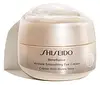
This anti-aging eye moisturizer is formulated around Squalane and Carnosine to soften the look of wrinkles and hydrate skin.
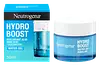
This barrier-repair moisturizer is formulated around Sodium Hyaluronate and Urea to strengthen the skin barrier and hydrate skin.


What's inside
What's inside
 Key Ingredients
Benefits
Concerns
Ingredients Side-by-side
Water
Skin ConditioningHydrogenated Polydecene
EmollientGlycerin
Humectant


Paraffinum Liquidum
Emollient


Petrolatum
Emollient
Butylene Glycol
Humectant
Paraffin
Skin Conditioning
Polyglyceryl-2 Diisostearate
Emulsifying

Squalane
Emollient
Glyceryl Oleate
Emollient

Sodium PCA
Humectant
Glutamic Acid
Humectant
Dipropylene Glycol
HumectantCarnosine
Skin Conditioning
Beeswax
Emulsion Stabilising

Microcrystalline Wax
Emulsion StabilisingSodium Hydroxide
BufferingAlcohol
Antimicrobial

Polyethylene
Abrasive
Methylparaben
Preservative


Tocopheryl Acetate
Antioxidant


Ethylparaben
Preservative
Phytosteryl/Octyldodecyl Lauroyl Glutamate
Skin ConditioningParfum
Masking
Trisodium EDTA
Tocopherol
Antioxidant

Sodium Metabisulfite
Antioxidant
Caffeine
Skin Conditioning
CI 77492
Cosmetic ColorantPEG/PPG-14/7 Dimethyl Ether
Skin ConditioningPPG-3 Dipivalate
Skin ConditioningLinalool
Perfuming
Limonene
Perfuming
Sapindus Mukorossi Peel Extract
Skin ConditioningCitronellol
Perfuming
Uncaria Gambir Extract
AstringentGeraniol
Perfuming
Angelica Keiskei Leaf/Stem Extract
Skin ConditioningAlpha-Isomethyl Ionone
Perfuming
Sanguisorba Officinalis Root Extract
CleansingCrataegus Monogyna Flower Extract
Skin ConditioningCamellia Sinensis Leaf Extract
Antimicrobial

Sodium Acetylated Hyaluronate
Humectant
Hydroxyproline
Skin ConditioningCI 77491
Cosmetic ColorantCitrus Junos Seed Extract
Antioxidant
Cinnamomum Cassia Bark Extract
Masking
Ziziphus Jujuba Fruit Extract
Skin ConditioningChlorella Vulgaris Extract
Skin ConditioningEucheuma Serra/Grateloupia Sparsa/Saccharina Angustata/Ulva Linza/Undaria Pinnatifida Extract
EmollientCarbomer
Emulsion StabilisingSodium Lactate
Buffering
BHT
Antioxidant
Curcuma Longa Rhizome Extract
Skin ConditioningPolysorbate 20
Emulsifying
Saccharina Angustata/Undaria Pinnatifida Extract
EmollientPalmitoyl Tripeptide-1
Skin Conditioning

Palmitoyl Tetrapeptide-7
Skin Conditioning
Water, Hydrogenated Polydecene, Glycerin, Paraffinum Liquidum, Petrolatum, Butylene Glycol, Paraffin, Polyglyceryl-2 Diisostearate, Squalane, Glyceryl Oleate, Sodium PCA, Glutamic Acid, Dipropylene Glycol, Carnosine, Beeswax, Microcrystalline Wax, Sodium Hydroxide, Alcohol, Polyethylene, Methylparaben, Tocopheryl Acetate, Ethylparaben, Phytosteryl/Octyldodecyl Lauroyl Glutamate, Parfum, Trisodium EDTA, Tocopherol, Sodium Metabisulfite, Caffeine, CI 77492, PEG/PPG-14/7 Dimethyl Ether, PPG-3 Dipivalate, Linalool, Limonene, Sapindus Mukorossi Peel Extract, Citronellol, Uncaria Gambir Extract, Geraniol, Angelica Keiskei Leaf/Stem Extract, Alpha-Isomethyl Ionone, Sanguisorba Officinalis Root Extract, Crataegus Monogyna Flower Extract, Camellia Sinensis Leaf Extract, Sodium Acetylated Hyaluronate, Hydroxyproline, CI 77491, Citrus Junos Seed Extract, Cinnamomum Cassia Bark Extract, Ziziphus Jujuba Fruit Extract, Chlorella Vulgaris Extract, Eucheuma Serra/Grateloupia Sparsa/Saccharina Angustata/Ulva Linza/Undaria Pinnatifida Extract, Carbomer, Sodium Lactate, BHT, Curcuma Longa Rhizome Extract, Polysorbate 20, Saccharina Angustata/Undaria Pinnatifida Extract, Palmitoyl Tripeptide-1, Palmitoyl Tetrapeptide-7
Water
Skin ConditioningGlycerin
Humectant
Dimethicone
Emollient
Cetearyl Olivate
Sorbitan Olivate
Emulsifying
Alanine
Masking
Glycine
Buffering
Threonine
Lidocaine Hcl
Serine
Masking
Arginine
Masking
Proline
Skin Conditioning
Allantoin
Skin Conditioning
Maltose
MaskingEthylhexylglycerin
Skin ConditioningCaprylyl Glycol
Emollient
Dimethiconol
Emollient
Pentylene Glycol
Skin Conditioning
Sodium Hyaluronate
Humectant
Fructose
Humectant
Betaine
Humectant
PCA
Humectant
Sodium PCA
Humectant
Urea
Buffering
Glucose
Humectant
Trehalose
Humectant
Sodium Lactate
Buffering
Glutamic Acid
Humectant
Synthetic Beeswax
Emulsion Stabilising
Dimethicone Crosspolymer
Emulsion Stabilising
Polyacrylate Crosspolymer-6
Emulsion StabilisingSodium Chloride
MaskingT-Butyl Alcohol
Perfuming
Citric Acid
Buffering
Sodium Hydroxide
BufferingTocopherol
Antioxidant
Parfum
Masking
CI 42090
Cosmetic ColorantWater, Glycerin, Dimethicone, Cetearyl Olivate, Sorbitan Olivate, Alanine, Glycine, Threonine, Lidocaine Hcl, Serine, Arginine, Proline, Allantoin, Maltose, Ethylhexylglycerin, Caprylyl Glycol, Dimethiconol, Pentylene Glycol, Sodium Hyaluronate, Fructose, Betaine, PCA, Sodium PCA, Urea, Glucose, Trehalose, Sodium Lactate, Glutamic Acid, Synthetic Beeswax, Dimethicone Crosspolymer, Polyacrylate Crosspolymer-6, Sodium Chloride, T-Butyl Alcohol, Citric Acid, Sodium Hydroxide, Tocopherol, Parfum, CI 42090
Reviews
Ingredients Explained
These ingredients are found in both products.
Ingredients higher up in an ingredient list are typically present in a larger amount.
Glutamic Acid is an amino acid that is found in all living organisms. Our bodies use this to help nerve cells in the brain communicate with other cells.
In cosmetics, glutamic acid is a famous humectant. It draws water from the air to your skin, keeping your skin hydrated (like hyaluronic acid).
An in-vitro study from 2024 found glutamic acid to play a role in inhibiting inflammation and thus a potential skin-soothing ingredient.
Other studies show it to be have potential wound healing, skin barrier repair, and hair growth properties.
Glutamic acid has poor solubility in water and other solvents.
Learn more about Glutamic AcidGlycerin (or glycerol) is a compound naturally found in your skin. It's a powerhouse humectant that pulls water into the stratum corneum.
Topically, glycerin does several things at once:
Your skin makes glycerin on its own (mostly from sebaceous oil breakdown) and shuttles it to your outermost layer of skin, or your epidermis, via aquaporin-3.
Aquaporin-3 is a transporter that is essential for normal skin hydration, elasticity, and repair. Interestingly, mice lacking in AQP3 have dry and less elastic skin that can be fully corrected with glycerin.
This ingredient is non-irritating, plays well with almost every ingredient, and works across all skin types. Typical use is anywhere between 3-10% but can go up to 79% in some leave-on products.
Just know very high concentrations (>40%) can feel tacky in low humidity.
Glycerin is the name for this ingredient in American English. British English uses Glycerol/Glycerine.
Learn more about GlycerinParfum is a catch-all term for an ingredient or more that is used to give a scent to products.
Also called "fragrance", this ingredient can be a blend of hundreds of chemicals or plant oils. This means every product with "fragrance" or "parfum" in the ingredients list is a different mixture.
For instance, Habanolide is a proprietary trade name for a specific aroma chemical. When used as a fragrance ingredient in cosmetics, most aroma chemicals fall under the broad labeling category of “FRAGRANCE” or “PARFUM” according to EU and US regulations.
The term 'parfum' or 'fragrance' is not regulated in many countries. In many cases, it is up to the brand to define this term.
For instance, many brands choose to label themselves as "fragrance-free" because they are not using synthetic fragrances. However, their products may still contain ingredients such as essential oils that are considered a fragrance by INCI standards.
One example is Calendula flower extract. Calendula is an essential oil that still imparts a scent or 'fragrance'.
Depending on the blend, the ingredients in the mixture can cause allergies and sensitivities on the skin. Some ingredients that are known EU allergens include linalool and citronellol.
Parfum can also be used to mask or cover an unpleasant scent.
The bottom line is: not all fragrances/parfum/ingredients are created equally. If you are worried about fragrances, we recommend taking a closer look at an ingredient. And of course, we always recommend speaking with a professional.
Learn more about ParfumSodium Hydroxide is also known as lye or caustic soda. It is used to adjust the pH of products; many ingredients require a specific pH to be effective.
In small amounts, sodium hydroxide is considered safe to use. However, large amounts may cause chemical burns due to its high alkaline.
Your skin has a natural pH and acid mantle. This acid mantle helps prevent harmful bacteria from breaking through. The acid mantle also helps keep your skin hydrated.
"Alkaline" refers to a high pH level. A low pH level would be considered acidic.
Learn more about Sodium HydroxideSodium Lactate is the sodium salt of lactic acid, an AHA. It is a humectant and sometimes used to adjust the pH of a product.
This ingredient is part of our skin's NMF, or natural moisturizing factor. Our NMF is essential for the hydration of our top skin layers and plasticity of skin. NMF also influences our skin's natural acid mantle and pH, which protects our skin from harmful bacteria.
High percentages of Sodium Lactate can have an exfoliating effect.
Fun fact: Sodium Lactate is produced from fermented sugar.
Learn more about Sodium LactateSodium PCA (the salt of PCA) is one of the most well-established humectants in skincare.
Why is it so special? Your skin already makes it naturally; it's a natural component of your skin's Natural Moisturizing Factor (NMF), or the mix of water-binding compounds inside your skin cells that keeps things soft and hydrated.
As a cosmetic ingredient, it grabs water and holds it in the upper layers of skin to smooth roughness and ease dehydration.
There's some clinical support for the NMF approach with a study showing that a cream built to mimic the skin's NMF significantly boosted hydration.
Safety-wise, this ingredient non-irritating, non-comedogenic, and non-phototoxic in testing, with minimal skin absorption.
It also works really well with other hydrators like glycerin or hyaluronic acid, and typical usage is somewhere between 0.2-4%.
Learn more about Sodium PCATocopherol is a fat-soluble antioxidant known as Vitamin E.
You'll find this ingredient in the vast majority of skincare (for good reason). It works to neutralize free radicals, or unstable molecules generated by UV exposure, pollution, and other environmental stressors, before they can cause oxidative damage to your skin cells.
Topically applied tocopherol has been shown to protect against UV damage by ramping up the skin's own natural defense enzymes.
It also acts as a skin conditioning agent; some studies show that regular topical use can improve the skin's water-binding capacity over 2-4 weeks.
This ingredient is especially loved for being a team player. When combined with Vitamin C, the photoprotective effect of both ingredients roughly doubles and the combo also helps reduce UV-induced DNA damage.
This ingredient has some brightening potential but it's more of a prevention ingredient than spot-fader. Cell studies show it can slow down melanin production but it's worth noting that it's not the most powerful brightener out there.
In formulations, it also serves as a stabilizer that helps protect other oxidation-prone ingredients from degrading.
Concentrations usually range from 0.1-1% in most leave-on products.
Learn more about TocopherolWater. It's the most common cosmetic ingredient of all. You'll usually see it at the top of ingredient lists, meaning that it makes up the largest part of the product.
So why is it so popular? Water most often acts as a solvent - this means that it helps dissolve other ingredients into the formulation.
You'll also recognize water as that liquid we all need to stay alive. If you see this, drink a glass of water. Remember to stay hydrated!
Learn more about Water


