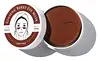
This calming eye mask is formulated around Panax Ginseng Root Extract and Panax Ginseng Berry Extract to calm redness and hydrate skin.
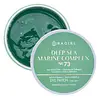
This anti-aging eye mask is formulated around Niacinamide to soften the look of wrinkles.

What's inside
What's inside
 Key Ingredients
Benefits
Concerns
Ingredients Side-by-side
Water
Skin ConditioningGlycerin
Humectant


Carrageenan



Butylene Glycol
Humectant
Panax Ginseng Root Extract
Emollient

Panax Ginseng Berry Extract
Skin Conditioning
Paeonia Lactiflora Root Extract
Skin ConditioningPunica Granatum Fruit Extract
Antioxidant

Rubus Idaeus Fruit Extract
AstringentCornus Officinalis Fruit Extract
Skin ConditioningPrunus Serotina Fruit Extract
MaskingVaccinium Macrocarpon Fruit Extract
AstringentBrassica Napus Extract
Skin ConditioningFreesia Refracta Extract
Skin ConditioningForsythia Suspensa Fruit Extract
Antioxidant
Oenothera Biennis Flower Extract
AstringentCalendula Officinalis Flower Extract
Masking
Lavandula Angustifolia Extract
Skin Conditioning

Monarda Didyma Leaf Extract
Skin ConditioningMentha Piperita Leaf Extract
Skin ConditioningChamomilla Recutita Flower Extract
Masking
Rosmarinus Officinalis Leaf Extract
AntimicrobialSodium Hyaluronate
Humectant

Ceratonia Siliqua Gum
EmollientSucrose
Humectant
PEG-60 Hydrogenated Castor Oil
Emulsifying


Cyamopsis Tetragonoloba Gum
Emulsion StabilisingPotassium Chloride
Calcium Chloride
AstringentAllantoin
Skin Conditioning
Betaine
Humectant
Cellulose Gum
Emulsion StabilisingChondrus Crispus Powder
Abrasive
Ricinus Communis Seed Oil
Masking
Propanediol
Solvent
Pentylene Glycol
Skin Conditioning
Cocos Nucifera Fruit Extract
Emollient
Pinus Sylvestris Leaf Extract
TonicCI 77491
Cosmetic ColorantCalcium Lactate
AstringentSynthetic Fluorphlogopite
CI 77891
Cosmetic ColorantDisodium EDTA
ChelatingDipotassium Glycyrrhizate
Humectant
Titanium/Titanium Dioxide
Cosmetic ColorantCI 77492
Cosmetic ColorantParfum
Masking
Ethyl Hexanediol
Solvent1,2-Hexanediol
Skin Conditioning
Hexylene Glycol
EmulsifyingHydroxyacetophenone
Antioxidant
Chlorphenesin
Antimicrobial
Water, Glycerin, Carrageenan, Butylene Glycol, Panax Ginseng Root Extract, Panax Ginseng Berry Extract, Paeonia Lactiflora Root Extract, Punica Granatum Fruit Extract, Rubus Idaeus Fruit Extract, Cornus Officinalis Fruit Extract, Prunus Serotina Fruit Extract, Vaccinium Macrocarpon Fruit Extract, Brassica Napus Extract, Freesia Refracta Extract, Forsythia Suspensa Fruit Extract, Oenothera Biennis Flower Extract, Calendula Officinalis Flower Extract, Lavandula Angustifolia Extract, Monarda Didyma Leaf Extract, Mentha Piperita Leaf Extract, Chamomilla Recutita Flower Extract, Rosmarinus Officinalis Leaf Extract, Sodium Hyaluronate, Ceratonia Siliqua Gum, Sucrose, PEG-60 Hydrogenated Castor Oil, Cyamopsis Tetragonoloba Gum, Potassium Chloride, Calcium Chloride, Allantoin, Betaine, Cellulose Gum, Chondrus Crispus Powder, Ricinus Communis Seed Oil, Propanediol, Pentylene Glycol, Cocos Nucifera Fruit Extract, Pinus Sylvestris Leaf Extract, CI 77491, Calcium Lactate, Synthetic Fluorphlogopite, CI 77891, Disodium EDTA, Dipotassium Glycyrrhizate, Titanium/Titanium Dioxide, CI 77492, Parfum, Ethyl Hexanediol, 1,2-Hexanediol, Hexylene Glycol, Hydroxyacetophenone, Chlorphenesin
Sea Water Extract
Skin ConditioningGlycerin
Humectant
1,2-Hexanediol
Skin Conditioning
Niacinamide
Smoothing





Butylene Glycol
Humectant
Hydrolyzed Collagen
Emollient
Collagen Amino Acids
Moisturising
Glycine
Buffering
Glutamic Acid
Humectant
Algae Extract
Emollient
Laminaria Japonica Extract
Skin Protecting
Macrocystis Pyrifera Extract
Skin Conditioning
Enteromorpha Compressa Extract
Skin Protecting
Sargassum Fulvellum Extract
Skin ConditioningSpirulina Platensis Extract
Skin ProtectingAspartic Acid
Masking
Lysine
Skin ConditioningHistidine
Humectant
Threonine
Serine
Masking
Proline
Skin Conditioning
Alanine
Masking
Valine
MaskingMethionine
Skin ConditioningIsoleucine
Skin ConditioningLeucine
Skin ConditioningTyrosine
MaskingPhenylalanine
Masking
Cysteine
Antioxidant
Sh-Oligopeptide-1
Skin Conditioning
Sh-Oligopeptide-2
Skin Conditioning
Sh-Polypeptide-1
Skin Conditioning
Sh-Polypeptide-22
Skin Conditioning
Carrageenan
Glucomannan
Skin ConditioningWater
Skin ConditioningCeratonia Siliqua Gum
EmollientEthyl Hexanediol
SolventHexylene Glycol
EmulsifyingPentylene Glycol
Skin Conditioning
Propanediol
Solvent
Polyglyceryl-10 Laurate
Skin Conditioning
Calcium Chloride
AstringentCyamopsis Tetragonoloba Gum
Emulsion StabilisingAllantoin
Skin Conditioning
Pinus Sylvestris Leaf Extract
TonicSucrose
Humectant
Hydroxyacetophenone
Antioxidant
Gellan Gum
Adenosine
Skin Conditioning
Arginine
Masking
Illicium Verum Fruit Extract
Perfuming
Disodium EDTA
ChelatingDipotassium Glycyrrhizate
Humectant
Propylene Glycol
Humectant
Ethylhexylglycerin
Skin ConditioningPolysorbate 80
Emulsifying
Caprylyl Glycol
Emollient
Chlorophyllin-Copper Complex
Antioxidant
Dipropylene Glycol
HumectantChlorphenesin
Antimicrobial
Parfum
Masking
Sea Water Extract, Glycerin, 1,2-Hexanediol, Niacinamide, Butylene Glycol, Hydrolyzed Collagen, Collagen Amino Acids, Glycine, Glutamic Acid, Algae Extract, Laminaria Japonica Extract, Macrocystis Pyrifera Extract, Enteromorpha Compressa Extract, Sargassum Fulvellum Extract, Spirulina Platensis Extract, Aspartic Acid, Lysine, Histidine, Threonine, Serine, Proline, Alanine, Valine, Methionine, Isoleucine, Leucine, Tyrosine, Phenylalanine, Cysteine, Sh-Oligopeptide-1, Sh-Oligopeptide-2, Sh-Polypeptide-1, Sh-Polypeptide-22, Carrageenan, Glucomannan, Water, Ceratonia Siliqua Gum, Ethyl Hexanediol, Hexylene Glycol, Pentylene Glycol, Propanediol, Polyglyceryl-10 Laurate, Calcium Chloride, Cyamopsis Tetragonoloba Gum, Allantoin, Pinus Sylvestris Leaf Extract, Sucrose, Hydroxyacetophenone, Gellan Gum, Adenosine, Arginine, Illicium Verum Fruit Extract, Disodium EDTA, Dipotassium Glycyrrhizate, Propylene Glycol, Ethylhexylglycerin, Polysorbate 80, Caprylyl Glycol, Chlorophyllin-Copper Complex, Dipropylene Glycol, Chlorphenesin, Parfum
Reviews
Ingredients Explained
These ingredients are found in both products.
Ingredients higher up in an ingredient list are typically present in a larger amount.
1,2-Hexanediol is a synthetic liquid and another multi-functional powerhouse.
It is a:
- Humectant, drawing moisture into the skin
- Emollient, helping to soften skin
- Solvent, dispersing and stabilizing formulas
- Preservative booster, enhancing the antimicrobial activity of other preservatives
Allantoin is a soothing ingredient known for its protective and moisturizing properties; it's basically a quiet workhorse ingredient you can find in a huge range of cosmetics.
Though it can be derived from the comfrey plant, allantoin is produced synthetically for cosmetic products to ensure purity.
Research shows it can encourage your skin cells to turn over and renew by stimulating keratinocyte and fibroblast proliferation.
It also has mild keratolytic properties to help loosen and shed dead skin cells without being harsh.
Studies also suggest allantoin can help calm inflammation by dialing down some of the chemical signals your skin sends out when it is irritated.
This ingredient is typically used in the 0.1-0.5% range, and the FDA recognizes it as a skin protectant in OTC products up to 2%.
Overall, allantoin is a wonderful addition to most routines; it is stable across a wide pH range (~4-8), works well with other ingredients, and is considered non-sensitizing/non-irritating.
Fun fact: Allantoin is naturally occurring in comfrey root, beets, chamomile, and wheat sprouts. Our bodies even produce it as a byproduct of uric acid metabolism.
Learn more about AllantoinButylene Glycol (or BG) is used within cosmetic products for a few different reasons:
Overall, Butylene Glycol is a safe and well-rounded ingredient that works well with other ingredients.
Though this ingredient works well with most skin types, some people with sensitive skin may experience a reaction such as allergic rashes, closed comedones, or itchiness.
Learn more about Butylene GlycolCalcium chloride is a white, odorless, crystalline solid. It is an astringent and can be used to change the viscosity of products.
This ingredient is highly soluble in water, acetic acid, and ethanol.
There are many forms of this ingredient, including monohydrate, dihydrate, tetrahydrate, and hexahydrate.
Learn more about Calcium ChlorideCarrageenan is a gel-forming sugar chain pulled out of red seaweed. In skincare, it's a texture ingredient rather than an active that:
Formulators typically use it around 0.1-2% but go up to 5% in thick gel masks or toothpaste-style products.
It's a very large molecule that doesn't meaningfully get through intact skin and the CIR Expert Panel has concluded it's safe at current use levels.
True allergy is rare and there are only two published cases from internal/mucosal exposure rather than anything topical. Most of the scary internet content about Carrageenan is actually about poligeenan (also called "degraded carrageenan").
Poligeenan is a deliberately acid-broken down version that isn't food or cosmetic grade.
Learn more about CarrageenanCeratonia Siliqua Gum is extracted from the seeds of the carob tree. You might know this ingredient as Carob Gum or Locust Bean Gum. It is used to stabilize other ingredients and improve the texture of products.
Carob gum is made up of long-chain polysaccharides. This makes it a natural thickener.
Yes! This ingredient comes from the seeds of a tree. The name 'Locust Bean Gum' can be misleading.
Learn more about Ceratonia Siliqua GumChlorphenesin is a synthetic preservative. It helps protect a product against bacteria in order to extend shelf life. In most cases, Chlorphenesin is paired with other preservatives such as phenoxyethanol and caprylyl glycol.
Chlorphenesin is a biocide. This means it is able to help fight the microorganisms on our skin. It is also able to fight odor-releasing bacteria.
Chlorphenesin is soluble in both water and glycerin.
Studies show Chlorphenesin is easily absorbed by our skin. You should speak with a skincare professional if you have concerns about using Chlorphenesin.
Learn more about ChlorphenesinGuar gum is made from the guar bean, a plant native to India. It is considered a form of polysaccharide and naturally contains sugar.
This ingredient is often used to thicken a product or create a gel-like consistency.
It also has emulsion properties to help keep ingredients together.
Learn more about Cyamopsis Tetragonoloba GumDipotassium Glycyrrhizate comes from licorice root.
Extracts of licorice have demonstrated to have antibacterial, anti‐inflammatory, antiviral, antioxidant properties.
One component, glabridin, has extra potent antioxidant and soothing properties. It has also been found to block pigmentation from UVB rays in guinea pigs.
Licorice Root also contains a flavonoid. Flavonoids are a natural substance from in plants. Flavonoids also have antioxidant properties.
Another component, glycyrrhizin, has been found to have anti-inflammatory and antimicrobial benefits. This may make licorice root extract effective at treating acne. However, more research is needed to support this.
Liquiritin is one of the flavone compounds found in licorice. It has been found to help lighten skin by preventing tyrosinase from reacting with tyrosine. When the two react, protein is converted to melanin. Melanin is the substance in your body that gives your features pigmentation.
Licorice root is native to Southern Europe and Asia. It has been used in traditional Chinese medicine to help with respiratory issues.
Learn more about Dipotassium GlycyrrhizateDisodium EDTA is a chelating agent. It grabs onto and deactivates metal ions that sneak into your products from water, packaging, or air.
This ingredient mainly works behind the scenes and helps with:
On top of that, this ingredient can counteract the effects of hard water by binding to the minerals in it.
One thing worth knowing is that Disodium EDTA has been shown to be a mild penetration enhancer. It can help other ingredients absorb into skin more effectively which can be a double-edged sword (great for actives, but can also make the active too strong if you have sensitive skin).
Clinical patch testing showed no significant skin irritation at typical use concentrations and minimal dermal absorption.
You'll most likely see this ingredient near the end of an ingredient list. It's typically found in concentrations less than 1%.
Learn more about Disodium EDTAEthyl Hexanediol is an aliphatic alcohol. It is a solvent.
Solvents are used to keep ingredients together in a product. They can help dissolve ingredients to stable bases or help evenly distribute ingredients throughout the product.
Glycerin (or glycerol) is a compound naturally found in your skin. It's a powerhouse humectant that pulls water into the stratum corneum.
Topically, glycerin does several things at once:
Your skin makes glycerin on its own (mostly from sebaceous oil breakdown) and shuttles it to your outermost layer of skin, or your epidermis, via aquaporin-3.
Aquaporin-3 is a transporter that is essential for normal skin hydration, elasticity, and repair. Interestingly, mice lacking in AQP3 have dry and less elastic skin that can be fully corrected with glycerin.
This ingredient is non-irritating, plays well with almost every ingredient, and works across all skin types. Typical use is anywhere between 3-10% but can go up to 79% in some leave-on products.
Just know very high concentrations (>40%) can feel tacky in low humidity.
Glycerin is the name for this ingredient in American English. British English uses Glycerol/Glycerine.
Learn more about GlycerinHexylene Glycol is a multitasker ingredient that works as a solvent, humectant, emulsifier, viscosity reducer, and preservative booster.
It is able to dissolve both water and oil-soluble ingredients to stabilize tricky actives and make products spread more easily.
As a humectant, it pulls water into the skin. But it's a pretty minor moisturizing ingredient compared to other humectants, like glycerin.
Interestingly, it can act as a mild penetration enhancer. One in vitro study on human skin found a 12% concentration upped the absorption of mometasone furoate (a medicinal ingredient used to treat inflammatory skin conditions) up to 7%.
This ingredient is typically used at levels of 0.1-10% depending on the role it's playing.
A patch test study on eczema patients didn't find a significant increase in irritation versus the control group, but the potential for irritation rises at higher concentrations.
Learn more about Hexylene GlycolHydroxyacetophenone is a small phenolic molecule that earns its place in a formulas as an antioxidant and preservative booster.
As a phenol, it is able to neutralize free radicals to protect both the product and the skin from oxidative stress.
Though it can't kill microbes on its own, it works as a good supporting agent when combined with other preservatives like Phenoxyethanol or 1,2-Hexanediol.
This ingredient naturally occurs as piceol in Norwegian spruce needles (~0.4-1.1% dry weight and in cloudberries). Though the cosmetic-grade material is synthesized for purity and consistency.
You'll usually see it used at low levels and suppliers recommend up to 1% added to a water phase.
Safety testing was done at concentrations like 0.05% in SPF products and 0.5% in a Human Repeated Insult Patch Test. The safety evidence is assuring; this ingredient is safe for cosmetics in current use and also holds safety status as a food flavoring as well.
An honest caveat: the "soothing" and "anti-inflammatory" claims come mostly from supplier marketing rather than published clinical trials. The Cosmetic Ingredient Review's own literature search found no useful efficacy studies on this ingredient.
So the antioxidant and preservative-boosting roles are the well supported ones while the calming benefit is plausible but thinly evidenced.
Overall, this is a well-tolerated, low-irritation multitasker that quietly helps a formula stay fresh and stable.
Learn more about HydroxyacetophenoneParfum is a catch-all term for an ingredient or more that is used to give a scent to products.
Also called "fragrance", this ingredient can be a blend of hundreds of chemicals or plant oils. This means every product with "fragrance" or "parfum" in the ingredients list is a different mixture.
For instance, Habanolide is a proprietary trade name for a specific aroma chemical. When used as a fragrance ingredient in cosmetics, most aroma chemicals fall under the broad labeling category of “FRAGRANCE” or “PARFUM” according to EU and US regulations.
The term 'parfum' or 'fragrance' is not regulated in many countries. In many cases, it is up to the brand to define this term.
For instance, many brands choose to label themselves as "fragrance-free" because they are not using synthetic fragrances. However, their products may still contain ingredients such as essential oils that are considered a fragrance by INCI standards.
One example is Calendula flower extract. Calendula is an essential oil that still imparts a scent or 'fragrance'.
Depending on the blend, the ingredients in the mixture can cause allergies and sensitivities on the skin. Some ingredients that are known EU allergens include linalool and citronellol.
Parfum can also be used to mask or cover an unpleasant scent.
The bottom line is: not all fragrances/parfum/ingredients are created equally. If you are worried about fragrances, we recommend taking a closer look at an ingredient. And of course, we always recommend speaking with a professional.
Learn more about ParfumPentylene Glycol (1,2-pentanediol) is a multitasking little diol with three main roles in a formula:
Research on alkanediols (the family pentylene glycol belongs to) show they work by disrupting microbial cell membranes. This disruption helps the primary preservative system in a product work more effectively at lower doses.
On the safety side, the Cosmetic Ingredient Review Expert Panel has concluded this ingredient to be safe as used in current cosmetic practices + concentrations.
Typical use levels in a formula run about 1-5%.
Learn more about Pentylene GlycolWe don't have a description for Pinus Sylvestris Leaf Extract yet.
Propanediol is an all-star ingredient. It softens, hydrates, and smooths the skin.
It’s often used to:
Propanediol is not likely to cause sensitivity and considered safe to use. It is derived from corn or petroleum with a clear color and no scent.
Learn more about PropanediolSucrose is a natural sugar found in fruits, vegetables, and nuts. It is the main constituent of white sugar.
In skincare, sucrose is a humectant and can be a mild exfoliant.
Sucrose is hydrophilic, meaning it attracts water. This makes it an effective humectant and helps hydrate the skin.
Studies show sugars may worsen acne-prone skin due to it disrupting the skin's natural biome. We recommend speaking with a professional if you have any concerns.
In some products such as body scrubs, sucrose is used as an gentle exfoliant.
The term 'sucrose' comes from the french word for sugar, 'sucre'.
Learn more about SucroseWater. It's the most common cosmetic ingredient of all. You'll usually see it at the top of ingredient lists, meaning that it makes up the largest part of the product.
So why is it so popular? Water most often acts as a solvent - this means that it helps dissolve other ingredients into the formulation.
You'll also recognize water as that liquid we all need to stay alive. If you see this, drink a glass of water. Remember to stay hydrated!
Learn more about Water

