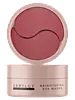
This brightening eye mask is formulated around Caffeine and Niacinamide to brighten dull-looking skin and soften the look of wrinkles.
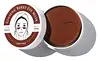
This calming eye mask is formulated around Panax Ginseng Root Extract and Panax Ginseng Berry Extract to calm redness and hydrate skin.


What's inside
What's inside
 Key Ingredients
Benefits
Concerns
Ingredients Side-by-side
Water
Skin ConditioningGlycerin
Humectant


Dipropylene Glycol
Humectant1,2-Hexanediol
Skin Conditioning
Ceratonia Siliqua Gum
EmollientChondrus Crispus Extract
Skin Conditioning


Betaine
Humectant
Chondrus Crispus Powder
Abrasive
Cellulose Gum
Emulsion StabilisingHyaluronic Acid
Humectant

Caffeine
Skin Conditioning
Niacinamide
Smoothing






Palmitoyl Tripeptide-5
Skin Conditioning
Acetyl Tetrapeptide-5
Humectant
Aloe Barbadensis Leaf Extract
Emollient
Vaccinium Angustifolium Fruit Extract
Skin Protecting
Citrullus Lanatus Fruit Extract
Skin Conditioning
Glycyrrhiza Glabra Root Extract
Bleaching
Cucumis Sativus Fruit Extract
Emollient
Lycium Chinense Fruit Extract
Antioxidant
Laminaria Japonica Extract
Skin Protecting
Helianthus Annuus Seed Oil
Emollient


Hizikia Fusiforme Extract
Skin Conditioning
Anthemis Nobilis Flower Extract
Masking
Gelidium Cartilagineum Extract
Skin ProtectingSalicornia Herbacea Extract
Skin ConditioningMica
Cosmetic ColorantSodium Polyacrylate
Absorbent
Potassium Chloride
Butylene Glycol
Humectant
Hydrogenated Polydecene
EmollientSucrose
Humectant
Polysorbate 20
Emulsifying
Ethylhexylglycerin
Skin ConditioningSynthetic Fluorphlogopite
CI 77891
Cosmetic ColorantTrideceth-6
EmulsifyingDisodium EDTA
ChelatingPhenoxyethanol
Preservative
CI 77491
Cosmetic ColorantWater, Glycerin, Dipropylene Glycol, 1,2-Hexanediol, Ceratonia Siliqua Gum, Chondrus Crispus Extract, Betaine, Chondrus Crispus Powder, Cellulose Gum, Hyaluronic Acid, Caffeine, Niacinamide, Palmitoyl Tripeptide-5, Acetyl Tetrapeptide-5, Aloe Barbadensis Leaf Extract, Vaccinium Angustifolium Fruit Extract, Citrullus Lanatus Fruit Extract, Glycyrrhiza Glabra Root Extract, Cucumis Sativus Fruit Extract, Lycium Chinense Fruit Extract, Laminaria Japonica Extract, Helianthus Annuus Seed Oil, Hizikia Fusiforme Extract, Anthemis Nobilis Flower Extract, Gelidium Cartilagineum Extract, Salicornia Herbacea Extract, Mica, Sodium Polyacrylate, Potassium Chloride, Butylene Glycol, Hydrogenated Polydecene, Sucrose, Polysorbate 20, Ethylhexylglycerin, Synthetic Fluorphlogopite, CI 77891, Trideceth-6, Disodium EDTA, Phenoxyethanol, CI 77491
Water
Skin ConditioningGlycerin
Humectant
Carrageenan

Butylene Glycol
Humectant
Panax Ginseng Root Extract
Emollient
Panax Ginseng Berry Extract
Skin Conditioning
Paeonia Lactiflora Root Extract
Skin ConditioningPunica Granatum Fruit Extract
Antioxidant
Rubus Idaeus Fruit Extract
AstringentCornus Officinalis Fruit Extract
Skin ConditioningPrunus Serotina Fruit Extract
MaskingVaccinium Macrocarpon Fruit Extract
AstringentBrassica Napus Extract
Skin ConditioningFreesia Refracta Extract
Skin ConditioningForsythia Suspensa Fruit Extract
Antioxidant
Oenothera Biennis Flower Extract
AstringentCalendula Officinalis Flower Extract
Masking
Lavandula Angustifolia Extract
Skin Conditioning

Monarda Didyma Leaf Extract
Skin ConditioningMentha Piperita Leaf Extract
Skin ConditioningChamomilla Recutita Flower Extract
Masking
Rosmarinus Officinalis Leaf Extract
AntimicrobialSodium Hyaluronate
Humectant
Ceratonia Siliqua Gum
EmollientSucrose
Humectant
PEG-60 Hydrogenated Castor Oil
Emulsifying
Cyamopsis Tetragonoloba Gum
Emulsion StabilisingPotassium Chloride
Calcium Chloride
AstringentAllantoin
Skin Conditioning
Betaine
Humectant
Cellulose Gum
Emulsion StabilisingChondrus Crispus Powder
Abrasive
Ricinus Communis Seed Oil
Masking
Propanediol
Solvent
Pentylene Glycol
Skin Conditioning
Cocos Nucifera Fruit Extract
Emollient
Pinus Sylvestris Leaf Extract
TonicCI 77491
Cosmetic ColorantCalcium Lactate
AstringentSynthetic Fluorphlogopite
CI 77891
Cosmetic ColorantDisodium EDTA
ChelatingDipotassium Glycyrrhizate
Humectant
Titanium/Titanium Dioxide
Cosmetic ColorantCI 77492
Cosmetic ColorantParfum
Masking
Ethyl Hexanediol
Solvent1,2-Hexanediol
Skin Conditioning
Hexylene Glycol
EmulsifyingHydroxyacetophenone
Antioxidant
Chlorphenesin
Antimicrobial
Water, Glycerin, Carrageenan, Butylene Glycol, Panax Ginseng Root Extract, Panax Ginseng Berry Extract, Paeonia Lactiflora Root Extract, Punica Granatum Fruit Extract, Rubus Idaeus Fruit Extract, Cornus Officinalis Fruit Extract, Prunus Serotina Fruit Extract, Vaccinium Macrocarpon Fruit Extract, Brassica Napus Extract, Freesia Refracta Extract, Forsythia Suspensa Fruit Extract, Oenothera Biennis Flower Extract, Calendula Officinalis Flower Extract, Lavandula Angustifolia Extract, Monarda Didyma Leaf Extract, Mentha Piperita Leaf Extract, Chamomilla Recutita Flower Extract, Rosmarinus Officinalis Leaf Extract, Sodium Hyaluronate, Ceratonia Siliqua Gum, Sucrose, PEG-60 Hydrogenated Castor Oil, Cyamopsis Tetragonoloba Gum, Potassium Chloride, Calcium Chloride, Allantoin, Betaine, Cellulose Gum, Chondrus Crispus Powder, Ricinus Communis Seed Oil, Propanediol, Pentylene Glycol, Cocos Nucifera Fruit Extract, Pinus Sylvestris Leaf Extract, CI 77491, Calcium Lactate, Synthetic Fluorphlogopite, CI 77891, Disodium EDTA, Dipotassium Glycyrrhizate, Titanium/Titanium Dioxide, CI 77492, Parfum, Ethyl Hexanediol, 1,2-Hexanediol, Hexylene Glycol, Hydroxyacetophenone, Chlorphenesin
Reviews
Ingredients Explained
These ingredients are found in both products.
Ingredients higher up in an ingredient list are typically present in a larger amount.
1,2-Hexanediol is a synthetic liquid and another multi-functional powerhouse.
It is a:
- Humectant, drawing moisture into the skin
- Emollient, helping to soften skin
- Solvent, dispersing and stabilizing formulas
- Preservative booster, enhancing the antimicrobial activity of other preservatives
Betaine is a humectant. Like hyaluronic acid, it helps attract and retain moisture in the skin. It’s known for being gentle and for helping the skin maintain balanced hydration.
Betaine is mainly used to improve hydration and support calmer skin. It helps skin cells regulate water balance because it functions as an osmolyte.
Some studies suggest betaine may support making skin tone more even.
Fun fact: Betaine naturally exists in the skin and the body. In cosmetic products, it can be either plant-derived (most commonly from sugar beets) or synthetically produced for consistency and stability.
Betaine is also known as trimethylglycine.
Learn more about BetaineButylene Glycol (or BG) is used within cosmetic products for a few different reasons:
Overall, Butylene Glycol is a safe and well-rounded ingredient that works well with other ingredients.
Though this ingredient works well with most skin types, some people with sensitive skin may experience a reaction such as allergic rashes, closed comedones, or itchiness.
Learn more about Butylene GlycolCellulose Gum is a water-soluble polymer that comes from cellulose. It is used to change the texture of a product and to help stabilize emulsions.
As an emulsifier, cellulose gum specifically thicken the texture of water-based products.
This ingredient is considered hypoallergenic and non-toxic. Cellulose Gum can be found in cosmetics, food, and other household goods such as paper products.
Learn more about Cellulose GumCeratonia Siliqua Gum is extracted from the seeds of the carob tree. You might know this ingredient as Carob Gum or Locust Bean Gum. It is used to stabilize other ingredients and improve the texture of products.
Carob gum is made up of long-chain polysaccharides. This makes it a natural thickener.
Yes! This ingredient comes from the seeds of a tree. The name 'Locust Bean Gum' can be misleading.
Learn more about Ceratonia Siliqua GumChondrus Crispus Powder is just Irish moss, a red seaweed harvested, dried, and ground into a fine powder. Because it's the whole plant rather than a liquid extract, it has an official INCI job as an "abrasive".
This ingredient also happens to be loaded with carrageenan, a sugar-based polysaccharide, that allows it to double as a thickener and light hydrator.
Real world concentration is low; industry surveys report a maximum of 0.1% across 63 leave-on products.
The Cosmetic Ingredient Review Expert Panel reviewed it in 2021 and concluded it's safe at current use levels and every human sensitization study on it came back negative.
Allergy risk is very low with no documented pattern of reactions but anyone with a known seaweed or iodine sensitivity may want to patch test since dried Chondrus crispus does carry a small amount of natural iodine.
Learn more about Chondrus Crispus PowderCi 77491 is also hydrated iron III oxide. It's sole purpose is to give a red/pink hue to products.
Iron III oxides are classified as inorganic chemicals for coloring.
Synthetically created Ci 77491 is considered safer than those naturally found. This is because the synthetically created version may contain less impurities. Iron oxides are generally non-toxic and non-allergenic.
Learn more about CI 77491Ci 77891 is a white pigment from Titanium dioxide. It is naturally found in minerals such as rutile and ilmenite.
It's main function is to add a white color to cosmetics. It can also be mixed with other colors to create different shades.
Ci 77891 is commonly found in sunscreens due to its ability to block UV rays.
Learn more about CI 77891Disodium EDTA is a chelating agent. It grabs onto and deactivates metal ions that sneak into your products from water, packaging, or air.
This ingredient mainly works behind the scenes and helps with:
On top of that, this ingredient can counteract the effects of hard water by binding to the minerals in it.
One thing worth knowing is that Disodium EDTA has been shown to be a mild penetration enhancer. It can help other ingredients absorb into skin more effectively which can be a double-edged sword (great for actives, but can also make the active too strong if you have sensitive skin).
Clinical patch testing showed no significant skin irritation at typical use concentrations and minimal dermal absorption.
You'll most likely see this ingredient near the end of an ingredient list. It's typically found in concentrations less than 1%.
Learn more about Disodium EDTAGlycerin (or glycerol) is a compound naturally found in your skin. It's a powerhouse humectant that pulls water into the stratum corneum.
Topically, glycerin does several things at once:
Your skin makes glycerin on its own (mostly from sebaceous oil breakdown) and shuttles it to your outermost layer of skin, or your epidermis, via aquaporin-3.
Aquaporin-3 is a transporter that is essential for normal skin hydration, elasticity, and repair. Interestingly, mice lacking in AQP3 have dry and less elastic skin that can be fully corrected with glycerin.
This ingredient is non-irritating, plays well with almost every ingredient, and works across all skin types. Typical use is anywhere between 3-10% but can go up to 79% in some leave-on products.
Just know very high concentrations (>40%) can feel tacky in low humidity.
Glycerin is the name for this ingredient in American English. British English uses Glycerol/Glycerine.
Learn more about GlycerinWe don't have a description for Potassium Chloride yet.
Sucrose is a natural sugar found in fruits, vegetables, and nuts. It is the main constituent of white sugar.
In skincare, sucrose is a humectant and can be a mild exfoliant.
Sucrose is hydrophilic, meaning it attracts water. This makes it an effective humectant and helps hydrate the skin.
Studies show sugars may worsen acne-prone skin due to it disrupting the skin's natural biome. We recommend speaking with a professional if you have any concerns.
In some products such as body scrubs, sucrose is used as an gentle exfoliant.
The term 'sucrose' comes from the french word for sugar, 'sucre'.
Learn more about SucroseSynthetic Fluorphlogopite is the synthethic version of mica. It consists of fluorine, aluminum and silicate.
Synthetic Fluorphlogopite is used to add volume to products.
It is considered non-irritating on the skin.
Learn more about Synthetic FluorphlogopiteWater. It's the most common cosmetic ingredient of all. You'll usually see it at the top of ingredient lists, meaning that it makes up the largest part of the product.
So why is it so popular? Water most often acts as a solvent - this means that it helps dissolve other ingredients into the formulation.
You'll also recognize water as that liquid we all need to stay alive. If you see this, drink a glass of water. Remember to stay hydrated!
Learn more about Water

