

What's inside
What's inside
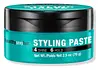 Key Ingredients
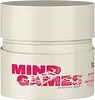
No key ingredients
Benefits
Concerns
Ingredients Side-by-side
Water
Skin ConditioningBis-Diglyceryl Polyacyladipate-2
Emollient


Propylene Glycol
Humectant
Oleyl Alcohol
Emollient




Stearyl Alcohol
Emollient
Isopropyl Palmitate
Emollient
Neopentyl Glycol Dicaprate
EmollientHydrogenated Castor Oil
Emollient
Euphorbia Cerifera Wax
Beeswax
Emulsion Stabilising
Ceteareth-25
CleansingPEG-8 Beeswax
Emulsifying
Pvp
Emulsion StabilisingPEG-40 Hydrogenated Castor Oil
Emulsifying
Cetyl Acetate
Emollient
C18-36 Acid Triglyceride
EmollientPhenyl Trimethicone
Skin Conditioning
Tribehenin
Emollient
Parfum
Masking
Vp/Va Copolymer
Acrylates/C10-30 Alkyl Acrylate Crosspolymer
Emulsion StabilisingAcetylated Lanolin Alcohol
Emollient
Aminomethyl Propanol
BufferingDisodium EDTA
ChelatingButylene Glycol
Humectant
Acacia Dealbata Flower Extract
Skin ConditioningCysteine
Antioxidant
Glycerin
Humectant
Chamomilla Recutita Flower Extract
Masking

Achillea Millefolium Extract
CleansingCymbopogon Schoenanthus Extract
Skin ConditioningHumulus Lupulus Extract
AntimicrobialMelissa Officinalis Leaf Extract
Skin ConditioningRosmarinus Officinalis Leaf Extract
AntimicrobialTheobroma Cacao Extract
Skin ConditioningMoonstone Extract
Skin ConditioningCitric Acid
Buffering

Phenoxyethanol
Preservative
Methylparaben
Preservative

Propylparaben
Preservative
Sodium Benzoate
Masking
Limonene
Perfuming
Linalool
Perfuming
Citronellol
Perfuming
Water, Bis-Diglyceryl Polyacyladipate-2, Propylene Glycol, Oleyl Alcohol, Stearyl Alcohol, Isopropyl Palmitate, Neopentyl Glycol Dicaprate, Hydrogenated Castor Oil, Euphorbia Cerifera Wax, Beeswax, Ceteareth-25, PEG-8 Beeswax, Pvp, PEG-40 Hydrogenated Castor Oil, Cetyl Acetate, C18-36 Acid Triglyceride, Phenyl Trimethicone, Tribehenin, Parfum, Vp/Va Copolymer, Acrylates/C10-30 Alkyl Acrylate Crosspolymer, Acetylated Lanolin Alcohol, Aminomethyl Propanol, Disodium EDTA, Butylene Glycol, Acacia Dealbata Flower Extract, Cysteine, Glycerin, Chamomilla Recutita Flower Extract, Achillea Millefolium Extract, Cymbopogon Schoenanthus Extract, Humulus Lupulus Extract, Melissa Officinalis Leaf Extract, Rosmarinus Officinalis Leaf Extract, Theobroma Cacao Extract, Moonstone Extract, Citric Acid, Phenoxyethanol, Methylparaben, Propylparaben, Sodium Benzoate, Limonene, Linalool, Citronellol
Water
Skin ConditioningStearyl Alcohol
Emollient
Bis-Diglyceryl Polyacyladipate-2
Emollient
Hydrogenated Castor Oil
Emollient
Oleyl Alcohol
Emollient
Propylene Glycol
Humectant
Beeswax
Emulsion Stabilising
Euphorbia Cerifera Wax
Pvp
Emulsion StabilisingCopernicia Cerifera Wax
Ceteareth-25
CleansingIsopropyl Myristate
Emollient
PEG-40 Castor Oil
Emulsifying
PEG-8 Beeswax
Emulsifying
Vp/Va Copolymer
Dipentaerythrityl Hexacaprylate/Hexacaprate
EmulsifyingCetyl Acetate
Emollient
Tridecyl Trimellitate
EmollientParfum
Masking
Phenoxyethanol
Preservative
Phenyl Trimethicone
Skin Conditioning
Triethanolamine
BufferingAcrylates/C10-30 Alkyl Acrylate Crosspolymer
Emulsion StabilisingCorallina Officinalis Extract
Skin Conditioning
Tridecyl Stearate
Emollient
Acetylated Lanolin Alcohol
Emollient
Neopentyl Glycol Dicaprylate/Dicaprate
EmollientTetrasodium EDTA
ChelatingPEG-4 Dilaurate
Emulsifying
PEG-4 Laurate
Emulsifying
Iodopropynyl Butylcarbamate
Preservative
PEG-4
HumectantIsopropyl Alcohol
Solvent

Laurtrimonium Chloride
Emulsifying
Glycerin
Humectant
Alpha-Isomethyl Ionone
Perfuming
Benzyl Salicylate
Perfuming
Coumarin
Perfuming
Hexyl Cinnamal
Perfuming
Limonene
Perfuming
Linalool
Perfuming
Water, Stearyl Alcohol, Bis-Diglyceryl Polyacyladipate-2, Hydrogenated Castor Oil, Oleyl Alcohol, Propylene Glycol, Beeswax, Euphorbia Cerifera Wax, Pvp, Copernicia Cerifera Wax, Ceteareth-25, Isopropyl Myristate, PEG-40 Castor Oil, PEG-8 Beeswax, Vp/Va Copolymer, Dipentaerythrityl Hexacaprylate/Hexacaprate, Cetyl Acetate, Tridecyl Trimellitate, Parfum, Phenoxyethanol, Phenyl Trimethicone, Triethanolamine, Acrylates/C10-30 Alkyl Acrylate Crosspolymer, Corallina Officinalis Extract, Tridecyl Stearate, Acetylated Lanolin Alcohol, Neopentyl Glycol Dicaprylate/Dicaprate, Tetrasodium EDTA, PEG-4 Dilaurate, PEG-4 Laurate, Iodopropynyl Butylcarbamate, PEG-4, Isopropyl Alcohol, Laurtrimonium Chloride, Glycerin, Alpha-Isomethyl Ionone, Benzyl Salicylate, Coumarin, Hexyl Cinnamal, Limonene, Linalool
Ingredients Explained
These ingredients are found in both products.
Ingredients higher up in an ingredient list are typically present in a larger amount.
Lanolin is the waxy stuff that sheep make to waterproof their wool, and Acetylated Lanolin Alcohol is one of its refine spin-offs.
It's basically the alcohol fraction of lanolin that gets reacted with acetic acid (the same acid in vinegar). This turns the stuff, sticky wax into a light, slippery oil.
In cosmetics, this ingredient is used as an emollient and occlusive that softens skin, spreads pigment nicely, and slows water loss.
The Cosmetic Ingredient Review panel has cleared it as safe up to 16% and you'll usually see it well under that in leave-on skincare.
There's no direct study on this ingredient for fungal acne, but you may want to avoid this ingredient if you have been diagnosed. This is because the Malassezia yeast can't build its own fatty acids and has to scavenge them from skin lipids. Lanolin-derived materials are long-chain esters that the yeast's lipases could in principle break down.
This ingredient has tested to be non-sensitizing in animal studies with only a low incidence of reactions across decades of widespread human use. People with already-compromised skin or lanolin allergies should patch-test because that's where the risk concentrates.
Old rabbit-ear testing scored it 4-5/5 for pore-clogging at full strength and at 50%, but only 1 once diluted to 2.5%.
Human testing later showed that finished products containing "comedogenic" ingredients aren't necessarily comedogenic themselves. Just remember that concentration and formulation matter far more than the ingredient's presence on the label.
Learn more about Acetylated Lanolin AlcoholAcrylates/C10-30 Alkyl Acrylate Crosspolymer is a synthetic polymer. It is used to thicken, emulsify, and improve the texture of products.
As an emulsifier, it helps stabilize oil-in-water emulsions to give products an elegant feel when applied.
It can also form a thin protective film on skin. One study found that a formula using this polymer helped slow down how quickly other ingredients (like DEET) were absorbed through skin.
A 2024 study of over 1,300 patients confirmed that sensitization to this ingredient is rare. It is also non-mutagenic and has a clean track record.
Learn more about Acrylates/C10-30 Alkyl Acrylate CrosspolymerBeeswax is natural wax produced by honey bees to build their honeycomb.
Because it forms a protective layer on your skin, it can help lock in moisture and reduce water loss. It is also widely used as a thickener and emulsifier in lip balms and lotions. Research suggests beeswax containing moisturizers can support skin barrier integrity.
In comedogenic testing, Beeswax scored a 0-2, which is on the low end. Whether or not a product clogs your pores really comes down to the formula as a whole (not any single ingredient on its own) and your skin.
Cera Alba is the white, bleached form of this ingredient.
Just so you know, beeswax is not vegan since it is animal-derived. It cannot be removed with water, but can be taken off with an oil cleanser.
People with a known Propolis allergy also report to have reactions from beeswax.
Beeswax's wax esters are derived primarily from palmitic and oleic acid (C16 and C18:1). Both of these fall within the C11-C24 feeding window.
The Malassezia yeast can potentially cleave these esters and release usable fatty acids, so this ingredient may not be fungal acne safe. However, not everyone will react to this ingredient.
Learn more about BeeswaxBis-Diglyceryl Polyacyladipate-2 is a synthetic emollient that works as a lanolin substitute.
This ingredient is a great vegan option for those avoiding animal-derived ingredients.
It mostly stays on the surface of skin where it helps hydrate due to its large molecular size and low water solubility.
Due to it being derived from fatty acids, this ingredient may not be Malassezia or fungal acne safe.
Learn more about Bis-Diglyceryl Polyacyladipate-2Ceteareth-25 comes from Cetearyl Alcohol. (And Cetearyl Alcohol is created from cetyl alcohol and stearyl alcohol.
This ingredient is a fatty alcohol used as an emulsifier and surfactant. As an emulsifier, it helps oil mix with water.
Like cetearyl alcohol, Ceteareth-25 can help thicken and create a gel-like consistency.
Learn more about Ceteareth-25Cetyl Acetate is an emollient and is created by reacting cetyl alcohol with acetic acid.
It is a waxy and water-repellent, giving formulas a smooth slip. Once applied on the skin, your skin enzymes naturally break it down into cetyl alcohol and acetic acid, both of which are well-studied and considered safe.
This ingredient has a comedogenic rating of 4 and irritancy rating of 2 based on early studies.
Just know these numbers have some caveats; comedogenic rating studies used ingredients at high concentations in pure form and not how they behave in a finished product (where they're used in lower percentages and balanced by other ingredients).
Comedogenic ratings also don't account for individual skin or how a product is actually used.
Learn more about Cetyl AcetateGlycerin (or glycerol) is a compound naturally found in your skin. It's a powerhouse humectant that pulls water into the stratum corneum.
Topically, glycerin does several things at once:
Your skin makes glycerin on its own (mostly from sebaceous oil breakdown) and shuttles it to your outermost layer of skin, or your epidermis, via aquaporin-3.
Aquaporin-3 is a transporter that is essential for normal skin hydration, elasticity, and repair. Interestingly, mice lacking in AQP3 have dry and less elastic skin that can be fully corrected with glycerin.
This ingredient is non-irritating, plays well with almost every ingredient, and works across all skin types. Typical use is anywhere between 3-10% but can go up to 79% in some leave-on products.
Just know very high concentrations (>40%) can feel tacky in low humidity.
Glycerin is the name for this ingredient in American English. British English uses Glycerol/Glycerine.
Learn more about GlycerinHydrogenated Castor Oil (aka "castor wax") is what you get when castor oil is turned into a wax.
Its dominant fatty acid is ricinoleic acid, giving it both emollient and mild humectant properties.
According to EU CosIng, this ingredient helps soften skin, keep oil and water stay mixed, and thickens products.
Hydrogenated castor oil at 30% did not trigger a positive patch-test reaction and is well-tolerated.
Since this ingredient is based on an 18-carbon fatty acid, it falls into the chain-length range that Malassezia can feed on and may not be fungal acne safe.
Learn more about Hydrogenated Castor OilLimonene is the compound that gives citrus peel its smell.
In skincare, it shows up as a standalone fragrance ingredient or as a natural compound of citrus and other essential oils.
You'll typically see this ingredient used in very small amounts; anything above 0.001% in a leave-on product or 0.01% in a rinse-off has to be named on the label in the EU. The citrus oils that carry it sit around 0.5-1% in a finished formula.
Fresh limonene is a weak allergen; the real issue is that it slowly reacts with air and then breaks down from oxidation to create hydroperoxides (which are strong sensitizers). This is why suppliers are required to keep the peroxide value below 20 mmol.
Positive reactions in people being investigated for eczema vary:
It's worth skipping if you have a known fragrance allergy or a compromised barrier, but the risk is low for most people.
Older or long-opened products are also more likely to bother you than fresh ones due to oxidation.
Learn more about LimoneneLinalool is a small, naturally occurring scent molecule found in plants like lavender, coriander, bergamot, and more.
It is one of the two most-used fragrance ingredients in cosmetics and added purely for smell. Since it's not used for a skin benefit, there's no "effective dose". Concentration depends on the fragrance load of the product.
The EU requires it to be named on the label above 0.001% in leave-on and 0.01% in rinse-off products.
Fresh linalool is a weak sensitizer but air exposure turns some of it into hydroperoxides, which are strong sensitizers. Those oxidation products are the actual allergy concern.
Patch-test clinics see positive reactions to linalool hydroperoxides in about 4% to 12% of dermatitis patients depending on country and test concentration.
Resassuringly, one analytical study found hydroperoxide levels in real fragranced products to be orders of magnitude below what induced sensitization in animal studies with no evidence of oxidation building up during normal storage.
The practical takeaway is that linalool is fine for most people but worth avoiding if you have a confirmed fragrance contact allergy or a badly compromised barrier.
Products stored a long time after opening are also the high-risk scenario since that is when oxidation happens.
The scent of linalool is described as floral, spicy tropical, and citrus-like.
Learn more about LinaloolOleyl Alcohol is a fatty alcohol. Despite the name, it has nothing to do with the drying kind of alcohol like in hand sanitizers.
Fatty alcohols are a soft, oily liquid and this one is made from oleic acid (the same fat that makes up most of olive oil).
Its job in a formula is boring, but useful:
Typical concentrations range from 0.1-50% and it's usually low single digits in leave-on skincare.
One thing that sets it apart from other fatty alcohols is that it's used deliberately as a penetration enhancer in topical drug delivery. This is because it "loosens" the packing of your skin's surface lipids a bit so other ingredients can get through more easily.
A study on human skin found both Oleic Acid and Oleyl Alcohol at 0.75% increased how much topical anti-inflammatory drug got through with the effect leveling off after about 12 hours.
Allergic reactions are uncommon but documented; there's a published case of a patient with atopic dermatitis who developed severe allergic contact dermatitis from a prescription cream. A patch testing traced it specifically to the Oleyl Alcohol in the formula rather than the active drug.
The Cosmetic Ingredient Review Expert Panel concluded Oleyl Alcohol is safe as used in cosmetics. Acute toxicity testing showed very low toxicity, animal tests showed minimal to mild skin irritation, human patch testing found low irritation and sensitization potential, and no phototoxicity or photosensitization has been reported.
It's reasonable to patch test if you have eczema, a known fatty alcohol allergy, or you've reacted to Stearyl or Cetyl Alcohol before.
Oleyl Alcohol scored a 4 out of 5 for comedogenicity in the 1989 rabbit ear study. Just know the rabbit ear test has real limits:
It's worth watching if you're acne-prone and how you will react to it really comes down to concentration, formula, and your skin.
The culprit behind fungal acne, the Malassezia yeast, feeds on fatty acids with carbon chain lengths between C11-C24. Oleic Acid, at C18, falls right into that sweet spot.
In vitro studies have shown that Oleic Acid is one of the fatty acids that induce rapid Malassezia growth in lab settings. Since this ingredient is created from Oleic Acid, it may not be fungal acne safe.
Learn more about Oleyl AlcoholParfum is a catch-all term for an ingredient or more that is used to give a scent to products.
Also called "fragrance", this ingredient can be a blend of hundreds of chemicals or plant oils. This means every product with "fragrance" or "parfum" in the ingredients list is a different mixture.
For instance, Habanolide is a proprietary trade name for a specific aroma chemical. When used as a fragrance ingredient in cosmetics, most aroma chemicals fall under the broad labeling category of “FRAGRANCE” or “PARFUM” according to EU and US regulations.
The term 'parfum' or 'fragrance' is not regulated in many countries. In many cases, it is up to the brand to define this term.
For instance, many brands choose to label themselves as "fragrance-free" because they are not using synthetic fragrances. However, their products may still contain ingredients such as essential oils that are considered a fragrance by INCI standards.
One example is Calendula flower extract. Calendula is an essential oil that still imparts a scent or 'fragrance'.
Depending on the blend, the ingredients in the mixture can cause allergies and sensitivities on the skin. Some ingredients that are known EU allergens include linalool and citronellol.
Parfum can also be used to mask or cover an unpleasant scent.
The bottom line is: not all fragrances/parfum/ingredients are created equally. If you are worried about fragrances, we recommend taking a closer look at an ingredient. And of course, we always recommend speaking with a professional.
Learn more about ParfumPEG-8 Beeswax isn't fungal acne safe.
Phenoxyethanol is one of the most widely used preservatives in skincare (and for good reason!).
It has a large spectrum of antimicrobial activity and especially effective bacteria, yeast, and mold while only having a weak effect on your skin's natural microbiome.
On a cellular level, it disrupts the cell membranes of microbes by poking holes that make the cell leak. This shuts down the chemical reactions the microbe needs to make energy so it can no longer survive.
Another perk of this ingredient is that it stays functional across a wide pH range (3-10).
You'll often see it paired with boosters like Ethylhexylglycerin; one study showed that a 1:9 ratio of Ethylhexylglycerin to Phenoxyethanol damages bacterial membranes as effectively as doubling the Phenoxyethanol concentration on its own.
Typical use concentrations range from 0.3-1% depending on the formula, and this ingredient is capped at 1% int the EU.
Safety-wise, the fear mongering does not hold up to the evidence. The EU's Scientific Committee on Consumer Safety and FDA consider it safe as a preservative at up to 1%, including for children of all ages.
Adverse systemic effects only showed up in animal studies at exposures roughly 200x higher than what people get from cosmetics. And despite its very widespread use, this ingredient is a rare sensitizer and allergic reactions are uncommon.
Learn more about PhenoxyethanolPhenyl Trimethicone is a silicon-based polymer. It is derived from silica.
Phenyl Trimethicone is used as an emollient and prevents products from foaming.
As an emollient, it helps trap moisture in the skin. It is considered an occlusive.
Learn more about Phenyl TrimethiconePropylene Glycol is a synthetic, colorless, odorless liquid that has been a staple in cosmetics for decades. It is a skin conditioning agent, humectant, and solvent.
As a humectant, it draw water to the skin to reduce flaking and restore suppleness. It's also a solvent that helps dissolve other actives and keeps formulas stable across temperature changes.
The CIR Expert Panel has confirmed this ingredient to be nontoxic and clinical studies show no sensitization at cosmetic use concentrations.
True allergic reactions are quite rare: a 15-year retrospective study of 6,751 patients found only 0.31% had a positive reaction (and less than half were considered clinically relevant).
It seemed that when sensitization does occur, it's most commonly linked to topical medication (like corticosteroids) and not cosmetics. Allergic contact dermatitis also appears largely limited to individuals with underlying skin conditions.
Overall, propylene glycol is a well-studied ingredient that most people can tolerate without issue.
Learn more about Propylene GlycolPvp is a water-soluble synthetic polymer and common hairstyling ingredient. It is a film-forming ingredient and used to "hold" specific shapes of hair.
In cosmetics, PVP helps products like sunscreens and color cosmetics last longer and wear more evenly.
It is less effective in high-humidity. It tends to draw moisture, but this moisture dismantles the structure and "hold".
PVP is generally well tolerated on skin and toxicity studies are negative for dermal irritation.
Learn more about PvpStearyl Alcohol is a type of fatty alcohol from stearic acid. It is a white, waxy compound used to emulsify ingredients used as an emollient or to thicken a product.
Emollients help soothe and hydrate the skin by trapping moisture.
Fatty alcohols are usually derived from natural fats and oils and therefore do not have the same drying or irritating effect as solvent (ethanol) alcohols.
The FDA allows products labeled "alcohol-free" to have fatty alcohols.
This ingredient may not be fungal acne safe. It is a primary fatty alcohol with a chain length above 12 carbons. A study from 2019 show Malassezia can feed on fatty alcohols in this range, so it may trigger fungal acne in those prone to it.
Learn more about Stearyl AlcoholVP/VA Copolymer is a synthetic polymer made by joining two smaller molecules (vinylpyrrolidone and vinyl acetate) into a larger chain.
It is mainly used as a film-former and fixing agent. When a product dries, it creates a thin and flexible layer on the skin, hair, or nails. This film helps hold hairstyles into place, adds a smooth feel to skin, and traps moisture to reduce dryness.
Irritation is rare at normal concentrations and it doesn't penetrate deeply into skin.
Learn more about Vp/Va CopolymerWater. It's the most common cosmetic ingredient of all. You'll usually see it at the top of ingredient lists, meaning that it makes up the largest part of the product.
So why is it so popular? Water most often acts as a solvent - this means that it helps dissolve other ingredients into the formulation.
You'll also recognize water as that liquid we all need to stay alive. If you see this, drink a glass of water. Remember to stay hydrated!
Learn more about WaterEuphorbia Cerifera Wax (aka candelilla wax) is a vegan stand-in for beeswax. It is a plant-derived wax that functions as an astringent, emulsion stabilizer, film-former, and skin conditioner.
On skin, it forms a protective barrier that helps lock in moisture while it enhances product stability, prevents separation, and helps color last longer in makeup.
This ingredient is generally safe for use in cosmetics with one nuance: some grades of candelilla wax can naturally contain benzyl alcohol at concentrations high enough to require declaration under EU labeling rules. This isn't a concern for most people but relevant for those with fragrance sensitivities.
Candelilla wax contains fatty acids (mainly C31) and wax esters that can be used by the Malassezia yeast, so this ingredient may not be fungal acne safe.
You might see Euphorbia Cerifera "Cera" instead of "wax". This is because some brands, databases, or labels use it interchangeably; they're the same ingredient.
Learn more about Euphorbia Cerifera Wax

