Sephora Collection Smoothing & Firming Eye Cream Versus Mary Kay Timewise Repair Volu-firm Eye Renewal Cream
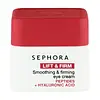
This anti-aging eye moisturizer is formulated around Sodium Hyaluronate and Tocopherol to soften the look of wrinkles and hydrate skin.
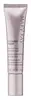
This anti-aging eye moisturizer is formulated around Tetrahexyldecyl Ascorbate and Centella Asiatica Extract to soften the look of wrinkles.


What's inside
What's inside
 Key Ingredients
Benefits
Concerns
Ingredients Side-by-side
Water
Skin ConditioningCoco-Caprylate/Caprate
Emollient
Propanediol
Solvent

C10-18 Triglycerides
Emollient

Glycerin
Humectant
Cetyl Alcohol
Emollient
Glyceryl Stearate Se
Emulsifying


Sodium Polyacrylate
Absorbent
CI 77891
Cosmetic ColorantHydroxyethyl Acrylate/Sodium Acryloyldimethyl Taurate Copolymer
Emulsion StabilisingSynthetic Fluorphlogopite
Tocopheryl Acetate
Antioxidant


Caprylyl Glycol
Emollient
Hydrolyzed Vegetable Protein
Skin ConditioningHydroxyacetophenone
Antioxidant
Sodium Benzoate
Masking
Sodium Hyaluronate
Humectant


Sodium Phytate
ChelatingPolysorbate 60
Emulsifying
Sorbitan Isostearate
Emulsifying
Tin Oxide
Abrasive
Tocopherol
Antioxidant
Water, Coco-Caprylate/Caprate, Propanediol, C10-18 Triglycerides, Glycerin, Cetyl Alcohol, Glyceryl Stearate Se, Sodium Polyacrylate, CI 77891, Hydroxyethyl Acrylate/Sodium Acryloyldimethyl Taurate Copolymer, Synthetic Fluorphlogopite, Tocopheryl Acetate, Caprylyl Glycol, Hydrolyzed Vegetable Protein, Hydroxyacetophenone, Sodium Benzoate, Sodium Hyaluronate, Sodium Phytate, Polysorbate 60, Sorbitan Isostearate, Tin Oxide, Tocopherol
Water
Skin ConditioningGlycerin
Humectant
Petrolatum
Emollient

Paraffinum Liquidum
Emollient
Hydrogenated Polydecene
EmollientCetyl Esters
Emollient
Bis-Diglyceryl Polyacyladipate-2
Emollient
Butylene Glycol
Humectant
Hydrogenated Polyisobutene
EmollientSorbitan Olivate
Emulsifying
Cetearyl Olivate
Hexyldecanol
Emollient
Cetyl Palmitate
Emollient
Tetrahexyldecyl Ascorbate
Antioxidant


Magnolia Grandiflora Bark Extract
Antimicrobial
Centella Asiatica Extract
Cleansing
Bisabolol
Antioxidant
Hesperidin Methyl Chalcone
Antioxidant
Pisum Sativum Extract
Skin ConditioningCitrus Grandis Peel Extract
Astringent
Magnolia Biondii Flower Extract
Skin ConditioningTetradecyl Aminobutyroylvalylaminobutyric Urea Trifluoroacetate
Skin ConditioningCentella Asiatica Meristem Cell Culture
Antioxidant
Dipeptide-2
Skin Conditioning
Palmitoyl Tetrapeptide-7
Skin Conditioning
Tripeptide-1
Skin Conditioning
Brassica Campestris Sterols
EmollientTocopheryl Acetate
Antioxidant
Steareth-20
CleansingStearic Acid
Cleansing
Propylene Glycol
Humectant
Cetylhydroxyproline Palmitamide
Skin ConditioningSorbitan Palmitate
Emulsifying
Acrylates/C10-30 Alkyl Acrylate Crosspolymer
Emulsion StabilisingCetearyl Alcohol
Emollient
Ceteareth-20
Cleansing
Triethanolamine
BufferingDisodium EDTA
ChelatingSilica
Abrasive
Ethylene/Methacrylate Copolymer
Isopropyl Titanium Triisostearate
Emollient
Hydroxypropyl Cyclodextrin
MaskingSodium Citrate
BufferingPotassium Benzoate
Preservative
Chlorhexidine Digluconate
Antimicrobial
Phenoxyethanol
Preservative
Diazolidinyl Urea
Preservative
Iodopropynyl Butylcarbamate
Preservative
Magnesium Chloride
Water, Glycerin, Petrolatum, Paraffinum Liquidum, Hydrogenated Polydecene, Cetyl Esters, Bis-Diglyceryl Polyacyladipate-2, Butylene Glycol, Hydrogenated Polyisobutene, Sorbitan Olivate, Cetearyl Olivate, Hexyldecanol, Cetyl Palmitate, Tetrahexyldecyl Ascorbate, Magnolia Grandiflora Bark Extract, Centella Asiatica Extract, Bisabolol, Hesperidin Methyl Chalcone, Pisum Sativum Extract, Citrus Grandis Peel Extract, Magnolia Biondii Flower Extract, Tetradecyl Aminobutyroylvalylaminobutyric Urea Trifluoroacetate, Centella Asiatica Meristem Cell Culture, Dipeptide-2, Palmitoyl Tetrapeptide-7, Tripeptide-1, Brassica Campestris Sterols, Tocopheryl Acetate, Steareth-20, Stearic Acid, Propylene Glycol, Cetylhydroxyproline Palmitamide, Sorbitan Palmitate, Acrylates/C10-30 Alkyl Acrylate Crosspolymer, Cetearyl Alcohol, Ceteareth-20, Triethanolamine, Disodium EDTA, Silica, Ethylene/Methacrylate Copolymer, Isopropyl Titanium Triisostearate, Hydroxypropyl Cyclodextrin, Sodium Citrate, Potassium Benzoate, Chlorhexidine Digluconate, Phenoxyethanol, Diazolidinyl Urea, Iodopropynyl Butylcarbamate, Magnesium Chloride
Ingredients Explained
These ingredients are found in both products.
Ingredients higher up in an ingredient list are typically present in a larger amount.
Glycerin (or glycerol) is a compound naturally found in your skin. It's a powerhouse humectant that pulls water into the stratum corneum.
Topically, glycerin does several things at once:
Your skin makes glycerin on its own (mostly from sebaceous oil breakdown) and shuttles it to your outermost layer of skin, or your epidermis, via aquaporin-3.
Aquaporin-3 is a transporter that is essential for normal skin hydration, elasticity, and repair. Interestingly, mice lacking in AQP3 have dry and less elastic skin that can be fully corrected with glycerin.
This ingredient is non-irritating, plays well with almost every ingredient, and works across all skin types. Typical use is anywhere between 3-10% but can go up to 79% in some leave-on products.
Just know very high concentrations (>40%) can feel tacky in low humidity.
Glycerin is the name for this ingredient in American English. British English uses Glycerol/Glycerine.
Learn more about GlycerinTocopheryl Acetate is a stable, shelf-friendly form of vitamin E.
Formulators love it because plain vitamin E oxidizes quickly once it hits air. This acetate version stays stable and resists going off, helping to extend a product's shelf life.
It's actually inactive on its own and works like a slow-release "storage" form; the enzymes in your skin called esterases gradually convert it into active vitamin E over time.
One in vivo study showed 5% of the acetate in the living layer of the epidermis converted to vitamin E after 5 days of application. This study also found the skin gained protection against UV damage even though the conversion was slow and small.
Once converted, vitamin E acts as a skin's main fat-soluble antioxidant that fights free radicals to protect skin from damage.
Topical vitamin E generally boosts the skin's photoprotection, and it reduced UV-damage in animal models.
This ingredient has some brightening potential but it's more of a prevention ingredient than spot-fader. Cell studies show it can slow down melanin production but it's worth noting that it's not the most powerful brightener out there.
Overall, it has a pretty solid safety profile and has been found to be non-irritating and non-comedogenic. Allergic reactions may happen but stay rare due to how widely the ingredient gets used.
The concentration will vary depending on the formula; industry data shows 0.1% in baby lotions, 3% in lipsticks, and 5% in foot powders. You can also find this ingredient at 100% in a pure vitamin E oil.
Most leave-on skincare keeps it at the lower end, often between 0.5-1%.
Learn more about Tocopheryl AcetateWater. It's the most common cosmetic ingredient of all. You'll usually see it at the top of ingredient lists, meaning that it makes up the largest part of the product.
So why is it so popular? Water most often acts as a solvent - this means that it helps dissolve other ingredients into the formulation.
You'll also recognize water as that liquid we all need to stay alive. If you see this, drink a glass of water. Remember to stay hydrated!
Learn more about Water

