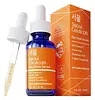
This brightening serum is formulated around Sodium Ascorbyl Phosphate and Tocopheryl Acetate to brighten dull-looking skin and fade the look of dark spots.
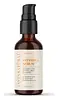
This brightening serum is formulated around Sodium Ascorbyl Phosphate and Glycyrrhiza Glabra Root Extract to brighten dull-looking skin and fade the look of dark spots.

What's inside
What's inside
 Key Ingredients
Benefits
Concerns
Ingredients Side-by-side
Water
Skin ConditioningSodium Ascorbyl Phosphate
Antioxidant







Hamamelis Virginiana Extract
Antiseborrhoeic



Glycerin
Humectant

Aloe Barbadensis Leaf Powder
Skin Conditioning
Simmondsia Chinensis Seed Oil
Emollient

Panax Ginseng Root Extract
Emollient
Cassia Angustifolia Seed Polysaccharide
Skin ConditioningSodium Hyaluronate
Humectant
Citrus Aurantium Dulcis Callus Culture Extract
Skin ConditioningTocopheryl Acetate
Antioxidant
Xanthan Gum
EmulsifyingAcrylates/C10-30 Alkyl Acrylate Crosspolymer
Emulsion StabilisingHydroxyethylcellulose
Emulsion StabilisingFerulic Acid
Antimicrobial
Centella Asiatica Extract
Cleansing
Equisetum Arvense Extract
AstringentCamellia Sinensis Leaf Extract
Antimicrobial
Chamomilla Recutita Flower Extract
Masking
Sodium Hydroxide
BufferingDimethyl Sulfone
SolventAlcohol
Antimicrobial
Citric Acid
Buffering
Phenoxyethanol
Preservative
Sodium Benzoate
Masking
Ethylhexylglycerin
Skin ConditioningPotassium Sorbate
Preservative
Polysorbate 20
Emulsifying
Citrus Aurantium Dulcis Peel Oil
Masking
Citral
Perfuming
Linalool
Perfuming
Limonene
Perfuming
Citronellal
Masking
Water, Sodium Ascorbyl Phosphate, Hamamelis Virginiana Extract, Glycerin, Aloe Barbadensis Leaf Powder, Simmondsia Chinensis Seed Oil, Panax Ginseng Root Extract, Cassia Angustifolia Seed Polysaccharide, Sodium Hyaluronate, Citrus Aurantium Dulcis Callus Culture Extract, Tocopheryl Acetate, Xanthan Gum, Acrylates/C10-30 Alkyl Acrylate Crosspolymer, Hydroxyethylcellulose, Ferulic Acid, Centella Asiatica Extract, Equisetum Arvense Extract, Camellia Sinensis Leaf Extract, Chamomilla Recutita Flower Extract, Sodium Hydroxide, Dimethyl Sulfone, Alcohol, Citric Acid, Phenoxyethanol, Sodium Benzoate, Ethylhexylglycerin, Potassium Sorbate, Polysorbate 20, Citrus Aurantium Dulcis Peel Oil, Citral, Linalool, Limonene, Citronellal
Water
Skin ConditioningGlycerin
Humectant
Sodium Ascorbyl Phosphate
Antioxidant
Citrus Paradisi Peel Oil
Masking
Hamamelis Virginiana Extract
Antiseborrhoeic
Cassia Angustifolia Seed Polysaccharide
Skin ConditioningSodium Hyaluronate
Humectant
Globularia Cordifolia Callus Culture Extract
Skin ConditioningGlycyrrhiza Glabra Root Extract
Bleaching
Camellia Sinensis Leaf Extract
Antimicrobial
Ginkgo Biloba Leaf Extract
Skin Conditioning
Fucus Vesiculosus Extract
Emollient
Punica Granatum Extract
AstringentArgania Spinosa Kernel Oil
Emollient
Laminaria Saccharina Extract
Skin Protecting
Camellia Oleifera Leaf Extract
AstringentRosa Canina Fruit Oil
Emollient
Hippophae Rhamnoides Fruit Oil
Skin Protecting
Ferulic Acid
Antimicrobial
Limnanthes Alba Seed Oil
Skin Conditioning
Glucosyl Hesperidin
HumectantRosmarinus Officinalis Leaf Extract
AntimicrobialCentella Asiatica Extract
Cleansing
Hibiscus Rosa-Sinensis Flower Extract
HumectantCarbomer
Emulsion StabilisingTocopherol
Antioxidant
Daucus Carota Sativa Seed Oil
Emollient
Prunus Armeniaca Kernel Oil
Masking
Equisetum Arvense Extract
AstringentTaraxacum Officinale Leaf Extract
Skin ConditioningGeranium Maculatum Extract
TonicHelianthus Annuus Seed Oil
Emollient
Xanthan Gum
EmulsifyingSodium Hydroxide
BufferingPropanediol
Solvent
Phenethyl Alcohol
MaskingPentylene Glycol
Skin Conditioning
Water, Glycerin, Sodium Ascorbyl Phosphate, Citrus Paradisi Peel Oil, Hamamelis Virginiana Extract, Cassia Angustifolia Seed Polysaccharide, Sodium Hyaluronate, Globularia Cordifolia Callus Culture Extract, Glycyrrhiza Glabra Root Extract, Camellia Sinensis Leaf Extract, Ginkgo Biloba Leaf Extract, Fucus Vesiculosus Extract, Punica Granatum Extract, Argania Spinosa Kernel Oil, Laminaria Saccharina Extract, Camellia Oleifera Leaf Extract, Rosa Canina Fruit Oil, Hippophae Rhamnoides Fruit Oil, Ferulic Acid, Limnanthes Alba Seed Oil, Glucosyl Hesperidin, Rosmarinus Officinalis Leaf Extract, Centella Asiatica Extract, Hibiscus Rosa-Sinensis Flower Extract, Carbomer, Tocopherol, Daucus Carota Sativa Seed Oil, Prunus Armeniaca Kernel Oil, Equisetum Arvense Extract, Taraxacum Officinale Leaf Extract, Geranium Maculatum Extract, Helianthus Annuus Seed Oil, Xanthan Gum, Sodium Hydroxide, Propanediol, Phenethyl Alcohol, Pentylene Glycol
Reviews
Ingredients Explained
These ingredients are found in both products.
Ingredients higher up in an ingredient list are typically present in a larger amount.
Camellia Sinensis Leaf Extract (tea extract) is one of the most well-researched plant extracts in skincare with an impressive resume.
Black tea, green tea, and oolong tea are all harvested from the Camellia Sinensis plant.
Studies show green tea extract and its catechins (like epigallocatechin gallate (EGCG)) help your skin cells product energy more efficiently and reducing the number of free-radicals that can damage your skin from the inside.
In lab-grown skin models, this translated to younger, healthier, and stronger skin.
There's also good sun protection data; researchers saw less DNA damage and redness on human skin when green tea was applied before UVB exposure. And the more they applied, the better the protection.
Needless to say, this ingredient shouldn't replace your sunscreen. But it is a great supportive ingredient that you can already find in many sunscreens and antioxidant serums.
A 2009 study found a 2% green tea lotion was effective for mild-to-moderate acne thanks to its anti-inflammatory and mild antimicrobial activity.
The quality of the extract matters a lot here:
Good extracts contain 50-90% catechins while lower quality ones are mostly there for marketing. We recommend reaching out to the brand if you have questions about the quality or source of their ingredients.
Human Repeated Insult Patch Testing showed no irritation or sensitization at use concentrations (0.86% in leave-on products and up to 30% as leaf water).
Learn more about Camellia Sinensis Leaf ExtractWe don't have a description for Cassia Angustifolia Seed Polysaccharide yet.
Centella Asiatica Extract (Centella) is one of the most researched botanical extracts in skincare with decades of studies backing its effects on inflammation, collagen, and the skin barrier.
That research keeps pointing back to the same four triterpenoid saponins: Asiaticoside, Madecassoside, Asiatic Acid, and Madecassic Acid.
These compounds allow centella to dial back inflammation, encourage the skin to build and hold onto collagen, support the barrier and hydration, and bring solid antioxidant activity to protect against signs of aging.
Centella also carries a nice supporting cast of Vitamin A, vitamin C, several B vitamins, and amino acids. Put it all together and you get an ingredient that soothes, hydrates, and protects, all at once.
Most of centella's magic comes from the four big compounds (Asiaticoside, Madecassoside, Asiatic Acid, and Madecassic Acid). These are the actives doing the heavy lifting in almost every centella study.
Here is the short version of what they do in the skin:
So it is not just soothing for the sake of soothing. Centella calms the skin AND helps it rebuild.
Just FYI, not all centella on an ingredient list is the same. What you are getting actually depends on the extract:
Fun fact on the ratios: the leaves tend to be richest in Madecassoside and Asiaticoside, and lower in the two acids. The exact amounts shift with where the plant is grown and how it is processed. This means purity really does vary brand to brand.
Centella is one of the most easygoing actives out there.
It layers well with basically everything: niacinamide, hyaluronic acid, peptides, and vitamin C, and also pairs nicely with stronger actives like retinoids and exfoliating acids where it can help take the edge off irritation.
On the safety side, centella and its triterpenes are classified as weak sensitizers, meaning allergic reactions are possible but uncommon.
Patch tests at 1% and 5% came back negative in test panels, and creams at typical use levels did not cause allergic reactions across large groups of people.
But as with any new active, a patch test is still a smart move for very reactive skin.
Centella is widely used because it is effective at low percentages. For context, human safety testing found no meaningful irritation from creams containing centella extract at everyday use levels (the tested amounts were well under 1%).
The irritancy threshold in animal testing was also above 30% (so real-world formulas sit far below anything concerning).
In collagen lab studies, higher concentrations drove more collagen synthesis, so serums built around centella tend to feature it more prominently.
Bottom line: you will find centella working nicely anywhere from a fraction of a percent up to hero-ingredient levels depending on whether it is a supporting soother or the main event.
Fun fact: Centella has been used as a medicine and in food for many centuries. As a medicine, it is used to treat burns, scratches, and wounds.
Learn more about Centella Asiatica ExtractThis botanical extract is also known as horsetail extract. It mainly acts as an emollient, skin soother, and astringent.
A study from 2023 found compounds in Equisetum Arvense showed significant anti-inflammatory effects in irritated keratinocytes (the main cell in your outermost layer of skin).
Another study using a cream with horsetail and soybean extract found 80% of participants showed at least a 26% improvement in forehead wrinkles after 8 weeks.
Animal research has shown topical Equisetum Arvense stimulated skin and tissue growth in mice.
The research so far is encouraging, but still in its early days. But it's a lovely supporting ingredient and can be a welcome addition to any routine.
Learn more about Equisetum Arvense ExtractFerulic Acid is a plant based antioxidant that can be naturally found in the cell walls of grains like rice, oats, and corn. It has antioxidant and antimicrobial properties, and has the ability to boost the performance of other antioxidants as well.
A well-known study found that adding Ferulic Acid to a solution of Vitamins C and E doubled the photoprotection of skin. This is why you'll often see it paired with Vitamin C or Vitamin E serums rather than sold on its own.
A 2025 review of 18 human studies found that using Ferulic Acid (0.5-1%) daily for one to three months showed improvements in:
As far as allergies go, Ferulic acid is generally well-tolerated but can cause an allergic reaction in very rare cases. It's also worth noting that Ferulic acid is often extracted from plant sources like rice bran or wheat bran, so be sure to path test if you have known grain allergies.
Outside of skincare, researchers are also looking into Ferulic Acid for its potential benefits in areas like diabetes, Alzheimer's, and heart health.
Learn more about Ferulic AcidGlycerin (or glycerol) is a compound naturally found in your skin. It's a powerhouse humectant that pulls water into the stratum corneum.
Topically, glycerin does several things at once:
Your skin makes glycerin on its own (mostly from sebaceous oil breakdown) and shuttles it to your outermost layer of skin, or your epidermis, via aquaporin-3.
Aquaporin-3 is a transporter that is essential for normal skin hydration, elasticity, and repair. Interestingly, mice lacking in AQP3 have dry and less elastic skin that can be fully corrected with glycerin.
This ingredient is non-irritating, plays well with almost every ingredient, and works across all skin types. Typical use is anywhere between 3-10% but can go up to 79% in some leave-on products.
Just know very high concentrations (>40%) can feel tacky in low humidity.
Glycerin is the name for this ingredient in American English. British English uses Glycerol/Glycerine.
Learn more about GlycerinHamamelis Virginiana Extract comes from the witch hazel plant.
Unless it is specified to be non-alcohol, many types of witch hazel ingredients are distilled in denatured alcohol.
Witch Hazel has astringent, anti-inflammatory, antioxidant, and antibacterial properties.
The tannin content of witch hazel constrict the appearance of pores by drying out proteins. Witch hazel water gets anti-inflammatory and antibacterial properties from its catechin and gallic acid content.
However, witch hazel may be skin-sensitizing due to the tannin and fragrance compounds.
North American Indigenous groups have used witch hazel to help treat inflammation for centuries.
Learn more about Hamamelis Virginiana ExtractSodium Ascorbyl Phosphate (SAP) is a water-soluble form of Vitamin C. It is the salt of ascorbic acid.
This ingredient is commonly used in skincare because it's more formulation-stable while still offering the same benefits as pure ascorbic acid. Ascorbic acid is notorious for breaking down when exposed to sunlight and oxygen whereas SAP has been shown to be more stable.
Studies show SAP has anti-acne and antioxidant benefits. One study found 5% of SAP lotion to be an effective ingredient for treating acne vulgaris. This is because research shows that SAP may help control acne by reducing acne-causing bacteria and slowing the oxidation of skin oils caused by UV exposure.
In addition to acne, vitamin C is important for skin structure. Lab studies suggest SAP may support collagen production in skin cells, making it a great ingredient in anti-aging routines.
Vitamin C has many benefits: it helps reduce redness, improve skin texture, fade the appearance of dark spots, and brighten the skin.
Read more about other types of Vitamin C:
Learn more about Sodium Ascorbyl PhosphateSodium Hyaluronate is the salt form of hyaluronic acid. It is a long sugar chain that is naturally found in your skin, joints, and connective tissue that maintains hydration and elasticity.
In skincare, it works as a humectant. It pulls water from the environment and deeper layers of skin and binds it to the surface.
Interestingly, the size of the molecule affects its behavior:
Some clinical evidence links low molecular weight versions to improved wrinkle depth, elasticity, anti-inflammatory effects, and barrier repair.
Many serums use a blend of both weights so you can get surface hydration plus longer-lasting and deeper effects.
You'll typically see concentrations between 0.1-2% for this ingredient.
Learn more about Sodium HyaluronateSodium Hydroxide is also known as lye or caustic soda. It is used to adjust the pH of products; many ingredients require a specific pH to be effective.
In small amounts, sodium hydroxide is considered safe to use. However, large amounts may cause chemical burns due to its high alkaline.
Your skin has a natural pH and acid mantle. This acid mantle helps prevent harmful bacteria from breaking through. The acid mantle also helps keep your skin hydrated.
"Alkaline" refers to a high pH level. A low pH level would be considered acidic.
Learn more about Sodium HydroxideWater. It's the most common cosmetic ingredient of all. You'll usually see it at the top of ingredient lists, meaning that it makes up the largest part of the product.
So why is it so popular? Water most often acts as a solvent - this means that it helps dissolve other ingredients into the formulation.
You'll also recognize water as that liquid we all need to stay alive. If you see this, drink a glass of water. Remember to stay hydrated!
Learn more about WaterXanthan gum is used as a stabilizer and thickener within cosmetic products. It helps give products a sticky, thick feeling - preventing them from being too runny.
On the technical side of things, xanthan gum is a polysaccharide - a combination consisting of multiple sugar molecules bonded together.
Xanthan gum is a pretty common and great ingredient. It is a natural, non-toxic, non-irritating ingredient that is also commonly used in food products.
Learn more about Xanthan Gum

