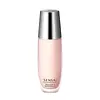
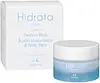
Sensai Cellular Performance Emulsion III (Super Moist) Versus Deliplus Hidrata Textura Rica 24h Cream
This hydrating emulsion is formulated around Olea Europaea Fruit Oil and Niacinamide to hydrate skin and soften the look of wrinkles.
This barrier-repair moisturizer is formulated around Caprylic/Capric Triglyceride and Aloe Barbadensis Leaf Extract to strengthen the skin barrier and hydrate skin.


What's inside
What's inside
 Key Ingredients
Benefits
Concerns
Ingredients Side-by-side
Water
Skin ConditioningHydrogenated Polydecene
EmollientGlycerin
Humectant


Dipropylene Glycol
HumectantOlea Europaea Fruit Oil
Masking





Hydrogenated Polyisobutene
EmollientGlyceryl Stearate
Emollient
Hydrogenated Castor Oil Isostearate
Skin Conditioning
Sorbitan Isostearate
Emulsifying
Niacinamide
Smoothing









Stearic Acid
Cleansing
Phenoxyethanol
Preservative
Cholesterol
Emollient
Dimethicone
Emollient
Bentonite
Absorbent
Glyceryl Stearate Se
Emulsifying
Sodium Stearoyl Glutamate
CleansingXanthan Gum
EmulsifyingChlorphenesin
Antimicrobial
Ammonium Glycyrrhizate
MaskingParfum
Masking

Behenyl Alcohol
Emollient
Methylserine
Skin ConditioningEthylhexyl Methoxycinnamate
UV Absorber

Acetyl Glucosamine
Skin Conditioning
Butylene Glycol
Humectant
Disodium EDTA
ChelatingAlcohol
Antimicrobial

Dimethoxy Di-P-Cresol
Antioxidant
Limonene
Perfuming
Hexyl Cinnamal
Perfuming
Citronellol
Perfuming
Linalool
Perfuming
Hydrolyzed Silk
Humectant
Alpha-Isomethyl Ionone
Perfuming
Nasturtium Officinale Extract
Perfuming
Geraniol
Perfuming
Benzyl Benzoate
Antimicrobial
Zostera Marina Extract
Skin ConditioningPyracantha Fortuneana Fruit Extract
Skin ConditioningDioscorea Panthaica Root Extract
EmollientBHT
Antioxidant
CI 14700
Cosmetic ColorantCI 19140
Cosmetic ColorantMethyldihydrojasmonate
MaskingPhenethyl Alcohol
MaskingTriethyl Citrate
Masking
Water, Hydrogenated Polydecene, Glycerin, Dipropylene Glycol, Olea Europaea Fruit Oil, Hydrogenated Polyisobutene, Glyceryl Stearate, Hydrogenated Castor Oil Isostearate, Sorbitan Isostearate, Niacinamide, Stearic Acid, Phenoxyethanol, Cholesterol, Dimethicone, Bentonite, Glyceryl Stearate Se, Sodium Stearoyl Glutamate, Xanthan Gum, Chlorphenesin, Ammonium Glycyrrhizate, Parfum, Behenyl Alcohol, Methylserine, Ethylhexyl Methoxycinnamate, Acetyl Glucosamine, Butylene Glycol, Disodium EDTA, Alcohol, Dimethoxy Di-P-Cresol, Limonene, Hexyl Cinnamal, Citronellol, Linalool, Hydrolyzed Silk, Alpha-Isomethyl Ionone, Nasturtium Officinale Extract, Geraniol, Benzyl Benzoate, Zostera Marina Extract, Pyracantha Fortuneana Fruit Extract, Dioscorea Panthaica Root Extract, BHT, CI 14700, CI 19140, Methyldihydrojasmonate, Phenethyl Alcohol, Triethyl Citrate
Water
Skin ConditioningCaprylic/Capric Triglyceride
Masking
Aloe Barbadensis Leaf Extract
Emollient
C12-20 Acid PEG-8 Ester
Emulsifying
Cetearyl Ethylhexanoate
Emollient
Decyl Oleate
Emollient
Propanediol
Solvent
Glycerin
Humectant
C15-19 Alkane
SolventGlyceryl Stearate Se
Emulsifying
Glyceryl Stearate
Emollient
Imperata Cylindrica Root Extract
Skin ConditioningBiotin
AntiseborrhoeicRosmarinus Officinalis Leaf Extract
AntimicrobialHydrogenated Rapeseed Oil
Emollient
Tocopheryl Acetate
Antioxidant
Sodium Hyaluronate
Humectant
Tocopherol
Antioxidant
Helianthus Annuus Seed Oil
Emollient
Carbomer
Emulsion StabilisingCetyl Alcohol
Emollient
Cetyl Phosphate
EmulsifyingAcrylates/C10-30 Alkyl Acrylate Crosspolymer
Emulsion StabilisingTromethamine
BufferingSodium Citrate
BufferingCitric Acid
Buffering
1,2-Hexanediol
Skin Conditioning
Caprylyl Glycol
Emollient
Hydroxyacetophenone
Antioxidant
Vanillin
Masking
Parfum
Masking
Acetyl Cedrene
Tetramethyl Acetyloctahydronaphthalenes
Masking
Hexamethylindanopyran
Masking
Linalyl Acetate
Masking
CI 16035
Cosmetic ColorantCaramel
Cosmetic ColorantWater, Caprylic/Capric Triglyceride, Aloe Barbadensis Leaf Extract, C12-20 Acid PEG-8 Ester, Cetearyl Ethylhexanoate, Decyl Oleate, Propanediol, Glycerin, C15-19 Alkane, Glyceryl Stearate Se, Glyceryl Stearate, Imperata Cylindrica Root Extract, Biotin, Rosmarinus Officinalis Leaf Extract, Hydrogenated Rapeseed Oil, Tocopheryl Acetate, Sodium Hyaluronate, Tocopherol, Helianthus Annuus Seed Oil, Carbomer, Cetyl Alcohol, Cetyl Phosphate, Acrylates/C10-30 Alkyl Acrylate Crosspolymer, Tromethamine, Sodium Citrate, Citric Acid, 1,2-Hexanediol, Caprylyl Glycol, Hydroxyacetophenone, Vanillin, Parfum, Acetyl Cedrene, Tetramethyl Acetyloctahydronaphthalenes, Hexamethylindanopyran, Linalyl Acetate, CI 16035, Caramel
Ingredients Explained
These ingredients are found in both products.
Ingredients higher up in an ingredient list are typically present in a larger amount.
Glycerin (or glycerol) is a compound naturally found in your skin. It's a powerhouse humectant that pulls water into the stratum corneum.
Topically, glycerin does several things at once:
Your skin makes glycerin on its own (mostly from sebaceous oil breakdown) and shuttles it to your outermost layer of skin, or your epidermis, via aquaporin-3.
Aquaporin-3 is a transporter that is essential for normal skin hydration, elasticity, and repair. Interestingly, mice lacking in AQP3 have dry and less elastic skin that can be fully corrected with glycerin.
This ingredient is non-irritating, plays well with almost every ingredient, and works across all skin types. Typical use is anywhere between 3-10% but can go up to 79% in some leave-on products.
Just know very high concentrations (>40%) can feel tacky in low humidity.
Glycerin is the name for this ingredient in American English. British English uses Glycerol/Glycerine.
Learn more about GlycerinGlyceryl Stearate is made by reacting glycerin with stearic acid (typically sourced from plant oils like palm or coconut). It's an emulsifier, emollient, and mild occlusive.
Emulsifiers help ingredients like oil and water stay mixed so your formula stays nicely blended and uniform in texture.
This ingredient is typically used in concentrations between 1-10%. Studies have found it to be non-sensitizing, non-phototoxic, and non-photoallergenic.
A close cousin of this ingredient is Glyceryl Stearate SE ("self-emulsifying"). This just has a small amount of sodium or potassium stearate added so it can emulsify without a co-emulsifier.
Since this ingredient is an ester of a C18 fatty acid, it may not be fungal acne safe. The Malassezia yeast can potentially metabolize within the C11-C24 range.
Fun fact: The human body also creates Glyceryl Stearate naturally.
Learn more about Glyceryl StearateGlyceryl Stearate SE is a self-emulsifying (SE) form of Glyceryl Stearate. It comes with a small amount of soap (usually potassium or sodium stearate) that gives it the "SE" part.
That soap lets it pull oil and water together on its own which is why it shows up as an emulsifier, thickener, and emollient.
Industry survey data shows this ingredient is used around 1-5% but Glyceryl Stearate goes as high at 17% in a leave-on deodorant.
Safety-wise, it's pretty boring: it's been deemed safe for topical use in 1982 and again most recently in 2021 by the CIR. Human repeat insult patch tests come back non-irritating, non-sensitizing, non-phototoxic, and non-photoallergenic.
This ingredient does carry a comedogenic rating of 3 from the old rabbit-ear assay. Just remember testing finished products in humans showed that formulas built with "comedogenic" ingredients are not necessarily comedogenic themselves. It's worth patch testing if you're breakout prone, and always listen to your skin.
The Malassezia yeast can potentially metabolize the stearic acid in this ingredient, so it may not be fungal acne safe.
Allergy is rare: a 310-patient patch test study of common emulsifiers found this ingredient was not a meaningful reactor. Isolated case reports do exist so a true contact allergy is possible but uncommon.
Learn more about Glyceryl Stearate SeParfum is a catch-all term for an ingredient or more that is used to give a scent to products.
Also called "fragrance", this ingredient can be a blend of hundreds of chemicals or plant oils. This means every product with "fragrance" or "parfum" in the ingredients list is a different mixture.
For instance, Habanolide is a proprietary trade name for a specific aroma chemical. When used as a fragrance ingredient in cosmetics, most aroma chemicals fall under the broad labeling category of “FRAGRANCE” or “PARFUM” according to EU and US regulations.
The term 'parfum' or 'fragrance' is not regulated in many countries. In many cases, it is up to the brand to define this term.
For instance, many brands choose to label themselves as "fragrance-free" because they are not using synthetic fragrances. However, their products may still contain ingredients such as essential oils that are considered a fragrance by INCI standards.
One example is Calendula flower extract. Calendula is an essential oil that still imparts a scent or 'fragrance'.
Depending on the blend, the ingredients in the mixture can cause allergies and sensitivities on the skin. Some ingredients that are known EU allergens include linalool and citronellol.
Parfum can also be used to mask or cover an unpleasant scent.
The bottom line is: not all fragrances/parfum/ingredients are created equally. If you are worried about fragrances, we recommend taking a closer look at an ingredient. And of course, we always recommend speaking with a professional.
Learn more about ParfumWater. It's the most common cosmetic ingredient of all. You'll usually see it at the top of ingredient lists, meaning that it makes up the largest part of the product.
So why is it so popular? Water most often acts as a solvent - this means that it helps dissolve other ingredients into the formulation.
You'll also recognize water as that liquid we all need to stay alive. If you see this, drink a glass of water. Remember to stay hydrated!
Learn more about Water

