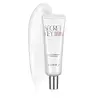
This anti-aging eye moisturizer is formulated around Niacinamide and Galactomyces Ferment Filtrate to soften the look of wrinkles and brighten dull-looking skin.
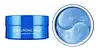
This hydrating eye mask is formulated around Chondrus Crispus and Sodium Hyaluronate to hydrate skin and soften the look of wrinkles.

What's inside
What's inside
 Key Ingredients
Benefits
Concerns
Ingredients Side-by-side
Water
Skin ConditioningGlycerin
Humectant


Hydrogenated Polyisobutene
EmollientAluminum Starch Octenylsuccinate
Absorbent
Glyceryl Stearate Se
Emulsifying




Niacinamide
Smoothing








C12-15 Alkyl Benzoate
AntimicrobialPolyglyceryl-3 Methylglucose Distearate
Emulsifying
Cyclopentasiloxane
Emollient
Beeswax
Emulsion Stabilising
Galactomyces Ferment Filtrate
Humectant
Sodium Polyacrylate
Absorbent
Acrylates/C10-30 Alkyl Acrylate Crosspolymer
Emulsion StabilisingGlyceryl Polyacrylate
Stearic Acid
Cleansing
Butyrospermum Parkii Butter
Skin Conditioning
Adenosine
Skin Conditioning
Aloe Barbadensis Leaf Extract
Emollient
Anthemis Nobilis Flower Extract
Masking
Camellia Sinensis Leaf Extract
Antimicrobial
Centella Asiatica Extract
Cleansing
Boswellia Serrata Resin Extract
SmoothingHamamelis Virginiana Extract
Antiseborrhoeic

Oryza Sativa Extract
Absorbent
Portulaca Oleracea Extract
Skin Conditioning
Panax Ginseng Root Extract
Emollient
Acanthopanax Senticosus Root Extract
Skin ConditioningSh-Oligopeptide-1
Skin Conditioning
Lecithin
Emollient
Sodium Ascorbyl Phosphate
Antioxidant
Macadamia Integrifolia Seed Oil
Skin Conditioning
Prunus Amygdalus Dulcis Oil
Skin Conditioning
Argania Spinosa Kernel Oil
Emollient
Astrocaryum Murumuru Seed Butter
Emollient
Simmondsia Chinensis Seed Oil
Emollient
Ceramide NP
Skin Conditioning
Tocopheryl Acetate
Antioxidant
Caprylhydroxamic Acid
ChelatingCaprylyl Glycol
Emollient
1,2-Hexanediol
Skin Conditioning
Triethanolamine
BufferingDisodium EDTA
ChelatingParfum
Masking
Water, Glycerin, Hydrogenated Polyisobutene, Aluminum Starch Octenylsuccinate, Glyceryl Stearate Se, Niacinamide, C12-15 Alkyl Benzoate, Polyglyceryl-3 Methylglucose Distearate, Cyclopentasiloxane, Beeswax, Galactomyces Ferment Filtrate, Sodium Polyacrylate, Acrylates/C10-30 Alkyl Acrylate Crosspolymer, Glyceryl Polyacrylate, Stearic Acid, Butyrospermum Parkii Butter, Adenosine, Aloe Barbadensis Leaf Extract, Anthemis Nobilis Flower Extract, Camellia Sinensis Leaf Extract, Centella Asiatica Extract, Boswellia Serrata Resin Extract, Hamamelis Virginiana Extract, Oryza Sativa Extract, Portulaca Oleracea Extract, Panax Ginseng Root Extract, Acanthopanax Senticosus Root Extract, Sh-Oligopeptide-1, Lecithin, Sodium Ascorbyl Phosphate, Macadamia Integrifolia Seed Oil, Prunus Amygdalus Dulcis Oil, Argania Spinosa Kernel Oil, Astrocaryum Murumuru Seed Butter, Simmondsia Chinensis Seed Oil, Ceramide NP, Tocopheryl Acetate, Caprylhydroxamic Acid, Caprylyl Glycol, 1,2-Hexanediol, Triethanolamine, Disodium EDTA, Parfum
Water
Skin ConditioningGlycerin
Humectant
Dipropylene Glycol
HumectantChondrus Crispus
Masking
Ceratonia Siliqua Gum
EmollientButylene Glycol
Humectant
Glucose
Humectant
Sodium Hyaluronate
Humectant
Potassium Chloride
Pearl Powder
Hydroxyethylcellulose
Emulsion StabilisingCollagen
Moisturising
Cyamopsis Tetragonoloba Gum
Emulsion StabilisingEthylhexylglycerin
Skin ConditioningDisodium EDTA
ChelatingParfum
Masking
Citrus Unshiu Peel Extract
MaskingAloe Barbadensis Leaf Extract
Emollient
Camellia Sinensis Leaf Extract
Antimicrobial
Algae Extract
Emollient
Rose Extract
Skin ConditioningAnthemis Nobilis Flower Extract
Masking
Punica Granatum Fruit Extract
Antioxidant
Melaleuca Alternifolia Leaf Water
Antimicrobial
Eucalyptus Globulus Leaf Extract
Perfuming
Glycine Soja Phytoplacenta Extract
Skin ConditioningCI 77499
Cosmetic ColorantWater, Glycerin, Dipropylene Glycol, Chondrus Crispus, Ceratonia Siliqua Gum, Butylene Glycol, Glucose, Sodium Hyaluronate, Potassium Chloride, Pearl Powder, Hydroxyethylcellulose, Collagen, Cyamopsis Tetragonoloba Gum, Ethylhexylglycerin, Disodium EDTA, Parfum, Citrus Unshiu Peel Extract, Aloe Barbadensis Leaf Extract, Camellia Sinensis Leaf Extract, Algae Extract, Rose Extract, Anthemis Nobilis Flower Extract, Punica Granatum Fruit Extract, Melaleuca Alternifolia Leaf Water, Eucalyptus Globulus Leaf Extract, Glycine Soja Phytoplacenta Extract, CI 77499
Ingredients Explained
These ingredients are found in both products.
Ingredients higher up in an ingredient list are typically present in a larger amount.
Aloe Barbadensis Leaf Extract is a botanical extract pulled from the leaves of aloe vera and one of the most studied plant ingredients in cosmetics.
The inner leaf gel it comes from is mostly water (~99-99.5%) and the remaining fraction is made up of pretty good stuff: polysaccharides, vitamins, phenolics, and enzymes.
Its headline job is hydration.
The star polysaccharide in aloe, acemannan, is a humectant that retains moisture and helps reduce trans-epidermal water loss.
Aloe also has real soothing credentials; it contains anti-inflammatory compounds like bradykinase and C-glucosyl chromone that help calm irritation and redness.
On the repair side, lab work shows that acemannan wakes up your skin's repair cells (fibroblasts), prompting them to multiply and speed up healing.
There's some human data for cosmetic benefit too: a cream containing 10% Aloe Barbadensis leaf extract improved skin hydration and elasticity in a real-use study.
Safety-wise, this ingredient is well-regarded with just one rare downside; there have been some case reports of acute eczema, contact urticaria, and dermatitis in people who applied aloe-derived ingredients topically. Those with a known aloe or Liliaceae sensitivity should patch test.
Typical use levels range widely, from under 1% up to 90%+ depending on the format and the effect you are after.
Learn more about Aloe Barbadensis Leaf ExtractAnthemis Nobilis Flower Extract is from the Roman Chamomile flower. It helps soothe the skin and contains antioxidants.
Camellia Sinensis Leaf Extract (tea extract) is one of the most well-researched plant extracts in skincare with an impressive resume.
Black tea, green tea, and oolong tea are all harvested from the Camellia Sinensis plant.
Studies show green tea extract and its catechins (like epigallocatechin gallate (EGCG)) help your skin cells product energy more efficiently and reducing the number of free-radicals that can damage your skin from the inside.
In lab-grown skin models, this translated to younger, healthier, and stronger skin.
There's also good sun protection data; researchers saw less DNA damage and redness on human skin when green tea was applied before UVB exposure. And the more they applied, the better the protection.
Needless to say, this ingredient shouldn't replace your sunscreen. But it is a great supportive ingredient that you can already find in many sunscreens and antioxidant serums.
A 2009 study found a 2% green tea lotion was effective for mild-to-moderate acne thanks to its anti-inflammatory and mild antimicrobial activity.
The quality of the extract matters a lot here:
Good extracts contain 50-90% catechins while lower quality ones are mostly there for marketing. We recommend reaching out to the brand if you have questions about the quality or source of their ingredients.
Human Repeated Insult Patch Testing showed no irritation or sensitization at use concentrations (0.86% in leave-on products and up to 30% as leaf water).
Learn more about Camellia Sinensis Leaf ExtractDisodium EDTA is a chelating agent. It grabs onto and deactivates metal ions that sneak into your products from water, packaging, or air.
This ingredient mainly works behind the scenes and helps with:
On top of that, this ingredient can counteract the effects of hard water by binding to the minerals in it.
One thing worth knowing is that Disodium EDTA has been shown to be a mild penetration enhancer. It can help other ingredients absorb into skin more effectively which can be a double-edged sword (great for actives, but can also make the active too strong if you have sensitive skin).
Clinical patch testing showed no significant skin irritation at typical use concentrations and minimal dermal absorption.
You'll most likely see this ingredient near the end of an ingredient list. It's typically found in concentrations less than 1%.
Learn more about Disodium EDTAGlycerin (or glycerol) is a compound naturally found in your skin. It's a powerhouse humectant that pulls water into the stratum corneum.
Topically, glycerin does several things at once:
Your skin makes glycerin on its own (mostly from sebaceous oil breakdown) and shuttles it to your outermost layer of skin, or your epidermis, via aquaporin-3.
Aquaporin-3 is a transporter that is essential for normal skin hydration, elasticity, and repair. Interestingly, mice lacking in AQP3 have dry and less elastic skin that can be fully corrected with glycerin.
This ingredient is non-irritating, plays well with almost every ingredient, and works across all skin types. Typical use is anywhere between 3-10% but can go up to 79% in some leave-on products.
Just know very high concentrations (>40%) can feel tacky in low humidity.
Glycerin is the name for this ingredient in American English. British English uses Glycerol/Glycerine.
Learn more about GlycerinParfum is a catch-all term for an ingredient or more that is used to give a scent to products.
Also called "fragrance", this ingredient can be a blend of hundreds of chemicals or plant oils. This means every product with "fragrance" or "parfum" in the ingredients list is a different mixture.
For instance, Habanolide is a proprietary trade name for a specific aroma chemical. When used as a fragrance ingredient in cosmetics, most aroma chemicals fall under the broad labeling category of “FRAGRANCE” or “PARFUM” according to EU and US regulations.
The term 'parfum' or 'fragrance' is not regulated in many countries. In many cases, it is up to the brand to define this term.
For instance, many brands choose to label themselves as "fragrance-free" because they are not using synthetic fragrances. However, their products may still contain ingredients such as essential oils that are considered a fragrance by INCI standards.
One example is Calendula flower extract. Calendula is an essential oil that still imparts a scent or 'fragrance'.
Depending on the blend, the ingredients in the mixture can cause allergies and sensitivities on the skin. Some ingredients that are known EU allergens include linalool and citronellol.
Parfum can also be used to mask or cover an unpleasant scent.
The bottom line is: not all fragrances/parfum/ingredients are created equally. If you are worried about fragrances, we recommend taking a closer look at an ingredient. And of course, we always recommend speaking with a professional.
Learn more about ParfumWater. It's the most common cosmetic ingredient of all. You'll usually see it at the top of ingredient lists, meaning that it makes up the largest part of the product.
So why is it so popular? Water most often acts as a solvent - this means that it helps dissolve other ingredients into the formulation.
You'll also recognize water as that liquid we all need to stay alive. If you see this, drink a glass of water. Remember to stay hydrated!
Learn more about Water

