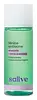
This acne toner is formulated around Niacinamide and 4-Terpineol to clear breakouts and balance excess oil.
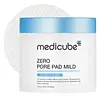
This pore-care toner pad uses a pre-saturated pad with Gluconolactone and Panthenol to refine the look of pores and refine skin texture.


What's inside
What's inside
 Key Ingredients
Benefits
Concerns
No concerns
Ingredients Side-by-side
Water
Skin ConditioningSodium Citrate
BufferingNiacinamide
Smoothing











Centella Asiatica Extract
Cleansing
4-Terpineol
Masking
Biosaccharide Gum-1
Humectant
Melaleuca Alternifolia Leaf Oil
Antioxidant





Salix Alba Bark Extract
Astringent
Xylityl Phosphate
Glycerin
Humectant
Gluconolactone
Chelating
Xylitol
Humectant
Propanediol
Solvent
Sodium Levulinate
Skin ConditioningSalicylic Acid
Masking



Glyceryl Caprylate
EmollientSodium Anisate
AntimicrobialPEG-40 Hydrogenated Castor Oil
Emulsifying
Trideceth-9
EmulsifyingSodium Gluconate
ChelatingCalcium Gluconate
HumectantCitric Acid
Buffering
Sodium Benzoate
Masking
Methylpropanediol
SolventPotassium Sorbate
Preservative
Sodium Hydroxide
BufferingWater, Sodium Citrate, Niacinamide, Centella Asiatica Extract, 4-Terpineol, Biosaccharide Gum-1, Melaleuca Alternifolia Leaf Oil, Salix Alba Bark Extract, Xylityl Phosphate, Glycerin, Gluconolactone, Xylitol, Propanediol, Sodium Levulinate, Salicylic Acid, Glyceryl Caprylate, Sodium Anisate, PEG-40 Hydrogenated Castor Oil, Trideceth-9, Sodium Gluconate, Calcium Gluconate, Citric Acid, Sodium Benzoate, Methylpropanediol, Potassium Sorbate, Sodium Hydroxide
Water
Skin ConditioningPropanediol
Solvent
Methylpropanediol
Solvent1,2-Hexanediol
Skin Conditioning
Glycereth-26
Humectant
Butylene Glycol
Humectant
Saccharide Hydrolysate
HumectantTromethamine
BufferingGluconolactone
Chelating
Panthenol
Skin Conditioning
Ethylhexylglycerin
Skin ConditioningDisodium EDTA
ChelatingPyrus Communis Fruit Extract
Skin ConditioningMadecassoside
Antioxidant
Rosa Damascena Flower Water
Masking
Iris Florentina Root Extract
MaskingCentella Asiatica Extract
Cleansing
Cucumis Melo Fruit Extract
Skin ConditioningSalvia Hispanica Seed Extract
Emollient
Houttuynia Cordata Extract
Skin Conditioning
Hedera Helix Leaf/Stem Extract
AntimicrobialCynanchum Atratum Extract
Skin ConditioningPentylene Glycol
Skin Conditioning
Ulmus Davidiana Root Extract
Skin Conditioning
Pueraria Lobata Root Extract
HumectantPinus Palustris Leaf Extract
TonicOenothera Biennis Flower Extract
AstringentSodium Hyaluronate
Humectant
Vitis Vinifera Fruit Extract
Skin ConditioningDiospyros Kaki Fruit Extract
Skin ConditioningCastanea Crenata Shell Extract
Skin ConditioningCamellia Sinensis Leaf Extract
Antimicrobial
Hyaluronic Acid
Humectant
Sodium Hyaluronate Crosspolymer
Humectant
Hydrolyzed Sodium Hyaluronate
Skin Conditioning
Hydrolyzed Hyaluronic Acid
Humectant
Sodium Acetylated Hyaluronate
Humectant
Hydroxypropyltrimonium Hyaluronate
Water, Propanediol, Methylpropanediol, 1,2-Hexanediol, Glycereth-26, Butylene Glycol, Saccharide Hydrolysate, Tromethamine, Gluconolactone, Panthenol, Ethylhexylglycerin, Disodium EDTA, Pyrus Communis Fruit Extract, Madecassoside, Rosa Damascena Flower Water, Iris Florentina Root Extract, Centella Asiatica Extract, Cucumis Melo Fruit Extract, Salvia Hispanica Seed Extract, Houttuynia Cordata Extract, Hedera Helix Leaf/Stem Extract, Cynanchum Atratum Extract, Pentylene Glycol, Ulmus Davidiana Root Extract, Pueraria Lobata Root Extract, Pinus Palustris Leaf Extract, Oenothera Biennis Flower Extract, Sodium Hyaluronate, Vitis Vinifera Fruit Extract, Diospyros Kaki Fruit Extract, Castanea Crenata Shell Extract, Camellia Sinensis Leaf Extract, Hyaluronic Acid, Sodium Hyaluronate Crosspolymer, Hydrolyzed Sodium Hyaluronate, Hydrolyzed Hyaluronic Acid, Sodium Acetylated Hyaluronate, Hydroxypropyltrimonium Hyaluronate
Reviews
Ingredients Explained
These ingredients are found in both products.
Ingredients higher up in an ingredient list are typically present in a larger amount.
Centella Asiatica Extract (Centella) is one of the most researched botanical extracts in skincare with decades of studies backing its effects on inflammation, collagen, and the skin barrier.
That research keeps pointing back to the same four triterpenoid saponins: Asiaticoside, Madecassoside, Asiatic Acid, and Madecassic Acid.
These compounds allow centella to dial back inflammation, encourage the skin to build and hold onto collagen, support the barrier and hydration, and bring solid antioxidant activity to protect against signs of aging.
Centella also carries a nice supporting cast of Vitamin A, vitamin C, several B vitamins, and amino acids. Put it all together and you get an ingredient that soothes, hydrates, and protects, all at once.
Most of centella's magic comes from the four big compounds (Asiaticoside, Madecassoside, Asiatic Acid, and Madecassic Acid). These are the actives doing the heavy lifting in almost every centella study.
Here is the short version of what they do in the skin:
So it is not just soothing for the sake of soothing. Centella calms the skin AND helps it rebuild.
Just FYI, not all centella on an ingredient list is the same. What you are getting actually depends on the extract:
Fun fact on the ratios: the leaves tend to be richest in Madecassoside and Asiaticoside, and lower in the two acids. The exact amounts shift with where the plant is grown and how it is processed. This means purity really does vary brand to brand.
Centella is one of the most easygoing actives out there.
It layers well with basically everything: niacinamide, hyaluronic acid, peptides, and vitamin C, and also pairs nicely with stronger actives like retinoids and exfoliating acids where it can help take the edge off irritation.
On the safety side, centella and its triterpenes are classified as weak sensitizers, meaning allergic reactions are possible but uncommon.
Patch tests at 1% and 5% came back negative in test panels, and creams at typical use levels did not cause allergic reactions across large groups of people.
But as with any new active, a patch test is still a smart move for very reactive skin.
Centella is widely used because it is effective at low percentages. For context, human safety testing found no meaningful irritation from creams containing centella extract at everyday use levels (the tested amounts were well under 1%).
The irritancy threshold in animal testing was also above 30% (so real-world formulas sit far below anything concerning).
In collagen lab studies, higher concentrations drove more collagen synthesis, so serums built around centella tend to feature it more prominently.
Bottom line: you will find centella working nicely anywhere from a fraction of a percent up to hero-ingredient levels depending on whether it is a supporting soother or the main event.
Fun fact: Centella has been used as a medicine and in food for many centuries. As a medicine, it is used to treat burns, scratches, and wounds.
Learn more about Centella Asiatica ExtractGluconolactone is a PHA. PHAs are a great gentle alternative to traditional AHAs.
When applied, Gluconolactone has the same affect on skin as AHAs such as lactic acid. It helps dissolve the dead skin cells in the top layer of your skin. This improves texture and brightens the skin.
PHAs are more gentle than AHAs due to their larger structure. They do not penetrate as deeply as AHAs and take a longer time to dissolve dead cells. Studies show PHAs do not cause as much irritation.
Gluconolactone has some interesting properties:
In a 2004 study, Gluconolactone was found to prevent UV damage in mouse skin cells and has not been found to increase sun sensitivity. However, we still recommend wearing SPF daily.
This ingredient is is an created by reacting gluconic acid with an alcohol.
Learn more about GluconolactoneMethylpropanediol is a synthetic solvent and humectant.
As a solvent, it helps dissolve other ingredients, helping to evenly distribute ingredients throughout the product. This ingredient has also been shown to have antimicrobial properties which makes it a preservative booster.
Methylpropanediol is able to add a bit of moisture to the skin. It also helps other ingredients be better absorbed into the skin, such as salicylic acid.
Learn more about MethylpropanediolPropanediol is an all-star ingredient. It softens, hydrates, and smooths the skin.
It’s often used to:
Propanediol is not likely to cause sensitivity and considered safe to use. It is derived from corn or petroleum with a clear color and no scent.
Learn more about PropanediolWater. It's the most common cosmetic ingredient of all. You'll usually see it at the top of ingredient lists, meaning that it makes up the largest part of the product.
So why is it so popular? Water most often acts as a solvent - this means that it helps dissolve other ingredients into the formulation.
You'll also recognize water as that liquid we all need to stay alive. If you see this, drink a glass of water. Remember to stay hydrated!
Learn more about Water

