
What's inside
What's inside
 Key Ingredients
Benefits
Concerns
Ingredients Side-by-side
Water
Skin ConditioningCaprylic/Capric Triglyceride
Masking


Propanediol
Solvent
Glycerin
Humectant
Sorbitan Stearate
Emulsifying
Stearyl Alcohol
Emollient
Cetyl Alcohol
Emollient
1,2-Hexanediol
Skin Conditioning
Trehalose
Humectant
Vinyldimethicone

Glyceryl Stearate
Emollient
Centella Asiatica Extract
Cleansing


Hydrogenated Lecithin
Emulsifying
Arginine
Masking
Madecassoside
Antioxidant
Calamine
AbsorbentHydroxyethyl Acrylate/Sodium Acryloyldimethyl Taurate Copolymer
Emulsion StabilisingSorbityl Laurate
Emulsifying
Phytosteryl/Octyldodecyl Lauroyl Glutamate
Skin ConditioningSynthetic Beeswax
Emulsion Stabilising
Behenyl Alcohol
Emollient
Carbomer
Emulsion StabilisingCamellia Sinensis Leaf Extract
Antimicrobial


Pyrus Malus Leaf Extract
Skin ConditioningJasminum Officinale Flower Water
MaskingGlycol Stearate Se
Emulsifying
Betaine
Humectant
Cetearyl Alcohol
Emollient

Stearic Acid
Cleansing
Glyceryl Acrylate/Acrylic Acid Copolymer
HumectantPrunus Amygdalus Amara Kernel Oil
Masking

Vanilla Planifolia Fruit Extract
Skin Conditioning
Xanthan Gum
EmulsifyingProtease
Exfoliating
Disodium EDTA
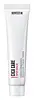
Water, Caprylic/Capric Triglyceride, Propanediol, Glycerin, Sorbitan Stearate, Stearyl Alcohol, Cetyl Alcohol, 1,2-Hexanediol, Trehalose, Vinyldimethicone, Glyceryl Stearate, Centella Asiatica Extract, Hydrogenated Lecithin, Arginine, Madecassoside, Calamine, Hydroxyethyl Acrylate/Sodium Acryloyldimethyl Taurate Copolymer, Sorbityl Laurate, Phytosteryl/Octyldodecyl Lauroyl Glutamate, Synthetic Beeswax, Behenyl Alcohol, Carbomer, Camellia Sinensis Leaf Extract, Pyrus Malus Leaf Extract, Jasminum Officinale Flower Water, Glycol Stearate Se, Betaine, Cetearyl Alcohol, Stearic Acid, Glyceryl Acrylate/Acrylic Acid Copolymer, Prunus Amygdalus Amara Kernel Oil, Vanilla Planifolia Fruit Extract, Xanthan Gum, Protease, Disodium EDTA
Water
Skin ConditioningGlycerin
Humectant
2,3-Butanediol
HumectantHydrogenated Polydecene
EmollientHydrogenated Poly(C6-14 Olefin)
EmollientNiacinamide
Smoothing


Pentylene Glycol
Skin Conditioning
Betaine
Humectant
Caprylic/Capric Triglyceride
Masking
Cyclohexasiloxane
Emollient
Vinyldimethicone
Butylene Glycol
Humectant
1,2-Hexanediol
Skin Conditioning
Centella Asiatica Extract
Cleansing
Jojoba Esters
Emollient
Macadamia Integrifolia Seed Oil
Skin Conditioning
Calamine
AbsorbentRosa Damascena Flower Water
Masking
Humulus Lupulus Extract
AntimicrobialCentella Asiatica Flower/Leaf/Stem Extract
Skin Conditioning
Dipropylene Glycol
HumectantPolymethylsilsesquioxane
Glyceryl Stearate
Emollient
Cetearyl Olivate
Ammonium Acryloyldimethyltaurate/Vp Copolymer
Hydroxyethyl Acrylate/Sodium Acryloyldimethyl Taurate Copolymer
Emulsion StabilisingSorbitan Olivate
Emulsifying
Hydrogenated Lecithin
Emulsifying
Cetearyl Glucoside
Emulsifying
C12-20 Alkyl Glucoside
EmulsifyingTromethamine
BufferingPanthenol
Skin Conditioning
Ethylhexylglycerin
Skin ConditioningAdenosine
Skin Conditioning
Madecassic Acid
Skin Conditioning
Asiatic Acid
Skin Conditioning
Asiaticoside
Antioxidant
Sorbitan Isostearate
Emulsifying
Dipotassium Glycyrrhizate
Humectant
Sodium Phytate
Tocopherol
Antioxidant
Cyanocobalamin
Skin ConditioningPropanediol
Solvent
Madecassoside
Antioxidant
Citric Acid
Buffering

Cetearyl Alcohol
Emollient
C14-22 Alcohols
Emulsion Stabilising
Carbomer
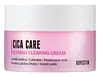
Emulsion StabilisingWater, Glycerin, 2,3-Butanediol, Hydrogenated Polydecene, Hydrogenated Poly(C6-14 Olefin), Niacinamide, Pentylene Glycol, Betaine, Caprylic/Capric Triglyceride, Cyclohexasiloxane, Vinyldimethicone, Butylene Glycol, 1,2-Hexanediol, Centella Asiatica Extract, Jojoba Esters, Macadamia Integrifolia Seed Oil, Calamine, Rosa Damascena Flower Water, Humulus Lupulus Extract, Centella Asiatica Flower/Leaf/Stem Extract, Dipropylene Glycol, Polymethylsilsesquioxane, Glyceryl Stearate, Cetearyl Olivate, Ammonium Acryloyldimethyltaurate/Vp Copolymer, Hydroxyethyl Acrylate/Sodium Acryloyldimethyl Taurate Copolymer, Sorbitan Olivate, Hydrogenated Lecithin, Cetearyl Glucoside, C12-20 Alkyl Glucoside, Tromethamine, Panthenol, Ethylhexylglycerin, Adenosine, Madecassic Acid, Asiatic Acid, Asiaticoside, Sorbitan Isostearate, Dipotassium Glycyrrhizate, Sodium Phytate, Tocopherol, Cyanocobalamin, Propanediol, Madecassoside, Citric Acid, Cetearyl Alcohol, C14-22 Alcohols, Carbomer
Ingredients Explained
These ingredients are found in both products.
Ingredients higher up in an ingredient list are typically present in a larger amount.
1,2-Hexanediol is a synthetic liquid and another multi-functional powerhouse.
It is a:
- Humectant, drawing moisture into the skin
- Emollient, helping to soften skin
- Solvent, dispersing and stabilizing formulas
- Preservative booster, enhancing the antimicrobial activity of other preservatives
Betaine is a humectant. Like hyaluronic acid, it helps attract and retain moisture in the skin. It’s known for being gentle and for helping the skin maintain balanced hydration.
Betaine is mainly used to improve hydration and support calmer skin. It helps skin cells regulate water balance because it functions as an osmolyte.
Some studies suggest betaine may support making skin tone more even.
Fun fact: Betaine naturally exists in the skin and the body. In cosmetic products, it can be either plant-derived (most commonly from sugar beets) or synthetically produced for consistency and stability.
Betaine is also known as trimethylglycine.
Learn more about BetaineCalamine is a "pink powder" that is used to calm itchy or irritated skin. In official medical standards, calamine is basically almost all zinc oxide with a tiny bit of iron oxide added for the pink color.
Lab testing requires that it’s at least 98% zinc oxide, which just means it has to be very pure and mostly zinc oxide.
In skincare, calamine can help relieve itches, calm skin, and absorb excess moisture/oil. This is why you'll often see it used for oozing rashes. Calamine is approved as a skin protectant active at 1-25% in US OTC drug products.
A big part of calamine's soothing effect comes from zinc oxide's protective properties. Since calamine can absorb excess moisture/oil, it might be drying for already dry skin types.
A review of topical medicament allergies notes that contact dermatitis from calamine isn't typically reported, but added actives in a formulation are known sensitizers.
Learn more about CalamineCaprylic/Capric Triglyceride (aka MCT Oil) is a lightweight emollient, solvent, and texture enhancer. It is considered a skin-softener by helping to prevent moisture loss.
Though it behaves like an oil, it is not technically one due to its chemical composition. One perk of this ingredient is that it is very stable, resistant to oxidation, and unlikely to go rancid.
In practice, that translates to a long shelf life and a consistently elegant skin feel.
While there is an assumption Caprylic Triglyceride can clog pores due to it being derived from coconut oil, there is no research supporting this. Just patch test if you have concerns.
Fractionated coconut oil and MCT Oil are both listed as Caprylic/Capric Triglyceride according to INCI. This is because INCI names are based on the ingredient’s final chemical composition and not its marketing name or source.
This ingredient is treated as the gold standard fungal acne safe oil. Even though it is coconut derived, the problematic lauric acid is stripped out.
This leaves just caprylic (C8) and capric (C10) acid. These chain lengths actually trend antifungal; a 2020 study found caprylic acid was enough to disrupt Malassezia furfur cell membrane, with a caprylic acid derivative damaging membrane structures at concentrations as low as 0.2%.
Learn more about Caprylic/Capric TriglycerideCarbomer is a high-molecular weight polymer of acrylic acid. It is used to form gels and thicken formulas.
Due to its large molecular size, carbomer has minimal skin penetration and is considered an inert ingredient.
A high amount of carbomer can cause pilling or balling up of products. Don't worry, most products contain 1% or less of carbomer.
Learn more about CarbomerCentella Asiatica Extract (Centella) is derived from an herb native to Southeast Asia. It is famous for its anti-inflammatory and soothing properties.
Centella is rich in antioxidants and amino acids, such as Madecassic Acid and Asiaticoside.
Studies show the compounds in centella help with:
The combination of all these properties makes centella effective at soothing, hydrating, and protecting the skin.
Other great components of centella include Vitamin A, vitamin C, several B vitamins, and Asiatic Acid.
Fun fact: Centella has been used as a medicine and in food for many centuries. As a medicine, it is used to treat burns, scratches, and wounds.
Learn more about Centella Asiatica ExtractCetearyl alcohol is a waxy mixture of two fatty alcohols: cetyl alcohol and stearyl alcohol. It is an emollient and emulsifier.
Despite having "alcohol" in its name, it has nothing to do with drying solvent alcohols; the FDA also allows "alcohol-free" products to contain fatty alcohols like this ingredient.
It plays several roles in a formula:
Typical use levels for this ingredient sit around 1-10% and the Cosmetic Ingredient Review Expert Panel has affirmed safety at concentrations up to 25% in leave-on products.
Multiple assessments have found it to be non-irritating and non-sensitizing to most people.
However, there have been some cases of allergic contact dermatitis in patients with chronically compromised skin barriers.
Cetearyl alcohol has a comedogenic rating of 2 and irritancy rating of 1. Both of these numbers come from the 1989 study that used rabbit ears; a "2" means mildly comedogenic and a "1" means low irritancy.
Here's the catch: rabbit skin is more sensitive than human skin and throws a lot of false positives. A 1996 reappraisal found that ingredients rated 1-2 in the rabbit ear tests are generally safe for humans.
Remember comedogenic ratings are unable to assess the entire formula of a product or how it will react on your skin. Just be sure to patch test if you are unsure about certain ingredients.
This ingredient is not fungal acne safe. Cetearyl alcohol is a fatty alcohol with chain lengths that fall within the range that Malassezia can metabolize.
A 2019 study has also observed Malassezia growth in the presence of this ingredient, confirming it to be not-fungal acne safe.
Learn more about Cetearyl AlcoholGlycerin (or glycerol) is a compound naturally found in your skin. It's a powerhouse humectant that pulls water into the stratum corneum.
Topically, glycerin does several things at once:
Your skin makes glycerin on its own (mostly from sebaceous oil breakdown) and shuttles it to your outermost layer of skin, or your epidermis, via aquaporin-3.
Aquaporin-3 is a transporter that is essential for normal skin hydration, elasticity, and repair. Interestingly, mice lacking in AQP3 have dry and less elastic skin that can be fully corrected with glycerin.
This ingredient is non-irritating, plays well with almost every ingredient, and works across all skin types. Typical use is anywhere between 3-10% but can go up to 79% in some leave-on products.
Just know very high concentrations (>40%) can feel tacky in low humidity.
Glycerin is the name for this ingredient in American English. British English uses Glycerol/Glycerine.
Learn more about GlycerinGlyceryl Stearate is made by reacting glycerin with stearic acid (typically sourced from plant oils like palm or coconut). It's an emulsifier, emollient, and mild occlusive.
Emulsifiers help ingredients like oil and water stay mixed so your formula stays nicely blended and uniform in texture.
This ingredient is typically used in concentrations between 1-10%. Studies have found it to be non-sensitizing, non-phototoxic, and non-photoallergenic.
A close cousin of this ingredient is Glyceryl Stearate SE ("self-emulsifying"). This just has a small amount of sodium or potassium stearate added so it can emulsify without a co-emulsifier.
Since this ingredient is an ester of a C18 fatty acid, it may not be fungal acne safe. The Malassezia yeast can potentially metabolize within the C11-C24 range.
Fun fact: The human body also creates Glyceryl Stearate naturally.
Learn more about Glyceryl StearateHydrogenated Lecithin is a more stable version of lecithin.
It's made by taking lecithin (a phospholipid commonly found in soybeans and egg yolks) and hydrogenating it. This just means the unsaturated fatty acids are turned into saturated ones so they don't go bad as easily.
This ingredient is an emollient, emulsifier, and penetration enhancer. As an emollient, it helps soften and hydrate skin by trapping moisture within. As an emulsifier, it prevents oil and water ingredients from separating.
Hydrogenated Lecithin can form tiny spherical structures made of phospholipid bilayers called liposomes. These liposomes are able to capture compounds inside their structure and deliver them through the skin barrier.
Because phospholipids are a natural component of our cell membranes, this ingredient is inherently compatible with skin.
A 2021 study found lecithin-based surfactants were less harsh and more tolerable comared to Sodium Lauryl Sulfate (SLS).
Learn more about Hydrogenated LecithinThis is a synthetic polymer. It helps improve the texture of products by adding thickness and gel-like feel.
It is also an emulsifer, meaning it prevents ingredients such as oil and water from separating. It also helps evenly disperse other ingredients.
Madecassoside is one of four active compounds found in Centella asiatica and is one of the main reasons Centella is so effective at calming irritated skin and supporting the moisture barrier.
There's a solid body of peer-reviewed research backing Madecassoside for several skin benefits. Studies have found:
Madecassoside pairs well with other hydrating or antioxidant ingredients like Ascorbic Acid or Hyaluronic Acid.
Learn more about MadecassosidePropanediol is an all-star ingredient. It softens, hydrates, and smooths the skin.
It’s often used to:
Propanediol is not likely to cause sensitivity and considered safe to use. It is derived from corn or petroleum with a clear color and no scent.
Learn more about PropanediolVinyldimethicone is a type of silicone.
Water. It's the most common cosmetic ingredient of all. You'll usually see it at the top of ingredient lists, meaning that it makes up the largest part of the product.
So why is it so popular? Water most often acts as a solvent - this means that it helps dissolve other ingredients into the formulation.
You'll also recognize water as that liquid we all need to stay alive. If you see this, drink a glass of water. Remember to stay hydrated!
Learn more about Water
