
What's inside
What's inside
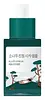 Key Ingredients
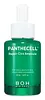
Benefits
Concerns
Ingredients Side-by-side
Pinus Densiflora Leaf Extract
Antimicrobial
Butylene Glycol
Humectant

Dipropylene Glycol
HumectantGlycereth-26
Humectant
Glycerin
Humectant
1,2-Hexanediol
Skin Conditioning
Centella Asiatica Extract
Cleansing



Propanediol
Solvent
Hyaluronic Acid
Humectant
Hydrolyzed Hyaluronic Acid
Humectant
Sodium Hyaluronate
Humectant
Ethylhexylglycerin
Skin ConditioningWater
Skin ConditioningGlycoproteins
Skin Conditioning
Melia Azadirachta Leaf Extract
Skin ConditioningCoptis Japonica Root Extract
Skin ConditioningMelia Azadirachta Flower Extract
Skin ConditioningHydroxyacetophenone
Antioxidant
Asiaticoside
Antioxidant
Asiatic Acid
Skin Conditioning
Madecassoside
Antioxidant
Madecassic Acid
Skin Conditioning
Sodium Citrate
BufferingCapryloyl Salicylic Acid
Exfoliating




Disodium EDTA
Xanthan Gum
EmulsifyingCarbomer
Emulsion StabilisingTromethamine
BufferingCitric Acid
Buffering


Pinus Densiflora Leaf Extract, Butylene Glycol, Dipropylene Glycol, Glycereth-26, Glycerin, 1,2-Hexanediol, Centella Asiatica Extract, Propanediol, Hyaluronic Acid, Hydrolyzed Hyaluronic Acid, Sodium Hyaluronate, Ethylhexylglycerin, Water, Glycoproteins, Melia Azadirachta Leaf Extract, Coptis Japonica Root Extract, Melia Azadirachta Flower Extract, Hydroxyacetophenone, Asiaticoside, Asiatic Acid, Madecassoside, Madecassic Acid, Sodium Citrate, Capryloyl Salicylic Acid, Disodium EDTA, Xanthan Gum, Carbomer, Tromethamine, Citric Acid
Centella Asiatica Extract 57.1%
Cleansing
Panthenol 10%
Skin Conditioning
Propanediol
Solvent
Glycerin
Humectant
Methylpropanediol
SolventButylene Glycol
Humectant
Niacinamide
Smoothing
Water
Skin ConditioningHydrolyzed Hyaluronic Acid
Humectant
Candida Bombicola/Glucose/Methyl Rapeseedate Ferment
AntimicrobialCentella Asiatica Leaf Extract
Skin Conditioning
Helianthus Annuus Seed Oil
Emollient

Betaine
Humectant
1,2-Hexanediol
Skin Conditioning
Hydroxyethyl Urea
Humectant
Polyglyceryl-10 Laurate
Skin Conditioning
Triethylhexanoin
MaskingAcrylates/C10-30 Alkyl Acrylate Crosspolymer
Emulsion StabilisingDiphenyl Dimethicone
Emollient
Madecassoside
Antioxidant
Ceramide NP
Skin Conditioning
Ammonium Acryloyldimethyltaurate/Vp Copolymer
Tromethamine
BufferingEthylhexylglycerin
Skin ConditioningAdenosine
Skin Conditioning
Hydrogenated Polydecene
EmollientPhospholipids
Skin Conditioning
Squalane
Emollient
Hydrogenated Lecithin
Emulsifying
Cholesterol
Emollient
Phytosphingosine
Skin Conditioning
Sodium Phytate
Asiaticoside
Antioxidant
Glyceryl Acrylate/Acrylic Acid Copolymer
HumectantDipropylene Glycol
HumectantBeta-Glucan
Skin Conditioning
Tocopherol
Antioxidant
Lecithin
Emollient
Escin
TonicBeta-Sitosterol
Emulsion Stabilising
Citric Acid
Buffering
Acetyl Hexapeptide-8
Humectant
Ascorbic Acid Polypeptide
Antioxidant
Acetyl Octapeptide-3
Humectant
Acetyl Tetrapeptide-2
Skin Conditioning
Acetyl Tetrapeptide-3
Skin Protecting
Acetyl Tetrapeptide-5
Humectant
Acetyl Tetrapeptide-9
Skin Conditioning
Carnosine
Skin Conditioning
Copper Tripeptide-1
Skin Conditioning
Nonapeptide-1
Skin Conditioning
Palmitoyl Pentapeptide-4
Skin Conditioning
Xanthan Gum
EmulsifyingCetearyl Alcohol
Emollient



Centella Asiatica Extract 57.1%, Panthenol 10%, Propanediol, Glycerin, Methylpropanediol, Butylene Glycol, Niacinamide, Water, Hydrolyzed Hyaluronic Acid, Candida Bombicola/Glucose/Methyl Rapeseedate Ferment, Centella Asiatica Leaf Extract, Helianthus Annuus Seed Oil, Betaine, 1,2-Hexanediol, Hydroxyethyl Urea, Polyglyceryl-10 Laurate, Triethylhexanoin, Acrylates/C10-30 Alkyl Acrylate Crosspolymer, Diphenyl Dimethicone, Madecassoside, Ceramide NP, Ammonium Acryloyldimethyltaurate/Vp Copolymer, Tromethamine, Ethylhexylglycerin, Adenosine, Hydrogenated Polydecene, Phospholipids, Squalane, Hydrogenated Lecithin, Cholesterol, Phytosphingosine, Sodium Phytate, Asiaticoside, Glyceryl Acrylate/Acrylic Acid Copolymer, Dipropylene Glycol, Beta-Glucan, Tocopherol, Lecithin, Escin, Beta-Sitosterol, Citric Acid, Acetyl Hexapeptide-8, Ascorbic Acid Polypeptide, Acetyl Octapeptide-3, Acetyl Tetrapeptide-2, Acetyl Tetrapeptide-3, Acetyl Tetrapeptide-5, Acetyl Tetrapeptide-9, Carnosine, Copper Tripeptide-1, Nonapeptide-1, Palmitoyl Pentapeptide-4, Xanthan Gum, Cetearyl Alcohol
Reviews
Ingredients Explained
These ingredients are found in both products.
Ingredients higher up in an ingredient list are typically present in a larger amount.
1,2-Hexanediol is a synthetic liquid and another multi-functional powerhouse.
It is a:
- Humectant, drawing moisture into the skin
- Emollient, helping to soften skin
- Solvent, dispersing and stabilizing formulas
- Preservative booster, enhancing the antimicrobial activity of other preservatives
Asiaticoside comes from the super popular skin-soothing ingredient, Centella asiatica. It's the reason centella-based products have a strong reputation for repairing and calming skin, along with its sibling compound Madecassoside.
Research from 2016-2025 supports its role in:
You'll usually find this in concentrations between 0.2-5%.
Learn more about AsiaticosideButylene Glycol (or BG) is used within cosmetic products for a few different reasons:
Overall, Butylene Glycol is a safe and well-rounded ingredient that works well with other ingredients.
Though this ingredient works well with most skin types, some people with sensitive skin may experience a reaction such as allergic rashes, closed comedones, or itchiness.
Learn more about Butylene GlycolCentella Asiatica Extract (Centella) is derived from an herb native to Southeast Asia. It is famous for its anti-inflammatory and soothing properties.
Centella is rich in antioxidants and amino acids, such as Madecassic Acid and Asiaticoside.
Studies show the compounds in centella help with:
The combination of all these properties makes centella effective at soothing, hydrating, and protecting the skin.
Other great components of centella include Vitamin A, vitamin C, several B vitamins, and Asiatic Acid.
Fun fact: Centella has been used as a medicine and in food for many centuries. As a medicine, it is used to treat burns, scratches, and wounds.
Learn more about Centella Asiatica ExtractCitric Acid is an alpha hydroxy acid (AHA) naturally found in citrus fruits like oranges, lemons, and limes.
Like other AHAs, citric acid can exfoliate skin by breaking down the bonds that hold dead skin cells together. This helps reveal smoother and brighter skin underneath.
However, this exfoliating effect only happens at high concentrations (20%) which can be hard to find in cosmetic products.
Due to this, citric acid is usually included in small amounts as a pH adjuster. This helps keep products slightly more acidic and compatible with skin's natural pH.
In skincare formulas, citric acid can:
While it can provide some skin benefits, research shows lactic acid and glycolic acid are generally more effective and less irritating exfoliants.
Most citric acid used in skincare today is made by fermenting sugars (usually from molasses). This synthetic version is identical to the natural citrus form but easier to stabilize and use in formulations.
Read more about some other popular AHA's here:
Learn more about Citric AcidDipropylene Glycol is a synthetically created humectant, stabilizer, and solvent.
This ingredient helps:
Dipropylene glycol is technically an alcohol, but it belongs to the glycol family (often considered part of the ‘good’ alcohols). This means it is hydrating and gentle on skin unlike drying solvent alcohols like denatured alcohol.
As a masking agent, Dipropylene Glycol can be used to cover the smell of other ingredients. However, it does not have a scent.
Studies show Dipropylene Glycol is considered safe to use in skincare.
Learn more about Dipropylene GlycolEthylhexylglycerin is created from glycerin. It is a multitasker ingredient that:
The CIR Expert Panel found minimal skin absorption or sensitization of any kind in a safety assessment. Though this ingredient is considered well-tolerated, a small number of cases of allergic dermatitis have been published since 2002. Just be sure to patch test if you are unsure.
Industry-reported use ranges from 8% in rinse-off products and 2% in leave-on formulations.
Learn more about EthylhexylglycerinGlycerin (or glycerol) is a compound naturally found in your skin. It's a powerhouse humectant that pulls water into the stratum corneum.
Topically, glycerin does several things at once:
Your skin makes glycerin on its own (mostly from sebaceous oil breakdown) and shuttles it to your outermost layer of skin, or your epidermis, via aquaporin-3.
Aquaporin-3 is a transporter that is essential for normal skin hydration, elasticity, and repair. Interestingly, mice lacking in AQP3 have dry and less elastic skin that can be fully corrected with glycerin.
This ingredient is non-irritating, plays well with almost every ingredient, and works across all skin types. Typical use is anywhere between 3-10% but can go up to 79% in some leave-on products.
Just know very high concentrations (>40%) can feel tacky in low humidity.
Glycerin is the name for this ingredient in American English. British English uses Glycerol/Glycerine.
Learn more about GlycerinHydrolyzed Hyaluronic Acid is hyaluronic acid (HA) that is broken down into lower molecular weight fragments.
It's a humectant that pulls and holds water in the skin to help with hydration, plumpness, and reduce transepidermal water loss.
Because hydrolyzed hyaluronic acid is smaller in size, it can slip past your outermost layer of skin more easily than full-sized HA.
Most formulations will combine all sizes to get the best of both worlds.
Typical usage levels range from 0.01-1%. Any percentage higher than 2% might become goopy and tacky.
Learn more about Hydrolyzed Hyaluronic AcidMadecassoside is one of four active compounds found in Centella asiatica and is one of the main reasons Centella is so effective at calming irritated skin and supporting the moisture barrier.
There's a solid body of peer-reviewed research backing Madecassoside for several skin benefits. Studies have found:
Madecassoside pairs well with other hydrating or antioxidant ingredients like Ascorbic Acid or Hyaluronic Acid.
Learn more about MadecassosidePropanediol is an all-star ingredient. It softens, hydrates, and smooths the skin.
It’s often used to:
Propanediol is not likely to cause sensitivity and considered safe to use. It is derived from corn or petroleum with a clear color and no scent.
Learn more about PropanediolTromethamine helps balance the pH and improve the texture of a product. It is synthetically created.
As an emulsifier, Tromethamine prevents oil and water ingredients from separating. This helps stabilize the product and elongate a product's shelf life. Tromethamine also makes a product thicker.
Tromethamine helps balance the pH level of a product. Normal pH level of skin is slightly acidic (~4.75-5.5). The acidity of our skin is maintained by our glands and skin biome. Being slightly acidic allows our skin to create an "acid mantle". This acid mantle is a thin barrier that protects our skin from bacteria and contaminants.
Oral Tromethanmine is an anti-inflammatory drug but plays the role of masking, adding fragrance, and/or balancing pH in skincare.
1,3-Propanediol, 2-amino-2-(hydroxymethyl)-
Learn more about TromethamineWater. It's the most common cosmetic ingredient of all. You'll usually see it at the top of ingredient lists, meaning that it makes up the largest part of the product.
So why is it so popular? Water most often acts as a solvent - this means that it helps dissolve other ingredients into the formulation.
You'll also recognize water as that liquid we all need to stay alive. If you see this, drink a glass of water. Remember to stay hydrated!
Learn more about WaterXanthan gum is used as a stabilizer and thickener within cosmetic products. It helps give products a sticky, thick feeling - preventing them from being too runny.
On the technical side of things, xanthan gum is a polysaccharide - a combination consisting of multiple sugar molecules bonded together.
Xanthan gum is a pretty common and great ingredient. It is a natural, non-toxic, non-irritating ingredient that is also commonly used in food products.
Learn more about Xanthan Gum
