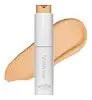
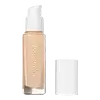
RMS Beauty ReEvolve Natural Finish Liquid Foundation Versus Jane Iredale Skintuition SPF 30 Radiance-Boosting Liquid Foundation

What's inside
What's inside
 Key Ingredients
Benefits
Concerns
Ingredients Side-by-side
Water
Skin ConditioningIsoamyl Laurate
Emollient

C9-12 Alkane
SolventPropanediol
Solvent

Polyglyceryl-3 Polyricinoleate
Emulsifying
Silica
Abrasive


Hydrogenated Olive Oil Unsaponifiables
Emollient
Hydrogenated Polydecene
EmollientDisteardimonium Hectorite
StabilisingSorbitan Isostearate
Emulsifying
Sodium Chloride
MaskingSqualane
Emollient
Sodium Dehydroacetate
Preservative
Aluminum Hydroxide
EmollientGlycerin
Humectant
Coco-Caprylate/Caprate
Emollient
Caprylyl Glycol
Emollient
1,2-Hexanediol
Skin Conditioning
Simmondsia Chinensis Seed Oil
Emollient
Sodium Phytate
ChelatingSodium Lauroyl Glutamate
SurfactantHelianthus Annuus Seed Oil
Emollient
Lysine
Skin ConditioningTocopherol
Antioxidant




Magnesium Chloride
Disodium Acetyl Glucosamine Phosphate
Skin ConditioningSodium Glucuronate
HumectantBeta-Sitosterol
Emulsion Stabilising
Calendula Officinalis Flower Extract
Masking

Squalene
Emollient
Hypericum Perforatum Flower Extract
Skin ConditioningEquisetum Arvense Leaf Extract
AstringentHemidesmus Indicus Root Powder
Skin ConditioningCurcuma Longa Root Extract
Antioxidant
Withania Somnifera Root Extract
Skin Conditioning
Glycyrrhiza Glabra Root Extract
Bleaching
Olea Europaea Leaf Extract
Perfuming
Magnesium Sulfate
Aloe Barbadensis Leaf Extract
Emollient
CI 77891
Cosmetic ColorantIron Oxides
CI 77491
Cosmetic ColorantCI 77492
Cosmetic ColorantCI 77499
Cosmetic ColorantWater, Isoamyl Laurate, C9-12 Alkane, Propanediol, Polyglyceryl-3 Polyricinoleate, Silica, Hydrogenated Olive Oil Unsaponifiables, Hydrogenated Polydecene, Disteardimonium Hectorite, Sorbitan Isostearate, Sodium Chloride, Squalane, Sodium Dehydroacetate, Aluminum Hydroxide, Glycerin, Coco-Caprylate/Caprate, Caprylyl Glycol, 1,2-Hexanediol, Simmondsia Chinensis Seed Oil, Sodium Phytate, Sodium Lauroyl Glutamate, Helianthus Annuus Seed Oil, Lysine, Tocopherol, Magnesium Chloride, Disodium Acetyl Glucosamine Phosphate, Sodium Glucuronate, Beta-Sitosterol, Calendula Officinalis Flower Extract, Squalene, Hypericum Perforatum Flower Extract, Equisetum Arvense Leaf Extract, Hemidesmus Indicus Root Powder, Curcuma Longa Root Extract, Withania Somnifera Root Extract, Glycyrrhiza Glabra Root Extract, Olea Europaea Leaf Extract, Magnesium Sulfate, Aloe Barbadensis Leaf Extract, CI 77891, Iron Oxides, CI 77491, CI 77492, CI 77499
Zinc Oxide 15.6%
Cosmetic Colorant

Water
Skin ConditioningOctyldodecanol
Emollient
Isononyl Isononanoate
EmollientC13-15 Alkane
SolventPropanediol
Solvent
C9-12 Alkane
SolventPolyglyceryl-3 Polyricinoleate
Emulsifying
Trimethylsiloxysilicate
Emollient
1,2-Hexanediol
Skin Conditioning
Hydrogenated Polyisobutene
EmollientDisteardimonium Hectorite
StabilisingSodium Chloride
MaskingTriethoxycaprylylsilane
Polyhydroxystearic Acid
Emulsifying
Lauroyl Lysine
Skin Conditioning
Tocopherol
Antioxidant
Sodium Hyaluronate
Humectant
Pyrus Malus Fruit Extract
Skin Conditioning
Helianthus Annuus Seed Oil
Emollient
Xylitylglucoside
Humectant
Anhydroxylitol
Humectant
Simmondsia Chinensis Seed Oil
Emollient
Glyceryl Linoleate
Emollient
Sucrose Palmitate
EmollientXylitol
Humectant
Glycerin
Humectant
Silica
Abrasive
CI 77891
Cosmetic ColorantCI 77492
Cosmetic ColorantCI 77491
Cosmetic ColorantCI 77499
Cosmetic ColorantZinc Oxide 15.6%, Water, Octyldodecanol, Isononyl Isononanoate, C13-15 Alkane, Propanediol, C9-12 Alkane, Polyglyceryl-3 Polyricinoleate, Trimethylsiloxysilicate, 1,2-Hexanediol, Hydrogenated Polyisobutene, Disteardimonium Hectorite, Sodium Chloride, Triethoxycaprylylsilane, Polyhydroxystearic Acid, Lauroyl Lysine, Tocopherol, Sodium Hyaluronate, Pyrus Malus Fruit Extract, Helianthus Annuus Seed Oil, Xylitylglucoside, Anhydroxylitol, Simmondsia Chinensis Seed Oil, Glyceryl Linoleate, Sucrose Palmitate, Xylitol, Glycerin, Silica, CI 77891, CI 77492, CI 77491, CI 77499
Ingredients Explained
These ingredients are found in both products.
Ingredients higher up in an ingredient list are typically present in a larger amount.
1,2-Hexanediol is a synthetic liquid and another multi-functional powerhouse.
It is a:
- Humectant, drawing moisture into the skin
- Emollient, helping to soften skin
- Solvent, dispersing and stabilizing formulas
- Preservative booster, enhancing the antimicrobial activity of other preservatives
C9-12 Alkane is synethically created using alkanes, or paraffins. It is added to products as a solvent. This means its main purpose is to help dissolve ingredients and create even texture.
Ci 77491 is also hydrated iron III oxide. It's sole purpose is to give a red/pink hue to products.
Iron III oxides are classified as inorganic chemicals for coloring.
Synthetically created Ci 77491 is considered safer than those naturally found. This is because the synthetically created version may contain less impurities. Iron oxides are generally non-toxic and non-allergenic.
Learn more about CI 77491CI 77492 is also hydrated iron III oxide. It's sole purpose is to give a yellow hue to products.
Iron III oxides are classified as inorganic chemicals for coloring.
Synthetically created CI 77492 is considered safer than those naturally found. This is because the synthetically created version may contain less impurities. Iron oxides are generally non-toxic and non-allergenic.
Learn more about CI 77492Ci 77499 is also hydrated iron III oxide. It is created from mixing red and black iron oxides. This helps give shades of darkness to a product.
Iron III oxides are classified as inorganic chemicals for coloring.
Ci 77891 is a white pigment from Titanium dioxide. It is naturally found in minerals such as rutile and ilmenite.
It's main function is to add a white color to cosmetics. It can also be mixed with other colors to create different shades.
Ci 77891 is commonly found in sunscreens due to its ability to block UV rays.
Learn more about CI 77891Disteardimonium Hectorite comes from the clay mineral named hectorite. It is used to add thickness to a product.
It can also help stabilize a product by helping to disperse other ingredients.
Hectorite is a rare, white clay mineral.
Learn more about Disteardimonium HectoriteGlycerin (or glycerol) is a compound naturally found in your skin. It's a powerhouse humectant that pulls water into the stratum corneum.
Topically, glycerin does several things at once:
Your skin makes glycerin on its own (mostly from sebaceous oil breakdown) and shuttles it to your outermost layer of skin, or your epidermis, via aquaporin-3.
Aquaporin-3 is a transporter that is essential for normal skin hydration, elasticity, and repair. Interestingly, mice lacking in AQP3 have dry and less elastic skin that can be fully corrected with glycerin.
This ingredient is non-irritating, plays well with almost every ingredient, and works across all skin types. Typical use is anywhere between 3-10% but can go up to 79% in some leave-on products.
Just know very high concentrations (>40%) can feel tacky in low humidity.
Glycerin is the name for this ingredient in American English. British English uses Glycerol/Glycerine.
Learn more about GlycerinHelianthus Annuus Seed Oil is a plant oil derived from the seeds of a sunflower.
It is rich in fatty acids, primarily linoleic acid and oleic acid. This gives it emollient and skin conditioning properties.
The reason this ingredient is so effective is because it forms a thin film on the skin that reduces transepidermal water loss (TEWL) while supplying linoleic acid to the stratum corneum to improve barrier strength.
The high linoleic acid content is particularly noteworthy for acne-prone skin.
Research suggests that acne-prone skin tends to be deficient in linoleic acid in sebum. Topical application may help replenish this to support a healthier follicular environment and less comedone-promoting sebum.
One randomized study found sunflower seed oil preserved skin barrier integrity in adult volunteers with and without atopic dermatitis (outperforming olive oil).
This ingredient is well-studied, gentle, and an effective emollient suitable for most skin types.
On fungal acne: This ingredient may not be Fungal acne (Malassezia folliculitis) safe. This is because it contains fatty acids with carbon chain lengths in the C11-C24 range.
Learn more about Helianthus Annuus Seed OilPolyglyceryl-3 Polyricinoleate is a plant-derived emulsifier made by combining glycerin and ricinoleic acid.
It works well for giving buttery lip balms and low-viscosity water-in-oil emulsions a non-greasy and pleasant skin feel.
Typical concentrations range from 0.1-3%.
This ingredient is mild and non-irritating in nature.
Because it is derived from ricinoleic acid, this ingredient may not be fungal acne safe. Ricinoleic acid is an unsaturated fatty acid that the Malassezia yeast can metabolize.
Learn more about Polyglyceryl-3 PolyricinoleatePropanediol is an all-star ingredient. It softens, hydrates, and smooths the skin.
It’s often used to:
Propanediol is not likely to cause sensitivity and considered safe to use. It is derived from corn or petroleum with a clear color and no scent.
Learn more about PropanediolSilica, also known as silicon dioxide, is a naturally occurring mineral. It is used as a fine, spherical, and porous powder in cosmetics.
Though it has exfoliant properties, the function of silica varies depending on the product.
The unique structure of silica enhances the spreadability and adds smoothness, making it a great texture enhancer.
It is also used as an active carrier, emulsifier, and mattifier due to its ability to absorb excess oil.
In some products, tiny microneedles called spicules are made from silica or hydrolyzed sponge. When you rub them in, they lightly polish away dead skin layers and enhance the penetration of active ingredients.
Learn more about SilicaJojoba oil is one of the most well-studied plant-derived ingredients in cosmetics. It is an emollient with a special structure.
Because it is made up of 97-98% wax esters, it closely mirrors the linear monoesters found in human sebum. This makes it skin compatible, non-greasy, and lightweight.
Unlike other plant oils, jojoba wax doesn't easily penetrate skin. It mostly works in the uppermost layers as an emollient. This just means it forms a light barrier on the skin to help retain moisture.
Formulations with jojoba esters up to 90% reduced transepidermal water loss (TEWL) and increased barrier recovery by 81% (outperforming bisabolol at 47%).
Besides barrier support, the science also suggests jojoba to have anti-inflammatory effects and potential applications for skin infections, aging, and wound healing.
Fun fact: Indigenous cultures have used jojoba as a moisturizer and to help treat burns for centuries.
Fungal acne: The Malassezia yeast is known to metabolize fatty acids in the C11-24 range and jojoba's dominant fatty acid components fall into this range. This ingredient may not be fungal acne safe.
Learn more about Simmondsia Chinensis Seed OilChances are, you eat sodium chloride every day. Sodium Chloride is also known as table salt. This ingredient has many purposes in skincare: thickener, emulsifier, and exfoliator.
You'll most likely find this ingredient in cleansers where it is used to create a gel-like texture. As an emulsifier, it also prevents ingredients from separating.
You might see people debate whether Sodium Chloride is comedogenic, but there actually haven't been any comedogenic tests done on it. Either way, the overall formulation of a product matters a lot more than any single ingredient.
You might see this ingredient used in scrubs as a primary exfoliating ingredient.
Learn more about Sodium ChlorideTocopherol is a fat-soluble antioxidant known as Vitamin E.
You'll find this ingredient in the vast majority of skincare (for good reason). It works to neutralize free radicals, or unstable molecules generated by UV exposure, pollution, and other environmental stressors, before they can cause oxidative damage to your skin cells.
Topically applied tocopherol has been shown to protect against UV damage by ramping up the skin's own natural defense enzymes.
It also acts as a skin conditioning agent; some studies show that regular topical use can improve the skin's water-binding capacity over 2-4 weeks.
This ingredient is especially loved for being a team player. When combined with Vitamin C, the photoprotective effect of both ingredients roughly doubles and the combo also helps reduce UV-induced DNA damage.
This ingredient has some brightening potential but it's more of a prevention ingredient than spot-fader. Cell studies show it can slow down melanin production but it's worth noting that it's not the most powerful brightener out there.
In formulations, it also serves as a stabilizer that helps protect other oxidation-prone ingredients from degrading.
Concentrations usually range from 0.1-1% in most leave-on products.
Learn more about TocopherolWater. It's the most common cosmetic ingredient of all. You'll usually see it at the top of ingredient lists, meaning that it makes up the largest part of the product.
So why is it so popular? Water most often acts as a solvent - this means that it helps dissolve other ingredients into the formulation.
You'll also recognize water as that liquid we all need to stay alive. If you see this, drink a glass of water. Remember to stay hydrated!
Learn more about Water

