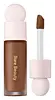
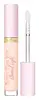
Rare Beauty Liquid Touch Brightening Concealer Versus Too Faced Born This Way Ethereal Light Illuminating Smoothing Concealer

What's inside
What's inside
 Key Ingredients
Benefits
Concerns
Ingredients Side-by-side
Water
Skin ConditioningDimethicone
Emollient

Hydrogenated Didecene
Skin ConditioningCetyl PEG/PPG-10/1 Dimethicone
Emulsifying
Propanediol
Solvent

Glycerin
Humectant
Acrylates/Polytrimethylsiloxymethacrylate Copolymer
Skin ConditioningBoron Nitride
Absorbent
Polyglyceryl-4 Isostearate
Emulsifying

Trimethylsiloxysilicate
Emollient
Isododecane
EmollientDisodium Stearoyl Glutamate
CleansingDisteardimonium Hectorite
StabilisingHydroxyacetophenone
Antioxidant
Oryza Sativa Bran Wax
Skin Conditioning
Sodium Chloride
MaskingDimethicone Crosspolymer
Emulsion Stabilising
Helianthus Annuus Seed Oil
Emollient
Caprylyl Glycol
Emollient
1,2-Hexanediol
Skin Conditioning
Phenyl Trimethicone
Skin Conditioning
Tocopheryl Acetate
Antioxidant

Aluminum Hydroxide
EmollientTrisodium Ethylenediamine Disuccinate
ChelatingDimethiconol
Emollient
Decyl Glucoside
Cleansing
Gardenia Florida Fruit Extract
Skin ConditioningHexylene Glycol
EmulsifyingNelumbo Nucifera Flower Extract
Skin ConditioningNymphaea Odorata Root Extract
RefreshingPhenoxyethanol
Preservative
CI 77891
Cosmetic ColorantIron Oxides
Water, Dimethicone, Hydrogenated Didecene, Cetyl PEG/PPG-10/1 Dimethicone, Propanediol, Glycerin, Acrylates/Polytrimethylsiloxymethacrylate Copolymer, Boron Nitride, Polyglyceryl-4 Isostearate, Trimethylsiloxysilicate, Isododecane, Disodium Stearoyl Glutamate, Disteardimonium Hectorite, Hydroxyacetophenone, Oryza Sativa Bran Wax, Sodium Chloride, Dimethicone Crosspolymer, Helianthus Annuus Seed Oil, Caprylyl Glycol, 1,2-Hexanediol, Phenyl Trimethicone, Tocopheryl Acetate, Aluminum Hydroxide, Trisodium Ethylenediamine Disuccinate, Dimethiconol, Decyl Glucoside, Gardenia Florida Fruit Extract, Hexylene Glycol, Nelumbo Nucifera Flower Extract, Nymphaea Odorata Root Extract, Phenoxyethanol, CI 77891, Iron Oxides
Water
Skin ConditioningHydrogenated Didecene
Skin ConditioningC9-12 Alkane
SolventGlycerin
Humectant
Polyglyceryl-4 Isostearate
Emulsifying
Trimethylsiloxysilicate
Emollient
Lauryl Polyglyceryl-3 Polydimethylsiloxyethyl Dimethicone
Skin Conditioning
Caprylic/Capric Triglyceride
Masking
Polypropylsilsesquioxane
Isohexadecane
EmollientVp/Hexadecene Copolymer
Cocos Nucifera Fruit Juice
Emollient
Cocos Nucifera Liquid Endosperm
Helianthus Annuus Seed Oil
Emollient
Aloe Barbadensis Leaf Juice
Skin Conditioning

Rosmarinus Officinalis Leaf Extract
AntimicrobialRhododendron Ferrugineum Extract
MaskingAesculus Hippocastanum Extract
Antioxidant
Raphanus Sativus Seed Extract
Skin ConditioningArgania Spinosa Kernel Oil
Emollient
Sodium Hyaluronate
Humectant

Caprylyl Glycol
Emollient
Octyldodecanol
Emollient
Stearalkonium Hectorite
Gel FormingSqualane
Emollient
Tripeptide-1
Skin Conditioning
Coco-Caprylate/Caprate
Emollient
Citric Acid
Buffering
Xanthan Gum
EmulsifyingButylene/Ethylene/Styrene Copolymer
Trisodium Ethylenediamine Disuccinate
ChelatingEthylene/Propylene/Styrene Copolymer
Propylene Carbonate
Solvent1,2-Hexanediol
Skin Conditioning
Hydrogenated Lecithin
Emulsifying
Lecithin
Emollient
Sodium Chloride
MaskingDisteardimonium Hectorite
StabilisingHydrogenated Styrene/Isoprene Copolymer
Fructose
Humectant
Tocopherol
Antioxidant
Tocopheryl Acetate
Antioxidant
Pentaerythrityl Tetra-Di-T-Butyl Hydroxyhydrocinnamate
Antioxidant
Sodium Benzoate
Masking
Potassium Sorbate
Preservative
Phenoxyethanol
Preservative
Sodium Dehydroacetate
Preservative
CI 77891
Cosmetic ColorantCI 77491
Cosmetic ColorantCI 77492
Cosmetic ColorantCI 77499
Cosmetic ColorantWater, Hydrogenated Didecene, C9-12 Alkane, Glycerin, Polyglyceryl-4 Isostearate, Trimethylsiloxysilicate, Lauryl Polyglyceryl-3 Polydimethylsiloxyethyl Dimethicone, Caprylic/Capric Triglyceride, Polypropylsilsesquioxane, Isohexadecane, Vp/Hexadecene Copolymer, Cocos Nucifera Fruit Juice, Cocos Nucifera Liquid Endosperm, Helianthus Annuus Seed Oil, Aloe Barbadensis Leaf Juice, Rosmarinus Officinalis Leaf Extract, Rhododendron Ferrugineum Extract, Aesculus Hippocastanum Extract, Raphanus Sativus Seed Extract, Argania Spinosa Kernel Oil, Sodium Hyaluronate, Caprylyl Glycol, Octyldodecanol, Stearalkonium Hectorite, Squalane, Tripeptide-1, Coco-Caprylate/Caprate, Citric Acid, Xanthan Gum, Butylene/Ethylene/Styrene Copolymer, Trisodium Ethylenediamine Disuccinate, Ethylene/Propylene/Styrene Copolymer, Propylene Carbonate, 1,2-Hexanediol, Hydrogenated Lecithin, Lecithin, Sodium Chloride, Disteardimonium Hectorite, Hydrogenated Styrene/Isoprene Copolymer, Fructose, Tocopherol, Tocopheryl Acetate, Pentaerythrityl Tetra-Di-T-Butyl Hydroxyhydrocinnamate, Sodium Benzoate, Potassium Sorbate, Phenoxyethanol, Sodium Dehydroacetate, CI 77891, CI 77491, CI 77492, CI 77499
Reviews
Ingredients Explained
These ingredients are found in both products.
Ingredients higher up in an ingredient list are typically present in a larger amount.
1,2-Hexanediol is a synthetic liquid and another multi-functional powerhouse.
It is a:
- Humectant, drawing moisture into the skin
- Emollient, helping to soften skin
- Solvent, dispersing and stabilizing formulas
- Preservative booster, enhancing the antimicrobial activity of other preservatives
Caprylyl Glycol is a humectant, skin conditioner, emollient, and preservative booster derived from either caprylic acid or synthetically created.
Typical use levels vary from 0.3-1% as a preservative booster and go up to 2% to condition skin.
Because it is not a free-fatty acid, this ingredient is fungal acne safe (there's nothing for Malassezia to feed on).
Learn more about Caprylyl GlycolCi 77891 is a white pigment from Titanium dioxide. It is naturally found in minerals such as rutile and ilmenite.
It's main function is to add a white color to cosmetics. It can also be mixed with other colors to create different shades.
Ci 77891 is commonly found in sunscreens due to its ability to block UV rays.
Learn more about CI 77891Disteardimonium Hectorite comes from the clay mineral named hectorite. It is used to add thickness to a product.
It can also help stabilize a product by helping to disperse other ingredients.
Hectorite is a rare, white clay mineral.
Learn more about Disteardimonium HectoriteGlycerin (or glycerol) is a compound naturally found in your skin. It's a powerhouse humectant that pulls water into the stratum corneum.
Topically, glycerin does several things at once:
Your skin makes glycerin on its own (mostly from sebaceous oil breakdown) and shuttles it to your outermost layer of skin, or your epidermis, via aquaporin-3.
Aquaporin-3 is a transporter that is essential for normal skin hydration, elasticity, and repair. Interestingly, mice lacking in AQP3 have dry and less elastic skin that can be fully corrected with glycerin.
This ingredient is non-irritating, plays well with almost every ingredient, and works across all skin types. Typical use is anywhere between 3-10% but can go up to 79% in some leave-on products.
Just know very high concentrations (>40%) can feel tacky in low humidity.
Glycerin is the name for this ingredient in American English. British English uses Glycerol/Glycerine.
Learn more about GlycerinHelianthus Annuus Seed Oil is a plant oil derived from the seeds of a sunflower.
It is rich in fatty acids, primarily linoleic acid and oleic acid. This gives it emollient and skin conditioning properties.
The reason this ingredient is so effective is because it forms a thin film on the skin that reduces transepidermal water loss (TEWL) while supplying linoleic acid to the stratum corneum to improve barrier strength.
The high linoleic acid content is particularly noteworthy for acne-prone skin.
Research suggests that acne-prone skin tends to be deficient in linoleic acid in sebum. Topical application may help replenish this to support a healthier follicular environment and less comedone-promoting sebum.
One randomized study found sunflower seed oil preserved skin barrier integrity in adult volunteers with and without atopic dermatitis (outperforming olive oil).
This ingredient is well-studied, gentle, and an effective emollient suitable for most skin types.
On fungal acne: This ingredient may not be Fungal acne (Malassezia folliculitis) safe. This is because it contains fatty acids with carbon chain lengths in the C11-C24 range.
Learn more about Helianthus Annuus Seed OilWe don't have a description for Hydrogenated Didecene yet.
Phenoxyethanol is one of the most widely used preservatives in skincare (and for good reason!).
It has a large spectrum of antimicrobial activity and especially effective bacteria, yeast, and mold while only having a weak effect on your skin's natural microbiome.
On a cellular level, it disrupts the cell membranes of microbes by poking holes that make the cell leak. This shuts down the chemical reactions the microbe needs to make energy so it can no longer survive.
Another perk of this ingredient is that it stays functional across a wide pH range (3-10).
You'll often see it paired with boosters like Ethylhexylglycerin; one study showed that a 1:9 ratio of Ethylhexylglycerin to Phenoxyethanol damages bacterial membranes as effectively as doubling the Phenoxyethanol concentration on its own.
Typical use concentrations range from 0.3-1% depending on the formula, and this ingredient is capped at 1% int the EU.
Safety-wise, the fear mongering does not hold up to the evidence. The EU's Scientific Committee on Consumer Safety and FDA consider it safe as a preservative at up to 1%, including for children of all ages.
Adverse systemic effects only showed up in animal studies at exposures roughly 200x higher than what people get from cosmetics. And despite its very widespread use, this ingredient is a rare sensitizer and allergic reactions are uncommon.
Learn more about PhenoxyethanolPolyglyceryl-4 Isostearate is a plant-derived, PEG-free emulsifier.
It's made by hooking isostearic acid onto a chain of glycerin units to give it a water-loving "head" and oil-loving "tail". This allows it to keep the oil and water mixed in a formula.
The highest reported concentration is about 24% in eye makeup but most suppliers recommend a level below 10%.
It has a clean track record for safety and found to be non-irritating.
Because it is an ester of a C18 fatty acid, Malassezia can potentially metabolize it (it sits in the C11-24 range that Malassezia likes). Therefore, this ingredient may not be fungal acne safe.
Learn more about Polyglyceryl-4 IsostearateChances are, you eat sodium chloride every day. Sodium Chloride is also known as table salt. This ingredient has many purposes in skincare: thickener, emulsifier, and exfoliator.
You'll most likely find this ingredient in cleansers where it is used to create a gel-like texture. As an emulsifier, it also prevents ingredients from separating.
You might see people debate whether Sodium Chloride is comedogenic, but there actually haven't been any comedogenic tests done on it. Either way, the overall formulation of a product matters a lot more than any single ingredient.
You might see this ingredient used in scrubs as a primary exfoliating ingredient.
Learn more about Sodium ChlorideTocopheryl Acetate is a stable, shelf-friendly form of vitamin E.
Formulators love it because plain vitamin E oxidizes quickly once it hits air. This acetate version stays stable and resists going off, helping to extend a product's shelf life.
It's actually inactive on its own and works like a slow-release "storage" form; the enzymes in your skin called esterases gradually convert it into active vitamin E over time.
One in vivo study showed 5% of the acetate in the living layer of the epidermis converted to vitamin E after 5 days of application. This study also found the skin gained protection against UV damage even though the conversion was slow and small.
Once converted, vitamin E acts as a skin's main fat-soluble antioxidant that fights free radicals to protect skin from damage.
Topical vitamin E generally boosts the skin's photoprotection, and it reduced UV-damage in animal models.
This ingredient has some brightening potential but it's more of a prevention ingredient than spot-fader. Cell studies show it can slow down melanin production but it's worth noting that it's not the most powerful brightener out there.
Overall, it has a pretty solid safety profile and has been found to be non-irritating and non-comedogenic. Allergic reactions may happen but stay rare due to how widely the ingredient gets used.
The concentration will vary depending on the formula; industry data shows 0.1% in baby lotions, 3% in lipsticks, and 5% in foot powders. You can also find this ingredient at 100% in a pure vitamin E oil.
Most leave-on skincare keeps it at the lower end, often between 0.5-1%.
Learn more about Tocopheryl AcetateThis silicone is an emollient. Emollients create a thin film on the skin to prevent moisture from escaping.
It is not soluble in water and helps increase water-resistance in products.
According to a manufacturer, it can blend seamlessly with silicone oils, such as Cyclopentasiloxane.
Learn more about TrimethylsiloxysilicateTrisodium Ethylenediamine Disuccinate is used to help stabilize a product.
It is a chelating agent, meaning it helps prevent metal ions from binding to other ingredients. This prevents unwanted reactions in products. Metal ions can come into a product via the water ingredient. They are found in trace amounts and are not known to be harmful.
Water. It's the most common cosmetic ingredient of all. You'll usually see it at the top of ingredient lists, meaning that it makes up the largest part of the product.
So why is it so popular? Water most often acts as a solvent - this means that it helps dissolve other ingredients into the formulation.
You'll also recognize water as that liquid we all need to stay alive. If you see this, drink a glass of water. Remember to stay hydrated!
Learn more about Water

