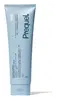
This barrier-repair moisturizer is formulated around Colloidal Oatmeal and Allantoin to strengthen the skin barrier and calm redness.
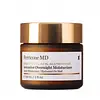
This anti-aging night moisturizer is formulated around Butyrospermum Parkii Butter and Niacinamide to soften the look of wrinkles and strengthen the skin barrier.

What's inside
What's inside
 Key Ingredients
Benefits
Concerns
Ingredients Side-by-side
Colloidal Oatmeal 1%
Absorbent


Water
Skin ConditioningCarthamus Tinctorius Seed Oil
Masking


Cetyl Alcohol
Emollient

Glycerin
Humectant

Butyrospermum Parkii Butter
Skin Conditioning


Caprylic/Capric Triglyceride
Masking
Dimethicone
Emollient
C10-18 Triglycerides
Emollient
Allantoin
Skin Conditioning
Adenosine
Skin Conditioning
Cetearyl Olivate
Sorbitan Olivate
Emulsifying
Ceramide AP
Skin Conditioning
Ceramide Eos
Skin Conditioning
Ceramide EOP
Skin Conditioning
Ceramide NP
Skin Conditioning
Ceramide Ns
Skin Conditioning
Cholesterol
Emollient
Caprooyl Phytosphingosine
Skin Conditioning
Caprooyl Sphingosine
Skin ConditioningGlycolipids
Skin ConditioningPhospholipids
Skin Conditioning
Sodium Stearoyl Glutamate
CleansingBehenic Acid
Cleansing
Ceteareth-25
CleansingGlycine Soja Oil
Emollient
Glycine Soja Sterols
Emollient
Ascorbyl Palmitate
Antioxidant


Tocopherol
Antioxidant
Lecithin
Emollient
Glyceryl Stearate
Emollient
Glyceryl Oleate
Emollient

Carbomer
Emulsion StabilisingCaprylyl Glycol
Emollient
Hydroxyacetophenone
Antioxidant
Phenoxyethanol
Preservative
Ethylhexylglycerin
Skin Conditioning1,2-Hexanediol
Skin Conditioning
Tocopheryl Acetate
Antioxidant
Tetrasodium Glutamate Diacetate
ChelatingSodium Hydroxide
BufferingCitric Acid
Buffering
Colloidal Oatmeal 1%, Water, Carthamus Tinctorius Seed Oil, Cetyl Alcohol, Glycerin, Butyrospermum Parkii Butter, Caprylic/Capric Triglyceride, Dimethicone, C10-18 Triglycerides, Allantoin, Adenosine, Cetearyl Olivate, Sorbitan Olivate, Ceramide AP, Ceramide Eos, Ceramide EOP, Ceramide NP, Ceramide Ns, Cholesterol, Caprooyl Phytosphingosine, Caprooyl Sphingosine, Glycolipids, Phospholipids, Sodium Stearoyl Glutamate, Behenic Acid, Ceteareth-25, Glycine Soja Oil, Glycine Soja Sterols, Ascorbyl Palmitate, Tocopherol, Lecithin, Glyceryl Stearate, Glyceryl Oleate, Carbomer, Caprylyl Glycol, Hydroxyacetophenone, Phenoxyethanol, Ethylhexylglycerin, 1,2-Hexanediol, Tocopheryl Acetate, Tetrasodium Glutamate Diacetate, Sodium Hydroxide, Citric Acid
Water
Skin ConditioningButyrospermum Parkii Butter
Skin Conditioning
Myristyl Myristate
Emollient
Niacinamide
Smoothing




C12-15 Alkyl Benzoate
AntimicrobialStearic Acid
Cleansing
Dimethicone
Emollient
Sodium Acrylates Copolymer
Palmitoyl Glycine
CleansingS-Palmitoylglutathione
Antioxidant
Ethylhexylglycerin
Skin ConditioningMyristyl Laurate
SurfactantRibose
HumectantLecithin
Emollient
Lactic Acid
Buffering
Linum Usitatissimum Seed Oil
Perfuming
Macadamia Integrifolia Seed Oil
Skin Conditioning
Salvia Hispanica Seed Oil
Emollient
Magnesium Aspartate
Skin ConditioningZinc Gluconate
Skin Conditioning
Copper Gluconate
Skin Conditioning
Helianthus Annuus Seed Oil
Emollient
Rosmarinus Officinalis Leaf Extract
AntimicrobialTetrasodium Glutamate Diacetate
ChelatingSodium Hydroxide
BufferingGlyceryl Stearate
Emollient
PEG-100 Stearate
Surfactant
Phenoxyethanol
Preservative
Parfum
Masking
Citronellol
Perfuming
Hydroxycitronellal
Perfuming
Limonene
Perfuming
Linalool
Perfuming
Water, Butyrospermum Parkii Butter, Myristyl Myristate, Niacinamide, C12-15 Alkyl Benzoate, Stearic Acid, Dimethicone, Sodium Acrylates Copolymer, Palmitoyl Glycine, S-Palmitoylglutathione, Ethylhexylglycerin, Myristyl Laurate, Ribose, Lecithin, Lactic Acid, Linum Usitatissimum Seed Oil, Macadamia Integrifolia Seed Oil, Salvia Hispanica Seed Oil, Magnesium Aspartate, Zinc Gluconate, Copper Gluconate, Helianthus Annuus Seed Oil, Rosmarinus Officinalis Leaf Extract, Tetrasodium Glutamate Diacetate, Sodium Hydroxide, Glyceryl Stearate, PEG-100 Stearate, Phenoxyethanol, Parfum, Citronellol, Hydroxycitronellal, Limonene, Linalool
Reviews
Ingredients Explained
These ingredients are found in both products.
Ingredients higher up in an ingredient list are typically present in a larger amount.
This ingredient is also known as shea butter. It is a plant-derived extract from the nuts of the Africa shea tree and one of the most well-studied emollients.
Because it has a high concentration of fatty acids (primarily oleic, stearic, and linoleic) it is able to form a protective barrier on the skin's surface. This helps seal in moisture and prevents transepidermal water loss (TEWL).
In vitro research found an increase in skin hydration by 58% and a decrease in TEWL by 37.8% after 24 hours of applying this ingredient (pretty impressive for a single ingredient!).
Besides hydration, shea butter also contains triterpenes that have anti-inflammatory potential. In particule, lupeol cinnamate has shown the highest anti-inflammatory activity in vivo.
Shea butter also contains vitamins A and E which may contribute to antioxidant activity.
While Shea Butter has an SPF rating of about 3-4, it is not a sunscreen replacement.
This ingredient may not be fungal acne safe because its fatty acids fall within the C11-C24 range that the Malassezia yeast can metabolize.
This ingredient shows up on a lot of "pore-clogging" lists but there's no real evidence behind that. It doesn't even have a comedogenic rating from an actual study; the numbers you'll find online come from blogs citing other blogs.
Ratings for other ingredients mostly come from a 1980s rabbit ear test. This test doesn't translate well to human skin or to real products because the ingredient sits at a much lower percentage.
Some people still find it breaks them out. So if that's you, definitely trust your skin. Just know this one's based on experience and not evidence.
Learn more about Butyrospermum Parkii ButterDimethicone is a type of synthetic silicone created from natural materials such as quartz. It is also known as polydimethylsiloxane.
What it does:
Dimethicone comes in different viscosities:
Depending on the viscosity, dimethicone has different properties.
Ingredients lists don't always show which type is used, so we recommend reaching out to the brand if you have questions about the viscosity.
This ingredient is unlikely to cause irritation because it does not get absorbed into skin. However, people with silicone allergies should be careful about using this ingredient.
Note: Dimethicone may contribute to pilling. This is because it is not oil or water soluble, so pilling may occur when layered with products. When mixed with heavy oils in a formula, the outcome is also quite greasy.
Learn more about DimethiconeEthylhexylglycerin is created from glycerin. It is a multitasker ingredient that:
The CIR Expert Panel found minimal skin absorption or sensitization of any kind in a safety assessment. Though this ingredient is considered well-tolerated, a small number of cases of allergic dermatitis have been published since 2002. Just be sure to patch test if you are unsure.
Industry-reported use ranges from 8% in rinse-off products and 2% in leave-on formulations.
Learn more about EthylhexylglycerinGlyceryl Stearate is made by reacting glycerin with stearic acid (typically sourced from plant oils like palm or coconut). It's an emulsifier, emollient, and mild occlusive.
Emulsifiers help ingredients like oil and water stay mixed so your formula stays nicely blended and uniform in texture.
This ingredient is typically used in concentrations between 1-10%. Studies have found it to be non-sensitizing, non-phototoxic, and non-photoallergenic.
A close cousin of this ingredient is Glyceryl Stearate SE ("self-emulsifying"). This just has a small amount of sodium or potassium stearate added so it can emulsify without a co-emulsifier.
Since this ingredient is an ester of a C18 fatty acid, it may not be fungal acne safe. The Malassezia yeast can potentially metabolize within the C11-C24 range.
Fun fact: The human body also creates Glyceryl Stearate naturally.
Learn more about Glyceryl StearateLecithin is a term for a group of substances found in the cell membranes of plants, animals, and humans. They are made up of phospholipids.
Thanks to its amphiphilic structure (water-loving head and oil-loving tail), it is a true multitasker:
It plays well with most ingredients and is typically used at 0.1-1%. However, concentrations up to 50% have been reported in moisturizers.
Learn more about LecithinPhenoxyethanol is one of the most widely used preservatives in skincare (and for good reason!).
It has a large spectrum of antimicrobial activity and especially effective bacteria, yeast, and mold while only having a weak effect on your skin's natural microbiome.
On a cellular level, it disrupts the cell membranes of microbes by poking holes that make the cell leak. This shuts down the chemical reactions the microbe needs to make energy so it can no longer survive.
Another perk of this ingredient is that it stays functional across a wide pH range (3-10).
You'll often see it paired with boosters like Ethylhexylglycerin; one study showed that a 1:9 ratio of Ethylhexylglycerin to Phenoxyethanol damages bacterial membranes as effectively as doubling the Phenoxyethanol concentration on its own.
Typical use concentrations range from 0.3-1% depending on the formula, and this ingredient is capped at 1% int the EU.
Safety-wise, the fear mongering does not hold up to the evidence. The EU's Scientific Committee on Consumer Safety and FDA consider it safe as a preservative at up to 1%, including for children of all ages.
Adverse systemic effects only showed up in animal studies at exposures roughly 200x higher than what people get from cosmetics. And despite its very widespread use, this ingredient is a rare sensitizer and allergic reactions are uncommon.
Learn more about PhenoxyethanolSodium Hydroxide is also known as lye or caustic soda. It is used to adjust the pH of products; many ingredients require a specific pH to be effective.
In small amounts, sodium hydroxide is considered safe to use. However, large amounts may cause chemical burns due to its high alkaline.
Your skin has a natural pH and acid mantle. This acid mantle helps prevent harmful bacteria from breaking through. The acid mantle also helps keep your skin hydrated.
"Alkaline" refers to a high pH level. A low pH level would be considered acidic.
Learn more about Sodium HydroxideTetrasodium Glutamate Diacetate is a chelating agent. Chelating agents help prevent metal ions from binding to other ingredients. This helps prevent unwanted effects and reactions from a product. These metal ions may come from water and are found in miniscule amounts.
Tetrasodium Glutamate Diacetate can also help other preservatives be more effective.
Water. It's the most common cosmetic ingredient of all. You'll usually see it at the top of ingredient lists, meaning that it makes up the largest part of the product.
So why is it so popular? Water most often acts as a solvent - this means that it helps dissolve other ingredients into the formulation.
You'll also recognize water as that liquid we all need to stay alive. If you see this, drink a glass of water. Remember to stay hydrated!
Learn more about Water

