
What's inside
What's inside
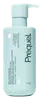 Key Ingredients
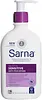
Benefits
Concerns
Ingredients Side-by-side
Pramoxine Hydrochloride 1%
Water
Skin ConditioningIsopropyl Palmitate
Emollient




Glyceryl Stearate
Emollient
Cocos Nucifera Oil
Masking



Butyrospermum Parkii Butter
Skin Conditioning
Dimethicone
Emollient

Cetearyl Alcohol
Emollient
Stearyl Alcohol
Emollient
Propanediol
Solvent
Allantoin
Skin Conditioning

Ceramide NP
Skin Conditioning

Ceramide EOP
Skin Conditioning
Ceramide AP
Skin Conditioning
Aloe Barbadensis Leaf Juice
Skin Conditioning
Panthenol
Skin Conditioning
Phytosphingosine
Skin Conditioning
Cholesterol
Emollient
Pentylene Glycol
Skin Conditioning
Butylene Glycol
Humectant
Sodium Lauroyl Lactylate
EmulsifyingHydroxyphenyl Propamidobenzoic Acid
Skin ConditioningAscorbyl Palmitate
Antioxidant


Tocopheryl Acetate
Antioxidant
Tocopherol
Antioxidant
Carbomer
Emulsion StabilisingPolyacrylate Crosspolymer-6
Emulsion StabilisingSodium Stearoyl Glutamate
CleansingTrisodium Ethylenediamine Disuccinate
ChelatingPhenoxyethanol
Preservative
Potassium Sorbate
Preservative
Sodium Benzoate
Masking
Chlorphenesin
Antimicrobial
Ethylhexylglycerin
Skin ConditioningXanthan Gum
EmulsifyingCitric Acid
Buffering
Pramoxine Hydrochloride 1%, Water, Isopropyl Palmitate, Glyceryl Stearate, Cocos Nucifera Oil, Butyrospermum Parkii Butter, Dimethicone, Cetearyl Alcohol, Stearyl Alcohol, Propanediol, Allantoin, Ceramide NP, Ceramide EOP, Ceramide AP, Aloe Barbadensis Leaf Juice, Panthenol, Phytosphingosine, Cholesterol, Pentylene Glycol, Butylene Glycol, Sodium Lauroyl Lactylate, Hydroxyphenyl Propamidobenzoic Acid, Ascorbyl Palmitate, Tocopheryl Acetate, Tocopherol, Carbomer, Polyacrylate Crosspolymer-6, Sodium Stearoyl Glutamate, Trisodium Ethylenediamine Disuccinate, Phenoxyethanol, Potassium Sorbate, Sodium Benzoate, Chlorphenesin, Ethylhexylglycerin, Xanthan Gum, Citric Acid
Pramoxine Hydrochloride 1%
Aloe Barbadensis Leaf Juice
Skin Conditioning
Benzyl Alcohol
Perfuming



Beta-Glucan
Skin Conditioning
C12-18 Alkanoyl Glycerin/Sebacic Acid Copolymer
Caprylyl Glycol
Emollient
Carbomer
Emulsion StabilisingCetyl Alcohol
Emollient
Citric Acid
Buffering
Dimethicone
Emollient
Ethylhexylglycerin
Skin ConditioningGlyceryl Stearate
Emollient
Isopropyl Myristate
Emollient
Palmitic Acid
Emollient
PEG-100 Stearate
Surfactant
PEG-8 Stearate
Emulsifying
Pentylene Glycol
Skin Conditioning
Saccharide Isomerate
Humectant
Simmondsia Chinensis Seed Oil
Emollient
Sodium Citrate
BufferingSodium Hydroxide
BufferingSqualane
Emollient
Stearic Acid
Cleansing
Tocopherol
Antioxidant
Water
Skin ConditioningPramoxine Hydrochloride 1%, Aloe Barbadensis Leaf Juice, Benzyl Alcohol, Beta-Glucan, C12-18 Alkanoyl Glycerin/Sebacic Acid Copolymer, Caprylyl Glycol, Carbomer, Cetyl Alcohol, Citric Acid, Dimethicone, Ethylhexylglycerin, Glyceryl Stearate, Isopropyl Myristate, Palmitic Acid, PEG-100 Stearate, PEG-8 Stearate, Pentylene Glycol, Saccharide Isomerate, Simmondsia Chinensis Seed Oil, Sodium Citrate, Sodium Hydroxide, Squalane, Stearic Acid, Tocopherol, Water
Ingredients Explained
These ingredients are found in both products.
Ingredients higher up in an ingredient list are typically present in a larger amount.
Aloe Barbadensis Leaf Juice is the filtered, stabilized liquid pressed from the inner gel of the aloe vera leaf.
In cosmetics, it shows up as either soothing active or a water-replacement base. It is roughly 98-99% water and the last 1-2% is an interesting mix of polysaccharides, amino acids, vitamins, minerals, and enzymes.
The polysaccharides do most of the work: they bind water at the skin surface for a light, non-greasy hydration boost. And one of the polysaccharides, glycomannan, is linked to fibroblast stimulation + collagen synthesis. This is also why aloe has such a long track record in wound and burn healing.
This ingredient is also calming with anti-inflammatory and mild antimicrobial activity, making it a great pick for sensitive, irritated, or post-sun skin.
Realistic expectations matter though; the solid evidence is mostly limited to hydration, soothing, and wound support. Deeper claims about anti-aging or sun protection are not well backed, and science reviews note it does not prevent radiation-induced skin injury.
Because it plays well with almost everything, it's commonly used as a base alongside other actives like niacinamide or vitamin C.
Typical usage concentrations range from 0.5% (where hydration benefits already show up) all the way to 90%+ (where it replaces water as the main base).
The safety for this ingredient is well-establish as well. Overall, this is a great supporting ingredient for those who want a boost in hydration.
Learn more about Aloe Barbadensis Leaf JuiceCarbomer is a synthetic thickening and gelling agent. It's basically the ingredient that gives a lot of serums, gels, creams, and sunscreens their smooth, non-sticky texture.
Although legally permitted at very high levels, carbomers are normally used at concentrations below 1%.
It also needs to be neutralized to actually thicken, and because it is a large molecule, it doesn't really penetrate the skin barrier.
Allergy-wise, the risk is very low. Clinical studies show carbomers have low potential for skin irritation/sensitization even at concentrations up to 100%.
A 2024 UK study patch-tested 1,302 patients and found true allergy to the parent group of carbomer to be rare with no confirmed relevant reactions.
Learn more about CarbomerCitric Acid is an alpha hydroxy acid (AHA) naturally found in citrus fruits like oranges, lemons, and limes.
Like other AHAs, citric acid can exfoliate skin by breaking down the bonds that hold dead skin cells together. This helps reveal smoother and brighter skin underneath.
However, this exfoliating effect only happens at high concentrations (20%) which can be hard to find in cosmetic products.
Due to this, citric acid is usually included in small amounts as a pH adjuster. This helps keep products slightly more acidic and compatible with skin's natural pH.
In skincare formulas, citric acid can:
While it can provide some skin benefits, research shows lactic acid and glycolic acid are generally more effective and less irritating exfoliants.
Most citric acid used in skincare today is made by fermenting sugars (usually from molasses). This synthetic version is identical to the natural citrus form but easier to stabilize and use in formulations.
Rosacea skin has a lower threshold for acids generally, with 62.5% of rosacea subjects in one study reacting to lactic acid in a sting test. This is why we mark citric acid as a potential rosacea trigger.
However, this ingredient shows up as a pH adjuster or chelator at roughly 0.1-1% in many products. These low levels are unlikely to be an issue for rosacea skin and becomes a potential trigger at exfoliating concentrations (20%). Because everybody's skin is unique, we recommend a patch test if you are unsure.
Learn more about Citric AcidDimethicone is a type of synthetic silicone created from natural materials such as quartz. It is also known as polydimethylsiloxane.
What it does:
Dimethicone comes in different viscosities:
Depending on the viscosity, dimethicone has different properties.
Ingredients lists don't always show which type is used, so we recommend reaching out to the brand if you have questions about the viscosity.
This ingredient is unlikely to cause irritation because it does not get absorbed into skin. However, people with silicone allergies should be careful about using this ingredient.
Note: Dimethicone may contribute to pilling. This is because it is not oil or water soluble, so pilling may occur when layered with products. When mixed with heavy oils in a formula, the outcome is also quite greasy.
Learn more about DimethiconeEthylhexylglycerin is created from glycerin. It is a multitasker ingredient that:
The CIR Expert Panel found minimal skin absorption or sensitization of any kind in a safety assessment. Though this ingredient is considered well-tolerated, a small number of cases of allergic dermatitis have been published since 2002. Just be sure to patch test if you are unsure.
Industry-reported use ranges from 8% in rinse-off products and 2% in leave-on formulations.
Learn more about EthylhexylglycerinGlyceryl Stearate is made by reacting glycerin with stearic acid (typically sourced from plant oils like palm or coconut). It's an emulsifier, emollient, and mild occlusive.
Emulsifiers help ingredients like oil and water stay mixed so your formula stays nicely blended and uniform in texture.
This ingredient is typically used in concentrations between 1-10%. Studies have found it to be non-sensitizing, non-phototoxic, and non-photoallergenic.
A close cousin of this ingredient is Glyceryl Stearate SE ("self-emulsifying"). This just has a small amount of sodium or potassium stearate added so it can emulsify without a co-emulsifier.
Since this ingredient is an ester of a C18 fatty acid, it may not be fungal acne safe. The Malassezia yeast can potentially metabolize within the C11-C24 range.
Fun fact: The human body also creates Glyceryl Stearate naturally.
Learn more about Glyceryl StearatePentylene Glycol (1,2-pentanediol) is a multitasking little diol with three main roles in a formula:
Research on alkanediols (the family pentylene glycol belongs to) show they work by disrupting microbial cell membranes. This disruption helps the primary preservative system in a product work more effectively at lower doses.
On the safety side, the Cosmetic Ingredient Review Expert Panel has concluded this ingredient to be safe as used in current cosmetic practices + concentrations.
Typical use levels in a formula run about 1-5%.
Learn more about Pentylene GlycolTocopherol is a fat-soluble antioxidant known as Vitamin E.
You'll find this ingredient in the vast majority of skincare (for good reason). It works to neutralize free radicals, or unstable molecules generated by UV exposure, pollution, and other environmental stressors, before they can cause oxidative damage to your skin cells.
Topically applied tocopherol has been shown to protect against UV damage by ramping up the skin's own natural defense enzymes.
It also acts as a skin conditioning agent; some studies show that regular topical use can improve the skin's water-binding capacity over 2-4 weeks.
This ingredient is especially loved for being a team player. When combined with Vitamin C, the photoprotective effect of both ingredients roughly doubles and the combo also helps reduce UV-induced DNA damage.
This ingredient has some brightening potential but it's more of a prevention ingredient than spot-fader. Cell studies show it can slow down melanin production but it's worth noting that it's not the most powerful brightener out there.
In formulations, it also serves as a stabilizer that helps protect other oxidation-prone ingredients from degrading.
Concentrations usually range from 0.1-1% in most leave-on products.
Learn more about TocopherolWater. It's the most common cosmetic ingredient of all. You'll usually see it at the top of ingredient lists, meaning that it makes up the largest part of the product.
So why is it so popular? Water most often acts as a solvent - this means that it helps dissolve other ingredients into the formulation.
You'll also recognize water as that liquid we all need to stay alive. If you see this, drink a glass of water. Remember to stay hydrated!
Learn more about WaterThis is not technically an INCI ingredient. It is a topical anesthetic used to relieve itching.


