
What's inside
What's inside
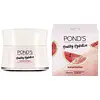 Key Ingredients
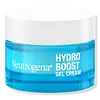
Benefits
Concerns
Ingredients Side-by-side
Water
Skin ConditioningDimethicone
Emollient
Glycerin
Humectant



Butylene Glycol
Humectant
Ammonium Acryloyldimethyltaurate/Vp Copolymer
Isohexadecane
EmollientDimethicone/Vinyl Dimethicone Crosspolymer
Skin Conditioning
Caprylic/Capric Triglyceride
Masking
Citrullus Lanatus Fruit Extract
Skin Conditioning
Tocopheryl Acetate
Antioxidant

Ammonium Acryloyldimethyltaurate/Beheneth-25 Methacrylate Crosspolymer
Emulsion StabilisingCetearyl Alcohol
Emollient



Benzophenone-4
UV Absorber
Allantoin
Skin Conditioning
Linoleamidopropyl Pg-Dimonium Chloride Phosphate
Propylene Glycol
Humectant

Stearic Acid
Cleansing
Parfum
Masking
Niacinamide
Smoothing





Dimethiconol
Emollient
Cetearyl Glucoside
EmulsifyingDisodium EDTA
Sodium PCA
Humectant
BHT
Antioxidant
Propanediol
Solvent
C12-14 Pareth-12
EmulsifyingT-Butyl Alcohol
Perfuming

Sodium Hydroxide
BufferingPEG-4 Laurate
Emulsifying
PEG-4 Dilaurate
Emulsifying
Phenoxyethanol
Preservative
Hydroxystearic Acid
Cleansing
PEG-4
HumectantIodopropynyl Butylcarbamate
Preservative
Benzoic Acid
Masking
Methylparaben
Preservative

Chlorphenesin
Antimicrobial
Glucose
Humectant
Sodium Ascorbyl Phosphate
Antioxidant

Sodium Carbonate
BufferingCyclotetrasiloxane
Emollient
Palmitic Acid
Emollient
Arachidic Acid
Cleansing
Sodium Chloride
Masking
Sodium Sulfate

CI 14700
Cosmetic ColorantWater, Dimethicone, Glycerin, Butylene Glycol, Ammonium Acryloyldimethyltaurate/Vp Copolymer, Isohexadecane, Dimethicone/Vinyl Dimethicone Crosspolymer, Caprylic/Capric Triglyceride, Citrullus Lanatus Fruit Extract, Tocopheryl Acetate, Ammonium Acryloyldimethyltaurate/Beheneth-25 Methacrylate Crosspolymer, Cetearyl Alcohol, Benzophenone-4, Allantoin, Linoleamidopropyl Pg-Dimonium Chloride Phosphate, Propylene Glycol, Stearic Acid, Parfum, Niacinamide, Dimethiconol, Cetearyl Glucoside, Disodium EDTA, Sodium PCA, BHT, Propanediol, C12-14 Pareth-12, T-Butyl Alcohol, Sodium Hydroxide, PEG-4 Laurate, PEG-4 Dilaurate, Phenoxyethanol, Hydroxystearic Acid, PEG-4, Iodopropynyl Butylcarbamate, Benzoic Acid, Methylparaben, Chlorphenesin, Glucose, Sodium Ascorbyl Phosphate, Sodium Carbonate, Cyclotetrasiloxane, Palmitic Acid, Arachidic Acid, Sodium Chloride, Sodium Sulfate, CI 14700
Water
Skin ConditioningGlycerin
Humectant
Dimethicone
Emollient
Cetearyl Olivate
Sorbitan Olivate
Emulsifying
Sodium Hyaluronate
Humectant
Serine
Masking
Glycine
Buffering
Alanine
MaskingThreonine
Arginine
Masking
Proline
Skin ConditioningLysine Hcl
Skin Conditioning
Glutamic Acid
Humectant
Sodium PCA
Humectant
PCA
Humectant
Sodium Lactate
BufferingUrea
Buffering
Sodium Chloride
Masking
Citric Acid
Buffering
Betaine
Humectant
Allantoin
Skin Conditioning
Fructose
Humectant
Maltose
MaskingTrehalose
Humectant
Glucose
Humectant
Pentylene Glycol
Skin ConditioningSynthetic Beeswax
Emulsion Stabilising
Polyacrylate Crosspolymer-6
Emulsion StabilisingDimethicone Crosspolymer
Emulsion Stabilising
Dimethiconol
Emollient
Ethylhexylglycerin
Skin ConditioningCaprylyl Glycol
Emollient
Sodium Hydroxide
BufferingWater, Glycerin, Dimethicone, Cetearyl Olivate, Sorbitan Olivate, Sodium Hyaluronate, Serine, Glycine, Alanine, Threonine, Arginine, Proline, Lysine Hcl, Glutamic Acid, Sodium PCA, PCA, Sodium Lactate, Urea, Sodium Chloride, Citric Acid, Betaine, Allantoin, Fructose, Maltose, Trehalose, Glucose, Pentylene Glycol, Synthetic Beeswax, Polyacrylate Crosspolymer-6, Dimethicone Crosspolymer, Dimethiconol, Ethylhexylglycerin, Caprylyl Glycol, Sodium Hydroxide
Reviews
Ingredients Explained
These ingredients are found in both products.
Ingredients higher up in an ingredient list are typically present in a larger amount.
Allantoin is a soothing ingredient known for its protective and moisturizingg properties. Because of this, it is often added to products with strong active ingredients.
Studies show higher concentrations of this ingredient can promote wound healing.
Though it can be derived from the comfrey plant, allantoin is produced synthetically for cosmetic products to ensure purity.
Learn more about AllantoinDimethicone is a type of synthetic silicone created from natural materials such as quartz.
What it does:
Dimethicone comes in different viscosities:
Depending on the viscosity, dimethicone has different properties.
Ingredients lists don't always show which type is used, so we recommend reaching out to the brand if you have questions about the viscosity.
This ingredient is unlikely to cause irritation because it does not get absorbed into skin. However, people with silicone allergies should be careful about using this ingredient.
Note: Dimethicone may contribute to pilling. This is because it is not oil or water soluble, so pilling may occur when layered with products. When mixed with heavy oils in a formula, the outcome is also quite greasy.
Learn more about DimethiconeDimethiconol is a silicone that resembles the popular dimethicone. Like other silicones, it is an emollient. Emollients create a thin film on skin to prevent moisture from escaping.
This ingredient helps to create a silky texture and improve spreadability. Due to its high molecular weight and thickness, it is often combined with cyclopentasiloxane.
Glucose is a simple sugar and is the most important source of energy in all organisms.
In skincare, glucose is used to hydrate the skin. It also acts as a prebiotic for our natural biome.
Glucose is hydrating due to its humectant property. As a humectant, glucose draws moisture from the air and from deeper levels in the skin.
Our skin contains many sugars that act as prebiotics and help strengthen our natural microbiome. Having a healthy microbiome helps protect our skin from harmful bacteria and other contaminants.
Studies show glucose may help with fading discoloration and pigmentation. This is because our skin metabolizes glucose into lactic acid. Lactic acid is an AHA that helps exfoliate the top layer of skin.
Learn more about GlucoseGlycerin is already naturally found in your skin. It helps moisturize and protect your skin.
A study from 2016 found glycerin to be more effective as a humectant than AHAs and hyaluronic acid.
As a humectant, it helps the skin stay hydrated by pulling moisture to your skin. The low molecular weight of glycerin allows it to pull moisture into the deeper layers of your skin.
Hydrated skin improves your skin barrier; Your skin barrier helps protect against irritants and bacteria.
Glycerin has also been found to have antimicrobial and antiviral properties. Due to these properties, glycerin is often used in wound and burn treatments.
In cosmetics, glycerin is usually derived from plants such as soybean or palm. However, it can also be sourced from animals, such as tallow or animal fat.
This ingredient is organic, colorless, odorless, and non-toxic.
Glycerin is the name for this ingredient in American English. British English uses Glycerol/Glycerine.
Learn more about GlycerinChances are, you eat sodium chloride every day. Sodium Chloride is also known as table salt.
This ingredient has many purposes in skincare: thickener, emulsifier, and exfoliator.
You'll most likely find this ingredient in cleansers where it is used to create a gel-like texture. As an emulsifier, it also prevents ingredients from separating.
There is much debate on whether this ingredient is comedogenic. The short answer - comedogenic ratings don't tell the whole story. Learn more about comegodenic ratings here.
The concensus about this ingredient causing acne seems to be divided. Research is needed to understand if this ingredient does cause acne.
Scrubs may use salt as the primary exfoliating ingredient.
Learn more about Sodium ChlorideSodium Hydroxide is also known as lye or caustic soda. It is used to adjust the pH of products; many ingredients require a specific pH to be effective.
In small amounts, sodium hydroxide is considered safe to use. However, large amounts may cause chemical burns due to its high alkaline.
Your skin has a natural pH and acid mantle. This acid mantle helps prevent harmful bacteria from breaking through. The acid mantle also helps keep your skin hydrated.
"Alkaline" refers to a high pH level. A low pH level would be considered acidic.
Learn more about Sodium HydroxideSodium PCA is the sodium salt of pyroglutamic acid. It is naturally occurring in our skin's natural moisturizing factors where it works to maintain hydration.
The PCA stands for pyrrolidone carboxylic acid, a natural amino acid derivative.
This ingredient has skin conditioning, anti-inflammatory, and humectant properties. Humectants help hydrate your skin by drawing moisture from the air. This helps keep your skin moisturized.
Learn more about Sodium PCAWater. It's the most common cosmetic ingredient of all. You'll usually see it at the top of ingredient lists, meaning that it makes up the largest part of the product.
So why is it so popular? Water most often acts as a solvent - this means that it helps dissolve other ingredients into the formulation.
You'll also recognize water as that liquid we all need to stay alive. If you see this, drink a glass of water. Stay hydrated!
Learn more about Water
