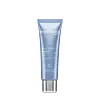
This moisturizer is formulated around Laminaria Digitata Extract to hydrate skin.
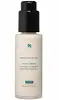
This oil-control moisturizer is formulated around Nylon-12 and Boron Nitride to balance excess oil.


What's inside
What's inside
 Key Ingredients
Benefits
Concerns
Ingredients Side-by-side
Water
Skin ConditioningCaprylic/Capric Triglyceride
Masking


Dipropylene Glycol
HumectantOctyldodecanol
Emollient
C10-18 Triglycerides
Emollient

Glycerin
Humectant
Butyrospermum Parkii Butter
Skin Conditioning


Cetearyl Alcohol
Emollient
Pentaerythrityl Tetraisostearate
Emollient
Methyl Methacrylate Crosspolymer

Olive Oil Decyl Esters

Zea Mays Oil
Emulsifying
Dimethicone
Emollient
Hydrogenated Coco-Glycerides
Emollient
Hydrogenated Vegetable Oil
Emollient
Ammonium Acryloyldimethyltaurate/Vp Copolymer
Sodium Stearoyl Glutamate
CleansingPhenoxyethanol
Preservative
Propylene Glycol Dicaprate
EmollientHydroxypropyl Starch Phosphate
Helianthus Annuus Seed Extract
Skin Conditioning
Parfum
Masking

Chlorphenesin
Antimicrobial
Caprylyl Glycol
Emollient
Squalene
Emollient
Helianthus Annuus Seed Oil
Emollient
Silica
Abrasive

Maris Sal
Skin ConditioningDisodium EDTA
ChelatingLaminaria Digitata Extract
Skin Protecting
Tocopherol
Antioxidant





Hydrolyzed Algin
Mica
Cosmetic ColorantCitric Acid
Buffering
Crithmum Maritimum Extract
Skin ConditioningHordeum Vulgare Extract
EmollientAlteromonas Ferment Extract
Skin Conditioning
Dictyopteris Polypodioides Extract
EmollientMaris Aqua
HumectantChlorella Vulgaris Extract
Skin ConditioningGlycine Soja Oil
Emollient
Cucumis Sativus Fruit Extract
Emollient
Saccharide Isomerate
Humectant
Pancratium Maritimum Extract
BleachingTetramethyl Acetyloctahydronaphthalenes
Masking
CI 77891
Cosmetic ColorantWater, Caprylic/Capric Triglyceride, Dipropylene Glycol, Octyldodecanol, C10-18 Triglycerides, Glycerin, Butyrospermum Parkii Butter, Cetearyl Alcohol, Pentaerythrityl Tetraisostearate, Methyl Methacrylate Crosspolymer, Olive Oil Decyl Esters, Zea Mays Oil, Dimethicone, Hydrogenated Coco-Glycerides, Hydrogenated Vegetable Oil, Ammonium Acryloyldimethyltaurate/Vp Copolymer, Sodium Stearoyl Glutamate, Phenoxyethanol, Propylene Glycol Dicaprate, Hydroxypropyl Starch Phosphate, Helianthus Annuus Seed Extract, Parfum, Chlorphenesin, Caprylyl Glycol, Squalene, Helianthus Annuus Seed Oil, Silica, Maris Sal, Disodium EDTA, Laminaria Digitata Extract, Tocopherol, Hydrolyzed Algin, Mica, Citric Acid, Crithmum Maritimum Extract, Hordeum Vulgare Extract, Alteromonas Ferment Extract, Dictyopteris Polypodioides Extract, Maris Aqua, Chlorella Vulgaris Extract, Glycine Soja Oil, Cucumis Sativus Fruit Extract, Saccharide Isomerate, Pancratium Maritimum Extract, Tetramethyl Acetyloctahydronaphthalenes, CI 77891
Water
Skin ConditioningDimethicone
Emollient
Glycerin
Humectant
Nylon-12

Steareth-21
CleansingDipropylene Glycol
HumectantAlcohol Denat.
Antimicrobial

Boron Nitride
Absorbent
Ammonium Acryloyldimethyltaurate/Vp Copolymer
Helianthus Annuus Seed Oil
Emollient
Phenoxyethanol
Preservative
Vitis Vinifera Seed Oil
Emollient
Tocopherol
Antioxidant
Bis-PEG/PPG-20/20 Dimethicone
Emollient
Sesamum Indicum Seed Oil
Emollient
Glycine Soja Oil
Emollient
Caprylyl Glycol
Emollient
Propylene Glycol
Humectant
Polyacrylamide
Dimethiconol
Emollient
Sodium Benzoate
Masking
C13-14 Isoparaffin
Emollient
Dimethicone/Vinyl Dimethicone Crosspolymer
Skin Conditioning
Pentaerythrityl Tetra-Di-T-Butyl Hydroxyhydrocinnamate
Antioxidant
Silybum Marianum Extract
Skin Conditioning
Laureth-7
EmulsifyingBiosaccharide Gum-1
Humectant
Glycine Soja Protein
EmulsifyingCucumis Sativus Fruit Extract
Emollient
Cananga Odorata Flower Oil
Masking
Anthemis Nobilis Flower Oil
Masking
Linalool
Perfuming
Pelargonium Graveolens Flower Oil
Masking
Water, Dimethicone, Glycerin, Nylon-12, Steareth-21, Dipropylene Glycol, Alcohol Denat., Boron Nitride, Ammonium Acryloyldimethyltaurate/Vp Copolymer, Helianthus Annuus Seed Oil, Phenoxyethanol, Vitis Vinifera Seed Oil, Tocopherol, Bis-PEG/PPG-20/20 Dimethicone, Sesamum Indicum Seed Oil, Glycine Soja Oil, Caprylyl Glycol, Propylene Glycol, Polyacrylamide, Dimethiconol, Sodium Benzoate, C13-14 Isoparaffin, Dimethicone/Vinyl Dimethicone Crosspolymer, Pentaerythrityl Tetra-Di-T-Butyl Hydroxyhydrocinnamate, Silybum Marianum Extract, Laureth-7, Biosaccharide Gum-1, Glycine Soja Protein, Cucumis Sativus Fruit Extract, Cananga Odorata Flower Oil, Anthemis Nobilis Flower Oil, Linalool, Pelargonium Graveolens Flower Oil
Ingredients Explained
These ingredients are found in both products.
Ingredients higher up in an ingredient list are typically present in a larger amount.
Ammonium Acryloyldimethyltaurate/Vp Copolymer is a synthetically created polymer. It's used as a film-forming agent and used to thicken the consistency of products.
Think of it as a supportive ingredient that helps your gel-creams feel silky, "cloud cream-like", and spread evenly without being greasy.
The Cosmetic Ingredient Review (CIR) Expert Panel evaluated it (along with 22 other acryloyldimethyltaurate polymers) and concluded it's:
Due to its large molecular size, it sits on the surface of skin rather than penetrating it.
Learn more about Ammonium Acryloyldimethyltaurate/Vp CopolymerCaprylyl Glycol is a humectant, skin conditioner, emollient, and preservative booster derived from either caprylic acid or synthetically created.
Typical use levels vary from 0.3-1% as a preservative booster and go up to 2% to condition skin.
Because it is not a free-fatty acid, this ingredient is fungal acne safe (there's nothing for Malassezia to feed on).
Learn more about Caprylyl GlycolThis extract comes from cucumber. Cucumbers are mostly made up of water (95%), and the other 5% is composed of: vitamin C, caffeic acid, fatty acids, amino acids, and other minerals.
Cucumbers have anti-inflammatory, barrier repair, and hydrating properties.
They contain shikimate dehydrigenase, an enzyme shown to help reduce inflammation and soothe the skin.
The amino acids found in cucumbers help nourish our skin's natural acid mantle (it's an important part of our skin barrier). This slightly acidic film acts as a barrier to protect us from bacteria, viruses, and other contaminants.
Unless you have an allergy to cucumbers, this is generally a non-irritating ingredient.
Fun fact: Cucumis Sativus is native to South Asia and can now be found on every continent.
Learn more about Cucumis Sativus Fruit ExtractDimethicone is a type of synthetic silicone created from natural materials such as quartz. It is also known as polydimethylsiloxane.
What it does:
Dimethicone comes in different viscosities:
Depending on the viscosity, dimethicone has different properties.
Ingredients lists don't always show which type is used, so we recommend reaching out to the brand if you have questions about the viscosity.
This ingredient is unlikely to cause irritation because it does not get absorbed into skin. However, people with silicone allergies should be careful about using this ingredient.
Note: Dimethicone may contribute to pilling. This is because it is not oil or water soluble, so pilling may occur when layered with products. When mixed with heavy oils in a formula, the outcome is also quite greasy.
Learn more about DimethiconeDipropylene Glycol is a synthetically created humectant, stabilizer, and solvent.
This ingredient helps:
Dipropylene glycol is technically an alcohol, but it belongs to the glycol family (often considered part of the ‘good’ alcohols). This means it is hydrating and gentle on skin unlike drying solvent alcohols like denatured alcohol.
As a masking agent, Dipropylene Glycol can be used to cover the smell of other ingredients. However, it does not have a scent.
Studies show Dipropylene Glycol is considered safe to use in skincare.
Learn more about Dipropylene GlycolGlycerin (or glycerol) is a compound naturally found in your skin. It's a powerhouse humectant that pulls water into the stratum corneum.
Topically, glycerin does several things at once:
Your skin makes glycerin on its own (mostly from sebaceous oil breakdown) and shuttles it to your outermost layer of skin, or your epidermis, via aquaporin-3.
Aquaporin-3 is a transporter that is essential for normal skin hydration, elasticity, and repair. Interestingly, mice lacking in AQP3 have dry and less elastic skin that can be fully corrected with glycerin.
This ingredient is non-irritating, plays well with almost every ingredient, and works across all skin types. Typical use is anywhere between 3-10% but can go up to 79% in some leave-on products.
Just know very high concentrations (>40%) can feel tacky in low humidity.
Glycerin is the name for this ingredient in American English. British English uses Glycerol/Glycerine.
Learn more about GlycerinGlycine Soja Oil is a plant-derived oil from soybean seeds. Like other oils, it is rich in essential fatty acids (mostly linoleic and oleic) that support skin hydration and barrier function.
The fatty acids are able to integrate into the lipid matrix of the stratum corneum to help soften skin and reduce water loss.
On top of that, soybean oil is rich in vitamins like vitamin E, a potent antioxidant.
Research on soybean's active components also point to anti-inflammatory, collagen-stimulating, antioxidant activity, and protection against UV-induced oxidative damage.
Most of this research applies to the broader soybean plant and not just the oil fraction alone.
This ingredient does carry a comedogenic rating of 3 from the old rabbit-ear assay. Just remember testing finished products in humans showed that formulas built with "comedogenic" ingredients are not necessarily comedogenic themselves. It's worth patch testing if you're breakout prone, and always listen to your skin.
This ingredient may not be fungal acne safe due to the oleic acid content.
Learn more about Glycine Soja OilHelianthus Annuus Seed Oil is a plant oil derived from the seeds of a sunflower.
It is rich in fatty acids, primarily linoleic acid and oleic acid. This gives it emollient and skin conditioning properties.
The reason this ingredient is so effective is because it forms a thin film on the skin that reduces transepidermal water loss (TEWL) while supplying linoleic acid to the stratum corneum to improve barrier strength.
The high linoleic acid content is particularly noteworthy for acne-prone skin.
Research suggests that acne-prone skin tends to be deficient in linoleic acid in sebum. Topical application may help replenish this to support a healthier follicular environment and less comedone-promoting sebum.
One randomized study found sunflower seed oil preserved skin barrier integrity in adult volunteers with and without atopic dermatitis (outperforming olive oil).
This ingredient is well-studied, gentle, and an effective emollient suitable for most skin types.
On fungal acne: This ingredient may not be Fungal acne (Malassezia folliculitis) safe. This is because it contains fatty acids with carbon chain lengths in the C11-C24 range.
Learn more about Helianthus Annuus Seed OilPhenoxyethanol is one of the most widely used preservatives in skincare (and for good reason!).
It has a large spectrum of antimicrobial activity and especially effective bacteria, yeast, and mold while only having a weak effect on your skin's natural microbiome.
On a cellular level, it disrupts the cell membranes of microbes by poking holes that make the cell leak. This shuts down the chemical reactions the microbe needs to make energy so it can no longer survive.
Another perk of this ingredient is that it stays functional across a wide pH range (3-10).
You'll often see it paired with boosters like Ethylhexylglycerin; one study showed that a 1:9 ratio of Ethylhexylglycerin to Phenoxyethanol damages bacterial membranes as effectively as doubling the Phenoxyethanol concentration on its own.
Typical use concentrations range from 0.3-1% depending on the formula, and this ingredient is capped at 1% int the EU.
Safety-wise, the fear mongering does not hold up to the evidence. The EU's Scientific Committee on Consumer Safety and FDA consider it safe as a preservative at up to 1%, including for children of all ages.
Adverse systemic effects only showed up in animal studies at exposures roughly 200x higher than what people get from cosmetics. And despite its very widespread use, this ingredient is a rare sensitizer and allergic reactions are uncommon.
Learn more about PhenoxyethanolTocopherol is a fat-soluble antioxidant known as Vitamin E.
You'll find this ingredient in the vast majority of skincare (for good reason). It works to neutralize free radicals, or unstable molecules generated by UV exposure, pollution, and other environmental stressors, before they can cause oxidative damage to your skin cells.
Topically applied tocopherol has been shown to protect against UV damage by ramping up the skin's own natural defense enzymes.
It also acts as a skin conditioning agent; some studies show that regular topical use can improve the skin's water-binding capacity over 2-4 weeks.
This ingredient is especially loved for being a team player. When combined with Vitamin C, the photoprotective effect of both ingredients roughly doubles and the combo also helps reduce UV-induced DNA damage.
This ingredient has some brightening potential but it's more of a prevention ingredient than spot-fader. Cell studies show it can slow down melanin production but it's worth noting that it's not the most powerful brightener out there.
In formulations, it also serves as a stabilizer that helps protect other oxidation-prone ingredients from degrading.
Concentrations usually range from 0.1-1% in most leave-on products.
Learn more about TocopherolWater. It's the most common cosmetic ingredient of all. You'll usually see it at the top of ingredient lists, meaning that it makes up the largest part of the product.
So why is it so popular? Water most often acts as a solvent - this means that it helps dissolve other ingredients into the formulation.
You'll also recognize water as that liquid we all need to stay alive. If you see this, drink a glass of water. Remember to stay hydrated!
Learn more about Water

