

What's inside
What's inside
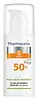 Key Ingredients
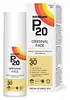
Benefits
Concerns
Ingredients Side-by-side
Water
Skin ConditioningDibutyl Adipate
EmollientC12-15 Alkyl Benzoate
AntimicrobialMethylene Bis-Benzotriazolyl Tetramethylbutylphenol
UV Filter
Diethylamino Hydroxybenzoyl Hexyl Benzoate
UV Filter
Glycerin
Humectant


Propanediol
Solvent
Ethylhexyl Triazone
UV Absorber
Potassium Cetyl Phosphate
EmulsifyingSilica
Abrasive


Mica
Cosmetic ColorantBis-Ethylhexyloxyphenol Methoxyphenyl Triazine
Skin Conditioning
Acrylates/C12-22 Alkyl Methacrylate Copolymer
CI 77891
Cosmetic ColorantInulin
Skin Conditioning
Piroctone Olamine
Preservative
Alpha-Glucan Oligosaccharide
Cleansing
Lens Esculenta Seed Extract
Skin ProtectingDecyl Glucoside
Cleansing
Hydroxyacetophenone
Antioxidant


Triethanolamine
BufferingAcrylates/C10-30 Alkyl Acrylate Crosspolymer
Emulsion StabilisingArginine
Masking
Citric Acid
Buffering


Coco-Glucoside
Cleansing
Xanthan Gum
EmulsifyingCarbomer
Emulsion StabilisingTocopheryl Acetate
Antioxidant
Disodium Lauryl Sulfosuccinate
CleansingPropylene Glycol
Humectant
Ethylhexylglycerin
Skin ConditioningPhenoxyethanol
Preservative
Water, Dibutyl Adipate, C12-15 Alkyl Benzoate, Methylene Bis-Benzotriazolyl Tetramethylbutylphenol, Diethylamino Hydroxybenzoyl Hexyl Benzoate, Glycerin, Propanediol, Ethylhexyl Triazone, Potassium Cetyl Phosphate, Silica, Mica, Bis-Ethylhexyloxyphenol Methoxyphenyl Triazine, Acrylates/C12-22 Alkyl Methacrylate Copolymer, CI 77891, Inulin, Piroctone Olamine, Alpha-Glucan Oligosaccharide, Lens Esculenta Seed Extract, Decyl Glucoside, Hydroxyacetophenone, Triethanolamine, Acrylates/C10-30 Alkyl Acrylate Crosspolymer, Arginine, Citric Acid, Coco-Glucoside, Xanthan Gum, Carbomer, Tocopheryl Acetate, Disodium Lauryl Sulfosuccinate, Propylene Glycol, Ethylhexylglycerin, Phenoxyethanol
Water
Skin ConditioningDiethylamino Hydroxybenzoyl Hexyl Benzoate
UV Filter
Dibutyl Adipate
EmollientBis-Ethylhexyloxyphenol Methoxyphenyl Triazine
Skin Conditioning
Dicaprylyl Carbonate
EmollientTris-Biphenyl Triazine
UV Absorber
Glycerin
Humectant
Phenoxyethyl Caprylate
Caprylyl Caprylate/Caprate
Emollient
Canola Oil
Emollient



Silica
Abrasive
Potassium Cetyl Phosphate
EmulsifyingPanthenol
Skin Conditioning
Trehalose
Humectant
Cetearyl Alcohol
Emollient
Ethylhexyl Triazone
UV Absorber
Vp/Eicosene Copolymer
Phenoxyethanol
Preservative
Squalane
Emollient
Glyceryl Stearate
Emollient
Sodium Olivoyl Glutamate
CleansingSorbitan Caprylate
EmulsifyingTocopheryl Acetate
Antioxidant
Decyl Glucoside
Cleansing
Benzoic Acid
Masking
Caprylyl Glycol
Emollient
Propanediol
Solvent
Acacia Senegal Gum
MaskingXanthan Gum
EmulsifyingSodium Phytate
Tocopherol
Antioxidant
Dehydroacetic Acid
Preservative
Ascorbyl Palmitate
Antioxidant
Ethylhexylglycerin
Skin ConditioningButylene Glycol
Humectant
Disodium Phosphate
BufferingCitric Acid
Buffering
Biosaccharide Gum-1
Humectant
Potassium Sorbate
Preservative
Sodium Benzoate
Masking
Glyceryl Caprylate
EmollientSodium Levulinate
Skin ConditioningSodium Anisate
AntimicrobialSodium Hydroxide
BufferingWater, Diethylamino Hydroxybenzoyl Hexyl Benzoate, Dibutyl Adipate, Bis-Ethylhexyloxyphenol Methoxyphenyl Triazine, Dicaprylyl Carbonate, Tris-Biphenyl Triazine, Glycerin, Phenoxyethyl Caprylate, Caprylyl Caprylate/Caprate, Canola Oil, Silica, Potassium Cetyl Phosphate, Panthenol, Trehalose, Cetearyl Alcohol, Ethylhexyl Triazone, Vp/Eicosene Copolymer, Phenoxyethanol, Squalane, Glyceryl Stearate, Sodium Olivoyl Glutamate, Sorbitan Caprylate, Tocopheryl Acetate, Decyl Glucoside, Benzoic Acid, Caprylyl Glycol, Propanediol, Acacia Senegal Gum, Xanthan Gum, Sodium Phytate, Tocopherol, Dehydroacetic Acid, Ascorbyl Palmitate, Ethylhexylglycerin, Butylene Glycol, Disodium Phosphate, Citric Acid, Biosaccharide Gum-1, Potassium Sorbate, Sodium Benzoate, Glyceryl Caprylate, Sodium Levulinate, Sodium Anisate, Sodium Hydroxide
Reviews
Ingredients Explained
These ingredients are found in both products.
Ingredients higher up in an ingredient list are typically present in a larger amount.
This ingredient is better known as bemotrizinol or Tinosorb S and is one of the best broad-spectrum UV filters in modern sunscreen.
It works by absorbing UV light across a whole range (280-400 nm) with peaks around 310 nm (UVB) and 340-345 nm (UVA). This means it covers UVB plus the deeper UVA wavelengths that drive photoaging and pigmentation.
Another pro?
It's exceptionally photostable, barely degrades in sunlight, and acts as a "bodyguard" for less stable filters.
That's why you'll see it paired with avobenzone or octinoxate; this team up ensures they keep working through sun exposure.
Safety reviews have been reassuring across the board. This ingredient shows low absorption through the skin, rarely irritates, and lab studies found it doesn't act like a hormone in the body (a concern that's been raised about some older sunscreen filters).
On maximum concentrations:
In 2026, the US F.D.A finally added it as an OTC sunscreen ingredient at concentrations up to 6% for adults / children 6 months and older
Learn more about Bis-Ethylhexyloxyphenol Methoxyphenyl TriazineCitric Acid is an alpha hydroxy acid (AHA) naturally found in citrus fruits like oranges, lemons, and limes.
Like other AHAs, citric acid can exfoliate skin by breaking down the bonds that hold dead skin cells together. This helps reveal smoother and brighter skin underneath.
However, this exfoliating effect only happens at high concentrations (20%) which can be hard to find in cosmetic products.
Due to this, citric acid is usually included in small amounts as a pH adjuster. This helps keep products slightly more acidic and compatible with skin's natural pH.
In skincare formulas, citric acid can:
While it can provide some skin benefits, research shows lactic acid and glycolic acid are generally more effective and less irritating exfoliants.
Most citric acid used in skincare today is made by fermenting sugars (usually from molasses). This synthetic version is identical to the natural citrus form but easier to stabilize and use in formulations.
Read more about some other popular AHA's here:
Learn more about Citric AcidDecyl Glucoside is a plant-derived surfactant and emulsion stabilizer. It is created by reacting glucose with the fatty acids from plants.
Like all surfactants, it works by lowering the surface tension between water and oil. This makes it so that dirt, sebum, and makeup can be lifted off your skin and rinsed away. It also produces a dense and creamy foam.
Because it has a neutral charge, it is compatible with a wide range of ingredients and stays stable across a broad pH range/water hardiness conditions.
Patch testing has shown it to have the lowest irritation potential among common cleansing surfactants (like SLS).
Typical use levels range from 5-20% in rinse-off cleansers.
One thing worth knowing: The American Contact Dermatitis Society named the parent family, alkyl glucosides, "Allergen of the Year" in 2017. The prevalence of allergy is pretty low but be sure to patch test if you've reacted to "gentle" or sulfate-free cleansers before.
This ingredient is fungal acne safe because the fatty alcohol portion of this ingredient is not within the C11-24 chain length that Malassezia can metabolize.
Learn more about Decyl GlucosideDibutyl Adipate is a lightweight, oil-soluble ester that acts as an emollient and solvent. It helps products spread more easily and leaves a soft, silky, dry-touch finish without being greasy.
You'll likely see this ingredient in sunscreens because it does a nice job dissolving UV filters and keeping them evenly distributed.
This ingredient has been found to be safe as used in cosmetics, wasn't a skin or eye irritant in clinical patch testing, and wasn't phototoxic.
In a clinical comedogenicity test, this ingredient tested negative so it isn't likely to clog pores.
Typical use levels are about 5-8% for sunscreens + nail products, but can range from 0.005%-8% depending on the product.
Learn more about Dibutyl AdipateDiethylamino Hydroxybenzoyl Hexyl Benzoate (DHHB) is a chemical UV-A absorber. It is formulated for high UVA protection (320-400 nm).
DHHB is well-liked for:
DHHB has been approved by the EU, Japan, Taiwan, and South America for use up to 10%. Unfortunately, it has not been approved for use in the US or Canada due to slow regulatory processes.
This ingredient is soluble in oils, fats, and lipids.
Learn more about Diethylamino Hydroxybenzoyl Hexyl BenzoateEthylhexyl Triazone is a modern chemical sunscreen that protects from UV-B radiation.
It is the most effective of existing UV-B filters, as it provides the highest level of photo-stable absorption. It protects from the entire UV-B range (280 to 320nm), with it's highest level of protection at 314nm.
Ethylhexyl Triazone is oil soluble, oderless and colorless, which mean it is able to be incorporated into a variety of different formulations.
It is not currently available within the United States due to slow changing FDA regulations. Outside of the US, it is used in formulations at concentrations up to 5%.
Learn more about Ethylhexyl TriazoneEthylhexylglycerin is created from glycerin. It is a multitasker ingredient that:
The CIR Expert Panel found minimal skin absorption or sensitization of any kind in a safety assessment. Though this ingredient is considered well-tolerated, a small number of cases of allergic dermatitis have been published since 2002. Just be sure to patch test if you are unsure.
Industry-reported use ranges from 8% in rinse-off products and 2% in leave-on formulations.
Learn more about EthylhexylglycerinGlycerin (or glycerol) is a compound naturally found in your skin. It's a powerhouse humectant that pulls water into the stratum corneum.
Topically, glycerin does several things at once:
Your skin makes glycerin on its own (mostly from sebaceous oil breakdown) and shuttles it to your outermost layer of skin, or your epidermis, via aquaporin-3.
Aquaporin-3 is a transporter that is essential for normal skin hydration, elasticity, and repair. Interestingly, mice lacking in AQP3 have dry and less elastic skin that can be fully corrected with glycerin.
This ingredient is non-irritating, plays well with almost every ingredient, and works across all skin types. Typical use is anywhere between 3-10% but can go up to 79% in some leave-on products.
Just know very high concentrations (>40%) can feel tacky in low humidity.
Glycerin is the name for this ingredient in American English. British English uses Glycerol/Glycerine.
Learn more about GlycerinPhenoxyethanol is a preservative that has germicide, antimicrobial, and aromatic properties. Studies show that phenoxyethanol can prevent microbial growth. By itself, it has a scent that is similar to that of a rose.
It's often used in formulations along with Caprylyl Glycol to preserve the shelf life of products.
Potassium Cetyl Phosphate is the potassium salt of a mixture. This mixture consists of the esters from phosphoricacid and cetyl alcohol.
Potassium Cetyl Phosphate is an emulsifier and cleansing agent. Emulsifiers help stabilize a product. It does this by preventing certain ingredients from separating.
As a cleansing agent, Potassium Cetyl Phosphate helps gather oils, dirts, and pollutants from your skin. This makes it easier to rinse them away with water.
Learn more about Potassium Cetyl PhosphatePropanediol is an all-star ingredient. It softens, hydrates, and smooths the skin.
It’s often used to:
Propanediol is not likely to cause sensitivity and considered safe to use. It is derived from corn or petroleum with a clear color and no scent.
Learn more about PropanediolSilica, also known as silicon dioxide, is a naturally occurring mineral. It is used as a fine, spherical, and porous powder in cosmetics.
Though it has exfoliant properties, the function of silica varies depending on the product.
The unique structure of silica enhances the spreadability and adds smoothness, making it a great texture enhancer.
It is also used as an active carrier, emulsifier, and mattifier due to its ability to absorb excess oil.
In some products, tiny microneedles called spicules are made from silica or hydrolyzed sponge. When you rub them in, they lightly polish away dead skin layers and enhance the penetration of active ingredients.
Learn more about SilicaTocopheryl Acetate is AKA Vitamin E. It is an antioxidant and protects your skin from free radicals. Free radicals damage the skin by breaking down collagen.
One study found using Tocopheryl Acetate with Vitamin C decreased the number of sunburned cells.
Tocopheryl Acetate is commonly found in both skincare and dietary supplements.
Learn more about Tocopheryl AcetateWater. It's the most common cosmetic ingredient of all. You'll usually see it at the top of ingredient lists, meaning that it makes up the largest part of the product.
So why is it so popular? Water most often acts as a solvent - this means that it helps dissolve other ingredients into the formulation.
You'll also recognize water as that liquid we all need to stay alive. If you see this, drink a glass of water. Remember to stay hydrated!
Learn more about WaterXanthan gum is used as a stabilizer and thickener within cosmetic products. It helps give products a sticky, thick feeling - preventing them from being too runny.
On the technical side of things, xanthan gum is a polysaccharide - a combination consisting of multiple sugar molecules bonded together.
Xanthan gum is a pretty common and great ingredient. It is a natural, non-toxic, non-irritating ingredient that is also commonly used in food products.
Learn more about Xanthan Gum
