Peter Thomas Roth Water Drench Hyaluronic Cloud Cream Hydrating Moisturizer Versus Lancôme Hydra Zen Anti-Stress Moisturising Face Cream
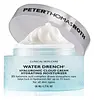
This barrier-repair moisturizer is formulated around Sodium Hyaluronate and Ceramide NP to strengthen the skin barrier and hydrate skin.
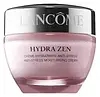
This calming moisturizer is formulated around Hydroxypalmitoyl Sphinganine and Sodium Hyaluronate to calm redness and hydrate skin.


What's inside
What's inside
 Key Ingredients
Benefits
Concerns
Ingredients Side-by-side
Water
Skin ConditioningGlycerin
Humectant


Cyclopentasiloxane
Emollient
Dipropylene Glycol
HumectantDimethicone
Emollient
Cyclohexasiloxane
Emollient
Yeast Extract
Skin ConditioningSodium Hyaluronate
Humectant


Ceramide EOP
Skin Conditioning

Ceramide Eos
Skin Conditioning
Ceramide AP
Skin Conditioning
Ceramide NP
Skin Conditioning
Ceramide Ns
Skin Conditioning
Sambucus Nigra Fruit Extract
AstringentHydrolyzed Silk
Humectant
Sodium PCA
Humectant
Tocopherol
Antioxidant



Ascorbyl Palmitate
Antioxidant


Caprooyl Phytosphingosine
Skin Conditioning
Caprooyl Sphingosine
Skin ConditioningSaccharide Isomerate
Humectant
Saccharomyces/Magnesium Ferment
Saccharomyces/Iron Ferment
Skin Conditioning
Saccharomyces/Copper Ferment
Skin Conditioning
Saccharomyces/Silicon Ferment
Skin Conditioning
Saccharomyces/Zinc Ferment
Skin Conditioning
Olea Europaea Leaf Extract
Perfuming
Methyl Gluceth-20
Humectant
Ethylhexylglycerin
Skin ConditioningLauryl PEG-9 Polydimethylsiloxyethyl Dimethicone
Skin Conditioning
Cholesterol
Emollient
Sodium Chloride
MaskingSodium Citrate
BufferingCitric Acid
Buffering
Behenic Acid
Cleansing
Propylene Glycol
Humectant
Ceteareth-25
CleansingButylene Glycol
Humectant
Dimethicone/PEG-10/15 Crosspolymer
Cetyl Alcohol
Emollient

Disodium EDTA
Sodium Benzoate
Masking
Potassium Sorbate
Preservative
Phenoxyethanol
Preservative
Mica
Cosmetic ColorantWater, Glycerin, Cyclopentasiloxane, Dipropylene Glycol, Dimethicone, Cyclohexasiloxane, Yeast Extract, Sodium Hyaluronate, Ceramide EOP, Ceramide Eos, Ceramide AP, Ceramide NP, Ceramide Ns, Sambucus Nigra Fruit Extract, Hydrolyzed Silk, Sodium PCA, Tocopherol, Ascorbyl Palmitate, Caprooyl Phytosphingosine, Caprooyl Sphingosine, Saccharide Isomerate, Saccharomyces/Magnesium Ferment, Saccharomyces/Iron Ferment, Saccharomyces/Copper Ferment, Saccharomyces/Silicon Ferment, Saccharomyces/Zinc Ferment, Olea Europaea Leaf Extract, Methyl Gluceth-20, Ethylhexylglycerin, Lauryl PEG-9 Polydimethylsiloxyethyl Dimethicone, Cholesterol, Sodium Chloride, Sodium Citrate, Citric Acid, Behenic Acid, Propylene Glycol, Ceteareth-25, Butylene Glycol, Dimethicone/PEG-10/15 Crosspolymer, Cetyl Alcohol, Disodium EDTA, Sodium Benzoate, Potassium Sorbate, Phenoxyethanol, Mica
Water
Skin ConditioningGlycerin
Humectant
Cyclohexasiloxane
Emollient
Isononyl Isononanoate
EmollientCaprylic/Capric Triglyceride
Masking
Butylene Glycol
Humectant
Cetyl Alcohol
Emollient
Stearyl Dimethicone
Emollient
Glyceryl Stearate
Emollient
Stearic Acid
Cleansing
Stearyl Alcohol
Emollient
PEG-8 Stearate
Emulsifying
Synthetic Wax
Abrasive
Cyclopentasiloxane
Emollient
Lecithin
Emollient
Sodium Dextran Sulfate
Gel FormingSodium Chloride
MaskingHydroxypalmitoyl Sphinganine
Skin Conditioning
Sodium Hyaluronate
Humectant
Paeonia Suffruticosa Extract
Skin ConditioningPaeonia Suffruticosa Root Extract
Skin ProtectingPEG-100 Stearate
Surfactant
Eugenol
Perfuming

Ethylparaben
Preservative

Triethanolamine
BufferingCrithmum Maritimum Extract
Skin ConditioningPalmitic Acid
Emollient
Silica
Abrasive

Cellulose Acetate Butyrate
Polyphosphorylcholine Glycol Acrylate
Polycaprolactone
StabilisingPolyvinyl Alcohol
Poloxamer 188
EmulsifyingAmmonium Polyacryloyldimethyl Taurate
Emulsion StabilisingDimethiconol
Emollient
Limonene
Perfuming
Benzyl Alcohol
Perfuming

2-Oleamido-1,3-Octadecanediol
Skin ConditioningCaprylyl Glycol
Emollient
Alpha-Isomethyl Ionone
Perfuming
Moringa Oleifera Seed Extract
Skin Conditioning
Ceramide NP
Skin Conditioning
Disodium EDTA
Rosa Gallica Flower Extract
AstringentMethylparaben
Preservative
Butylphenyl Methylpropional
Perfuming
Octyldodecanol
Emollient
Parfum
Masking
Phenoxyethanol
Preservative
Water, Glycerin, Cyclohexasiloxane, Isononyl Isononanoate, Caprylic/Capric Triglyceride, Butylene Glycol, Cetyl Alcohol, Stearyl Dimethicone, Glyceryl Stearate, Stearic Acid, Stearyl Alcohol, PEG-8 Stearate, Synthetic Wax, Cyclopentasiloxane, Lecithin, Sodium Dextran Sulfate, Sodium Chloride, Hydroxypalmitoyl Sphinganine, Sodium Hyaluronate, Paeonia Suffruticosa Extract, Paeonia Suffruticosa Root Extract, PEG-100 Stearate, Eugenol, Ethylparaben, Triethanolamine, Crithmum Maritimum Extract, Palmitic Acid, Silica, Cellulose Acetate Butyrate, Polyphosphorylcholine Glycol Acrylate, Polycaprolactone, Polyvinyl Alcohol, Poloxamer 188, Ammonium Polyacryloyldimethyl Taurate, Dimethiconol, Limonene, Benzyl Alcohol, 2-Oleamido-1,3-Octadecanediol, Caprylyl Glycol, Alpha-Isomethyl Ionone, Moringa Oleifera Seed Extract, Ceramide NP, Disodium EDTA, Rosa Gallica Flower Extract, Methylparaben, Butylphenyl Methylpropional, Octyldodecanol, Parfum, Phenoxyethanol
Reviews
Ingredients Explained
These ingredients are found in both products.
Ingredients higher up in an ingredient list are typically present in a larger amount.
Butylene Glycol (or BG) is used within cosmetic products for a few different reasons:
Overall, Butylene Glycol is a safe and well-rounded ingredient that works well with other ingredients.
Though this ingredient works well with most skin types, some people with sensitive skin may experience a reaction such as allergic rashes, closed comedones, or itchiness.
Learn more about Butylene GlycolCeramide NP (formerly known as Ceramide 3) is one of the skin's naturally occurring lipids.
Since ceramides are the major lipid components of the skin, they are crucial for maintaining skin barrier and hydration. Ceramide NP most closely mirrors the dominant kind in human skin amongst ceramide subtypes.
This ceramide works by slotting into gaps within the stratum corneum's lipid matrix to limit trans-epidermal water loss (TEWL) and shield the skin against external irritants.
A study with 312 patients found that using a ceramide-containing routine for 4 weeks reduced the severity of atopic dermatitis by over 61%.
Another clinical study in subjects aged 60 and older found that a ceramide body wash and moisturizer improved skin dryness and itchy skin in 15 days.
Overall, ceramides are considered non-irritating and safety tests have found little to no observable adverse effects from using this ingredient.
Ceramide NP is usually sourced from plants (like soybean or rice bran), or produced synthetically.
Learn more about Ceramide NPCetyl Alcohol is a fatty alcohol. Fatty Alcohols are most often used as an emollient or to thicken a product.
Its main roles are:
Though it has "alcohol" in the name, it is not related to denatured alcohol or ethyl alcohol.
The FDA allows products labeled "alcohol-free" to have fatty alcohols.
This ingredient may not be fungal acne safe. It is a primary fatty alcohol with a chain length above 12 carbons. A study from 2019 show Malassezia can feed on fatty alcohols in this range, so it may trigger fungal acne in those prone to it.
Learn more about Cetyl AlcoholCyclohexasiloxane is a type of silicone more commonly known as D6. It is an emollient and solvent.
Cyclohexasiloxane is used to evenly distribute ingredients throughout the product. When applied to the skin, Cyclohexasiloxane evaporates and leaves behind a silky feel.
As an emollient, it can help the skin feel soft and hydrated. It is also used to reduce frizz in hair products.
Learn more about CyclohexasiloxaneCyclopentasiloxane (D5) is a lightweight silicone that mostly acts as an emollient and solvent in cosmetics. Its the reason your products feel silky, fast-spreading, and non-greasy.
Since D5 is volatile, it does its thing and then evaporates off the skin quickly.
The safety profile of this ingredient is reassuring; the US CIR Expert Panel concluded D5 is safe as used in cosmetics and Health Canada concluded that D5 is not harmful to human health or the environment as currently used in cosmetics
There's a study that people mention about D5 in a rat study showing tumors. This study is related to long-term inhalation of high D5 levels.
Regulatory bodies have judged this study to be not applicable in topical skincare since skin absorption of D5 is very low and we're not really inhaling huge amounts of D5.
The only restriction for this ingredient is environmental. The European Chemicals Agency (ECHA) restricted D5 in wash-off cosmetics at or above 0.1% due to their persistence in water.
Learn more about CyclopentasiloxaneDisodium EDTA is a chelating agent. It grabs onto and deactivates metal ions that sneak into your products from water, packaging, or air.
This ingredient mainly works behind the scenes and helps with:
On top of that, this ingredient can counteract the effects of hard water by binding to the minerals in it.
One thing worth knowing is that Disodium EDTA has been shown to be a mild penetration enhancer. It can help other ingredients absorb into skin more effectively which can be a double-edged sword (great for actives, but can also make the active too strong if you have sensitive skin).
Clinical patch testing showed no significant skin irritation at typical use concentrations and minimal dermal absorption.
You'll most likely see this ingredient near the end of an ingredient list. It's typically found in concentrations less than 1%.
Learn more about Disodium EDTAGlycerin (or glycerol) is a compound naturally found in your skin. It's a powerhouse humectant that pulls water into the stratum corneum.
Topically, glycerin does several things at once:
Your skin makes glycerin on its own (mostly from sebaceous oil breakdown) and shuttles it to your outermost layer of skin, or your epidermis, via aquaporin-3.
Aquaporin-3 is a transporter that is essential for normal skin hydration, elasticity, and repair. Interestingly, mice lacking in AQP3 have dry and less elastic skin that can be fully corrected with glycerin.
This ingredient is non-irritating, plays well with almost every ingredient, and works across all skin types. Typical use is anywhere between 3-10% but can go up to 79% in some leave-on products.
Just know very high concentrations (>40%) can feel tacky in low humidity.
Glycerin is the name for this ingredient in American English. British English uses Glycerol/Glycerine.
Learn more about GlycerinPhenoxyethanol is one of the most widely used preservatives in skincare (and for good reason!).
It has a large spectrum of antimicrobial activity and especially effective bacteria, yeast, and mold while only having a weak effect on your skin's natural microbiome.
On a cellular level, it disrupts the cell membranes of microbes by poking holes that make the cell leak. This shuts down the chemical reactions the microbe needs to make energy so it can no longer survive.
Another perk of this ingredient is that it stays functional across a wide pH range (3-10).
You'll often see it paired with boosters like Ethylhexylglycerin; one study showed that a 1:9 ratio of Ethylhexylglycerin to Phenoxyethanol damages bacterial membranes as effectively as doubling the Phenoxyethanol concentration on its own.
Typical use concentrations range from 0.3-1% depending on the formula, and this ingredient is capped at 1% int the EU.
Safety-wise, the fear mongering does not hold up to the evidence. The EU's Scientific Committee on Consumer Safety and FDA consider it safe as a preservative at up to 1%, including for children of all ages.
Adverse systemic effects only showed up in animal studies at exposures roughly 200x higher than what people get from cosmetics. And despite its very widespread use, this ingredient is a rare sensitizer and allergic reactions are uncommon.
Learn more about PhenoxyethanolChances are, you eat sodium chloride every day. Sodium Chloride is also known as table salt. This ingredient has many purposes in skincare: thickener, emulsifier, and exfoliator.
You'll most likely find this ingredient in cleansers where it is used to create a gel-like texture. As an emulsifier, it also prevents ingredients from separating.
You might see people debate whether Sodium Chloride is comedogenic, but there actually haven't been any comedogenic tests done on it. Either way, the overall formulation of a product matters a lot more than any single ingredient.
You might see this ingredient used in scrubs as a primary exfoliating ingredient.
Learn more about Sodium ChlorideSodium Hyaluronate is the salt form of hyaluronic acid. It is a long sugar chain that is naturally found in your skin, joints, and connective tissue that maintains hydration and elasticity.
In skincare, it works as a humectant. It pulls water from the environment and deeper layers of skin and binds it to the surface.
Interestingly, the size of the molecule affects its behavior:
Some clinical evidence links low molecular weight versions to improved wrinkle depth, elasticity, anti-inflammatory effects, and barrier repair.
Many serums use a blend of both weights so you can get surface hydration plus longer-lasting and deeper effects.
You'll typically see concentrations between 0.1-2% for this ingredient.
Learn more about Sodium HyaluronateWater. It's the most common cosmetic ingredient of all. You'll usually see it at the top of ingredient lists, meaning that it makes up the largest part of the product.
So why is it so popular? Water most often acts as a solvent - this means that it helps dissolve other ingredients into the formulation.
You'll also recognize water as that liquid we all need to stay alive. If you see this, drink a glass of water. Remember to stay hydrated!
Learn more about Water


