AnteAGE® MD Moisturizer Versus Peter Thomas Roth Water Drench Hyaluronic Cloud Cream Hydrating Moisturizer
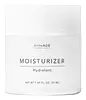
This barrier-repair moisturizer is formulated around Ectoin and Glucosyl Ceramide to strengthen the skin barrier and soften the look of wrinkles.
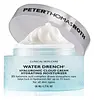
This barrier-repair moisturizer is formulated around Sodium Hyaluronate and Ceramide NP to strengthen the skin barrier and hydrate skin.

What's inside
What's inside
 Key Ingredients
Benefits
Concerns
Ingredients Side-by-side
Water
Skin ConditioningCaprylic/Capric Triglyceride
Masking


Carthamus Tinctorius Seed Oil
Masking


Glycerin
Humectant
Actinidia Chinensis Seed Oil
Emollient
C12-16 Alcohols
EmollientInulin
Skin Conditioning
Xylitylglucoside
Humectant
Ectoin
Skin Conditioning



Glyceryl Stearate
Emollient
Palmitic Acid
Emollient


Hydrogenated Lecithin
Emulsifying
Saccharide Isomerate
Humectant
Tasmannia Lanceolata Fruit/Leaf Extract
Antioxidant
Terminalia Ferdinandiana Fruit Extract
Antioxidant
Cholesterol
Emollient
Glucosyl Ceramide
Skin Conditioning
Phospholipids
Skin Conditioning
Anhydroxylitol
Humectant
Xylitol
Humectant
Tocopherol
Antioxidant


Glucose
Humectant
Phytic Acid
Chelating
Citric Acid
Buffering
Sodium Citrate
BufferingSodium Hydroxide
BufferingXanthan Gum
EmulsifyingSh-Oligopeptide-1
Skin Conditioning
Sh-Oligopeptide-2
Skin Conditioning
Sh-Polypeptide-31
Skin Conditioning
Sh-Polypeptide-5
Skin Conditioning
Sh-Polypeptide-10
Skin Conditioning
Sh-Polypeptide-11
Sh-Polypeptide-1
Skin Conditioning
Sh-Polypeptide-6
Humectant
Benzyl Alcohol
Perfuming





Dehydroacetic Acid
Preservative
Parfum
Masking
Water, Caprylic/Capric Triglyceride, Carthamus Tinctorius Seed Oil, Glycerin, Actinidia Chinensis Seed Oil, C12-16 Alcohols, Inulin, Xylitylglucoside, Ectoin, Glyceryl Stearate, Palmitic Acid, Hydrogenated Lecithin, Saccharide Isomerate, Tasmannia Lanceolata Fruit/Leaf Extract, Terminalia Ferdinandiana Fruit Extract, Cholesterol, Glucosyl Ceramide, Phospholipids, Anhydroxylitol, Xylitol, Tocopherol, Glucose, Phytic Acid, Citric Acid, Sodium Citrate, Sodium Hydroxide, Xanthan Gum, Sh-Oligopeptide-1, Sh-Oligopeptide-2, Sh-Polypeptide-31, Sh-Polypeptide-5, Sh-Polypeptide-10, Sh-Polypeptide-11, Sh-Polypeptide-1, Sh-Polypeptide-6, Benzyl Alcohol, Dehydroacetic Acid, Parfum
Water
Skin ConditioningGlycerin
Humectant
Cyclopentasiloxane
Emollient
Dipropylene Glycol
HumectantDimethicone
Emollient
Cyclohexasiloxane
Emollient
Yeast Extract
Skin ConditioningSodium Hyaluronate
Humectant
Ceramide EOP
Skin Conditioning
Ceramide Eos
Skin Conditioning
Ceramide AP
Skin Conditioning
Ceramide NP
Skin Conditioning
Ceramide Ns
Skin Conditioning
Sambucus Nigra Fruit Extract
AstringentHydrolyzed Silk
Humectant
Sodium PCA
Humectant
Tocopherol
Antioxidant
Ascorbyl Palmitate
Antioxidant
Caprooyl Phytosphingosine
Skin Conditioning
Caprooyl Sphingosine
Skin ConditioningSaccharide Isomerate
Humectant
Saccharomyces/Magnesium Ferment
Saccharomyces/Iron Ferment
Skin Conditioning
Saccharomyces/Copper Ferment
Skin Conditioning
Saccharomyces/Silicon Ferment
Skin Conditioning
Saccharomyces/Zinc Ferment
Skin Conditioning
Olea Europaea Leaf Extract
Perfuming
Methyl Gluceth-20
Humectant
Ethylhexylglycerin
Skin ConditioningLauryl PEG-9 Polydimethylsiloxyethyl Dimethicone
Skin Conditioning
Cholesterol
Emollient
Sodium Chloride
MaskingSodium Citrate
BufferingCitric Acid
Buffering
Behenic Acid
Cleansing
Propylene Glycol
Humectant
Ceteareth-25
CleansingButylene Glycol
Humectant
Dimethicone/PEG-10/15 Crosspolymer
Cetyl Alcohol
Emollient
Disodium EDTA
ChelatingSodium Benzoate
Masking
Potassium Sorbate
Preservative
Phenoxyethanol
Preservative
Mica
Cosmetic ColorantWater, Glycerin, Cyclopentasiloxane, Dipropylene Glycol, Dimethicone, Cyclohexasiloxane, Yeast Extract, Sodium Hyaluronate, Ceramide EOP, Ceramide Eos, Ceramide AP, Ceramide NP, Ceramide Ns, Sambucus Nigra Fruit Extract, Hydrolyzed Silk, Sodium PCA, Tocopherol, Ascorbyl Palmitate, Caprooyl Phytosphingosine, Caprooyl Sphingosine, Saccharide Isomerate, Saccharomyces/Magnesium Ferment, Saccharomyces/Iron Ferment, Saccharomyces/Copper Ferment, Saccharomyces/Silicon Ferment, Saccharomyces/Zinc Ferment, Olea Europaea Leaf Extract, Methyl Gluceth-20, Ethylhexylglycerin, Lauryl PEG-9 Polydimethylsiloxyethyl Dimethicone, Cholesterol, Sodium Chloride, Sodium Citrate, Citric Acid, Behenic Acid, Propylene Glycol, Ceteareth-25, Butylene Glycol, Dimethicone/PEG-10/15 Crosspolymer, Cetyl Alcohol, Disodium EDTA, Sodium Benzoate, Potassium Sorbate, Phenoxyethanol, Mica
Reviews
Ingredients Explained
These ingredients are found in both products.
Ingredients higher up in an ingredient list are typically present in a larger amount.
Cholesterol is a lipid that is naturally found in human skin and is one of the three key components of your skin barrier. In skincare, it is an emollient and barrier-repairing ingredient.
It works by fitting directly into the lipid layers of skin to help restore structure and reduce transepidermal water loss (TEWL).
This is a great ingredient for dry, compromised, or aging skin; our skin starts to produce less cholesterol with age.
Research shows cholesterol works best in combination with ceramides and fatty acids, the other two major components in your skin barrier.
Cholesterol is also a well-establish penetration enhancer and can help other actives absorb more effectively.
Cosmetic-grade cholesterol is usually derived from lanolin but plant and synthetic options also exist. We recommend reaching out to the brand if you have questions about their source of cholesterol.
Learn more about CholesterolCitric Acid is an alpha hydroxy acid (AHA) naturally found in citrus fruits like oranges, lemons, and limes.
Like other AHAs, citric acid can exfoliate skin by breaking down the bonds that hold dead skin cells together. This helps reveal smoother and brighter skin underneath.
However, this exfoliating effect only happens at high concentrations (20%) which can be hard to find in cosmetic products.
Due to this, citric acid is usually included in small amounts as a pH adjuster. This helps keep products slightly more acidic and compatible with skin's natural pH.
In skincare formulas, citric acid can:
While it can provide some skin benefits, research shows lactic acid and glycolic acid are generally more effective and less irritating exfoliants.
Most citric acid used in skincare today is made by fermenting sugars (usually from molasses). This synthetic version is identical to the natural citrus form but easier to stabilize and use in formulations.
Rosacea skin has a lower threshold for acids generally, with 62.5% of rosacea subjects in one study reacting to lactic acid in a sting test. This is why we mark citric acid as a potential rosacea trigger.
However, this ingredient shows up as a pH adjuster or chelator at roughly 0.1-1% in many products. These low levels are unlikely to be an issue for rosacea skin and becomes a potential trigger at exfoliating concentrations (20%). Because everybody's skin is unique, we recommend a patch test if you are unsure.
Learn more about Citric AcidGlycerin (or glycerol) is a compound naturally found in your skin. It's a powerhouse humectant that pulls water into the stratum corneum.
Topically, glycerin does several things at once:
Your skin makes glycerin on its own (mostly from sebaceous oil breakdown) and shuttles it to your outermost layer of skin, or your epidermis, via aquaporin-3.
Aquaporin-3 is a transporter that is essential for normal skin hydration, elasticity, and repair. Interestingly, mice lacking in AQP3 have dry and less elastic skin that can be fully corrected with glycerin.
This ingredient is non-irritating, plays well with almost every ingredient, and works across all skin types. Typical use is anywhere between 3-10% but can go up to 79% in some leave-on products.
Just know very high concentrations (>40%) can feel tacky in low humidity.
Glycerin is the name for this ingredient in American English. British English uses Glycerol/Glycerine.
Learn more about GlycerinSaccharide Isomerate comes from sugars found in corn. It is a skin hydrator.
The structure of this ingredient can be altered to be more similar to the carbohydrates found in our skin. This ability to mimic our skin gives it hydrating properties.
Specifically, saccharide Isomerate is a humectant. Humectants draw moisture from the air to our skin.
Research shows Saccharide Isomerate to be an effective moisturizer.
Learn more about Saccharide IsomerateSodium Citrate is the sodium salts of citric acid. In skincare, it is used to alter pH levels and acts as a preservative.
Its main functions are to maintain the pH of a product and neutralize metal ions.
The acidity of our skin is maintained by our glands and skin biome; normal pH level of skin is slightly acidic (~4.75-5.5).
Being slightly acidic allows our skin to create an "acid mantle". This acid mantle is a thin barrier that protects our skin from bacteria and contaminants.
Learn more about Sodium CitrateTocopherol is a fat-soluble antioxidant known as Vitamin E.
You'll find this ingredient in the vast majority of skincare (for good reason). It works to neutralize free radicals, or unstable molecules generated by UV exposure, pollution, and other environmental stressors, before they can cause oxidative damage to your skin cells.
Topically applied tocopherol has been shown to protect against UV damage by ramping up the skin's own natural defense enzymes.
It also acts as a skin conditioning agent; some studies show that regular topical use can improve the skin's water-binding capacity over 2-4 weeks.
This ingredient is especially loved for being a team player. When combined with Vitamin C, the photoprotective effect of both ingredients roughly doubles and the combo also helps reduce UV-induced DNA damage.
This ingredient has some brightening potential but it's more of a prevention ingredient than spot-fader. Cell studies show it can slow down melanin production but it's worth noting that it's not the most powerful brightener out there.
In formulations, it also serves as a stabilizer that helps protect other oxidation-prone ingredients from degrading.
Concentrations usually range from 0.1-1% in most leave-on products.
Learn more about TocopherolWater. It's the most common cosmetic ingredient of all. You'll usually see it at the top of ingredient lists, meaning that it makes up the largest part of the product.
So why is it so popular? Water most often acts as a solvent - this means that it helps dissolve other ingredients into the formulation.
You'll also recognize water as that liquid we all need to stay alive. If you see this, drink a glass of water. Remember to stay hydrated!
Learn more about Water

