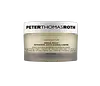
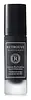
Peter Thomas Roth Mega Rich Intensive Anti-Aging Creme Versus Retrouvé Intensive Replenishing Facial Moisturizer
This anti-aging moisturizer is formulated around Acetyl Hexapeptide-8 and Palmitoyl Tripeptide-5 to soften the look of wrinkles.
This barrier-repair moisturizer is formulated around Tetrahexyldecyl Ascorbate and Ceramide Ng to strengthen the skin barrier and soften the look of wrinkles.

What's inside
What's inside
 Key Ingredients
Benefits
Concerns
Ingredients Side-by-side
Water
Skin ConditioningGlycerin
Humectant


Acetyl Hexapeptide-8
Humectant

C12-15 Alkyl Benzoate
AntimicrobialGlyceryl Stearate
Emollient

Isocetyl Stearate
Emollient


Panthenol
Skin Conditioning

Cetyl Alcohol
Emollient

Persea Gratissima Oil
Skin Conditioning
PEG-100 Stearate
Surfactant
Tocopheryl Acetate
Antioxidant


Propylene Glycol Stearate
Skin Conditioning
Palmitoyl Tripeptide-5
Skin Conditioning
Palmitoyl Tetrapeptide-7
Skin Conditioning
Palmitoyl Oligopeptide
Cleansing
Zingiber Officinale Root Extract
Masking
Citrus Medica Limonum Peel Extract
EmollientEchinacea Purpurea Extract
MoisturisingCentella Asiatica Extract
Cleansing
Ginkgo Biloba Leaf Extract
Skin Conditioning
Vitis Vinifera Fruit Extract
Skin ConditioningCamellia Sinensis Leaf Extract
Antimicrobial

Foeniculum Vulgare Fruit Extract
EmollientViola Tricolor Extract
EmollientAlgae Extract
Emollient
Retinyl Palmitate
Skin Conditioning

Rosa Canina Seed Extract
EmollientAscorbyl Palmitate
Antioxidant
Ascorbyl Methylsilanol Pectinate
Antioxidant
Tocopheryl Linoleate
Antioxidant
Wheat Amino Acids
Skin ConditioningSodium PCA
Humectant
Sodium Ascorbyl Phosphate
Antioxidant
Phospholipids
Skin Conditioning
Hydrolyzed Elastin
EmollientMaleic Acid
BufferingLactic Acid
Buffering

Tartaric Acid
Buffering
Soluble Collagen
Humectant
Bisabolol
Antioxidant
Polysorbate 20
Emulsifying
Carbomer
Emulsion StabilisingSodium Hyaluronate
Humectant
Propylene Glycol
Humectant
Caprylic/Capric Triglyceride
Masking
Butylene Glycol
Humectant
Stearoxytrimethylsilane
EmollientStearyl Alcohol
Emollient
Lanolin Oil
Emollient
Lanolin Alcohol
Emollient
Dimethicone
Emollient
Histidine Hcl
Skin ConditioningSuperoxide Dismutase
Antioxidant
Oleic Acid
Emollient
Linoleic Acid
Cleansing
Diazolidinyl Urea
Preservative
Water, Glycerin, Acetyl Hexapeptide-8, C12-15 Alkyl Benzoate, Glyceryl Stearate, Isocetyl Stearate, Panthenol, Cetyl Alcohol, Persea Gratissima Oil, PEG-100 Stearate, Tocopheryl Acetate, Propylene Glycol Stearate, Palmitoyl Tripeptide-5, Palmitoyl Tetrapeptide-7, Palmitoyl Oligopeptide, Zingiber Officinale Root Extract, Citrus Medica Limonum Peel Extract, Echinacea Purpurea Extract, Centella Asiatica Extract, Ginkgo Biloba Leaf Extract, Vitis Vinifera Fruit Extract, Camellia Sinensis Leaf Extract, Foeniculum Vulgare Fruit Extract, Viola Tricolor Extract, Algae Extract, Retinyl Palmitate, Rosa Canina Seed Extract, Ascorbyl Palmitate, Ascorbyl Methylsilanol Pectinate, Tocopheryl Linoleate, Wheat Amino Acids, Sodium PCA, Sodium Ascorbyl Phosphate, Phospholipids, Hydrolyzed Elastin, Maleic Acid, Lactic Acid, Tartaric Acid, Soluble Collagen, Bisabolol, Polysorbate 20, Carbomer, Sodium Hyaluronate, Propylene Glycol, Caprylic/Capric Triglyceride, Butylene Glycol, Stearoxytrimethylsilane, Stearyl Alcohol, Lanolin Oil, Lanolin Alcohol, Dimethicone, Histidine Hcl, Superoxide Dismutase, Oleic Acid, Linoleic Acid, Diazolidinyl Urea
C10-30 Cholesterol/Lanosterol Esters
Emulsifying
Tetrahexyldecyl Ascorbate
Antioxidant
Tocopheryl Acetate
Antioxidant
Squalane
Emollient
Carthamus Tinctorius Seed Oil
Masking
Glycerin
Humectant
Sd Alcohol 40-B
Astringent

Butyrospermum Parkii Butter
Skin Conditioning
Punica Granatum Extract
AstringentC12-15 Alkyl Benzoate
AntimicrobialTribehenin
Emollient
Ceramide Ng
Skin Conditioning
PEG-10 Phytosterol
EmulsifyingPalmitoyl Hexapeptide-12
Skin Conditioning
Ubiquinone
Antioxidant
Camellia Sinensis Leaf Extract
Antimicrobial
Panthenol
Skin Conditioning
Niacinamide
Smoothing

Plantago Lanceolata Leaf Extract
AntimicrobialVernonia Appendiculata Leaf Extract
Skin ProtectingGlyceryl Behenate/Eicosadioate
Emollient
Polyglyceryl-10 Behenate/Eicosadioate
EmulsifyingRetinyl Palmitate
Skin Conditioning
Malus Domestica Fruit Cell Culture Extract
Skin ConditioningXanthan Gum
EmulsifyingLecithin
Emollient
Phenoxyethanol
Preservative
Water
Skin ConditioningOrmenis Multicaulis Oil
Masking
Superoxide Dismutase
Antioxidant
Lavandula Angustifolia Oil
Masking


Rosmarinus Officinalis Leaf Oil
Masking
Proline
Skin Conditioning
Simmondsia Chinensis Seed Oil
Emollient
Padina Pavonica Thallus Extract
Skin ConditioningC10-30 Cholesterol/Lanosterol Esters, Tetrahexyldecyl Ascorbate, Tocopheryl Acetate, Squalane, Carthamus Tinctorius Seed Oil, Glycerin, Sd Alcohol 40-B, Butyrospermum Parkii Butter, Punica Granatum Extract, C12-15 Alkyl Benzoate, Tribehenin, Ceramide Ng, PEG-10 Phytosterol, Palmitoyl Hexapeptide-12, Ubiquinone, Camellia Sinensis Leaf Extract, Panthenol, Niacinamide, Plantago Lanceolata Leaf Extract, Vernonia Appendiculata Leaf Extract, Glyceryl Behenate/Eicosadioate, Polyglyceryl-10 Behenate/Eicosadioate, Retinyl Palmitate, Malus Domestica Fruit Cell Culture Extract, Xanthan Gum, Lecithin, Phenoxyethanol, Water, Ormenis Multicaulis Oil, Superoxide Dismutase, Lavandula Angustifolia Oil, Rosmarinus Officinalis Leaf Oil, Proline, Simmondsia Chinensis Seed Oil, Padina Pavonica Thallus Extract
Ingredients Explained
These ingredients are found in both products.
Ingredients higher up in an ingredient list are typically present in a larger amount.
C12-15 Alkyl Benzoate is a lightweight emollient made by combinig benzoic acid with fatty alcohols that are 12-15 carbons long.
In cosmetics, it plays several roles:
The Cosmetic Review Expert Panel has concluded the alkyl benzoate group to be safe as used in cosmetics; it wasn't found to be a skin irritant and unlikely to be absorbed due to its low water solubility.
This report recorded almost 1000 reported uses with concentrations up to 59% in leave-on products but your cosmetics will typically use 0.5-15% depending on the product.
It's often called a "SPF booster": this is because it keeps UV filters properly dissolved and evenly distributed to support a sunscreen's performance. It doesn't actually raise SPF on its own.
Overall, this ingredient is well tolerated.
This ingredient is fungal acne safe because it is an ester of benzoic acid.
Think of this ingredient as two parts stuck together: an oily part and an acid part. Malassezia only gets a meal when it can snip off a fatty acid to eat. With C12-15 Alkyl Benzoate, the acid part is benzoic acid, which isn't a fatty acid and which the yeast can't use as food.
Benzoic acid is actually used as a preservative to stop yeast from growing.
The oily part is a blend of C12-15 fatty alcohols but fatty alcohols in this size range can support only a little Malassezia growth (mostly for one species of Malassezia as well).
In the ingredient, those alcohols stay locked inside the molecule. The yeast can only reach them by snipping the benzoate bond, and that type of bond is harder for it to cut than a normal fatty bond.
So not much gets released. And whatever does get snipped comes packaged with benzoic acid, which discourages yeast growth.
Learn more about C12-15 Alkyl BenzoateCamellia Sinensis Leaf Extract (tea extract) is one of the most well-researched plant extracts in skincare with an impressive resume.
Black tea, green tea, and oolong tea are all harvested from the Camellia Sinensis plant.
Studies show green tea extract and its catechins (like epigallocatechin gallate (EGCG)) help your skin cells product energy more efficiently and reducing the number of free-radicals that can damage your skin from the inside.
In lab-grown skin models, this translated to younger, healthier, and stronger skin.
There's also good sun protection data; researchers saw less DNA damage and redness on human skin when green tea was applied before UVB exposure. And the more they applied, the better the protection.
Needless to say, this ingredient shouldn't replace your sunscreen. But it is a great supportive ingredient that you can already find in many sunscreens and antioxidant serums.
A 2009 study found a 2% green tea lotion was effective for mild-to-moderate acne thanks to its anti-inflammatory and mild antimicrobial activity.
The quality of the extract matters a lot here:
Good extracts contain 50-90% catechins while lower quality ones are mostly there for marketing. We recommend reaching out to the brand if you have questions about the quality or source of their ingredients.
Human Repeated Insult Patch Testing showed no irritation or sensitization at use concentrations (0.86% in leave-on products and up to 30% as leaf water).
Learn more about Camellia Sinensis Leaf ExtractGlycerin (or glycerol) is a compound naturally found in your skin. It's a powerhouse humectant that pulls water into the stratum corneum.
Topically, glycerin does several things at once:
Your skin makes glycerin on its own (mostly from sebaceous oil breakdown) and shuttles it to your outermost layer of skin, or your epidermis, via aquaporin-3.
Aquaporin-3 is a transporter that is essential for normal skin hydration, elasticity, and repair. Interestingly, mice lacking in AQP3 have dry and less elastic skin that can be fully corrected with glycerin.
This ingredient is non-irritating, plays well with almost every ingredient, and works across all skin types. Typical use is anywhere between 3-10% but can go up to 79% in some leave-on products.
Just know very high concentrations (>40%) can feel tacky in low humidity.
Glycerin is the name for this ingredient in American English. British English uses Glycerol/Glycerine.
Learn more about GlycerinPanthenol is a common ingredient that helps hydrate and soothe the skin. It is found naturally in our skin and hair.
There are two forms of panthenol: D and L.
D-panthenol is also known as dexpanthenol. Most cosmetics use dexpanthenol or a mixture of D and L-panthenol.
Panthenol is famous due to its ability to go deeper into the skin's layers. Using this ingredient has numerous pros (and no cons):
Like hyaluronic acid, panthenol is a humectant. Humectants are able to bind and hold large amounts of water to keep skin hydrated.
This ingredient works well for wound healing. It works by increasing tissue in the wound and helps close open wounds.
Once oxidized, panthenol converts to pantothenic acid. Panthothenic acid is found in all living cells.
This ingredient is also referred to as pro-vitamin B5.
Learn more about PanthenolRetinyl Palmitate is a form of retinoid. Retinoids are the superstar class of anti-aging ingredients that include Tretinoin and Retinol.
This particular ingredient has had a bumpy year with its rise and fall in popularity.
First, Retinyl Palmitate is created from Palmitic Acid and Retinol. It is a Retinol ester and considered one of the weaker forms of retinoid.
This is because all retinoids have to be converted to Tretinoin, AKA Retinoic Acid.
Retinyl Palmitate is pretty far down the line and has to go through multiple conversions before its effects are seen. Once it's on your skin, enzymes called esterases convert it into Retinol, then into Retinal, and finally into Retinoic Acid; that's three steps with a little lost at each one.
The benefits of Retinyl Palmitate are debated due to this long and ineffective conversion line.
So why use it at all?
The answer is stability. Retinol and Retinoic Acid break down fast when they hit light, heat, and air, and Retinoic Acid can be pretty irritating on top of that.
Retinyl Palmitate is much more stable and gentler, making it easier to formulate with and easier on sensitive skin (even if it's weaker gram for gram).
Studies show Retinyl Palmitate to help:
Newer research from 2023-2025 also found that Retinyl Palmitate works especially well when paired with Retinol. The two seem to cover each other's weak spots; retinol brings the potency while Retinyl Palmitate brings the stability and gentleness. Together, they repair UV damage better than either one does alone.
This ingredient used to be found in sunscreens to boost the efficacy of sunscreen filters.
The downfall of Retinyl Palmitate was due to released reports about the ingredient being correlated to sun damage and skin tumors.
Most of this traces back to a 2012 US National Toxicology Program (NTP) study where hairless mice coated in Retinyl Palmitate cream and exposed to UV light developed skin tumors faster.
Here's the nuance, though.
When the Cosmetic Ingredient Review (CIR) Expert Panel went back through that study, they found methodological flaws and decided the results couldn't be interpreted as proof of extra risk.
The EU's Scientific Committee on Consumer Safety (SCCS) said the mouse findings might point to a concern but they're hard to apply to humans since hairless mouse skin and human skin behave differently.
While there is a study showing this ingredient to cause DNA damage when exposed to UVA, there is no concrete proof of it being linked to skin cancer. It is completely safe to use when used correctly.
Both the CIR and the SCCS consider it safe at the concentrations used in cosmetics; the SCCS specifically cleared retinoids up to 0.05% in body lotions and 0.3% in face creams, hand creams, and rinse-off products.
As of 2025, the EU has written those limits into law, plus a label warning about your total Vitamin A intake from all sources.
All retinoids increase your skin's sensitivity to the sun in the first few months of usage. Be especially careful with reapplying sunscreen when using any form of retinoid.
One more note: if you're pregnant, high doses of Vitamin A can be a concern, so a lot of people skip topical retinoids (including Retinyl Palmitate) during pregnancy just to be safe. Check with your doctor if you're unsure.
Fun fact: This ingredient is often added to low-fat milk to increase the levels of Vitamin A.
Learn more about Retinyl PalmitateSuperoxide Dismutase is found in all living cells. This ingredient is AKA as 'SOD'.
SOD is a strong antioxidant. It protects living cells against oxidative damage by breaking down radical molecules into regular oxygen and hydrogen peroxide.
Antioxidants help fight free-radical molecules that may damage your skin's DNA. This may help with the signs of aging. Due to its antioxidant property, it is used to help treat chronic inflammation.
In cosmetics, SOD is usually obtained from marine phytoplankton, bovine liver, horseradish, cantaloupe, and certain bacteria.
The three major families of SOD include: Copper/Zinc, Iron/Manganese, and Nickel.
When eating SOD-rich foods, our bodies break it down into amino acids before absorption. Foods that contain SOD include: melons, citrus, spinach, broccoli, kale, almonds, sunflower seeds, and blue-green algae.
Learn more about Superoxide DismutaseTocopheryl Acetate is a stable, shelf-friendly form of vitamin E.
Formulators love it because plain vitamin E oxidizes quickly once it hits air. This acetate version stays stable and resists going off, helping to extend a product's shelf life.
It's actually inactive on its own and works like a slow-release "storage" form; the enzymes in your skin called esterases gradually convert it into active vitamin E over time.
One in vivo study showed 5% of the acetate in the living layer of the epidermis converted to vitamin E after 5 days of application. This study also found the skin gained protection against UV damage even though the conversion was slow and small.
Once converted, vitamin E acts as a skin's main fat-soluble antioxidant that fights free radicals to protect skin from damage.
Topical vitamin E generally boosts the skin's photoprotection, and it reduced UV-damage in animal models.
This ingredient has some brightening potential but it's more of a prevention ingredient than spot-fader. Cell studies show it can slow down melanin production but it's worth noting that it's not the most powerful brightener out there.
Overall, it has a pretty solid safety profile and has been found to be non-irritating and non-comedogenic. Allergic reactions may happen but stay rare due to how widely the ingredient gets used.
The concentration will vary depending on the formula; industry data shows 0.1% in baby lotions, 3% in lipsticks, and 5% in foot powders. You can also find this ingredient at 100% in a pure vitamin E oil.
Most leave-on skincare keeps it at the lower end, often between 0.5-1%.
Learn more about Tocopheryl AcetateWater. It's the most common cosmetic ingredient of all. You'll usually see it at the top of ingredient lists, meaning that it makes up the largest part of the product.
So why is it so popular? Water most often acts as a solvent - this means that it helps dissolve other ingredients into the formulation.
You'll also recognize water as that liquid we all need to stay alive. If you see this, drink a glass of water. Remember to stay hydrated!
Learn more about Water

