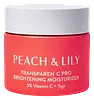
This brightening moisturizer is formulated around Ascorbyl Tetraisopalmitate and Glycyrrhiza Glabra Root Extract to brighten dull-looking skin and fade the look of dark spots.
This brightening serum is formulated around Ascorbyl Glucoside and Ferulic Acid to brighten dull-looking skin and fade the look of dark spots.

What's inside
What's inside
 Key Ingredients
Benefits
Concerns
Ingredients Side-by-side
Water
Skin ConditioningButylene Glycol
Humectant

Ascorbyl Tetraisopalmitate
Antioxidant




Glycerin
Humectant
Caprylic/Capric Triglyceride
Masking
Hydrogenated Polydecene
EmollientPolyglyceryl-6 Distearate
Emulsifying
1,2-Hexanediol
Skin Conditioning
Dipropylene Glycol
HumectantCetearyl Alcohol
Emollient



Candelilla/Jojoba/Rice Bran Polyglyceryl-3 Esters
Emulsifying
Citrus Junos Fruit Extract
Skin ConditioningBacillus/Spirodela Polyrhiza Extract/Volcanic Ash Extract Ferment Filtrate
Skin ConditioningBacillus/Houttuynia Cordata Leaf Extract/Volcanic Ash Ferment Filtrate
Skin ConditioningSodium Hyaluronate
Humectant


Hydrolyzed Hyaluronic Acid
Humectant
Hyaluronic Acid
Humectant
Hydrolyzed Sodium Hyaluronate
Skin Conditioning
Camellia Sinensis Leaf Extract
Antimicrobial


Polygonum Cuspidatum Root Extract
Antioxidant
Scutellaria Baicalensis Root Extract
Astringent
Zingiber Officinale Root Extract
Masking
Tremella Fuciformis Extract
Humectant
Sodium Hyaluronate Crosspolymer
Humectant
Glycyrrhiza Glabra Root Extract
Bleaching
Arginine
Masking
Centella Asiatica Extract
Cleansing
Lactobacillus/Papaya Fruit Ferment Extract
Abrasive
Chamomilla Recutita Flower Extract
Masking
Ananas Sativus Fruit Extract
Skin ConditioningFerulic Acid
Antimicrobial
Morus Alba Root Extract
BleachingCetearyl Olivate
Tocopherol
Antioxidant
Carbomer
Emulsion StabilisingAllantoin
Skin Conditioning
Sorbitan Olivate
Emulsifying
Xanthan Gum
EmulsifyingPaeonia Albiflora Root Extract
Skin ConditioningRosmarinus Officinalis Leaf Extract
AntimicrobialEthylhexylglycerin
Skin ConditioningCaprylyl Glycol
Emollient
Pentylene Glycol
Skin Conditioning
Sodium Polyacryloyldimethyl Taurate
Emulsion StabilisingSodium Phytate
ChelatingWater, Butylene Glycol, Ascorbyl Tetraisopalmitate, Glycerin, Caprylic/Capric Triglyceride, Hydrogenated Polydecene, Polyglyceryl-6 Distearate, 1,2-Hexanediol, Dipropylene Glycol, Cetearyl Alcohol, Candelilla/Jojoba/Rice Bran Polyglyceryl-3 Esters, Citrus Junos Fruit Extract, Bacillus/Spirodela Polyrhiza Extract/Volcanic Ash Extract Ferment Filtrate, Bacillus/Houttuynia Cordata Leaf Extract/Volcanic Ash Ferment Filtrate, Sodium Hyaluronate, Hydrolyzed Hyaluronic Acid, Hyaluronic Acid, Hydrolyzed Sodium Hyaluronate, Camellia Sinensis Leaf Extract, Polygonum Cuspidatum Root Extract, Scutellaria Baicalensis Root Extract, Zingiber Officinale Root Extract, Tremella Fuciformis Extract, Sodium Hyaluronate Crosspolymer, Glycyrrhiza Glabra Root Extract, Arginine, Centella Asiatica Extract, Lactobacillus/Papaya Fruit Ferment Extract, Chamomilla Recutita Flower Extract, Ananas Sativus Fruit Extract, Ferulic Acid, Morus Alba Root Extract, Cetearyl Olivate, Tocopherol, Carbomer, Allantoin, Sorbitan Olivate, Xanthan Gum, Paeonia Albiflora Root Extract, Rosmarinus Officinalis Leaf Extract, Ethylhexylglycerin, Caprylyl Glycol, Pentylene Glycol, Sodium Polyacryloyldimethyl Taurate, Sodium Phytate
Water
Skin ConditioningSaccharomyces/Rice Ferment Filtrate
Skin Conditioning
Glycerin
Humectant
Propanediol
Solvent
Butylene Glycol
Humectant
Ascorbyl Glucoside
Antioxidant
Honey Extract
Humectant
Camellia Sinensis Leaf Extract
Antimicrobial
Cladosiphon Okamuranus Extract
Skin Conditioning
Ferulic Acid
Antimicrobial
Angelica Acutiloba Root Extract
Skin ConditioningPrunus Mume Fruit Extract
Humectant
Sodium Hyaluronate
Humectant
Glycyrrhiza Glabra Root Extract
Bleaching
Callicarpa Japonica Fruit Extract
Skin ConditioningZiziphus Jujuba Fruit Extract
Skin ConditioningArtemisia Capillaris Flower Extract
Skin ConditioningScutellaria Baicalensis Root Extract
Astringent
Morus Alba Root Extract
BleachingPPG-13-Decyltetradeceth-24
EmulsifyingLysine Carboxymethyl Cysteinate
Skin ConditioningDipotassium Glycyrrhizate
Humectant
Xanthan Gum
Emulsifying1,2-Hexanediol
Skin Conditioning
Polyglyceryl-10 Diisostearate
Emulsifying
Citric Acid
Buffering
Polyglyceryl-10 Laurate
Skin Conditioning
Sodium Citrate
BufferingIsostearic Acid
Cleansing
Parfum
Masking


Ethylhexylglycerin
Skin ConditioningPotassium Hydroxide
BufferingChlorphenesin
Antimicrobial
Phenoxyethanol
Preservative
Citral
Perfuming
Citrus Aurantium Bergamia Peel Oil
Perfuming


Citrus Limon Peel Oil
Masking
Eucalyptus Globulus Oil
Juniperus Virginiana Oil
Masking
Lavandula Oil/Extract
Limonene
Perfuming
Linalool
Perfuming
Linalyl Acetate
Masking
Pinene
Masking
Water, Saccharomyces/Rice Ferment Filtrate, Glycerin, Propanediol, Butylene Glycol, Ascorbyl Glucoside, Honey Extract, Camellia Sinensis Leaf Extract, Cladosiphon Okamuranus Extract, Ferulic Acid, Angelica Acutiloba Root Extract, Prunus Mume Fruit Extract, Sodium Hyaluronate, Glycyrrhiza Glabra Root Extract, Callicarpa Japonica Fruit Extract, Ziziphus Jujuba Fruit Extract, Artemisia Capillaris Flower Extract, Scutellaria Baicalensis Root Extract, Morus Alba Root Extract, PPG-13-Decyltetradeceth-24, Lysine Carboxymethyl Cysteinate, Dipotassium Glycyrrhizate, Xanthan Gum, 1,2-Hexanediol, Polyglyceryl-10 Diisostearate, Citric Acid, Polyglyceryl-10 Laurate, Sodium Citrate, Isostearic Acid, Parfum, Ethylhexylglycerin, Potassium Hydroxide, Chlorphenesin, Phenoxyethanol, Citral, Citrus Aurantium Bergamia Peel Oil, Citrus Limon Peel Oil, Eucalyptus Globulus Oil, Juniperus Virginiana Oil, Lavandula Oil/Extract, Limonene, Linalool, Linalyl Acetate, Pinene
Reviews
Ingredients Explained
These ingredients are found in both products.
Ingredients higher up in an ingredient list are typically present in a larger amount.
1,2-Hexanediol is a synthetic liquid and another multi-functional powerhouse.
It is a:
- Humectant, drawing moisture into the skin
- Emollient, helping to soften skin
- Solvent, dispersing and stabilizing formulas
- Preservative booster, enhancing the antimicrobial activity of other preservatives
Butylene Glycol (or BG) is used within cosmetic products for a few different reasons:
Overall, Butylene Glycol is a safe and well-rounded ingredient that works well with other ingredients.
Though this ingredient works well with most skin types, some people with sensitive skin may experience a reaction such as allergic rashes, closed comedones, or itchiness.
Learn more about Butylene GlycolCamellia Sinensis Leaf Extract (tea extract) is one of the most well-researched plant extracts in skincare with an impressive resume.
Black tea, green tea, and oolong tea are all harvested from the Camellia Sinensis plant.
Studies show green tea extract and its catechins (like epigallocatechin gallate (EGCG)) help your skin cells product energy more efficiently and reducing the number of free-radicals that can damage your skin from the inside.
In lab-grown skin models, this translated to younger, healthier, and stronger skin.
There's also good sun protection data; researchers saw less DNA damage and redness on human skin when green tea was applied before UVB exposure. And the more they applied, the better the protection.
Needless to say, this ingredient shouldn't replace your sunscreen. But it is a great supportive ingredient that you can already find in many sunscreens and antioxidant serums.
A 2009 study found a 2% green tea lotion was effective for mild-to-moderate acne thanks to its anti-inflammatory and mild antimicrobial activity.
The quality of the extract matters a lot here:
Good extracts contain 50-90% catechins while lower quality ones are mostly there for marketing. We recommend reaching out to the brand if you have questions about the quality or source of their ingredients.
Human Repeated Insult Patch Testing showed no irritation or sensitization at use concentrations (0.86% in leave-on products and up to 30% as leaf water).
Learn more about Camellia Sinensis Leaf ExtractEthylhexylglycerin is created from glycerin. It is a multitasker ingredient that:
The CIR Expert Panel found minimal skin absorption or sensitization of any kind in a safety assessment. Though this ingredient is considered well-tolerated, a small number of cases of allergic dermatitis have been published since 2002. Just be sure to patch test if you are unsure.
Industry-reported use ranges from 8% in rinse-off products and 2% in leave-on formulations.
Learn more about EthylhexylglycerinFerulic Acid is a plant based antioxidant that can be naturally found in the cell walls of grains like rice, oats, and corn. It has antioxidant and antimicrobial properties, and has the ability to boost the performance of other antioxidants as well.
A well-known study found that adding Ferulic Acid to a solution of Vitamins C and E doubled the photoprotection of skin. This is why you'll often see it paired with Vitamin C or Vitamin E serums rather than sold on its own.
A 2025 review of 18 human studies found that using Ferulic Acid (0.5-1%) daily for one to three months showed improvements in:
As far as allergies go, Ferulic acid is generally well-tolerated but can cause an allergic reaction in very rare cases. It's also worth noting that Ferulic acid is often extracted from plant sources like rice bran or wheat bran, so be sure to path test if you have known grain allergies.
Outside of skincare, researchers are also looking into Ferulic Acid for its potential benefits in areas like diabetes, Alzheimer's, and heart health.
Learn more about Ferulic AcidGlycerin (or glycerol) is a compound naturally found in your skin. It's a powerhouse humectant that pulls water into the stratum corneum.
Topically, glycerin does several things at once:
Your skin makes glycerin on its own (mostly from sebaceous oil breakdown) and shuttles it to your outermost layer of skin, or your epidermis, via aquaporin-3.
Aquaporin-3 is a transporter that is essential for normal skin hydration, elasticity, and repair. Interestingly, mice lacking in AQP3 have dry and less elastic skin that can be fully corrected with glycerin.
This ingredient is non-irritating, plays well with almost every ingredient, and works across all skin types. Typical use is anywhere between 3-10% but can go up to 79% in some leave-on products.
Just know very high concentrations (>40%) can feel tacky in low humidity.
Glycerin is the name for this ingredient in American English. British English uses Glycerol/Glycerine.
Learn more about GlycerinGlycyrrhiza Glabra Root Extract is an extract of the roots of Licorice. It has been found to have several benefits such as skin hydrating, conditioning, and soothing.
One component, glabridin, has extra potent antioxidant and soothing properties. It has also been found to block pigmentation from UVB rays in guinea pigs.
Licorice Root also contains a flavonoid. Flavonoids are a natural substance from in plants. Flavonoids also have antioxidant properties.
Another component, glycyrrhizin, has been found to have anti-inflammatory and antimicrobial benefits. This may make licorice root extract effective at treating acne. However, more research is needed to support this.
Liquiritin is one of the flavone compounds found in licorice. It has been found to help lighten skin by preventing tyrosinase from reacting with tyrosine. When the two react, protein is converted to melanin. Melanin is the substance in your body that gives your features pigmentation.
Learn more about Glycyrrhiza Glabra Root ExtractThis ingredient is also known as mulberry root extract. It is rich in antioxidant compounds and has skin conditioning properties.
A recent study found this ingredient to inhibit the melanin production process, helping to lift dark spots and manage hyperpigmentation.
Scutellaria Baicalensis Root Extract comes from the Baikal skullcap or Chinese skullcap plant. This plant is native to Northeast Asia and can be found in China, Mongolia, Korea, and Siberia.
In cosmetics, Scutellaria Baicalensis Root Extract provides antioxidant and anti-inflammatory benefits. This is due to the flavonoid composition of Scutellaria Baicalensis Root Extract.
In Chinese traditional folk medicine, Scutellaria Baicalensis Root Extract is used to help treat lung issues and hypertension.
Learn more about Scutellaria Baicalensis Root ExtractSodium Hyaluronate is the salt form of hyaluronic acid. It is a long sugar chain that is naturally found in your skin, joints, and connective tissue that maintains hydration and elasticity.
In skincare, it works as a humectant. It pulls water from the environment and deeper layers of skin and binds it to the surface.
Interestingly, the size of the molecule affects its behavior:
Some clinical evidence links low molecular weight versions to improved wrinkle depth, elasticity, anti-inflammatory effects, and barrier repair.
Many serums use a blend of both weights so you can get surface hydration plus longer-lasting and deeper effects.
You'll typically see concentrations between 0.1-2% for this ingredient.
Learn more about Sodium HyaluronateWater. It's the most common cosmetic ingredient of all. You'll usually see it at the top of ingredient lists, meaning that it makes up the largest part of the product.
So why is it so popular? Water most often acts as a solvent - this means that it helps dissolve other ingredients into the formulation.
You'll also recognize water as that liquid we all need to stay alive. If you see this, drink a glass of water. Remember to stay hydrated!
Learn more about WaterXanthan gum is used as a stabilizer and thickener within cosmetic products. It helps give products a sticky, thick feeling - preventing them from being too runny.
On the technical side of things, xanthan gum is a polysaccharide - a combination consisting of multiple sugar molecules bonded together.
Xanthan gum is a pretty common and great ingredient. It is a natural, non-toxic, non-irritating ingredient that is also commonly used in food products.
Learn more about Xanthan Gum

