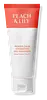
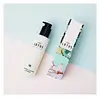
Peach & Lily Power Calm Hydrating Gel Cleanser Versus The Pure Lotus Jeju Botanical pH Balancing Cleanser
This mild gel cleanser is made to cleanse while calming and soothing your skin.

What's inside
What's inside
 Key Ingredients
Benefits
Concerns
Ingredients Side-by-side
Water
Skin ConditioningGlycerin
Humectant


Sorbitol
Humectant
Coco-Glucoside
Cleansing
Tea-Cocoyl Glutamate
Cleansing
Sodium Citrate
BufferingButylene Glycol
Humectant
Camellia Japonica Flower Extract
EmollientCamellia Sinensis Leaf Extract
Antimicrobial






Centella Asiatica Extract
Cleansing
Chamomilla Recutita Flower Extract
Masking
Glycyrrhiza Glabra Root Extract
Bleaching
Scutellaria Baicalensis Root Extract
Astringent
Panthenol
Skin Conditioning
Cucumis Sativus Fruit Extract
Emollient
Prunus Persica Fruit Extract
Abrasive
Hydrolyzed Hyaluronic Acid
Humectant
Sodium Hyaluronate
Humectant
Tocopherol
Antioxidant
Sodium Acetylated Hyaluronate
Humectant
Zingiber Officinale Root Extract
Masking
Propanediol
Solvent
Aloe Barbadensis Leaf Juice Powder
Skin Conditioning
Rosmarinus Officinalis Leaf Extract
AntimicrobialCellulose Gum
Emulsion StabilisingEthylhexylglycerin
Skin ConditioningPolygonum Cuspidatum Root Extract
Antioxidant
1,2-Hexanediol
Skin Conditioning
Pantolactone
Humectant
Chlorphenesin
Antimicrobial
Dipotassium Glycyrrhizate
Humectant
Polyglyceryl-10 Caprylate/Caprate
EmulsifyingAcrylates/C10-30 Alkyl Acrylate Crosspolymer
Emulsion StabilisingTrisodium Ethylenediamine Disuccinate
ChelatingPolyglyceryl-10 Laurate
Skin Conditioning

Lavandula Angustifolia Oil
Masking




Pelargonium Graveolens Flower Oil
Masking
Water, Glycerin, Sorbitol, Coco-Glucoside, Tea-Cocoyl Glutamate, Sodium Citrate, Butylene Glycol, Camellia Japonica Flower Extract, Camellia Sinensis Leaf Extract, Centella Asiatica Extract, Chamomilla Recutita Flower Extract, Glycyrrhiza Glabra Root Extract, Scutellaria Baicalensis Root Extract, Panthenol, Cucumis Sativus Fruit Extract, Prunus Persica Fruit Extract, Hydrolyzed Hyaluronic Acid, Sodium Hyaluronate, Tocopherol, Sodium Acetylated Hyaluronate, Zingiber Officinale Root Extract, Propanediol, Aloe Barbadensis Leaf Juice Powder, Rosmarinus Officinalis Leaf Extract, Cellulose Gum, Ethylhexylglycerin, Polygonum Cuspidatum Root Extract, 1,2-Hexanediol, Pantolactone, Chlorphenesin, Dipotassium Glycyrrhizate, Polyglyceryl-10 Caprylate/Caprate, Acrylates/C10-30 Alkyl Acrylate Crosspolymer, Trisodium Ethylenediamine Disuccinate, Polyglyceryl-10 Laurate, Lavandula Angustifolia Oil, Pelargonium Graveolens Flower Oil
Water
Skin ConditioningGlycerin
Humectant
Potassium Cocoyl Glycinate
Surfactant
Disodium Laureth Sulfosuccinate
CleansingDecyl Glucoside
Cleansing
Niacinamide
Smoothing

Aloe Barbadensis Leaf Extract
Emollient
Lauryl Glucoside
CleansingCamellia Sinensis Leaf Extract
Antimicrobial
Coco-Betaine
Cleansing
1,2-Hexanediol
Skin Conditioning
Sea Water
HumectantAcrylates/C10-30 Alkyl Acrylate Crosspolymer
Emulsion StabilisingSorbitol
Humectant
Nelumbo Nucifera Leaf Extract
Skin ConditioningXanthan Gum
EmulsifyingTromethamine
BufferingOryza Sativa Extract
Absorbent
Citrus Unshiu Peel Extract
MaskingRosmarinus Officinalis Leaf Extract
AntimicrobialNelumbo Nucifera Root Extract
Skin ConditioningOpuntia Coccinellifera Fruit Extract
Skin ConditioningStyrene/Acrylates Copolymer
Citrus Limon Peel Oil
Masking

Lavandula Angustifolia Oil
Masking
Citric Acid
Buffering
Butylene Glycol
Humectant
Disodium EDTA
ChelatingSodium Benzoate
Masking
Citrus Aurantium Dulcis Peel Oil
Masking
Pyrus Malus Fruit Extract
Skin Conditioning
Allantoin
Skin Conditioning
Trehalose
Humectant
Panthenol
Skin Conditioning
Benzoic Acid
Masking
Bacillus/Soybean Ferment Extract
Skin ConditioningSodium Hyaluronate
Humectant
Folic Acid
Skin ConditioningAloe Barbadensis Leaf Juice
Skin Conditioning
Water, Glycerin, Potassium Cocoyl Glycinate, Disodium Laureth Sulfosuccinate, Decyl Glucoside, Niacinamide, Aloe Barbadensis Leaf Extract, Lauryl Glucoside, Camellia Sinensis Leaf Extract, Coco-Betaine, 1,2-Hexanediol, Sea Water, Acrylates/C10-30 Alkyl Acrylate Crosspolymer, Sorbitol, Nelumbo Nucifera Leaf Extract, Xanthan Gum, Tromethamine, Oryza Sativa Extract, Citrus Unshiu Peel Extract, Rosmarinus Officinalis Leaf Extract, Nelumbo Nucifera Root Extract, Opuntia Coccinellifera Fruit Extract, Styrene/Acrylates Copolymer, Citrus Limon Peel Oil, Lavandula Angustifolia Oil, Citric Acid, Butylene Glycol, Disodium EDTA, Sodium Benzoate, Citrus Aurantium Dulcis Peel Oil, Pyrus Malus Fruit Extract, Allantoin, Trehalose, Panthenol, Benzoic Acid, Bacillus/Soybean Ferment Extract, Sodium Hyaluronate, Folic Acid, Aloe Barbadensis Leaf Juice
Reviews
Ingredients Explained
These ingredients are found in both products.
Ingredients higher up in an ingredient list are typically present in a larger amount.
1,2-Hexanediol is a synthetic liquid and another multi-functional powerhouse.
It is a:
- Humectant, drawing moisture into the skin
- Emollient, helping to soften skin
- Solvent, dispersing and stabilizing formulas
- Preservative booster, enhancing the antimicrobial activity of other preservatives
Acrylates/C10-30 Alkyl Acrylate Crosspolymer is a synthetic polymer. It is used to thicken, emulsify, and improve the texture of products.
As an emulsifier, it helps stabilize oil-in-water emulsions to give products an elegant feel when applied.
It can also form a thin protective film on skin. One study found that a formula using this polymer helped slow down how quickly other ingredients (like DEET) were absorbed through skin.
A 2024 study of over 1,300 patients confirmed that sensitization to this ingredient is rare. It is also non-mutagenic and has a clean track record.
Learn more about Acrylates/C10-30 Alkyl Acrylate CrosspolymerButylene Glycol (or BG) is used within cosmetic products for a few different reasons:
Overall, Butylene Glycol is a safe and well-rounded ingredient that works well with other ingredients.
Though this ingredient works well with most skin types, some people with sensitive skin may experience a reaction such as allergic rashes, closed comedones, or itchiness.
Learn more about Butylene GlycolCamellia Sinensis Leaf Extract (tea extract) is one of the most well-researched plant extracts in skincare with an impressive resume.
Black tea, green tea, and oolong tea are all harvested from the Camellia Sinensis plant.
Studies show green tea extract and its catechins (like epigallocatechin gallate (EGCG)) help your skin cells product energy more efficiently and reducing the number of free-radicals that can damage your skin from the inside.
In lab-grown skin models, this translated to younger, healthier, and stronger skin.
There's also good sun protection data; researchers saw less DNA damage and redness on human skin when green tea was applied before UVB exposure. And the more they applied, the better the protection.
Needless to say, this ingredient shouldn't replace your sunscreen. But it is a great supportive ingredient that you can already find in many sunscreens and antioxidant serums.
A 2009 study found a 2% green tea lotion was effective for mild-to-moderate acne thanks to its anti-inflammatory and mild antimicrobial activity.
The quality of the extract matters a lot here:
Good extracts contain 50-90% catechins while lower quality ones are mostly there for marketing. We recommend reaching out to the brand if you have questions about the quality or source of their ingredients.
Human Repeated Insult Patch Testing showed no irritation or sensitization at use concentrations (0.86% in leave-on products and up to 30% as leaf water).
Learn more about Camellia Sinensis Leaf ExtractGlycerin (or glycerol) is a compound naturally found in your skin. It's a powerhouse humectant that pulls water into the stratum corneum.
Topically, glycerin does several things at once:
Your skin makes glycerin on its own (mostly from sebaceous oil breakdown) and shuttles it to your outermost layer of skin, or your epidermis, via aquaporin-3.
Aquaporin-3 is a transporter that is essential for normal skin hydration, elasticity, and repair. Interestingly, mice lacking in AQP3 have dry and less elastic skin that can be fully corrected with glycerin.
This ingredient is non-irritating, plays well with almost every ingredient, and works across all skin types. Typical use is anywhere between 3-10% but can go up to 79% in some leave-on products.
Just know very high concentrations (>40%) can feel tacky in low humidity.
Glycerin is the name for this ingredient in American English. British English uses Glycerol/Glycerine.
Learn more about GlycerinLavandula Angustifolia Oil is more commonly known as lavender essential oil. It is considered a fragrancing ingredient.
Lavender imparts a famous scent. While the smell is lovely, this ingredient and may sensitize skin in topical products. This is because about 85% of the oil is made up of linalool and linalyl acetate.
When exposed to air, these two compounds become strong allergens. This ingredient exhibits cytotoxicity at low concentrations; amounts of 0.25% have been shown to damage skin cells.
A study from Japan found this ingredient caused lavender sensitivity after widespread exposure.
Lavender essential oil has some antimicrobial, antibacterial, and anti-inflammatory properties. However, the cons of this ingredient may outweight the pros.
More research is needed to confirm lavender essential oil's effects when used in aromatherapy.
Lavandula Angustifolia is known as the English Lavender and famous for creating purple fields in Provence, France.
Learn more about Lavandula Angustifolia OilPanthenol is a common ingredient that helps hydrate and soothe the skin. It is found naturally in our skin and hair.
There are two forms of panthenol: D and L.
D-panthenol is also known as dexpanthenol. Most cosmetics use dexpanthenol or a mixture of D and L-panthenol.
Panthenol is famous due to its ability to go deeper into the skin's layers. Using this ingredient has numerous pros (and no cons):
Like hyaluronic acid, panthenol is a humectant. Humectants are able to bind and hold large amounts of water to keep skin hydrated.
This ingredient works well for wound healing. It works by increasing tissue in the wound and helps close open wounds.
Once oxidized, panthenol converts to pantothenic acid. Panthothenic acid is found in all living cells.
This ingredient is also referred to as pro-vitamin B5.
Learn more about PanthenolThis is a botanical extract from the rosemary plant (the same one you cook with). In skincare, it mostly works as a skin conditioning agent.
Its activity comes from a handful of polyphenols, carnosic acid, carnosol, and rosmarinic acid. Almost 90% of the antioxidant activity of this ingredient can be attributed to canosol and carnosic acid.
These compounds protect your skin two ways:
1) They fight off free radicals, or the unstable molecules from things like sun and pollution that age and damage skin.
2) They help calm inflammation by switching off the chemical signals that tell skin to get red and irritated.
Lab studies also suggest that rosmarinic acid may help protect collagen and slow sugar-related damage to it.
The Cosmetic Ingredient Review has concluded rosemary-derived ingredients to be safe when formulated to be non-sensitizing.
Rosemary can occasionally cause allergic contact dermatitis (due to carnosol), so be sure to patch test if you have reactive or fragrance-sensitive skin.
Learn more about Rosmarinus Officinalis Leaf ExtractSodium Hyaluronate is the salt form of hyaluronic acid. It is a long sugar chain that is naturally found in your skin, joints, and connective tissue that maintains hydration and elasticity.
In skincare, it works as a humectant. It pulls water from the environment and deeper layers of skin and binds it to the surface.
Interestingly, the size of the molecule affects its behavior:
Some clinical evidence links low molecular weight versions to improved wrinkle depth, elasticity, anti-inflammatory effects, and barrier repair.
Many serums use a blend of both weights so you can get surface hydration plus longer-lasting and deeper effects.
You'll typically see concentrations between 0.1-2% for this ingredient.
Learn more about Sodium HyaluronateSorbitol is a sugar alcohol. It is a hydrating and moisturizing agent created from the reduction process of glucose.
Most sorbitol is usually made from potato starch. It is also found in fruits such as apples and pears.
As a humectant, Sorbitol helps draw water to the skin. This helps keep the skin hydrated. Sorbitol also helps create a thicker texture in products. You might find sorbitol in your toothpaste and other gels.
It is a non-irritating ingredient that is great for those with dry skin.
Sorbitol is a prebiotic. It helps promote the growth of healthy bacteria on your skin. The bacteria on your skin form a microbiome. This microbiome helps protect your skin from infection and harmful bacteria.
Learn more about SorbitolWater. It's the most common cosmetic ingredient of all. You'll usually see it at the top of ingredient lists, meaning that it makes up the largest part of the product.
So why is it so popular? Water most often acts as a solvent - this means that it helps dissolve other ingredients into the formulation.
You'll also recognize water as that liquid we all need to stay alive. If you see this, drink a glass of water. Remember to stay hydrated!
Learn more about Water

