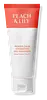
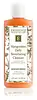
Peach & Lily Power Calm Hydrating Gel Cleanser Versus Eminence Organics Mangosteen Daily Resurfacing Cleanser
This mild gel cleanser is made to cleanse while calming and soothing your skin.
This gel cleanser uses mild cleansing ingredients, but contains alcohol that may feel drying for some.


What's inside
What's inside
 Key Ingredients
Benefits
Concerns
Ingredients Side-by-side
Water
Skin ConditioningGlycerin
Humectant


Sorbitol
Humectant
Coco-Glucoside
Cleansing
Tea-Cocoyl Glutamate
Cleansing
Sodium Citrate
BufferingButylene Glycol
Humectant
Camellia Japonica Flower Extract
EmollientCamellia Sinensis Leaf Extract
Antimicrobial






Centella Asiatica Extract
Cleansing
Chamomilla Recutita Flower Extract
Masking
Glycyrrhiza Glabra Root Extract
Bleaching
Scutellaria Baicalensis Root Extract
Astringent
Panthenol
Skin Conditioning
Cucumis Sativus Fruit Extract
Emollient
Prunus Persica Fruit Extract
Abrasive
Hydrolyzed Hyaluronic Acid
Humectant
Sodium Hyaluronate
Humectant
Tocopherol
Antioxidant
Sodium Acetylated Hyaluronate
Humectant
Zingiber Officinale Root Extract
Masking
Propanediol
Solvent
Aloe Barbadensis Leaf Juice Powder
Skin Conditioning
Rosmarinus Officinalis Leaf Extract
AntimicrobialCellulose Gum
Emulsion StabilisingEthylhexylglycerin
Skin ConditioningPolygonum Cuspidatum Root Extract
Antioxidant
1,2-Hexanediol
Skin Conditioning
Pantolactone
Humectant
Chlorphenesin
Antimicrobial
Dipotassium Glycyrrhizate
Humectant
Polyglyceryl-10 Caprylate/Caprate
EmulsifyingAcrylates/C10-30 Alkyl Acrylate Crosspolymer
Emulsion StabilisingTrisodium Ethylenediamine Disuccinate
ChelatingPolyglyceryl-10 Laurate
Skin Conditioning

Lavandula Angustifolia Oil
Masking




Pelargonium Graveolens Flower Oil
Masking
Water, Glycerin, Sorbitol, Coco-Glucoside, Tea-Cocoyl Glutamate, Sodium Citrate, Butylene Glycol, Camellia Japonica Flower Extract, Camellia Sinensis Leaf Extract, Centella Asiatica Extract, Chamomilla Recutita Flower Extract, Glycyrrhiza Glabra Root Extract, Scutellaria Baicalensis Root Extract, Panthenol, Cucumis Sativus Fruit Extract, Prunus Persica Fruit Extract, Hydrolyzed Hyaluronic Acid, Sodium Hyaluronate, Tocopherol, Sodium Acetylated Hyaluronate, Zingiber Officinale Root Extract, Propanediol, Aloe Barbadensis Leaf Juice Powder, Rosmarinus Officinalis Leaf Extract, Cellulose Gum, Ethylhexylglycerin, Polygonum Cuspidatum Root Extract, 1,2-Hexanediol, Pantolactone, Chlorphenesin, Dipotassium Glycyrrhizate, Polyglyceryl-10 Caprylate/Caprate, Acrylates/C10-30 Alkyl Acrylate Crosspolymer, Trisodium Ethylenediamine Disuccinate, Polyglyceryl-10 Laurate, Lavandula Angustifolia Oil, Pelargonium Graveolens Flower Oil
Prunus Armeniaca Fruit Extract
Skin ConditioningAloe Barbadensis Leaf Juice
Skin Conditioning
Pyrus Malus Juice
Skin ConditioningMalus Domestica Fruit Extract
Antioxidant
Vitis Vinifera Juice
Antioxidant
Vitis Vinifera
MaskingHippophae Rhamnoides Fruit Juice
Skin ConditioningCalendula Officinalis Flower Oil
Masking
Helianthus Annuus Seed Oil
Emollient
Prunus Armeniaca Kernel Oil
Masking

Calendula Officinalis Flower Extract
Masking
Achillea Millefolium Extract
CleansingTrifolium Pratense Flower Extract
AstringentEchinacea Purpurea Root Extract
MoisturisingRosmarinus Officinalis Leaf Extract
AntimicrobialGlycerin
Humectant
Heptyl Glucoside
SurfactantLauryl Glucoside
CleansingCoco-Betaine
Cleansing
Zingiber Officinale Root Extract
Masking
Panax Ginseng Root Extract
Emollient
Garcinia Mangostana Fruit Extract
Skin ConditioningLycium Barbarum Callus Culture Extract
Skin ConditioningVaccinium Macrocarpon Fruit Extract
AstringentVaccinium Myrtillus Fruit Extract
Skin ConditioningLactic Acid
Buffering
Benzyl Alcohol
Perfuming

Dehydroacetic Acid
Preservative
Prunus Persica Fruit Water
Masking
Isopentyldiol
Humectant
Ribose
HumectantStyrene/Acrylates Copolymer
Euterpe Oleracea Fruit Extract
Citrus Limon Peel
MaskingMalpighia Glabra Fruit Extract
Skin ConditioningEmblica Officinalis Fruit
Skin ConditioningAdansonia Digitata Seed Oil
Emollient
Myrciaria Dubia Fruit Extract
Skin ConditioningDaucus Carota Sativa Root Extract
Skin Conditioning
Cocos Nucifera Water
Masking
Lycium Barbarum Fruit Extract
Astringent
Tapioca Starch
Potassium Sorbate
Preservative
Sodium Benzoate
Masking
Prunus Armeniaca Fruit Extract, Aloe Barbadensis Leaf Juice, Pyrus Malus Juice, Malus Domestica Fruit Extract, Vitis Vinifera Juice, Vitis Vinifera, Hippophae Rhamnoides Fruit Juice, Calendula Officinalis Flower Oil, Helianthus Annuus Seed Oil, Prunus Armeniaca Kernel Oil, Calendula Officinalis Flower Extract, Achillea Millefolium Extract, Trifolium Pratense Flower Extract, Echinacea Purpurea Root Extract, Rosmarinus Officinalis Leaf Extract, Glycerin, Heptyl Glucoside, Lauryl Glucoside, Coco-Betaine, Zingiber Officinale Root Extract, Panax Ginseng Root Extract, Garcinia Mangostana Fruit Extract, Lycium Barbarum Callus Culture Extract, Vaccinium Macrocarpon Fruit Extract, Vaccinium Myrtillus Fruit Extract, Lactic Acid, Benzyl Alcohol, Dehydroacetic Acid, Prunus Persica Fruit Water, Isopentyldiol, Ribose, Styrene/Acrylates Copolymer, Euterpe Oleracea Fruit Extract, Citrus Limon Peel, Malpighia Glabra Fruit Extract, Emblica Officinalis Fruit, Adansonia Digitata Seed Oil, Myrciaria Dubia Fruit Extract, Daucus Carota Sativa Root Extract, Cocos Nucifera Water, Lycium Barbarum Fruit Extract, Tapioca Starch, Potassium Sorbate, Sodium Benzoate
Reviews
Alternatives
Ingredients Explained
These ingredients are found in both products.
Ingredients higher up in an ingredient list are typically present in a larger amount.
Glycerin (or glycerol) is a compound naturally found in your skin. It's a powerhouse humectant that pulls water into the stratum corneum.
Topically, glycerin does several things at once:
Your skin makes glycerin on its own (mostly from sebaceous oil breakdown) and shuttles it to your outermost layer of skin, or your epidermis, via aquaporin-3.
Aquaporin-3 is a transporter that is essential for normal skin hydration, elasticity, and repair. Interestingly, mice lacking in AQP3 have dry and less elastic skin that can be fully corrected with glycerin.
This ingredient is non-irritating, plays well with almost every ingredient, and works across all skin types. Typical use is anywhere between 3-10% but can go up to 79% in some leave-on products.
Just know very high concentrations (>40%) can feel tacky in low humidity.
Glycerin is the name for this ingredient in American English. British English uses Glycerol/Glycerine.
Learn more about GlycerinThis is a botanical extract from the rosemary plant (the same one you cook with). In skincare, it mostly works as a skin conditioning agent.
Its activity comes from a handful of polyphenols, carnosic acid, carnosol, and rosmarinic acid. Almost 90% of the antioxidant activity of this ingredient can be attributed to canosol and carnosic acid.
These compounds protect your skin two ways:
1) They fight off free radicals, or the unstable molecules from things like sun and pollution that age and damage skin.
2) They help calm inflammation by switching off the chemical signals that tell skin to get red and irritated.
Lab studies also suggest that rosmarinic acid may help protect collagen and slow sugar-related damage to it.
The Cosmetic Ingredient Review has concluded rosemary-derived ingredients to be safe when formulated to be non-sensitizing.
Rosemary can occasionally cause allergic contact dermatitis (due to carnosol), so be sure to patch test if you have reactive or fragrance-sensitive skin.
Learn more about Rosmarinus Officinalis Leaf ExtractZingiber Officinale is more commonly known as ginger.
Ginger root has antioxidant, anti-inflammation, and antimicrobial properties.
The antioxidant properties help protect your body from free-radicals. Free-radicals are molecules that may damage your skin cells. As a result, ginger may help slow down signs of aging such as hyperpigmentation and wrinkles.
Studies show ginger inhibits the enzyme that breaks down collagen. It also helps with:
This ingredient has no negative side-effects and is safe to use unless one has a specific allergy to it.
Ginger originates from Southeast Asia but has spread throughout the world. It is now a common spice used in many cultures.
Learn more about Zingiber Officinale Root Extract

