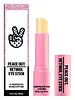
This anti-aging eye moisturizer is formulated around Retinol and Bakuchiol to soften the look of wrinkles and refine skin texture.
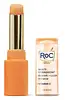
This brightening eye moisturizer is formulated around Tetrahexyldecyl Ascorbate and Troxerutin to brighten dull-looking skin and soften the look of wrinkles.


What's inside
What's inside
 Key Ingredients
Benefits
Concerns
Ingredients Side-by-side
Squalane
Emollient


Diisostearyl Malate
EmollientCeresin
Emulsion StabilisingPolyethylene
Abrasive

Mica
Cosmetic ColorantBis-Diglyceryl Polyacyladipate-2
Emollient

Synthetic Wax
Abrasive
Caprylic/Capric Triglyceride
Masking
Silica Dimethyl Silylate
EmollientEthylene/Propylene Copolymer
Abrasive
Glycerin
Humectant
Caprylyl Glycol
Emollient
Carthamus Tinctorius Seed Oil
Masking
Retinol
Skin Conditioning







Oleic Acid
Emollient
Polysorbate 20
Emulsifying
Lecithin
Emollient
Polycaprolactone
StabilisingTerminalia Arjuna Extract
Skin ConditioningUbiquinone
Antioxidant
Astaxanthin
Skin Conditioning

Oryza Sativa Bran Wax
Skin Conditioning
Bakuchiol
Antimicrobial
Sodium Hyaluronate
Humectant
Phaseolus Radiatus Seed Extract
Skin ConditioningAcmella Oleracea Extract
Skin ProtectingCeramide NP
Skin Conditioning
Biotinoyl Hexapeptide-2 Amide
Skin Conditioning
Heptasodium Hexacarboxymethyl Dipeptide-12
Skin Conditioning
Spilanthes Acmella Flower/Leaf/Stem Extract
AntimicrobialAstragalus Membranaceus Root Extract
Emollient
Haematococcus Pluvialis Extract
Antioxidant
Olea Europaea Fruit Oil
Masking
Psoralea Corylifolia Seed Extract
Skin ConditioningAvena Sativa Meal Extract
SoothingTocopherol
Antioxidant
1,2-Hexanediol
Skin Conditioning
Water
Skin ConditioningSodium Magnesium Silicate
Squalane, Diisostearyl Malate, Ceresin, Polyethylene, Mica, Bis-Diglyceryl Polyacyladipate-2, Synthetic Wax, Caprylic/Capric Triglyceride, Silica Dimethyl Silylate, Ethylene/Propylene Copolymer, Glycerin, Caprylyl Glycol, Carthamus Tinctorius Seed Oil, Retinol, Oleic Acid, Polysorbate 20, Lecithin, Polycaprolactone, Terminalia Arjuna Extract, Ubiquinone, Astaxanthin, Oryza Sativa Bran Wax, Bakuchiol, Sodium Hyaluronate, Phaseolus Radiatus Seed Extract, Acmella Oleracea Extract, Ceramide NP, Biotinoyl Hexapeptide-2 Amide, Heptasodium Hexacarboxymethyl Dipeptide-12, Spilanthes Acmella Flower/Leaf/Stem Extract, Astragalus Membranaceus Root Extract, Haematococcus Pluvialis Extract, Olea Europaea Fruit Oil, Psoralea Corylifolia Seed Extract, Avena Sativa Meal Extract, Tocopherol, 1,2-Hexanediol, Water, Sodium Magnesium Silicate
C13-15 Alkane
SolventWater
Skin ConditioningCocoglycerides
Emollient
Helianthus Annuus Seed Wax
Skin Conditioning
Butylene Glycol
Humectant
Acrylates Crosspolymer
AbsorbentPolyhydroxystearic Acid
Emulsifying
Tetrahexyldecyl Ascorbate
Antioxidant
Bis-Behenyl/Isostearyl/Phytosteryl Dimer Dilinoleyl Dimer Dilinoleate
EmollientPolyglyceryl-4 Oleate
Emulsifying
Cetearyl Olivate
Polyglyceryl-6 Oleate
Emulsifying
Helianthus Annuus Seed Oil Unsaponifiables
Emollient
Troxerutin
Skin Conditioning
Calcium Aluminum Borosilicate
Diisostearyl Malate
EmollientGluconolactone
Chelating
Sorbitan Olivate
Emulsifying
Tocopheryl Acetate
Antioxidant
Sodium Benzoate
Masking
Sodium PCA
Humectant
Maltodextrin
Absorbent
Cistus Incanus Flower/Leaf/Stem Extract
Skin ConditioningHaematococcus Pluvialis Extract
Antioxidant
Octyldodecanol
Emollient
Calcium Gluconate
HumectantMalic Acid
Buffering
Pentaerythrityl Tetraisostearate
Emollient
Tocopherol
Antioxidant
Astaxanthin
Skin Conditioning
Caprylic/Capric Triglyceride
Masking
Propylene Carbonate
SolventStearalkonium Hectorite
Gel FormingPalmitoyl Hexapeptide-12
Skin Conditioning
CI 77491
Cosmetic ColorantC13-15 Alkane, Water, Cocoglycerides, Helianthus Annuus Seed Wax, Butylene Glycol, Acrylates Crosspolymer, Polyhydroxystearic Acid, Tetrahexyldecyl Ascorbate, Bis-Behenyl/Isostearyl/Phytosteryl Dimer Dilinoleyl Dimer Dilinoleate, Polyglyceryl-4 Oleate, Cetearyl Olivate, Polyglyceryl-6 Oleate, Helianthus Annuus Seed Oil Unsaponifiables, Troxerutin, Calcium Aluminum Borosilicate, Diisostearyl Malate, Gluconolactone, Sorbitan Olivate, Tocopheryl Acetate, Sodium Benzoate, Sodium PCA, Maltodextrin, Cistus Incanus Flower/Leaf/Stem Extract, Haematococcus Pluvialis Extract, Octyldodecanol, Calcium Gluconate, Malic Acid, Pentaerythrityl Tetraisostearate, Tocopherol, Astaxanthin, Caprylic/Capric Triglyceride, Propylene Carbonate, Stearalkonium Hectorite, Palmitoyl Hexapeptide-12, CI 77491
Reviews
Alternatives
Ingredients Explained
These ingredients are found in both products.
Ingredients higher up in an ingredient list are typically present in a larger amount.
Astaxanthin is a carotene pigment and red pigment. It is a promising antioxidant with a ton of skin benefits.
This antioxidant has great anti-aging benefits by blocking the following:
Astaxanthin is also great at soothing skin due to its ability to block molecules that signal inflammation. It is currently being studied for preventing chronic inflammatory diseases.
Plus, a study from 2012 found Astaxanthin in liposomes protected mouse skin from UV-damage.
Fun fact: Astaxanthin is responsible for giving salmon a pink color.
Learn more about AstaxanthinCaprylic/Capric Triglyceride (aka MCT Oil) is a lightweight emollient, solvent, and texture enhancer. It is considered a skin-softener by helping to prevent moisture loss.
Though it behaves like an oil, it is not technically one due to its chemical composition. One perk of this ingredient is that it is very stable, resistant to oxidation, and unlikely to go rancid.
In practice, that translates to a long shelf life and a consistently elegant skin feel.
While there is an assumption Caprylic Triglyceride can clog pores due to it being derived from coconut oil, there is no research supporting this. Just patch test if you have concerns.
Fractionated coconut oil and MCT Oil are both listed as Caprylic/Capric Triglyceride according to INCI. This is because INCI names are based on the ingredient’s final chemical composition and not its marketing name or source.
This ingredient is treated as the gold standard fungal acne safe oil. Even though it is coconut derived, the problematic lauric acid is stripped out.
This leaves just caprylic (C8) and capric (C10) acid. These chain lengths actually trend antifungal; a 2020 study found caprylic acid was enough to disrupt Malassezia furfur cell membrane, with a caprylic acid derivative damaging membrane structures at concentrations as low as 0.2%.
Learn more about Caprylic/Capric TriglycerideDiisostearyl Malate is an emollient and most often used in lip products. It comes from isostearyl alcohol, a fatty acid, and malic acid, an AHA.
As an emollient, Diisostearyl Malate helps create a thin film on your skin to trap moisture in. This helps keep your skin soft and smooth.
This extract comes from a tiny freshwater green microalga that can be found all over the world. It's special because it can produce massive amounts of Astaxanthin, a bright reddish-orange carotenoid pigment that is considered one of nature's most powerful antioxidants.
The algae starts pumping out Astaxanthin as a defense mechanism whenever it gets stressed out by things like intense sunlight or lack of nutrients.
This extract comes as a red-tinted, oily liquid and is packed with carotenoids, proteins, lipids, and minerals.
Astaxanthin is an antioxidant that helps neutralize free radicals and reactive oxygen species (ROS) that cause oxidative damage to your skin. It is also lipophilic, meaning it loves fats. This lets it concentrate in the outer layers of your skin where UV damage tends to hit first.
Research suggests it outperforms other well-known antioxidants like Vitamin C, Vitamin E, and Beta-Carotene in terms of scavenging ability. It can also help inhibit matrix metalloproteinases (the enzymes that break down collagen) and can stimulate growth factor secretion to support collagen production in dermal fibroblasts.
Clinical studies have shown that combining oral supplementation (6 mg/day) with topical application of astaxanthin from H. pluvialis led to improvements in wrinkles, age spots, elasticity, skin texture, and moisture content.
This ingredient is generally considered safe and well-tolerated in both topical and oral applications. In cosmetics, you'll see typical concentrations range from 0.1-2%. Allergic reactions are rare and be sure to patch test if you are unsure.
It's worth noting that about 95% of Astaxanthin on the market is made synthetically from petrochemicals.
Learn more about Haematococcus Pluvialis ExtractTocopherol is a fat-soluble antioxidant known as Vitamin E.
You'll find this ingredient in the vast majority of skincare (for good reason). It works to neutralize free radicals, or unstable molecules generated by UV exposure, pollution, and other environmental stressors, before they can cause oxidative damage to your skin cells.
Topically applied tocopherol has been shown to protect against UV damage by ramping up the skin's own natural defense enzymes.
It also acts as a skin conditioning agent; some studies show that regular topical use can improve the skin's water-binding capacity over 2-4 weeks.
This ingredient is especially loved for being a team player. When combined with Vitamin C, the photoprotective effect of both ingredients roughly doubles and the combo also helps reduce UV-induced DNA damage.
This ingredient has some brightening potential but it's more of a prevention ingredient than spot-fader. Cell studies show it can slow down melanin production but it's worth noting that it's not the most powerful brightener out there.
In formulations, it also serves as a stabilizer that helps protect other oxidation-prone ingredients from degrading.
Concentrations usually range from 0.1-1% in most leave-on products.
Learn more about TocopherolWater. It's the most common cosmetic ingredient of all. You'll usually see it at the top of ingredient lists, meaning that it makes up the largest part of the product.
So why is it so popular? Water most often acts as a solvent - this means that it helps dissolve other ingredients into the formulation.
You'll also recognize water as that liquid we all need to stay alive. If you see this, drink a glass of water. Remember to stay hydrated!
Learn more about Water

