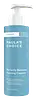
This mild cream cleanser is made to cleanse without leaving your skin tight or dry.
This salicylic acid foaming cleanser is formulated around Salicylic Acid to clear breakouts and unclog pores.

What's inside
What's inside
 Key Ingredients
Benefits
Concerns
Ingredients Side-by-side
Water
Skin ConditioningSodium Lauroamphoacetate
CleansingSodium Cocoyl Isethionate
Cleansing
Stearic Acid
Cleansing



Glycerin
Humectant

Glycol Distearate
Emollient
Helianthus Annuus Seed Oil
Emollient
Acrylates Copolymer
Cetearyl Alcohol
Emollient


Sodium Hyaluronate
Humectant


Ceramide NP
Skin Conditioning

Ceramide AP
Skin Conditioning
Ceramide EOP
Skin Conditioning
Phytosphingosine
Skin Conditioning
Phospholipids
Skin Conditioning
Sphingolipids
Emollient
Lecithin
Emollient
Arginine
Masking
Cholesterol
Emollient
Aloe Barbadensis Leaf Extract
Emollient
Disodium EDTA
ChelatingSodium Chloride
MaskingSodium Hydroxide
BufferingSodium Lauroyl Lactylate
EmulsifyingXanthan Gum
EmulsifyingCarbomer
Emulsion StabilisingHexylene Glycol
EmulsifyingPhenoxyethanol
Preservative
Caprylyl Glycol
Emollient
Water, Sodium Lauroamphoacetate, Sodium Cocoyl Isethionate, Stearic Acid, Glycerin, Glycol Distearate, Helianthus Annuus Seed Oil, Acrylates Copolymer, Cetearyl Alcohol, Sodium Hyaluronate, Ceramide NP, Ceramide AP, Ceramide EOP, Phytosphingosine, Phospholipids, Sphingolipids, Lecithin, Arginine, Cholesterol, Aloe Barbadensis Leaf Extract, Disodium EDTA, Sodium Chloride, Sodium Hydroxide, Sodium Lauroyl Lactylate, Xanthan Gum, Carbomer, Hexylene Glycol, Phenoxyethanol, Caprylyl Glycol
Salicylic Acid 0.5%
Masking







Water
Skin ConditioningMethyl Perfluoroisobutyl Ether
SolventButylene Glycol
Humectant
Methyl Perfluorobutyl Ether
SolventSorbitol
Humectant
Cocamidopropyl Betaine
Cleansing
Sodium Laureth Sulfate
Cleansing
Chondrus Crispus
Masking
Cyclopentasiloxane
Emollient
Cyclohexasiloxane
Emollient
Cocamide DEA
Emulsifying
Polyhydroxystearic Acid
Emulsifying
Isononyl Isononanoate
EmollientPhenoxyethanol
Preservative
Ethylhexyl Isononanoate
EmollientMethylparaben
Preservative

Sodium Cocamidopropyl Pg-Dimonium Chloride Phosphate
Cleansing
Xanthan Gum
EmulsifyingSodium Hydroxide
BufferingImidazolidinyl Urea
Preservative
Tetrasodium EDTA
ChelatingEthylparaben
Preservative
Butylparaben
Masking
Cinnamomum Zeylanicum Bark Extract
Antimicrobial

Propylparaben
Preservative
Isobutylparaben
Antimicrobial
Yeast Polysaccharides
Skin ConditioningOryza Sativa Bran Extract
Skin Conditioning
Methylchloroisothiazolinone
Preservative
Methylisothiazolinone
Preservative
Blue 1 Lake
Cosmetic ColorantSalicylic Acid 0.5%, Water, Methyl Perfluoroisobutyl Ether, Butylene Glycol, Methyl Perfluorobutyl Ether, Sorbitol, Cocamidopropyl Betaine, Sodium Laureth Sulfate, Chondrus Crispus, Cyclopentasiloxane, Cyclohexasiloxane, Cocamide DEA, Polyhydroxystearic Acid, Isononyl Isononanoate, Phenoxyethanol, Ethylhexyl Isononanoate, Methylparaben, Sodium Cocamidopropyl Pg-Dimonium Chloride Phosphate, Xanthan Gum, Sodium Hydroxide, Imidazolidinyl Urea, Tetrasodium EDTA, Ethylparaben, Butylparaben, Cinnamomum Zeylanicum Bark Extract, Propylparaben, Isobutylparaben, Yeast Polysaccharides, Oryza Sativa Bran Extract, Methylchloroisothiazolinone, Methylisothiazolinone, Blue 1 Lake
Reviews
Ingredients Explained
These ingredients are found in both products.
Ingredients higher up in an ingredient list are typically present in a larger amount.
Phenoxyethanol is one of the most widely used preservatives in skincare (and for good reason!).
It has a large spectrum of antimicrobial activity and especially effective bacteria, yeast, and mold while only having a weak effect on your skin's natural microbiome.
On a cellular level, it disrupts the cell membranes of microbes by poking holes that make the cell leak. This shuts down the chemical reactions the microbe needs to make energy so it can no longer survive.
Another perk of this ingredient is that it stays functional across a wide pH range (3-10).
You'll often see it paired with boosters like Ethylhexylglycerin; one study showed that a 1:9 ratio of Ethylhexylglycerin to Phenoxyethanol damages bacterial membranes as effectively as doubling the Phenoxyethanol concentration on its own.
Typical use concentrations range from 0.3-1% depending on the formula, and this ingredient is capped at 1% int the EU.
Safety-wise, the fear mongering does not hold up to the evidence. The EU's Scientific Committee on Consumer Safety and FDA consider it safe as a preservative at up to 1%, including for children of all ages.
Adverse systemic effects only showed up in animal studies at exposures roughly 200x higher than what people get from cosmetics. And despite its very widespread use, this ingredient is a rare sensitizer and allergic reactions are uncommon.
Learn more about PhenoxyethanolSodium Hydroxide is also known as lye or caustic soda. It is used to adjust the pH of products; many ingredients require a specific pH to be effective.
In small amounts, sodium hydroxide is considered safe to use. However, large amounts may cause chemical burns due to its high alkaline.
Your skin has a natural pH and acid mantle. This acid mantle helps prevent harmful bacteria from breaking through. The acid mantle also helps keep your skin hydrated.
"Alkaline" refers to a high pH level. A low pH level would be considered acidic.
Learn more about Sodium HydroxideWater. It's the most common cosmetic ingredient of all. You'll usually see it at the top of ingredient lists, meaning that it makes up the largest part of the product.
So why is it so popular? Water most often acts as a solvent - this means that it helps dissolve other ingredients into the formulation.
You'll also recognize water as that liquid we all need to stay alive. If you see this, drink a glass of water. Remember to stay hydrated!
Learn more about WaterXanthan gum is used as a stabilizer and thickener within cosmetic products. It helps give products a sticky, thick feeling - preventing them from being too runny.
On the technical side of things, xanthan gum is a polysaccharide - a combination consisting of multiple sugar molecules bonded together.
Xanthan gum is a pretty common and great ingredient. It is a natural, non-toxic, non-irritating ingredient that is also commonly used in food products.
Learn more about Xanthan Gum

