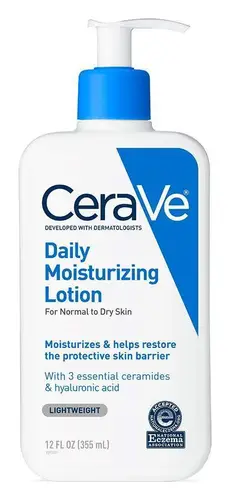
Paula's Choice Rescue & Repair Weightless Moisturizer Versus Lawless Forget the Filler Skin-Plumping Line-Smoothing Moisturizer + Makeup Primer
This barrier-repair moisturizer is formulated around Squalane and Allantoin to strengthen the skin barrier and calm redness.
This anti-aging moisturizer is formulated around Squalane and Acetyl Hexapeptide-8 to soften the look of wrinkles and hydrate skin.

What's inside
What's inside
 Key Ingredients
Benefits
Concerns
Ingredients Side-by-side
Water
Skin ConditioningGlycerin
Humectant


Caprylic/Capric Triglyceride
Masking
Stearic Acid
Cleansing


Triheptanoin
Skin ConditioningC13-16 Isoalkane
SolventButylene Glycol
Humectant
Propanediol
Solvent
Inulin
Skin Conditioning
Glyceryl Stearate
Emollient
Acrylates/C10-30 Alkyl Acrylate Crosspolymer
Emulsion StabilisingSqualane
Emollient
Ethylhexyl Stearate
Emollient

Sodium Hydroxide
BufferingCaprylyl Glycol
Emollient
Allantoin
Skin Conditioning

Sodium Phytate
ChelatingEthylhexylglycerin
Skin ConditioningHexylene Glycol
EmulsifyingAlpha-Glucan Oligosaccharide
Cleansing
Glycogen
HumectantLaminaria Digitata Extract
Skin Protecting
Albatrellus Confluens Extract
Humectant
Opuntia Ficus-Indica Stem Extract
Skin Conditioning
Galactoarabinan
Citric Acid
Buffering

Maltodextrin
Absorbent
Schizophyllan
HumectantAcetyl Hexapeptide-8
Humectant
Phenoxyethanol
Preservative
Potassium Sorbate
Preservative
Water, Glycerin, Caprylic/Capric Triglyceride, Stearic Acid, Triheptanoin, C13-16 Isoalkane, Butylene Glycol, Propanediol, Inulin, Glyceryl Stearate, Acrylates/C10-30 Alkyl Acrylate Crosspolymer, Squalane, Ethylhexyl Stearate, Sodium Hydroxide, Caprylyl Glycol, Allantoin, Sodium Phytate, Ethylhexylglycerin, Hexylene Glycol, Alpha-Glucan Oligosaccharide, Glycogen, Laminaria Digitata Extract, Albatrellus Confluens Extract, Opuntia Ficus-Indica Stem Extract, Galactoarabinan, Citric Acid, Maltodextrin, Schizophyllan, Acetyl Hexapeptide-8, Phenoxyethanol, Potassium Sorbate
Water
Skin ConditioningHydrolyzed Yeast Extract
Skin ConditioningIsopropyl Isostearate
Emollient
Dipentaerythrityl Hexahydroxystearate/Hexastearate/Hexarosinate
Skin ConditioningPropanediol
Solvent
Undecane
EmollientSqualane
Emollient
Cetearyl Olivate
Cetyl Alcohol
Emollient
Glyceryl Stearate
Emollient
Glycerin
Humectant
Sorbitan Olivate
Emulsifying
Butylene Glycol
Humectant
Sorbitan Stearate
Emulsifying
Methyl Glucose Sesquistearate
Emollient
Tridecane
Perfuming

Butyrospermum Parkii Butter
Skin Conditioning
Tocopheryl Acetate
Antioxidant

Trehalose
Humectant
Saccharomyces/Xylinum/Black Tea Ferment
Skin Conditioning
Caprylyl Glycol
Emollient
Phenoxyethanol
Preservative
Acrylates/C10-30 Alkyl Acrylate Crosspolymer
Emulsion StabilisingCaffeine
Skin Conditioning
Carbomer
Emulsion StabilisingHexylene Glycol
EmulsifyingSodium Hydroxide
BufferingTetrasodium Glutamate Diacetate
ChelatingPanthenol
Skin Conditioning
Cetyl Hydroxyethylcellulose
Emulsion StabilisingPolyglucuronic Acid
Skin ConditioningSodium Benzoate
Masking
Isostearic Acid
Cleansing
Potassium Sorbate
Preservative
Lecithin
Emollient
Tocopherol
Antioxidant
Acetyl Hexapeptide-8
Humectant
Acetyl Octapeptide-3
Humectant
CI 16035
Cosmetic ColorantCI 42090
Cosmetic ColorantWater, Hydrolyzed Yeast Extract, Isopropyl Isostearate, Dipentaerythrityl Hexahydroxystearate/Hexastearate/Hexarosinate, Propanediol, Undecane, Squalane, Cetearyl Olivate, Cetyl Alcohol, Glyceryl Stearate, Glycerin, Sorbitan Olivate, Butylene Glycol, Sorbitan Stearate, Methyl Glucose Sesquistearate, Tridecane, Butyrospermum Parkii Butter, Tocopheryl Acetate, Trehalose, Saccharomyces/Xylinum/Black Tea Ferment, Caprylyl Glycol, Phenoxyethanol, Acrylates/C10-30 Alkyl Acrylate Crosspolymer, Caffeine, Carbomer, Hexylene Glycol, Sodium Hydroxide, Tetrasodium Glutamate Diacetate, Panthenol, Cetyl Hydroxyethylcellulose, Polyglucuronic Acid, Sodium Benzoate, Isostearic Acid, Potassium Sorbate, Lecithin, Tocopherol, Acetyl Hexapeptide-8, Acetyl Octapeptide-3, CI 16035, CI 42090
Reviews
Ingredients Explained
These ingredients are found in both products.
Ingredients higher up in an ingredient list are typically present in a larger amount.
Acetyl Hexapeptide-8 (also known as Argireline) is a synthetic hexapeptide that is often called a "topical Botox alternative".
It works by mimicking how Botox relaxes muscles; it interferes with the signaling process that tells your facial muscles to contract. This can help soften expression lines like forehead wrinkles or crow's feet over time.
The comparison to Botox does have limits because the molecule is water-loving and relatively large.
Acetyl Hexapeptide-8 has a hard time absorbing deeply enough through the skin's outer barrier to actually reach the muscles.
So whether it truly works the way Botox does at a biological level is still up for debate, but early clinical outcomes are fairly encouraging.
A 12 week human study of a multi-ingredient regimen containing this ingredient saw:
While some studies have observed improvements in wrinkle appearance, it is important to note that more consistent results are seen in multi-ingredient formulations (vs just Acetyl Hexapeptide-8 alone).
Some research studies also used higher concentrations (up to 10%) while this ingredient is usually found in concentrations up to 0.005% in leave-on formulations.
Learn more about Acetyl Hexapeptide-8Acrylates/C10-30 Alkyl Acrylate Crosspolymer is a synthetic polymer. It is used to thicken, emulsify, and improve the texture of products.
As an emulsifier, it helps stabilize oil-in-water emulsions to give products an elegant feel when applied.
It can also form a thin protective film on skin. One study found that a formula using this polymer helped slow down how quickly other ingredients (like DEET) were absorbed through skin.
A 2024 study of over 1,300 patients confirmed that sensitization to this ingredient is rare. It is also non-mutagenic and has a clean track record.
Learn more about Acrylates/C10-30 Alkyl Acrylate CrosspolymerButylene Glycol (or BG) is used within cosmetic products for a few different reasons:
Overall, Butylene Glycol is a safe and well-rounded ingredient that works well with other ingredients.
Though this ingredient works well with most skin types, some people with sensitive skin may experience a reaction such as allergic rashes, closed comedones, or itchiness.
Learn more about Butylene GlycolCaprylyl Glycol is a humectant, skin conditioner, emollient, and preservative booster derived from either caprylic acid or synthetically created.
Typical use levels vary from 0.3-1% as a preservative booster and go up to 2% to condition skin.
Because it is not a free-fatty acid, this ingredient is fungal acne safe (there's nothing for Malassezia to feed on).
Learn more about Caprylyl GlycolGlycerin (or glycerol) is a compound naturally found in your skin. It's a powerhouse humectant that pulls water into the stratum corneum.
Topically, glycerin does several things at once:
Your skin makes glycerin on its own (mostly from sebaceous oil breakdown) and shuttles it to your outermost layer of skin, or your epidermis, via aquaporin-3.
Aquaporin-3 is a transporter that is essential for normal skin hydration, elasticity, and repair. Interestingly, mice lacking in AQP3 have dry and less elastic skin that can be fully corrected with glycerin.
This ingredient is non-irritating, plays well with almost every ingredient, and works across all skin types. Typical use is anywhere between 3-10% but can go up to 79% in some leave-on products.
Just know very high concentrations (>40%) can feel tacky in low humidity.
Glycerin is the name for this ingredient in American English. British English uses Glycerol/Glycerine.
Learn more about GlycerinGlyceryl Stearate is made by reacting glycerin with stearic acid (typically sourced from plant oils like palm or coconut). It's an emulsifier, emollient, and mild occlusive.
Emulsifiers help ingredients like oil and water stay mixed so your formula stays nicely blended and uniform in texture.
This ingredient is typically used in concentrations between 1-10%. Studies have found it to be non-sensitizing, non-phototoxic, and non-photoallergenic.
A close cousin of this ingredient is Glyceryl Stearate SE ("self-emulsifying"). This just has a small amount of sodium or potassium stearate added so it can emulsify without a co-emulsifier.
Since this ingredient is an ester of a C18 fatty acid, it may not be fungal acne safe. The Malassezia yeast can potentially metabolize within the C11-C24 range.
Fun fact: The human body also creates Glyceryl Stearate naturally.
Learn more about Glyceryl StearateHexylene Glycol is a multitasker ingredient that works as a solvent, humectant, emulsifier, viscosity reducer, and preservative booster.
It is able to dissolve both water and oil-soluble ingredients to stabilize tricky actives and make products spread more easily.
As a humectant, it pulls water into the skin. But it's a pretty minor moisturizing ingredient compared to other humectants, like glycerin.
Interestingly, it can act as a mild penetration enhancer. One in vitro study on human skin found a 12% concentration upped the absorption of mometasone furoate (a medicinal ingredient used to treat inflammatory skin conditions) up to 7%.
This ingredient is typically used at levels of 0.1-10% depending on the role it's playing.
A patch test study on eczema patients didn't find a significant increase in irritation versus the control group, but the potential for irritation rises at higher concentrations.
Learn more about Hexylene GlycolPhenoxyethanol is one of the most widely used preservatives in skincare (and for good reason!).
It has a large spectrum of antimicrobial activity and especially effective bacteria, yeast, and mold while only having a weak effect on your skin's natural microbiome.
On a cellular level, it disrupts the cell membranes of microbes by poking holes that make the cell leak. This shuts down the chemical reactions the microbe needs to make energy so it can no longer survive.
Another perk of this ingredient is that it stays functional across a wide pH range (3-10).
You'll often see it paired with boosters like Ethylhexylglycerin; one study showed that a 1:9 ratio of Ethylhexylglycerin to Phenoxyethanol damages bacterial membranes as effectively as doubling the Phenoxyethanol concentration on its own.
Typical use concentrations range from 0.3-1% depending on the formula, and this ingredient is capped at 1% int the EU.
Safety-wise, the fear mongering does not hold up to the evidence. The EU's Scientific Committee on Consumer Safety and FDA consider it safe as a preservative at up to 1%, including for children of all ages.
Adverse systemic effects only showed up in animal studies at exposures roughly 200x higher than what people get from cosmetics. And despite its very widespread use, this ingredient is a rare sensitizer and allergic reactions are uncommon.
Learn more about PhenoxyethanolPotassium Sorbate is a preservative used to prevent yeast and mold in products. It is commonly found in both cosmetic and food products.
This ingredient comes from potassium salt derived from sorbic acid. Sorbic acid is a natural antibiotic and effective against fungus.
Both potassium sorbate and sorbic acid can be found in baked goods, cheeses, dried meats, dried fruit, ice cream, pickles, wine, yogurt, and more.
You'll often find this ingredient used with other preservatives.
Learn more about Potassium SorbatePropanediol is an all-star ingredient. It softens, hydrates, and smooths the skin.
It’s often used to:
Propanediol is not likely to cause sensitivity and considered safe to use. It is derived from corn or petroleum with a clear color and no scent.
Learn more about PropanediolSodium Hydroxide is also known as lye or caustic soda. It is used to adjust the pH of products; many ingredients require a specific pH to be effective.
In small amounts, sodium hydroxide is considered safe to use. However, large amounts may cause chemical burns due to its high alkaline.
Your skin has a natural pH and acid mantle. This acid mantle helps prevent harmful bacteria from breaking through. The acid mantle also helps keep your skin hydrated.
"Alkaline" refers to a high pH level. A low pH level would be considered acidic.
Learn more about Sodium HydroxideSqualane is the hydrogenated and shelf-stable form of squalene (a lipid that naturally occurs in human sebum).
It is an emollient and skin conditioning agent that is able to integrate seamlessly into the skin's lipid barrier without clogging pores.
This is due to how structurally similar it is to what your skin already produces.
Though it is mostly an emollient that helps soften and hydrate skin, it also has some humectant and occlusive action. Humectants help the skin retain moisture while occlusives seal it in, making squalane a triple-threat moisturizer.
Research shows it has antioxidant capabilities that help protect against stressors like UV exposure, specifically UVA induced oxidative stress. This study also found that it supports collagen biosynthesis in human dermal fibroblasts.
No clinical study has reported significant adverse effects and irritation reactions are very rare from this ingredient (even at 100% concentration).
Overall, it's a fantastic ingredient for hydration and is suitable for all skin types.
This depends on the source. Squalane can be derived from both plants and animals. Most squalane used in skincare comes from plants.
Please note: the source of squalane is only known if disclosed by the brand. We recommend reaching out to the brand if you have any questions about their squalane.
Read more about squalene with an "e".
Though squalane is often called an oil, it’s technically not one. It is a hydrocarbon, meaning it is only made of carbon and hydrogen. True oils are triglycerides and made of fatty acids and glycerol.
The term “oil-free” isn’t regulated so companies can define it however they want. Some exclude all oils, while others just avoid mineral oil or comedogenic oils.
Squalane has a comedogenic rating of 1 from the original 1972 study that tested raw ingredients under occlusion on rabbit ears. This system is not standardized or peer-reviewed, and using the raw ingredients is very different from how diluted cosmetic formulations are used on human skin.
A comedogenic rating of 1 means it is "unlikely to clog pores" according to the original rating system.
The overall formula of a product matters more than the individual ingredients on whether or not it will cause clogged pores.
Learn more about SqualaneWater. It's the most common cosmetic ingredient of all. You'll usually see it at the top of ingredient lists, meaning that it makes up the largest part of the product.
So why is it so popular? Water most often acts as a solvent - this means that it helps dissolve other ingredients into the formulation.
You'll also recognize water as that liquid we all need to stay alive. If you see this, drink a glass of water. Remember to stay hydrated!
Learn more about Water