
What's inside
What's inside
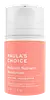 Key Ingredients
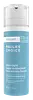
Benefits
Concerns
Ingredients Side-by-side
Water
Skin ConditioningIsoamyl Laurate
Emollient

Glycerin
Humectant


Butylene Glycol
Humectant
Sodium Polyacrylate Starch
AbsorbentCetyl Alcohol
Emollient

Lauroyl Lysine
Skin Conditioning
Lactobacillus/Rye Flour Ferment
Skin ConditioningLactobacillus Ferment
Skin Conditioning
Bifida Ferment Lysate
Skin Conditioning
Glucomannan
Skin ConditioningSaccharomyces Lysate
Skin Conditioning
Leuconostoc/Radish Root Ferment Filtrate
Antimicrobial
Glycine Soja Seed Extract
Skin Conditioning
Camellia Sinensis Leaf Extract
Antimicrobial



Tetrahexyldecyl Ascorbate
Antioxidant

Acetyl Hexapeptide-1
Skin Conditioning
Palmitoyl Dipeptide-10
Skin Conditioning
Ceramide Ng
Skin Conditioning
Orbignya Oleifera Seed Oil
Emollient
Palmitoyl Proline
Skin ConditioningGlycine
Buffering
Serine
Masking
Threonine
Alanine
Masking
Valine
MaskingArginine
Masking
Proline
Skin Conditioning
Lysine Hcl
Skin Conditioning
Rubus Idaeus Fruit Extract
AstringentNiacinamide
Smoothing

Adenosine
Skin Conditioning
Lecithin
Emollient
Phytic Acid

Yeast Extract
Skin ConditioningFaex
Skin ConditioningTocopherol
Antioxidant
Sodium PCA
Humectant
Sodium Lactate
Buffering
PCA
Humectant
Magnesium Palmitoyl Glutamate
Skin ConditioningSodium Palmitoyl Sarcosinate
CleansingIsopropyl Palmitate
Emollient


Glutamic Acid
Humectant
Betaine
Humectant
Glyceryl Stearate
Emollient
Hydroxyacetophenone
Antioxidant
Sodium Acrylates Copolymer
Ceteth-20
CleansingSteareth-20
CleansingPolysorbate 20
Emulsifying
PEG-75 Stearate
Surfactant
Caprylyl Glycol
Emollient
Propylene Glycol
Humectant
1,2-Hexanediol
Skin Conditioning
Phenoxyethanol
Preservative
Ethylhexylglycerin
Skin ConditioningWater, Isoamyl Laurate, Glycerin, Butylene Glycol, Sodium Polyacrylate Starch, Cetyl Alcohol, Lauroyl Lysine, Lactobacillus/Rye Flour Ferment, Lactobacillus Ferment, Bifida Ferment Lysate, Glucomannan, Saccharomyces Lysate, Leuconostoc/Radish Root Ferment Filtrate, Glycine Soja Seed Extract, Camellia Sinensis Leaf Extract, Tetrahexyldecyl Ascorbate, Acetyl Hexapeptide-1, Palmitoyl Dipeptide-10, Ceramide Ng, Orbignya Oleifera Seed Oil, Palmitoyl Proline, Glycine, Serine, Threonine, Alanine, Valine, Arginine, Proline, Lysine Hcl, Rubus Idaeus Fruit Extract, Niacinamide, Adenosine, Lecithin, Phytic Acid, Yeast Extract, Faex, Tocopherol, Sodium PCA, Sodium Lactate, PCA, Magnesium Palmitoyl Glutamate, Sodium Palmitoyl Sarcosinate, Isopropyl Palmitate, Glutamic Acid, Betaine, Glyceryl Stearate, Hydroxyacetophenone, Sodium Acrylates Copolymer, Ceteth-20, Steareth-20, Polysorbate 20, PEG-75 Stearate, Caprylyl Glycol, Propylene Glycol, 1,2-Hexanediol, Phenoxyethanol, Ethylhexylglycerin
Water
Skin ConditioningCyclopentasiloxane
Emollient
Butylene Glycol
Humectant
Dimethicone
Emollient
Glycerin
Humectant
Polysorbate 20
Emulsifying
Polysilicone-11
Lauryl PEG-9 Polydimethylsiloxyethyl Dimethicone
Skin Conditioning
Hyaluronic Acid
Humectant
Resveratrol
Antioxidant
Niacinamide
Smoothing
Quercetin
Antioxidant
Adenosine
Skin Conditioning
Tetrahexyldecyl Ascorbate
Antioxidant
Tocopherol
Antioxidant
Phospholipids
Skin Conditioning
Ubiquinone
Antioxidant
Epigallocatechin Gallate
Antioxidant
Sea Whip Extract
Skin ConditioningBisabolol
Antioxidant
Beta-Glucan
Skin Conditioning
Phytic Acid
Xanthan Gum
EmulsifyingAcrylates/C10-30 Alkyl Acrylate Crosspolymer
Emulsion StabilisingSodium Hydroxide
BufferingDisodium EDTA
Ethylhexylglycerin
Skin ConditioningPhenoxyethanol
Preservative
Water, Cyclopentasiloxane, Butylene Glycol, Dimethicone, Glycerin, Polysorbate 20, Polysilicone-11, Lauryl PEG-9 Polydimethylsiloxyethyl Dimethicone, Hyaluronic Acid, Resveratrol, Niacinamide, Quercetin, Adenosine, Tetrahexyldecyl Ascorbate, Tocopherol, Phospholipids, Ubiquinone, Epigallocatechin Gallate, Sea Whip Extract, Bisabolol, Beta-Glucan, Phytic Acid, Xanthan Gum, Acrylates/C10-30 Alkyl Acrylate Crosspolymer, Sodium Hydroxide, Disodium EDTA, Ethylhexylglycerin, Phenoxyethanol
Reviews
Ingredients Explained
These ingredients are found in both products.
Ingredients higher up in an ingredient list are typically present in a larger amount.
Adenosine is a purine nucleoside that your body already makes in every cell. In skincare, it acts mainly as a skin conditioning and anti-aging agent.
The way it works is fairly well mapped out:
Your skin has cells called fibroblasts that build collagen (the stuff that keeps skin firm and smooth). Adenosine basically flips a switch on these cells that tells them to get to work making more collagen and other proteins. These cells slow down on their own as skin ages, so Adenosine helps give them a little nudge to keep going.
The clinical backing is pretty solid too.
A blind, randomized, placebo-controlled trial of 126 women aged 45-65 tested a 0.1% cream twice daily and found real improvements in crow's feet and frown lines using a precise 3D skin-mapping technique; these changes showed up by week 3 and held at 2 months.
A later study using Adenosine-loaded dissolving microneedle patches reported gains in wrinkle depth, dermal density, elasticity, and hydration.
On concentrations, South Korea's Ministry of Food and Drug Safety has set 0.04% as the approved functional anti-wrinkle level. You'll typically see this ingredient used somewhere in the 0.04-0.1% range since it works at low doses.
This ingredient has been found safe for cosmetics with the data showing no irritation or sensitization.
Overall, this is a great ingredient for any anti-aging routine and has no photosensitizing effect, so it suits both AM and PM use.
Learn more about AdenosineButylene Glycol (or BG) is used within cosmetic products for a few different reasons:
Overall, Butylene Glycol is a safe and well-rounded ingredient that works well with other ingredients.
Though this ingredient works well with most skin types, some people with sensitive skin may experience a reaction such as allergic rashes, closed comedones, or itchiness.
Learn more about Butylene GlycolEthylhexylglycerin is created from glycerin. It is a multitasker ingredient that:
The CIR Expert Panel found minimal skin absorption or sensitization of any kind in a safety assessment. Though this ingredient is considered well-tolerated, a small number of cases of allergic dermatitis have been published since 2002. Just be sure to patch test if you are unsure.
Industry-reported use ranges from 8% in rinse-off products and 2% in leave-on formulations.
Learn more about EthylhexylglycerinGlycerin (or glycerol) is a compound naturally found in your skin. It's a powerhouse humectant that pulls water into the stratum corneum.
Topically, glycerin does several things at once:
Your skin makes glycerin on its own (mostly from sebaceous oil breakdown) and shuttles it to your outermost layer of skin, or your epidermis, via aquaporin-3.
Aquaporin-3 is a transporter that is essential for normal skin hydration, elasticity, and repair. Interestingly, mice lacking in AQP3 have dry and less elastic skin that can be fully corrected with glycerin.
This ingredient is non-irritating, plays well with almost every ingredient, and works across all skin types. Typical use is anywhere between 3-10% but can go up to 79% in some leave-on products.
Just know very high concentrations (>40%) can feel tacky in low humidity.
Glycerin is the name for this ingredient in American English. British English uses Glycerol/Glycerine.
Learn more about GlycerinNiacinamide is a multitasking form of vitamin B3 that strengthens the skin barrier, reduces pores and dark spots, regulates oil, and improves signs of aging.
And the best part? It's gentle and well-tolerated by most skin types, including sensitive and reactive skin.
You might have heard of "niacin flush", or the reddening of skin that causes itchiness. Niacinamide has not been found to cause this.
In very rare cases, some individuals may not be able to tolerate niacinamide at all or experience an allergic reaction to it.
If you are experiencing flaking, irritation, and dryness with this ingredient, be sure to double check all your products as this ingredient can be found in all categories of skincare.
When incorporating niacinamide into your routine, look out for concentration amounts. Typically, 5% niacinamide provides benefits such as fading dark spots. However, if you have sensitive skin, it is better to begin with a smaller concentration.
When you apply niacinamide to your skin, your body converts it into nicotinamide adenine dinucleotide (NAD). NAD is an essential coenzyme that is already found in your cells as "fuel" and powers countless biological processes.
In your skin, NAD helps repair cell damage, produce new healthy cells, support collagen production, strengthen the skin barrier, and fight environmental stressors (like UV and pollution).
Our natural NAD levels start to decline with age, leading to slower skin repair, visible aging, and a weaker skin barrier. By providing your skin niacinamide, you're recharging your skin's NAD levels. This leads to stronger, healthier, and younger looking skin.
Another name for vitamin B3 is nicotinamide. This vitamin is water-soluble and our bodies don't store it. We obtain Vitamin B3 from either food or skincare. Meat, fish, wheat, yeast, and leafy greens contain vitamin B3.
The type of niacinamide used in skincare is synthetically created.
Learn more about NiacinamidePhenoxyethanol is one of the most widely used preservatives in skincare (and for good reason!).
It has a large spectrum of antimicrobial activity and especially effective bacteria, yeast, and mold while only having a weak effect on your skin's natural microbiome.
On a cellular level, it disrupts the cell membranes of microbes by poking holes that make the cell leak. This shuts down the chemical reactions the microbe needs to make energy so it can no longer survive.
Another perk of this ingredient is that it stays functional across a wide pH range (3-10).
You'll often see it paired with boosters like Ethylhexylglycerin; one study showed that a 1:9 ratio of Ethylhexylglycerin to Phenoxyethanol damages bacterial membranes as effectively as doubling the Phenoxyethanol concentration on its own.
Typical use concentrations range from 0.3-1% depending on the formula, and this ingredient is capped at 1% int the EU.
Safety-wise, the fear mongering does not hold up to the evidence. The EU's Scientific Committee on Consumer Safety and FDA consider it safe as a preservative at up to 1%, including for children of all ages.
Adverse systemic effects only showed up in animal studies at exposures roughly 200x higher than what people get from cosmetics. And despite its very widespread use, this ingredient is a rare sensitizer and allergic reactions are uncommon.
Learn more about PhenoxyethanolPhytic Acid is a gentle AHA and antioxidant. AHAs are chemical exfoliants that help remove dead skin cells. Phytic Acid has a slight and mild exfoliating effect.
The chemical makeup makes it classified as an AHA, much like lactic acid.
In some cases, it is a chelating agent. Chelating agents help prevent metals from binding to water, helping to stabilize the ingredients in a product.
An interesting fact about phytic acid is that it is considered an antinutrient. People do not have the enzyme needed to properly breakdown and digest phytic acid. When ingested, phytic acid binds to minerals and prevents them from being absorbed.
Read more about some other popular AHA's here:
Learn more about Phytic AcidPolysorbate 20 is a gentle, water-soluble emulsifier and mild surfactant. It stops oil and water from separating to keep your formulas blended and stable.
It also acts as a mild penetration enhancer by helping active ingredients absorb slightly better.
The common safety discussion around this ingredient involves a manufacturing byproduct called 1,4-dioxane.
Trace amounts can form during production but the EU's Scientific Committee on Consumer Safety has concluded that levels at/below 10 ppm in finished products are safe (commercial products consistently fall within acceptable margins).
True allergic reactions are uncommon and the CIR Expert Panel has confirmed this ingredient to be safe as used in cosmetics.
Because it is derived from lauric acid, it may not be fungal acne safe.
Learn more about Polysorbate 20Tetrahexyldecyl Ascorbate (THD) is a stable and oil-soluble form of Vitamin C.
THD is special in that it has the ability to travel deeper into skin than traditional ascorbic acid while maintaining the same skin benefits (double win!).
Because it’s oil-soluble, THD dives deep into your skin’s fatty layers (think ceramides and cholesterol) to fight off the kind of free radicals that mess with your skin barrier. This makes it a great pair with water-based vitamin C (ascorbic acid) that mainly works on the surface.
Even at just 0.1%, THD is already showing great antioxidant activity. When used up to 2%, it helps keep your skin happy and calm, especially when it’s stressed from pollution or sun.
Want to fade dark spots or tackle hyperpigmentation? You’ll want 5% or more. Pairing it with brightening buddies like niacinamide or licorice root gives even better results. One study even used 30% THD with other brighteners and saw real results on stubborn discoloration, even in melasma-prone skin.
A note on THD: It’s has a slightly silky, oily texture and usually shows up colorless or pale yellow (though the exact shade can vary by supplier).
While you can sneak it into water-based formulas, it really shines when paired with silicones or oils, which help your skin soak it up better.
THD is pretty stable, but it’s still vulnerable to degradation like ascorbic acid. Too much light or heat (above 113°F / 45°C) can break it down over time. Go for dark and opaque packaging that keeps it safe and shady!
Read more about other types of Vitamin C:
Learn more about Tetrahexyldecyl AscorbateTocopherol is a fat-soluble antioxidant known as Vitamin E.
You'll find this ingredient in the vast majority of skincare (for good reason). It works to neutralize free radicals, or unstable molecules generated by UV exposure, pollution, and other environmental stressors, before they can cause oxidative damage to your skin cells.
Topically applied tocopherol has been shown to protect against UV damage by ramping up the skin's own natural defense enzymes.
It also acts as a skin conditioning agent; some studies show that regular topical use can improve the skin's water-binding capacity over 2-4 weeks.
This ingredient is especially loved for being a team player. When combined with Vitamin C, the photoprotective effect of both ingredients roughly doubles and the combo also helps reduce UV-induced DNA damage.
This ingredient has some brightening potential but it's more of a prevention ingredient than spot-fader. Cell studies show it can slow down melanin production but it's worth noting that it's not the most powerful brightener out there.
In formulations, it also serves as a stabilizer that helps protect other oxidation-prone ingredients from degrading.
Concentrations usually range from 0.1-1% in most leave-on products.
Learn more about TocopherolWater. It's the most common cosmetic ingredient of all. You'll usually see it at the top of ingredient lists, meaning that it makes up the largest part of the product.
So why is it so popular? Water most often acts as a solvent - this means that it helps dissolve other ingredients into the formulation.
You'll also recognize water as that liquid we all need to stay alive. If you see this, drink a glass of water. Remember to stay hydrated!
Learn more about Water

