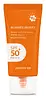
This hybrid sunscreen covers the full UV range and blocks ~98% of UVB at SPF 50.
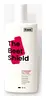
This sunscreen offers SPF 40 protection with a lightweight finish.

What's inside
What's inside
 Key Ingredients
Benefits
Concerns
Ingredients Side-by-side
Water
Skin ConditioningEthylhexyl Methoxycinnamate
UV Absorber


Alcohol
Antimicrobial



Homosalate
Skin Conditioning
Ethylhexyl Salicylate
UV Absorber
Pentylene Glycol
Skin Conditioning
Bis-Ethylhexyloxyphenol Methoxyphenyl Triazine
UV Absorber
Caprylyl Methicone
Skin Conditioning
Titanium Dioxide
Cosmetic Colorant
1,2-Hexanediol
Skin Conditioning
Glycerin
Humectant
Ethylhexyl Triazone
UV Absorber
Isononyl Isononanoate
EmollientHoney Extract
Humectant
Propolis Extract
Skin Conditioning



Royal Jelly Extract
Skin Conditioning
Lavandula Angustifolia Flower Extract
Cleansing
Centaurea Cyanus Flower Extract
Astringent
Viola Tricolor Extract
EmollientCaprylyl Glycol
Emollient
Carthamus Tinctorius Flower Extract
Skin ConditioningNelumbo Nucifera Flower Extract
Skin ConditioningCamellia Japonica Flower Extract
EmollientRosa Damascena Flower Extract
Masking
Pancratium Maritimum Extract
BleachingSophora Japonica Fruit Extract
Skin ConditioningPolyglyceryl-3 Methylglucose Distearate
Emulsifying
Lauryl Methacrylate/Glycol Dimethacrylate Crosspolymer
Cyclopentasiloxane
Emollient
Ammonium Acryloyldimethyltaurate/Vp Copolymer
Sodium Acrylate/Sodium Acryloyldimethyl Taurate Copolymer
Emulsion StabilisingAluminum Hydroxide
EmollientStearic Acid
Cleansing
Isohexadecane
EmollientDimethicone/Vinyl Dimethicone Crosspolymer
Skin Conditioning
Tocopheryl Acetate
Antioxidant


Allantoin
Skin Conditioning
Sorbitan Isostearate
Emulsifying
Citrus Limon Peel Oil
Masking


Ethylhexylglycerin
Skin ConditioningPolysorbate 80
Emulsifying
Xanthan Gum
EmulsifyingSorbitan Oleate
Emulsifying
Sodium Hyaluronate
Humectant

Butylene Glycol
Humectant
Ethyl Hexanediol
SolventCitral
Perfuming
Limonene
Perfuming
Water, Ethylhexyl Methoxycinnamate, Alcohol, Homosalate, Ethylhexyl Salicylate, Pentylene Glycol, Bis-Ethylhexyloxyphenol Methoxyphenyl Triazine, Caprylyl Methicone, Titanium Dioxide, 1,2-Hexanediol, Glycerin, Ethylhexyl Triazone, Isononyl Isononanoate, Honey Extract, Propolis Extract, Royal Jelly Extract, Lavandula Angustifolia Flower Extract, Centaurea Cyanus Flower Extract, Viola Tricolor Extract, Caprylyl Glycol, Carthamus Tinctorius Flower Extract, Nelumbo Nucifera Flower Extract, Camellia Japonica Flower Extract, Rosa Damascena Flower Extract, Pancratium Maritimum Extract, Sophora Japonica Fruit Extract, Polyglyceryl-3 Methylglucose Distearate, Lauryl Methacrylate/Glycol Dimethacrylate Crosspolymer, Cyclopentasiloxane, Ammonium Acryloyldimethyltaurate/Vp Copolymer, Sodium Acrylate/Sodium Acryloyldimethyl Taurate Copolymer, Aluminum Hydroxide, Stearic Acid, Isohexadecane, Dimethicone/Vinyl Dimethicone Crosspolymer, Tocopheryl Acetate, Allantoin, Sorbitan Isostearate, Citrus Limon Peel Oil, Ethylhexylglycerin, Polysorbate 80, Xanthan Gum, Sorbitan Oleate, Sodium Hyaluronate, Butylene Glycol, Ethyl Hexanediol, Citral, Limonene
Water
Skin ConditioningPropanediol
Solvent
Pentylene Glycol
Skin Conditioning
1,2-Hexanediol
Skin Conditioning
Acrylates/C10-30 Alkyl Acrylate Crosspolymer
Emulsion StabilisingBeta Vulgaris Root Extract
Skin ConditioningBisabolol
Antioxidant
Caprylyl Glycol
Emollient
Citric Acid
Buffering
Ethylhexyl Methoxycrylene
Skin Conditioning
Eugenia Caryophyllus Bud Extract
Perfuming
Hyaluronic Acid
Humectant
Hydroxyacetophenone
Antioxidant
Isohexadecane
EmollientPolysorbate 80
Emulsifying
Salix Alba Bark Extract
Astringent

Sodium Acrylate/Sodium Acryloyldimethyl Taurate Copolymer
Emulsion StabilisingSodium Hydroxide
BufferingSolidago Virgaurea Extract
Skin ConditioningSorbitan Oleate
Emulsifying
Tocopheryl Acetate
Antioxidant
Trisodium Ethylenediamine Disuccinate
ChelatingXanthan Gum
EmulsifyingWater, Propanediol, Pentylene Glycol, 1,2-Hexanediol, Acrylates/C10-30 Alkyl Acrylate Crosspolymer, Beta Vulgaris Root Extract, Bisabolol, Caprylyl Glycol, Citric Acid, Ethylhexyl Methoxycrylene, Eugenia Caryophyllus Bud Extract, Hyaluronic Acid, Hydroxyacetophenone, Isohexadecane, Polysorbate 80, Salix Alba Bark Extract, Sodium Acrylate/Sodium Acryloyldimethyl Taurate Copolymer, Sodium Hydroxide, Solidago Virgaurea Extract, Sorbitan Oleate, Tocopheryl Acetate, Trisodium Ethylenediamine Disuccinate, Xanthan Gum
Reviews
Alternatives
Ingredients Explained
These ingredients are found in both products.
Ingredients higher up in an ingredient list are typically present in a larger amount.
1,2-Hexanediol is a synthetic liquid and another multi-functional powerhouse.
It is a:
- Humectant, drawing moisture into the skin
- Emollient, helping to soften skin
- Solvent, dispersing and stabilizing formulas
- Preservative booster, enhancing the antimicrobial activity of other preservatives
Caprylyl Glycol is a humectant, skin conditioner, emollient, and preservative booster derived from either caprylic acid or synthetically created.
Typical use levels vary from 0.3-1% as a preservative booster and go up to 2% to condition skin.
Because it is not a free-fatty acid, this ingredient is fungal acne safe (there's nothing for Malassezia to feed on).
Learn more about Caprylyl GlycolIsohexadecane is added to enhance texture, emulsify, and to help cleanse. It is an isoparrafin. It is a component of petrolatum.
Due to its large size, Isohexadecane is not absorbed by the skin. Instead, it sits on top and acts as an emollient. Emollients help keep your skin soft and smooth by trapping moisture within.
Isohexadecane is often used in products designed to help oily skin. It is lightweight and non-greasy while helping to moisturize. When mixed with silicones, it gives a product a silky feel.
Learn more about IsohexadecanePentylene Glycol (1,2-pentanediol) is a multitasking little diol with three main roles in a formula:
Research on alkanediols (the family pentylene glycol belongs to) show they work by disrupting microbial cell membranes. This disruption helps the primary preservative system in a product work more effectively at lower doses.
On the safety side, the Cosmetic Ingredient Review Expert Panel has concluded this ingredient to be safe as used in current cosmetic practices + concentrations.
Typical use levels in a formula run about 1-5%.
Learn more about Pentylene GlycolPolysorbate 80 is a synthetic surfactant and emulsifier derived from sorbitol and oleic acid.
It reduces the surface tension between oil and water phases to help them stay mixed and stable in a formulation. In other words, it prevents your formulas from separating into an oily mess.
The CIR Expert Panel has evaluated the scientific data and found this ingredient to be safe, non-irritating, and non-sensitizing at concentrations up to 5% (it's even approved by the FDA as an OTC eye drop ingredient).
Learn more about Polysorbate 80This long ingredient is a copolymer of sodium acrylate and sodium acryloyldimethyl taurate monomers.
It is used to help stabilize other ingredients and create a thicker gel-like texture.
Emulsifiers prevent oils and waters from separating.
Learn more about Sodium Acrylate/Sodium Acryloyldimethyl Taurate CopolymerSorbitan Oleate is a PEG-free emulsifier made by esterifying sorbitol with oleic acid.
You'll likely see it paired with Polysorbate 80 to create the right emulsification balance.
Typical use levels in formulas range from 2-10%.
The CIR Expert Panel has concluded this ingredient to be safe as a cosmetic ingredient.
Since this ingredient is an ester of oleic acid, it may not be fungal acne safe. Oleic acid is a fatty acid that falls into the C11-24 range that Malassezia can metabolize.
This ingredient does have a comedogenic rating of 3, but this doesn't mean a formula with this ingredient will clog pores. Human testing has proved that any finished product with a comedogenic ingredient won't automatically make you break out; it really comes down to concentration, formula, and your skin.
Learn more about Sorbitan OleateTocopheryl Acetate is a stable, shelf-friendly form of vitamin E.
Formulators love it because plain vitamin E oxidizes quickly once it hits air. This acetate version stays stable and resists going off, helping to extend a product's shelf life.
It's actually inactive on its own and works like a slow-release "storage" form; the enzymes in your skin called esterases gradually convert it into active vitamin E over time.
One in vivo study showed 5% of the acetate in the living layer of the epidermis converted to vitamin E after 5 days of application. This study also found the skin gained protection against UV damage even though the conversion was slow and small.
Once converted, vitamin E acts as a skin's main fat-soluble antioxidant that fights free radicals to protect skin from damage.
Topical vitamin E generally boosts the skin's photoprotection, and it reduced UV-damage in animal models.
This ingredient has some brightening potential but it's more of a prevention ingredient than spot-fader. Cell studies show it can slow down melanin production but it's worth noting that it's not the most powerful brightener out there.
Overall, it has a pretty solid safety profile and has been found to be non-irritating and non-comedogenic. Allergic reactions may happen but stay rare due to how widely the ingredient gets used.
The concentration will vary depending on the formula; industry data shows 0.1% in baby lotions, 3% in lipsticks, and 5% in foot powders. You can also find this ingredient at 100% in a pure vitamin E oil.
Most leave-on skincare keeps it at the lower end, often between 0.5-1%.
Learn more about Tocopheryl AcetateWater. It's the most common cosmetic ingredient of all. You'll usually see it at the top of ingredient lists, meaning that it makes up the largest part of the product.
So why is it so popular? Water most often acts as a solvent - this means that it helps dissolve other ingredients into the formulation.
You'll also recognize water as that liquid we all need to stay alive. If you see this, drink a glass of water. Remember to stay hydrated!
Learn more about WaterXanthan gum is used as a stabilizer and thickener within cosmetic products. It helps give products a sticky, thick feeling - preventing them from being too runny.
On the technical side of things, xanthan gum is a polysaccharide - a combination consisting of multiple sugar molecules bonded together.
Xanthan gum is a pretty common and great ingredient. It is a natural, non-toxic, non-irritating ingredient that is also commonly used in food products.
Learn more about Xanthan Gum

