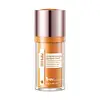
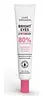
Papa Feel Microbiome 5D Peptide Anti-Aging Eye Cream Versus Luxe Organix Bright Eyes Eye Cream 80% Galactomyces
This anti-aging eye moisturizer is formulated around Bifida Ferment Filtrate and Acetyl Octapeptide-3 to soften the look of wrinkles.
This anti-aging eye moisturizer is formulated around Galactomyces Ferment Filtrate and Niacinamide to soften the look of wrinkles and brighten dull-looking skin.


What's inside
What's inside
 Key Ingredients
Benefits
Concerns
Ingredients Side-by-side
Water
Skin ConditioningDimethicone
Emollient

Dimethicone Crosspolymer
Emulsion Stabilising
Cyclopentasiloxane
Emollient
C12-14 Pareth-12
EmulsifyingPEG-10 Dimethicone Crosspolymer
Stabilising
Pvp
Emulsion Stabilising1,2-Hexanediol
Skin Conditioning
Hydroxyacetophenone
Antioxidant
Phenoxyethanol
Preservative
Sodium Acrylate/Sodium Acryloyldimethyl Taurate Copolymer
Emulsion StabilisingGlycerin
Humectant
Isohexadecane
EmollientSodium Hyaluronate
Humectant


Bifida Ferment Filtrate
Skin Conditioning
Fructose
Humectant
Acetyl Octapeptide-3
Humectant
Acetyl Hexapeptide-8
Humectant
Butylene Glycol
Humectant
Trehalose
Humectant
Acetyl Heptapeptide-4
Humectant
Phosphatidylcholine
EmulsifyingPhytosterols
Skin Conditioning
Ceramide NP
Skin Conditioning
Arginine
Masking
Palmitoyl Tripeptide-5
Skin Conditioning
Acetyl Tetrapeptide-2
Skin Conditioning
1,5-Pentanediol
SolventSodium Stearoyl Glutamate
CleansingSodium Chloride
MaskingSoluble Collagen
Humectant
Parfum
Masking




Polysorbate 80
Emulsifying
Ethylhexylglycerin
Skin ConditioningSorbitan Oleate
Emulsifying
PPG-5-Ceteth-20
EmulsifyingWater, Dimethicone, Dimethicone Crosspolymer, Cyclopentasiloxane, C12-14 Pareth-12, PEG-10 Dimethicone Crosspolymer, Pvp, 1,2-Hexanediol, Hydroxyacetophenone, Phenoxyethanol, Sodium Acrylate/Sodium Acryloyldimethyl Taurate Copolymer, Glycerin, Isohexadecane, Sodium Hyaluronate, Bifida Ferment Filtrate, Fructose, Acetyl Octapeptide-3, Acetyl Hexapeptide-8, Butylene Glycol, Trehalose, Acetyl Heptapeptide-4, Phosphatidylcholine, Phytosterols, Ceramide NP, Arginine, Palmitoyl Tripeptide-5, Acetyl Tetrapeptide-2, 1,5-Pentanediol, Sodium Stearoyl Glutamate, Sodium Chloride, Soluble Collagen, Parfum, Polysorbate 80, Ethylhexylglycerin, Sorbitan Oleate, PPG-5-Ceteth-20
Galactomyces Ferment Filtrate
Humectant
Ceramide AP
Skin Conditioning
Caprylic/Capric Triglyceride
Masking
Cetearyl Alcohol
Emollient

Niacinamide
Smoothing




1,2-Hexanediol
Skin Conditioning
Glyceryl Stearate
Emollient
Vegetable Oil
Skin Conditioning
Glycerin
Humectant
Polysorbate 60
Emulsifying
Caffeine
Skin Conditioning
Dimethicone
Emollient
Bifida Ferment Filtrate
Skin Conditioning
Lactobacillus Ferment
Skin Conditioning
Lactobacillus Ferment Lysate
Skin Conditioning
PEG-100 Stearate
Surfactant
Palmitic Acid
Emollient
Sorbitan Stearate
Emulsifying
Stearic Acid
Cleansing
Butylene Glycol
Humectant
Polyacrylate-13
Caprylyl Glycol
Emollient
Pentylene Glycol
Skin Conditioning
Hydroxyacetophenone
Antioxidant
Carbomer
Emulsion StabilisingArginine
Masking
Polyisobutene
Polysorbate 20
Emulsifying
Adenosine
Skin Conditioning
Disodium EDTA
ChelatingMyristic Acid
Cleansing
Parfum
Masking
Galactomyces Ferment Filtrate, Ceramide AP, Caprylic/Capric Triglyceride, Cetearyl Alcohol, Niacinamide, 1,2-Hexanediol, Glyceryl Stearate, Vegetable Oil, Glycerin, Polysorbate 60, Caffeine, Dimethicone, Bifida Ferment Filtrate, Lactobacillus Ferment, Lactobacillus Ferment Lysate, PEG-100 Stearate, Palmitic Acid, Sorbitan Stearate, Stearic Acid, Butylene Glycol, Polyacrylate-13, Caprylyl Glycol, Pentylene Glycol, Hydroxyacetophenone, Carbomer, Arginine, Polyisobutene, Polysorbate 20, Adenosine, Disodium EDTA, Myristic Acid, Parfum
Ingredients Explained
These ingredients are found in both products.
Ingredients higher up in an ingredient list are typically present in a larger amount.
1,2-Hexanediol is a synthetic liquid and another multi-functional powerhouse.
It is a:
- Humectant, drawing moisture into the skin
- Emollient, helping to soften skin
- Solvent, dispersing and stabilizing formulas
- Preservative booster, enhancing the antimicrobial activity of other preservatives
Arginine is a semi-essential amino acid. This just means our bodies can product a bit on its own, but sometimes needs a little boost from food sources.
It is a part of your skin's natural moisturizing factor (NMF), or the water-loving molecules in your outermost layer of skin (stratum corneum) that keeps everything hydrated and happy.
Here's an interesting thing about Arginine: your skin converts it into urea through the Krebs-Henseleit urea cycle. Urea is one of the most effective humectants your skin naturally produces.
A clinical study showed applying 2.5% arginine hydrochloride to atopic dermatitis skin showed significant urea levels in the stratum corneum and improved moisture in just four weeks.
Arginine is also a precursor to nitric oxide; nitric oxide improves microcirculation and supports wound healing and collagen synthesis.
One study found that an amino acid complex containing Arginine reduced skin irritation, improved hydration, and accelerated skin repair in clinical / in-vivo studies.
Arginine itself is an amino acid and not a fatty acid, oil, or ester. On its own, it's not a direct food source for Malassezia, or the yeast that causes fungal acne.
Learn more about ArginineThis ingredient is a postbiotic made by fermenting Bifidobacterium (a probiotic bacteria) and then filtering out the liquid portion. It has skin conditioning properties.
Much of the evidence for this ingredient is borrowed from the lysate form of this ingredient, which has a much stronger research base.
This ingredient is generally considered fungal acne (Malassezia) safe; Bifidobacterium is a bacterium, not a yeast or fungus.
The fungal acne concern with fermented ingredients mainly applies to yeast-derived ferments like Saccharomyces and Galactomyces, because those are in the same kingdom as Malassezia and could theoretically contain residual compounds that feed it.
Bifida is a completely different organism, so on its own it doesn't provide a food source for the Malassezia yeast that causes fungal acne.
Learn more about Bifida Ferment FiltrateButylene Glycol (or BG) is used within cosmetic products for a few different reasons:
Overall, Butylene Glycol is a safe and well-rounded ingredient that works well with other ingredients.
Though this ingredient works well with most skin types, some people with sensitive skin may experience a reaction such as allergic rashes, closed comedones, or itchiness.
Learn more about Butylene GlycolDimethicone is a type of synthetic silicone created from natural materials such as quartz. It is also known as polydimethylsiloxane.
What it does:
Dimethicone comes in different viscosities:
Depending on the viscosity, dimethicone has different properties.
Ingredients lists don't always show which type is used, so we recommend reaching out to the brand if you have questions about the viscosity.
This ingredient is unlikely to cause irritation because it does not get absorbed into skin. However, people with silicone allergies should be careful about using this ingredient.
Note: Dimethicone may contribute to pilling. This is because it is not oil or water soluble, so pilling may occur when layered with products. When mixed with heavy oils in a formula, the outcome is also quite greasy.
Learn more about DimethiconeGlycerin (or glycerol) is a compound naturally found in your skin. It's a powerhouse humectant that pulls water into the stratum corneum.
Topically, glycerin does several things at once:
Your skin makes glycerin on its own (mostly from sebaceous oil breakdown) and shuttles it to your outermost layer of skin, or your epidermis, via aquaporin-3.
Aquaporin-3 is a transporter that is essential for normal skin hydration, elasticity, and repair. Interestingly, mice lacking in AQP3 have dry and less elastic skin that can be fully corrected with glycerin.
This ingredient is non-irritating, plays well with almost every ingredient, and works across all skin types. Typical use is anywhere between 3-10% but can go up to 79% in some leave-on products.
Just know very high concentrations (>40%) can feel tacky in low humidity.
Glycerin is the name for this ingredient in American English. British English uses Glycerol/Glycerine.
Learn more about GlycerinHydroxyacetophenone is a small phenolic molecule that earns its place in a formulas as an antioxidant and preservative booster.
As a phenol, it is able to neutralize free radicals to protect both the product and the skin from oxidative stress.
Though it can't kill microbes on its own, it works as a good supporting agent when combined with other preservatives like Phenoxyethanol or 1,2-Hexanediol.
This ingredient naturally occurs as piceol in Norwegian spruce needles (~0.4-1.1% dry weight and in cloudberries). Though the cosmetic-grade material is synthesized for purity and consistency.
You'll usually see it used at low levels and suppliers recommend up to 1% added to a water phase.
Safety testing was done at concentrations like 0.05% in SPF products and 0.5% in a Human Repeated Insult Patch Test. The safety evidence is assuring; this ingredient is safe for cosmetics in current use and also holds safety status as a food flavoring as well.
An honest caveat: the "soothing" and "anti-inflammatory" claims come mostly from supplier marketing rather than published clinical trials. The Cosmetic Ingredient Review's own literature search found no useful efficacy studies on this ingredient.
So the antioxidant and preservative-boosting roles are the well supported ones while the calming benefit is plausible but thinly evidenced.
Overall, this is a well-tolerated, low-irritation multitasker that quietly helps a formula stay fresh and stable.
Learn more about HydroxyacetophenoneParfum is a catch-all term for an ingredient or more that is used to give a scent to products.
Also called "fragrance", this ingredient can be a blend of hundreds of chemicals or plant oils. This means every product with "fragrance" or "parfum" in the ingredients list is a different mixture.
For instance, Habanolide is a proprietary trade name for a specific aroma chemical. When used as a fragrance ingredient in cosmetics, most aroma chemicals fall under the broad labeling category of “FRAGRANCE” or “PARFUM” according to EU and US regulations.
The term 'parfum' or 'fragrance' is not regulated in many countries. In many cases, it is up to the brand to define this term.
For instance, many brands choose to label themselves as "fragrance-free" because they are not using synthetic fragrances. However, their products may still contain ingredients such as essential oils that are considered a fragrance by INCI standards.
One example is Calendula flower extract. Calendula is an essential oil that still imparts a scent or 'fragrance'.
Depending on the blend, the ingredients in the mixture can cause allergies and sensitivities on the skin. Some ingredients that are known EU allergens include linalool and citronellol.
Parfum can also be used to mask or cover an unpleasant scent.
The bottom line is: not all fragrances/parfum/ingredients are created equally. If you are worried about fragrances, we recommend taking a closer look at an ingredient. And of course, we always recommend speaking with a professional.
Learn more about Parfum

