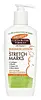
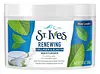
Palmer's Cocoa Butter Massage Lotion for Pregnancy Stretch Marks Versus St. Ives Renewing Collagen Elastin Moisturizer
This moisturizer is formulated around Carthamus Tinctorius Seed Oil to hydrate skin.


What's inside
What's inside
 Key Ingredients
No key ingredients
Benefits
Concerns
Ingredients Side-by-side
Water
Skin ConditioningGlycerin
Humectant


Theobroma Cacao Extract
Skin ConditioningGlyceryl Stearate
Emollient

Prunus Amygdalus Dulcis Oil
Skin Conditioning


Petrolatum
Emollient

Cetyl Alcohol
Emollient

Propylene Glycol
Humectant
Theobroma Cacao Seed Butter
Emollient
Elaeis Guineensis Oil
Emollient
Cocos Nucifera Oil
Masking
Dimethicone
Emollient
Butyrospermum Parkii Butter
Skin Conditioning
Tocopherol
Antioxidant





Helianthus Annuus Seed Oil
Emollient
Soluble Collagen
Humectant
Hydrolyzed Elastin
EmollientArgania Spinosa Kernel Oil
Emollient

Centella Asiatica Extract
Cleansing
Betula Alba Bark Extract
Masking
Boswellia Serrata Extract
Skin Conditioning
Polygonum Cuspidatum Root Extract
Antioxidant
Sodium Ascorbate
Antioxidant

Acetylarginyltryptophyl Diphenylglycine
Skin ConditioningSodium Benzoate
Masking
Hydroxyacetophenone
Antioxidant
1,2-Hexanediol
Skin Conditioning
Caprylyl Glycol
Emollient
Xanthophylls
Skin ConditioningZea Mays Starch
Absorbent
Glucose
Humectant
Leuconostoc/Radish Root Ferment Filtrate
Antimicrobial
Hydroxyethylcellulose
Emulsion StabilisingIsopropyl Alcohol
Solvent

PEG-8 Stearate
Emulsifying
Ethyl Lauroyl Arginate Hcl
Skin ConditioningParfum
Masking
Behentrimonium Methosulfate
SurfactantButylene Glycol
Humectant
Caramel
Cosmetic ColorantCellulose
Absorbent
Sodium Acetate
BufferingStearyl Alcohol
Emollient
Myristyl Alcohol
Emollient
Lauryl Alcohol
Emollient
Water, Glycerin, Theobroma Cacao Extract, Glyceryl Stearate, Prunus Amygdalus Dulcis Oil, Petrolatum, Cetyl Alcohol, Propylene Glycol, Theobroma Cacao Seed Butter, Elaeis Guineensis Oil, Cocos Nucifera Oil, Dimethicone, Butyrospermum Parkii Butter, Tocopherol, Helianthus Annuus Seed Oil, Soluble Collagen, Hydrolyzed Elastin, Argania Spinosa Kernel Oil, Centella Asiatica Extract, Betula Alba Bark Extract, Boswellia Serrata Extract, Polygonum Cuspidatum Root Extract, Sodium Ascorbate, Acetylarginyltryptophyl Diphenylglycine, Sodium Benzoate, Hydroxyacetophenone, 1,2-Hexanediol, Caprylyl Glycol, Xanthophylls, Zea Mays Starch, Glucose, Leuconostoc/Radish Root Ferment Filtrate, Hydroxyethylcellulose, Isopropyl Alcohol, PEG-8 Stearate, Ethyl Lauroyl Arginate Hcl, Parfum, Behentrimonium Methosulfate, Butylene Glycol, Caramel, Cellulose, Sodium Acetate, Stearyl Alcohol, Myristyl Alcohol, Lauryl Alcohol
Water
Skin ConditioningParaffinum Liquidum
Emollient
Propylene Glycol
Humectant
PEG-100 Stearate
Surfactant
Glyceryl Stearate
Emollient
Stearic Acid
Cleansing
Phenoxyethanol
Preservative
Carthamus Tinctorius Seed Oil
Masking
Triethanolamine
BufferingCarbomer
Emulsion StabilisingDimethicone
Emollient
Cetyl Alcohol
Emollient
Disodium EDTA
Parfum
Masking
Ethylhexylglycerin
Skin ConditioningLinalool
Perfuming
Hexyl Cinnamal
Perfuming
Hydrolyzed Elastin
EmollientHydrolyzed Collagen
Emollient
Coumarin
Perfuming
Geraniol
Perfuming
Water, Paraffinum Liquidum, Propylene Glycol, PEG-100 Stearate, Glyceryl Stearate, Stearic Acid, Phenoxyethanol, Carthamus Tinctorius Seed Oil, Triethanolamine, Carbomer, Dimethicone, Cetyl Alcohol, Disodium EDTA, Parfum, Ethylhexylglycerin, Linalool, Hexyl Cinnamal, Hydrolyzed Elastin, Hydrolyzed Collagen, Coumarin, Geraniol
Reviews
Ingredients Explained
These ingredients are found in both products.
Ingredients higher up in an ingredient list are typically present in a larger amount.
Cetyl Alcohol is a fatty alcohol. Fatty Alcohols are most often used as an emollient or to thicken a product.
Its main roles are:
Though it has "alcohol" in the name, it is not related to denatured alcohol or ethyl alcohol.
The FDA allows products labeled "alcohol-free" to have fatty alcohols.
This ingredient may not be fungal acne safe. It is a primary fatty alcohol with a chain length above 12 carbons. A study from 2019 show Malassezia can feed on fatty alcohols in this range, so it may trigger fungal acne in those prone to it.
Learn more about Cetyl AlcoholDimethicone is a type of synthetic silicone created from natural materials such as quartz. It is also known as polydimethylsiloxane.
What it does:
Dimethicone comes in different viscosities:
Depending on the viscosity, dimethicone has different properties.
Ingredients lists don't always show which type is used, so we recommend reaching out to the brand if you have questions about the viscosity.
This ingredient is unlikely to cause irritation because it does not get absorbed into skin. However, people with silicone allergies should be careful about using this ingredient.
Note: Dimethicone may contribute to pilling. This is because it is not oil or water soluble, so pilling may occur when layered with products. When mixed with heavy oils in a formula, the outcome is also quite greasy.
Learn more about DimethiconeGlyceryl Stearate is made by reacting glycerin with stearic acid (typically sourced from plant oils like palm or coconut). It's an emulsifier, emollient, and mild occlusive.
Emulsifiers help ingredients like oil and water stay mixed so your formula stays nicely blended and uniform in texture.
This ingredient is typically used in concentrations between 1-10%. Studies have found it to be non-sensitizing, non-phototoxic, and non-photoallergenic.
A close cousin of this ingredient is Glyceryl Stearate SE ("self-emulsifying"). This just has a small amount of sodium or potassium stearate added so it can emulsify without a co-emulsifier.
Since this ingredient is an ester of a C18 fatty acid, it may not be fungal acne safe. The Malassezia yeast can potentially metabolize within the C11-C24 range.
Fun fact: The human body also creates Glyceryl Stearate naturally.
Learn more about Glyceryl StearateWe don't have a description for Hydrolyzed Elastin yet.
Parfum is a catch-all term for an ingredient or more that is used to give a scent to products.
Also called "fragrance", this ingredient can be a blend of hundreds of chemicals or plant oils. This means every product with "fragrance" or "parfum" in the ingredients list is a different mixture.
For instance, Habanolide is a proprietary trade name for a specific aroma chemical. When used as a fragrance ingredient in cosmetics, most aroma chemicals fall under the broad labeling category of “FRAGRANCE” or “PARFUM” according to EU and US regulations.
The term 'parfum' or 'fragrance' is not regulated in many countries. In many cases, it is up to the brand to define this term.
For instance, many brands choose to label themselves as "fragrance-free" because they are not using synthetic fragrances. However, their products may still contain ingredients such as essential oils that are considered a fragrance by INCI standards.
One example is Calendula flower extract. Calendula is an essential oil that still imparts a scent or 'fragrance'.
Depending on the blend, the ingredients in the mixture can cause allergies and sensitivities on the skin. Some ingredients that are known EU allergens include linalool and citronellol.
Parfum can also be used to mask or cover an unpleasant scent.
The bottom line is: not all fragrances/parfum/ingredients are created equally. If you are worried about fragrances, we recommend taking a closer look at an ingredient. And of course, we always recommend speaking with a professional.
Learn more about ParfumPropylene Glycol is a synthetic, colorless, odorless liquid that has been a staple in cosmetics for decades. It is a skin conditioning agent, humectant, and solvent.
As a humectant, it draw water to the skin to reduce flaking and restore suppleness. It's also a solvent that helps dissolve other actives and keeps formulas stable across temperature changes.
The CIR Expert Panel has confirmed this ingredient to be nontoxic and clinical studies show no sensitization at cosmetic use concentrations.
True allergic reactions are quite rare: a 15-year retrospective study of 6,751 patients found only 0.31% had a positive reaction (and less than half were considered clinically relevant).
It seemed that when sensitization does occur, it's most commonly linked to topical medication (like corticosteroids) and not cosmetics. Allergic contact dermatitis also appears largely limited to individuals with underlying skin conditions.
Overall, propylene glycol is a well-studied ingredient that most people can tolerate without issue.
Learn more about Propylene GlycolWater. It's the most common cosmetic ingredient of all. You'll usually see it at the top of ingredient lists, meaning that it makes up the largest part of the product.
So why is it so popular? Water most often acts as a solvent - this means that it helps dissolve other ingredients into the formulation.
You'll also recognize water as that liquid we all need to stay alive. If you see this, drink a glass of water. Remember to stay hydrated!
Learn more about Water

