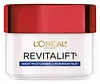
This brightening night moisturizer is formulated around Niacinamide and Retinol to fade the look of dark spots and brighten dull-looking skin.
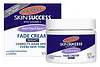
This night moisturizer is formulated around Retinyl Palmitate to brighten and support scar healing.


What's inside
What's inside
 Key Ingredients
Benefits
Concerns
Ingredients Side-by-side
Water
Skin ConditioningGlyceryl Stearate
Emollient

Paraffinum Liquidum
Emollient


Stearyl Stearate
Emollient
Niacinamide
Smoothing











Propylene Glycol
Humectant

Cetearyl Alcohol
Emollient


PEG-100 Stearate
Surfactant
Ceteareth-20
Cleansing
PEG-75 Lanolin
Emollient
Dimethicone
Emollient
Isopropyl Myristate
Emollient
Retinol
Skin Conditioning
Tricholoma Matsutake Extract
Skin ConditioningTocopheryl Acetate
Antioxidant

Lavandula Angustifolia Oil
Masking


Leuconostoc/Radish Root Ferment Filtrate
Antimicrobial
Ascorbyl Glucoside
Antioxidant
Butylene Glycol
Humectant
Xanthan Gum
EmulsifyingDisodium EDTA
ChelatingMagnesium Aluminum Silicate
Absorbent
Caprylic/Capric Triglyceride
Masking
Sodium Sulfite
Preservative
Sodium Metabisulfite
Antioxidant
Citric Acid
Buffering
BHT
Antioxidant
Phenoxyethanol
Preservative
Ethylhexylglycerin
Skin ConditioningSodium Lauryl Sulfate
Cleansing

Sodium Sulfate
Linalool
Perfuming
Limonene
Perfuming
Water, Glyceryl Stearate, Paraffinum Liquidum, Stearyl Stearate, Niacinamide, Propylene Glycol, Cetearyl Alcohol, PEG-100 Stearate, Ceteareth-20, PEG-75 Lanolin, Dimethicone, Isopropyl Myristate, Retinol, Tricholoma Matsutake Extract, Tocopheryl Acetate, Lavandula Angustifolia Oil, Leuconostoc/Radish Root Ferment Filtrate, Ascorbyl Glucoside, Butylene Glycol, Xanthan Gum, Disodium EDTA, Magnesium Aluminum Silicate, Caprylic/Capric Triglyceride, Sodium Sulfite, Sodium Metabisulfite, Citric Acid, BHT, Phenoxyethanol, Ethylhexylglycerin, Sodium Lauryl Sulfate, Sodium Sulfate, Linalool, Limonene
Water
Skin ConditioningGlycerin
Humectant
Dimethicone
Emollient
Hydrogenated Polyisobutene
EmollientCetyl Alcohol
Emollient
Glyceryl Stearate
Emollient
Aluminum Starch Octenylsuccinate
Absorbent
PEG-40 Stearate
Emulsifying
Prunus Armeniaca Kernel Oil
Masking
Shorea Robusta Seed Butter
Emollient
Paraffinum Liquidum
Emollient
Paraffin
Skin Conditioning
Zea Mays Kernel Extract
Stearic Acid
Cleansing
Stearyl Alcohol
Emollient
Microcrystalline Wax
Emulsion StabilisingSorbitan Tristearate
EmulsifyingGlycine Soja Protein
EmulsifyingTriethanolamine
BufferingIsohexadecane
EmollientSalicyloyl Phytosphingosine
Skin ConditioningMyristyl Alcohol
Emollient
Palmitic Acid
Emollient
Phenethyl Alcohol
MaskingHydrolyzed Soy Protein
Humectant
Caprylyl Glycol
Emollient
Acetyl Trifluoromethylphenyl Valylglycine
Skin ConditioningYeast Extract
Skin ConditioningPolysorbate 80
Emulsifying
Acrylamide/Sodium Acryloyldimethyltaurate Copolymer
Emulsion StabilisingRetinyl Palmitate
Skin Conditioning
Potassium Sorbate
Preservative
Sodium Benzoate
Masking
Phenoxyethanol
Preservative
Linalool
Perfuming
Geraniol
Perfuming
Alpha-Isomethyl Ionone
Perfuming
Amyl Cinnamal
Perfuming
Limonene
Perfuming
Citral
Perfuming
Citronellol
Perfuming
Butylphenyl Methylpropional
Perfuming
Hexyl Cinnamal
Perfuming
Benzyl Alcohol
Perfuming
Benzyl Benzoate
Antimicrobial
Benzyl Cinnamate
Perfuming
Benzyl Salicylate
Perfuming
Parfum
Masking
Water, Glycerin, Dimethicone, Hydrogenated Polyisobutene, Cetyl Alcohol, Glyceryl Stearate, Aluminum Starch Octenylsuccinate, PEG-40 Stearate, Prunus Armeniaca Kernel Oil, Shorea Robusta Seed Butter, Paraffinum Liquidum, Paraffin, Zea Mays Kernel Extract, Stearic Acid, Stearyl Alcohol, Microcrystalline Wax, Sorbitan Tristearate, Glycine Soja Protein, Triethanolamine, Isohexadecane, Salicyloyl Phytosphingosine, Myristyl Alcohol, Palmitic Acid, Phenethyl Alcohol, Hydrolyzed Soy Protein, Caprylyl Glycol, Acetyl Trifluoromethylphenyl Valylglycine, Yeast Extract, Polysorbate 80, Acrylamide/Sodium Acryloyldimethyltaurate Copolymer, Retinyl Palmitate, Potassium Sorbate, Sodium Benzoate, Phenoxyethanol, Linalool, Geraniol, Alpha-Isomethyl Ionone, Amyl Cinnamal, Limonene, Citral, Citronellol, Butylphenyl Methylpropional, Hexyl Cinnamal, Benzyl Alcohol, Benzyl Benzoate, Benzyl Cinnamate, Benzyl Salicylate, Parfum
Ingredients Explained
These ingredients are found in both products.
Ingredients higher up in an ingredient list are typically present in a larger amount.
Dimethicone is a type of synthetic silicone created from natural materials such as quartz. It is also known as polydimethylsiloxane.
What it does:
Dimethicone comes in different viscosities:
Depending on the viscosity, dimethicone has different properties.
Ingredients lists don't always show which type is used, so we recommend reaching out to the brand if you have questions about the viscosity.
This ingredient is unlikely to cause irritation because it does not get absorbed into skin. However, people with silicone allergies should be careful about using this ingredient.
Note: Dimethicone may contribute to pilling. This is because it is not oil or water soluble, so pilling may occur when layered with products. When mixed with heavy oils in a formula, the outcome is also quite greasy.
Learn more about DimethiconeGlyceryl Stearate is made by reacting glycerin with stearic acid (typically sourced from plant oils like palm or coconut). It's an emulsifier, emollient, and mild occlusive.
Emulsifiers help ingredients like oil and water stay mixed so your formula stays nicely blended and uniform in texture.
This ingredient is typically used in concentrations between 1-10%. Studies have found it to be non-sensitizing, non-phototoxic, and non-photoallergenic.
A close cousin of this ingredient is Glyceryl Stearate SE ("self-emulsifying"). This just has a small amount of sodium or potassium stearate added so it can emulsify without a co-emulsifier.
Since this ingredient is an ester of a C18 fatty acid, it may not be fungal acne safe. The Malassezia yeast can potentially metabolize within the C11-C24 range.
Fun fact: The human body also creates Glyceryl Stearate naturally.
Learn more about Glyceryl StearateLimonene is the compound that gives citrus peel its smell.
In skincare, it shows up as a standalone fragrance ingredient or as a natural compound of citrus and other essential oils.
You'll typically see this ingredient used in very small amounts; anything above 0.001% in a leave-on product or 0.01% in a rinse-off has to be named on the label in the EU. The citrus oils that carry it sit around 0.5-1% in a finished formula.
Fresh limonene is a weak allergen; the real issue is that it slowly reacts with air and then breaks down from oxidation to create hydroperoxides (which are strong sensitizers). This is why suppliers are required to keep the peroxide value below 20 mmol.
Positive reactions in people being investigated for eczema vary:
It's worth skipping if you have a known fragrance allergy or a compromised barrier, but the risk is low for most people.
Older or long-opened products are also more likely to bother you than fresh ones due to oxidation.
Learn more about LimoneneLinalool is a small, naturally occurring scent molecule found in plants like lavender, coriander, bergamot, and more.
It is one of the two most-used fragrance ingredients in cosmetics and added purely for smell. Since it's not used for a skin benefit, there's no "effective dose". Concentration depends on the fragrance load of the product.
The EU requires it to be named on the label above 0.001% in leave-on and 0.01% in rinse-off products.
Fresh linalool is a weak sensitizer but air exposure turns some of it into hydroperoxides, which are strong sensitizers. Those oxidation products are the actual allergy concern.
Patch-test clinics see positive reactions to linalool hydroperoxides in about 4% to 12% of dermatitis patients depending on country and test concentration.
Resassuringly, one analytical study found hydroperoxide levels in real fragranced products to be orders of magnitude below what induced sensitization in animal studies with no evidence of oxidation building up during normal storage.
The practical takeaway is that linalool is fine for most people but worth avoiding if you have a confirmed fragrance contact allergy or a badly compromised barrier.
Products stored a long time after opening are also the high-risk scenario since that is when oxidation happens.
The scent of linalool is described as floral, spicy tropical, and citrus-like.
Learn more about LinaloolParaffinum Liquidum is a highly-refined cosmetic-grade mineral oil. It is also known as liquid paraffin.
Despite its controversial reputation, the science is pretty clear: it's one of the most well-studied and effective moisturizing ingredients out there.
As an occlusive, it forms a protective layer on the skin that locks in moisture and prevents transepidermal water loss (TEWL). This makes it especially great for compromised skin barriers.
The "it clogs your pores" myth has been around for decades; a study found that industrial-grade mineral oil may be comedogenic but cosmetic-grade mineral oil is not (these two are very, very different).
A 2017 review concluded that cosmetic use of mineral oils and waxes does not present a risk to consumers due to absorption.
Mineral oil got a bad rap from the old rabbit ear studies. When tested on actual human skin, cosmetic-grade mineral oil showed no comedogenic activity. The rating of 0 is a correction of outdated science.
Mineral oil is an inert substance with no fatty acids so there's nothing to feed Malassezia. This ingredient is fungal acne safe.
Learn more about Paraffinum LiquidumPhenoxyethanol is one of the most widely used preservatives in skincare (and for good reason!).
It has a large spectrum of antimicrobial activity and especially effective bacteria, yeast, and mold while only having a weak effect on your skin's natural microbiome.
On a cellular level, it disrupts the cell membranes of microbes by poking holes that make the cell leak. This shuts down the chemical reactions the microbe needs to make energy so it can no longer survive.
Another perk of this ingredient is that it stays functional across a wide pH range (3-10).
You'll often see it paired with boosters like Ethylhexylglycerin; one study showed that a 1:9 ratio of Ethylhexylglycerin to Phenoxyethanol damages bacterial membranes as effectively as doubling the Phenoxyethanol concentration on its own.
Typical use concentrations range from 0.3-1% depending on the formula, and this ingredient is capped at 1% int the EU.
Safety-wise, the fear mongering does not hold up to the evidence. The EU's Scientific Committee on Consumer Safety and FDA consider it safe as a preservative at up to 1%, including for children of all ages.
Adverse systemic effects only showed up in animal studies at exposures roughly 200x higher than what people get from cosmetics. And despite its very widespread use, this ingredient is a rare sensitizer and allergic reactions are uncommon.
Learn more about PhenoxyethanolWater. It's the most common cosmetic ingredient of all. You'll usually see it at the top of ingredient lists, meaning that it makes up the largest part of the product.
So why is it so popular? Water most often acts as a solvent - this means that it helps dissolve other ingredients into the formulation.
You'll also recognize water as that liquid we all need to stay alive. If you see this, drink a glass of water. Remember to stay hydrated!
Learn more about Water

