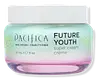
This anti-aging night moisturizer is formulated around Palmitoyl Tripeptide-5 and Acetyl Hexapeptide-8 to soften the look of wrinkles.
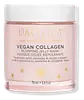
This hydrating overnight mask is formulated around Squalane and Hyaluronic Acid to hydrate skin and soften the look of wrinkles.

What's inside
What's inside
 Key Ingredients
Benefits
Concerns
Ingredients Side-by-side
Water
Skin ConditioningHelianthus Annuus Seed Oil
Emollient



Glycerin
Humectant

Aloe Barbadensis Leaf Juice
Skin Conditioning

Ethylhexyl Palmitate
Emollient


Glyceryl Stearate
Emollient
Stearic Acid
Cleansing
Glyceryl Laurate
Emollient
Sh-Polypeptide-50
Skin Conditioning
Caesalpinia Spinosa Gum
Skin ConditioningCaprylic/Capric Triglyceride
Masking
Allantoin
Skin Conditioning
Prunus Amygdalus Dulcis Oil
Skin Conditioning
Simmondsia Chinensis Seed Oil
Emollient
Leuconostoc/Radish Root Ferment Filtrate
Antimicrobial
Camellia Japonica Seed Oil
Emollient
Fragaria Ananassa Seed Oil
Antioxidant
Palmitoyl Tripeptide-5
Skin Conditioning

Panthenol
Skin Conditioning
Saccharomyces/Xylinum/Black Tea Ferment
Skin Conditioning
Oryza Sativa Extract
Absorbent
Phaseolus Angularis Seed Extract
Antioxidant
Citric Acid
Buffering

Potassium Sorbate
Preservative
Acetic Acid
BufferingLevulinic Acid
Perfuming

Malpighia Glabra Fruit Extract
Skin ConditioningPaeonia Albiflora Root Extract
Skin ConditioningPassiflora Incarnata Flower Extract
Skin ConditioningSodium Levulinate
Skin ConditioningVanilla Planifolia Fruit Extract
Skin Conditioning
Leontopodium Alpinum Flower/Leaf Extract
Skin ConditioningAcetyl Hexapeptide-8
Humectant
Dextran
Caprooyl Tetrapeptide-3
Skin Protecting
Melia Azadirachta Leaf Extract
Skin ConditioningCurcuma Longa Root Extract
Antioxidant
Aloe Barbadensis Flower Extract
EmollientCoccinia Indica Fruit Extract
Skin Conditioning
Corallina Officinalis Extract
Skin Conditioning
Melia Azadirachta Flower Extract
Skin ConditioningOcimum Basilicum Flower/Leaf Extract
TonicOcimum Sanctum Leaf Extract
Skin ConditioningSolanum Melongena Fruit Extract
Skin ConditioningEctoin
Skin Conditioning
Phenoxyethanol
Preservative
Ethylhexylglycerin
Skin ConditioningTocopherol
Antioxidant
Myristyl Nicotinate
Skin ConditioningLimonene
Perfuming

Linalool
Perfuming
Parfum
Masking
Water, Helianthus Annuus Seed Oil, Glycerin, Aloe Barbadensis Leaf Juice, Ethylhexyl Palmitate, Glyceryl Stearate, Stearic Acid, Glyceryl Laurate, Sh-Polypeptide-50, Caesalpinia Spinosa Gum, Caprylic/Capric Triglyceride, Allantoin, Prunus Amygdalus Dulcis Oil, Simmondsia Chinensis Seed Oil, Leuconostoc/Radish Root Ferment Filtrate, Camellia Japonica Seed Oil, Fragaria Ananassa Seed Oil, Palmitoyl Tripeptide-5, Panthenol, Saccharomyces/Xylinum/Black Tea Ferment, Oryza Sativa Extract, Phaseolus Angularis Seed Extract, Citric Acid, Potassium Sorbate, Acetic Acid, Levulinic Acid, Malpighia Glabra Fruit Extract, Paeonia Albiflora Root Extract, Passiflora Incarnata Flower Extract, Sodium Levulinate, Vanilla Planifolia Fruit Extract, Leontopodium Alpinum Flower/Leaf Extract, Acetyl Hexapeptide-8, Dextran, Caprooyl Tetrapeptide-3, Melia Azadirachta Leaf Extract, Curcuma Longa Root Extract, Aloe Barbadensis Flower Extract, Coccinia Indica Fruit Extract, Corallina Officinalis Extract, Melia Azadirachta Flower Extract, Ocimum Basilicum Flower/Leaf Extract, Ocimum Sanctum Leaf Extract, Solanum Melongena Fruit Extract, Ectoin, Phenoxyethanol, Ethylhexylglycerin, Tocopherol, Myristyl Nicotinate, Limonene, Linalool, Parfum
Water
Skin ConditioningGlycerin
Humectant
Helianthus Annuus Seed Oil
Emollient
Isopropyl Myristate
Emollient
Hydroxypropyl Starch Phosphate
Glyceryl Stearate
Emollient
Cetyl Alcohol
Emollient
Stearic Acid
Cleansing
Glyceryl Laurate
Emollient
Sr-Hydrozoan Polypeptide-1
Humectant
Glyceryl Stearate Citrate
Emollient
Tocopheryl Acetate
Antioxidant
Squalane
Emollient
Parfum
Masking
Allantoin
Skin Conditioning
Panthenol
Skin Conditioning
Ethylhexylglycerin
Skin ConditioningLycium Barbarum Fruit Extract
Astringent
Hyaluronic Acid
Humectant
Phenoxyethanol
Preservative
Chamomilla Recutita Flower Extract
Masking
Jasminum Officinale Extract
Masking
Hibiscus Sabdariffa Flower Extract
Skin ConditioningCitrus Aurantium Amara Flower Oil
Masking
Water, Glycerin, Helianthus Annuus Seed Oil, Isopropyl Myristate, Hydroxypropyl Starch Phosphate, Glyceryl Stearate, Cetyl Alcohol, Stearic Acid, Glyceryl Laurate, Sr-Hydrozoan Polypeptide-1, Glyceryl Stearate Citrate, Tocopheryl Acetate, Squalane, Parfum, Allantoin, Panthenol, Ethylhexylglycerin, Lycium Barbarum Fruit Extract, Hyaluronic Acid, Phenoxyethanol, Chamomilla Recutita Flower Extract, Jasminum Officinale Extract, Hibiscus Sabdariffa Flower Extract, Citrus Aurantium Amara Flower Oil
Reviews
Ingredients Explained
These ingredients are found in both products.
Ingredients higher up in an ingredient list are typically present in a larger amount.
Allantoin is a soothing ingredient known for its protective and moisturizing properties; it's basically a quiet workhorse ingredient you can find in a huge range of cosmetics.
Though it can be derived from the comfrey plant, allantoin is produced synthetically for cosmetic products to ensure purity.
Research shows it can encourage your skin cells to turn over and renew by stimulating keratinocyte and fibroblast proliferation.
It also has mild keratolytic properties to help loosen and shed dead skin cells without being harsh.
Studies also suggest allantoin can help calm inflammation by dialing down some of the chemical signals your skin sends out when it is irritated.
This ingredient is typically used in the 0.1-0.5% range, and the FDA recognizes it as a skin protectant in OTC products up to 2%.
Overall, allantoin is a wonderful addition to most routines; it is stable across a wide pH range (~4-8), works well with other ingredients, and is considered non-sensitizing/non-irritating.
Fun fact: Allantoin is naturally occurring in comfrey root, beets, chamomile, and wheat sprouts. Our bodies even produce it as a byproduct of uric acid metabolism.
Learn more about AllantoinEthylhexylglycerin is created from glycerin. It is a multitasker ingredient that:
The CIR Expert Panel found minimal skin absorption or sensitization of any kind in a safety assessment. Though this ingredient is considered well-tolerated, a small number of cases of allergic dermatitis have been published since 2002. Just be sure to patch test if you are unsure.
Industry-reported use ranges from 8% in rinse-off products and 2% in leave-on formulations.
Learn more about EthylhexylglycerinGlycerin (or glycerol) is a compound naturally found in your skin. It's a powerhouse humectant that pulls water into the stratum corneum.
Topically, glycerin does several things at once:
Your skin makes glycerin on its own (mostly from sebaceous oil breakdown) and shuttles it to your outermost layer of skin, or your epidermis, via aquaporin-3.
Aquaporin-3 is a transporter that is essential for normal skin hydration, elasticity, and repair. Interestingly, mice lacking in AQP3 have dry and less elastic skin that can be fully corrected with glycerin.
This ingredient is non-irritating, plays well with almost every ingredient, and works across all skin types. Typical use is anywhere between 3-10% but can go up to 79% in some leave-on products.
Just know very high concentrations (>40%) can feel tacky in low humidity.
Glycerin is the name for this ingredient in American English. British English uses Glycerol/Glycerine.
Learn more about GlycerinGlyceryl Laurate isn't fungal acne safe.
Glyceryl Stearate is made by reacting glycerin with stearic acid (typically sourced from plant oils like palm or coconut). It's an emulsifier, emollient, and mild occlusive.
Emulsifiers help ingredients like oil and water stay mixed so your formula stays nicely blended and uniform in texture.
This ingredient is typically used in concentrations between 1-10%. Studies have found it to be non-sensitizing, non-phototoxic, and non-photoallergenic.
A close cousin of this ingredient is Glyceryl Stearate SE ("self-emulsifying"). This just has a small amount of sodium or potassium stearate added so it can emulsify without a co-emulsifier.
Since this ingredient is an ester of a C18 fatty acid, it may not be fungal acne safe. The Malassezia yeast can potentially metabolize within the C11-C24 range.
Fun fact: The human body also creates Glyceryl Stearate naturally.
Learn more about Glyceryl StearateHelianthus Annuus Seed Oil is a plant oil derived from the seeds of a sunflower.
It is rich in fatty acids, primarily linoleic acid and oleic acid. This gives it emollient and skin conditioning properties.
The reason this ingredient is so effective is because it forms a thin film on the skin that reduces transepidermal water loss (TEWL) while supplying linoleic acid to the stratum corneum to improve barrier strength.
The high linoleic acid content is particularly noteworthy for acne-prone skin.
Research suggests that acne-prone skin tends to be deficient in linoleic acid in sebum. Topical application may help replenish this to support a healthier follicular environment and less comedone-promoting sebum.
One randomized study found sunflower seed oil preserved skin barrier integrity in adult volunteers with and without atopic dermatitis (outperforming olive oil).
This ingredient is well-studied, gentle, and an effective emollient suitable for most skin types.
On fungal acne: This ingredient may not be Fungal acne (Malassezia folliculitis) safe. This is because it contains fatty acids with carbon chain lengths in the C11-C24 range.
Learn more about Helianthus Annuus Seed OilPanthenol is a common ingredient that helps hydrate and soothe the skin. It is found naturally in our skin and hair.
There are two forms of panthenol: D and L.
D-panthenol is also known as dexpanthenol. Most cosmetics use dexpanthenol or a mixture of D and L-panthenol.
Panthenol is famous due to its ability to go deeper into the skin's layers. Using this ingredient has numerous pros (and no cons):
Like hyaluronic acid, panthenol is a humectant. Humectants are able to bind and hold large amounts of water to keep skin hydrated.
This ingredient works well for wound healing. It works by increasing tissue in the wound and helps close open wounds.
Once oxidized, panthenol converts to pantothenic acid. Panthothenic acid is found in all living cells.
This ingredient is also referred to as pro-vitamin B5.
Learn more about PanthenolParfum is a catch-all term for an ingredient or more that is used to give a scent to products.
Also called "fragrance", this ingredient can be a blend of hundreds of chemicals or plant oils. This means every product with "fragrance" or "parfum" in the ingredients list is a different mixture.
For instance, Habanolide is a proprietary trade name for a specific aroma chemical. When used as a fragrance ingredient in cosmetics, most aroma chemicals fall under the broad labeling category of “FRAGRANCE” or “PARFUM” according to EU and US regulations.
The term 'parfum' or 'fragrance' is not regulated in many countries. In many cases, it is up to the brand to define this term.
For instance, many brands choose to label themselves as "fragrance-free" because they are not using synthetic fragrances. However, their products may still contain ingredients such as essential oils that are considered a fragrance by INCI standards.
One example is Calendula flower extract. Calendula is an essential oil that still imparts a scent or 'fragrance'.
Depending on the blend, the ingredients in the mixture can cause allergies and sensitivities on the skin. Some ingredients that are known EU allergens include linalool and citronellol.
Parfum can also be used to mask or cover an unpleasant scent.
The bottom line is: not all fragrances/parfum/ingredients are created equally. If you are worried about fragrances, we recommend taking a closer look at an ingredient. And of course, we always recommend speaking with a professional.
Learn more about ParfumPhenoxyethanol is one of the most widely used preservatives in skincare (and for good reason!).
It has a large spectrum of antimicrobial activity and especially effective bacteria, yeast, and mold while only having a weak effect on your skin's natural microbiome.
On a cellular level, it disrupts the cell membranes of microbes by poking holes that make the cell leak. This shuts down the chemical reactions the microbe needs to make energy so it can no longer survive.
Another perk of this ingredient is that it stays functional across a wide pH range (3-10).
You'll often see it paired with boosters like Ethylhexylglycerin; one study showed that a 1:9 ratio of Ethylhexylglycerin to Phenoxyethanol damages bacterial membranes as effectively as doubling the Phenoxyethanol concentration on its own.
Typical use concentrations range from 0.3-1% depending on the formula, and this ingredient is capped at 1% int the EU.
Safety-wise, the fear mongering does not hold up to the evidence. The EU's Scientific Committee on Consumer Safety and FDA consider it safe as a preservative at up to 1%, including for children of all ages.
Adverse systemic effects only showed up in animal studies at exposures roughly 200x higher than what people get from cosmetics. And despite its very widespread use, this ingredient is a rare sensitizer and allergic reactions are uncommon.
Learn more about PhenoxyethanolStearic Acid is a fatty acid that is already found in your skin. It's one of the free fatty acids that works alongside ceramides and cholesterols to maintain your barrier.
In cosmetics, it is a multitasker:
Safety-wise, the CIR Expert Panel has concluded it to be safe in cosmetics when formulated to be non-irritating and non-sensitizing.
Free stearic acid is a C18 fatty acid that the Malassezia yeast can substrate, so this ingredient may not be fungal acne safe.
Learn more about Stearic AcidWater. It's the most common cosmetic ingredient of all. You'll usually see it at the top of ingredient lists, meaning that it makes up the largest part of the product.
So why is it so popular? Water most often acts as a solvent - this means that it helps dissolve other ingredients into the formulation.
You'll also recognize water as that liquid we all need to stay alive. If you see this, drink a glass of water. Remember to stay hydrated!
Learn more about Water

