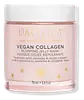
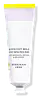
Pacifica Vegan Collagen Plumping Jelly Mask Versus Beekman 1802 Midnight Milk Better Aging Sleep Mask
This hydrating overnight mask is formulated around Squalane and Hyaluronic Acid to hydrate skin and soften the look of wrinkles.
This anti-aging overnight mask is formulated around Palmitoyl Tripeptide-38 and Bifida Ferment Lysate to soften the look of wrinkles and hydrate skin.

What's inside
What's inside
 Key Ingredients
Benefits
Concerns
Ingredients Side-by-side
Water
Skin ConditioningGlycerin
Humectant


Helianthus Annuus Seed Oil
Emollient


Isopropyl Myristate
Emollient



Hydroxypropyl Starch Phosphate
Glyceryl Stearate
Emollient
Cetyl Alcohol
Emollient

Stearic Acid
Cleansing
Glyceryl Laurate
Emollient
Sr-Hydrozoan Polypeptide-1
Humectant
Glyceryl Stearate Citrate
Emollient
Tocopheryl Acetate
Antioxidant


Squalane
Emollient
Parfum
Masking

Allantoin
Skin Conditioning

Panthenol
Skin Conditioning
Ethylhexylglycerin
Skin ConditioningLycium Barbarum Fruit Extract
Astringent
Hyaluronic Acid
Humectant
Phenoxyethanol
Preservative
Chamomilla Recutita Flower Extract
Masking
Jasminum Officinale Extract
Masking
Hibiscus Sabdariffa Flower Extract
Skin ConditioningCitrus Aurantium Amara Flower Oil
Masking
Water, Glycerin, Helianthus Annuus Seed Oil, Isopropyl Myristate, Hydroxypropyl Starch Phosphate, Glyceryl Stearate, Cetyl Alcohol, Stearic Acid, Glyceryl Laurate, Sr-Hydrozoan Polypeptide-1, Glyceryl Stearate Citrate, Tocopheryl Acetate, Squalane, Parfum, Allantoin, Panthenol, Ethylhexylglycerin, Lycium Barbarum Fruit Extract, Hyaluronic Acid, Phenoxyethanol, Chamomilla Recutita Flower Extract, Jasminum Officinale Extract, Hibiscus Sabdariffa Flower Extract, Citrus Aurantium Amara Flower Oil
Water
Skin ConditioningGlycerin
Humectant
Glyceryl Stearate
Emollient
Cetyl Alcohol
Emollient
Neopentyl Glycol Diheptanoate
EmollientGlyceryl Caprylate
EmollientSqualane
Emollient
Palmitoyl Tripeptide-38
Skin Conditioning
Caprae Lac
Skin ConditioningMilk Protein
Skin ConditioningLactose
HumectantBifida Ferment Lysate
Skin Conditioning
Bakuchiol
Antimicrobial


Melatonin
Antioxidant
Hyaluronic Acid
Humectant
Isododecane
EmollientMelia Azadirachta Flower Extract
Skin ConditioningStearic Acid
Cleansing
Glyceryl Stearate Citrate
Emollient
Hydroxyacetophenone
Antioxidant
Panthenol
Skin Conditioning
Coccinia Indica Fruit Extract
Skin Conditioning
Carbomer
Emulsion StabilisingAllantoin
Skin Conditioning
Xanthan Gum
EmulsifyingCaprylhydroxamic Acid
ChelatingGlyceryl Laurate
Emollient
Betaine
Humectant
Sodium Hydroxide
BufferingCentella Asiatica Extract
Cleansing
Hydroxypropyl Cyclodextrin
MaskingSpinacia Oleracea Leaf Extract
Skin ConditioningSodium Carbonate
BufferingPropanediol
Solvent
Tephrosia Purpurea Seed Extract
Skin ConditioningAcetyl Hexapeptide-8
Humectant
Gardenia Florida Fruit Extract
Skin ConditioningMaltodextrin
Absorbent
Water, Glycerin, Glyceryl Stearate, Cetyl Alcohol, Neopentyl Glycol Diheptanoate, Glyceryl Caprylate, Squalane, Palmitoyl Tripeptide-38, Caprae Lac, Milk Protein, Lactose, Bifida Ferment Lysate, Bakuchiol, Melatonin, Hyaluronic Acid, Isododecane, Melia Azadirachta Flower Extract, Stearic Acid, Glyceryl Stearate Citrate, Hydroxyacetophenone, Panthenol, Coccinia Indica Fruit Extract, Carbomer, Allantoin, Xanthan Gum, Caprylhydroxamic Acid, Glyceryl Laurate, Betaine, Sodium Hydroxide, Centella Asiatica Extract, Hydroxypropyl Cyclodextrin, Spinacia Oleracea Leaf Extract, Sodium Carbonate, Propanediol, Tephrosia Purpurea Seed Extract, Acetyl Hexapeptide-8, Gardenia Florida Fruit Extract, Maltodextrin
Ingredients Explained
These ingredients are found in both products.
Ingredients higher up in an ingredient list are typically present in a larger amount.
Allantoin is a soothing ingredient known for its protective and moisturizing properties; it's basically a quiet workhorse ingredient you can find in a huge range of cosmetics.
Though it can be derived from the comfrey plant, allantoin is produced synthetically for cosmetic products to ensure purity.
Research shows it can encourage your skin cells to turn over and renew by stimulating keratinocyte and fibroblast proliferation.
It also has mild keratolytic properties to help loosen and shed dead skin cells without being harsh.
Studies also suggest allantoin can help calm inflammation by dialing down some of the chemical signals your skin sends out when it is irritated.
This ingredient is typically used in the 0.1-0.5% range, and the FDA recognizes it as a skin protectant in OTC products up to 2%.
Overall, allantoin is a wonderful addition to most routines; it is stable across a wide pH range (~4-8), works well with other ingredients, and is considered non-sensitizing/non-irritating.
Fun fact: Allantoin is naturally occurring in comfrey root, beets, chamomile, and wheat sprouts. Our bodies even produce it as a byproduct of uric acid metabolism.
Learn more about AllantoinCetyl Alcohol is a fatty alcohol. Fatty Alcohols are most often used as an emollient or to thicken a product.
Its main roles are:
Though it has "alcohol" in the name, it is not related to denatured alcohol or ethyl alcohol.
The FDA allows products labeled "alcohol-free" to have fatty alcohols.
This ingredient may not be fungal acne safe. It is a primary fatty alcohol with a chain length above 12 carbons. A study from 2019 show Malassezia can feed on fatty alcohols in this range, so it may trigger fungal acne in those prone to it.
Learn more about Cetyl AlcoholGlycerin (or glycerol) is a compound naturally found in your skin. It's a powerhouse humectant that pulls water into the stratum corneum.
Topically, glycerin does several things at once:
Your skin makes glycerin on its own (mostly from sebaceous oil breakdown) and shuttles it to your outermost layer of skin, or your epidermis, via aquaporin-3.
Aquaporin-3 is a transporter that is essential for normal skin hydration, elasticity, and repair. Interestingly, mice lacking in AQP3 have dry and less elastic skin that can be fully corrected with glycerin.
This ingredient is non-irritating, plays well with almost every ingredient, and works across all skin types. Typical use is anywhere between 3-10% but can go up to 79% in some leave-on products.
Just know very high concentrations (>40%) can feel tacky in low humidity.
Glycerin is the name for this ingredient in American English. British English uses Glycerol/Glycerine.
Learn more about GlycerinGlyceryl Laurate isn't fungal acne safe.
Glyceryl Stearate is made by reacting glycerin with stearic acid (typically sourced from plant oils like palm or coconut). It's an emulsifier, emollient, and mild occlusive.
Emulsifiers help ingredients like oil and water stay mixed so your formula stays nicely blended and uniform in texture.
This ingredient is typically used in concentrations between 1-10%. Studies have found it to be non-sensitizing, non-phototoxic, and non-photoallergenic.
A close cousin of this ingredient is Glyceryl Stearate SE ("self-emulsifying"). This just has a small amount of sodium or potassium stearate added so it can emulsify without a co-emulsifier.
Since this ingredient is an ester of a C18 fatty acid, it may not be fungal acne safe. The Malassezia yeast can potentially metabolize within the C11-C24 range.
Fun fact: The human body also creates Glyceryl Stearate naturally.
Learn more about Glyceryl StearateGlyceryl Stearate Citrate is a citric acid ester of glyceryl stearate.
It is an emulsifier, emollient, and a surfactant.
Emulsifiers help stabilize a product. It does this by preventing certain ingredients from separating. Common ingredients include oils and water, which do not mix naturally. Emulsifiers have properties that help keep ingredients such as these together.
Emollients help soothe and soften the skin. They do this by creating a protective film on your skin. This barrier helps trap moisture and keeps your skin hydrated. Emollients may be effective at treating dry or itchy skin.
Surfactants help gather oils, dirt, and other pollutants from the skin. This helps them to be easily rinsed away.
Learn more about Glyceryl Stearate CitrateHyaluronic acid (HA) is a glycosaminoglycan (basically a long sugar chain) that your skin already makes on its own. In your skin, HA lives in the extracellular matrix and acts as the body's moisture reservoir.
Topically, HA is a humectant that binds water and helps skin look more plump, smooth, and hydrated.
The only catch is that HA isn't a single thing; it actually comes in a wide range of molecular weights (~50 - 2,000+ kDA) and size matters.
Some clinical evidence links low molecular weight versions to improved wrinkle depth, elasticity, anti-inflammatory effects, and barrier repair.
This is why the best HA serums blend the two sizes together so you get the best of both worlds.
The majority of cosmetic HA is produced by bacterial fermentation, typically using Streptococcus or Bacillus strains. Typical use levels in skincare sit around 0.1-2%.
A clinical study using a 0.2% low-molecular weight HA gel showed improvement in facial seborrheic dermatitis with excellent tolerance.
These are some other common types of Hyaluronic Acid:
Learn more about Hyaluronic AcidPanthenol is a common ingredient that helps hydrate and soothe the skin. It is found naturally in our skin and hair.
There are two forms of panthenol: D and L.
D-panthenol is also known as dexpanthenol. Most cosmetics use dexpanthenol or a mixture of D and L-panthenol.
Panthenol is famous due to its ability to go deeper into the skin's layers. Using this ingredient has numerous pros (and no cons):
Like hyaluronic acid, panthenol is a humectant. Humectants are able to bind and hold large amounts of water to keep skin hydrated.
This ingredient works well for wound healing. It works by increasing tissue in the wound and helps close open wounds.
Once oxidized, panthenol converts to pantothenic acid. Panthothenic acid is found in all living cells.
This ingredient is also referred to as pro-vitamin B5.
Learn more about PanthenolSqualane is the hydrogenated and shelf-stable form of squalene (a lipid that naturally occurs in human sebum).
It is an emollient and skin conditioning agent that is able to integrate seamlessly into the skin's lipid barrier without clogging pores.
This is due to how structurally similar it is to what your skin already produces.
Though it is mostly an emollient that helps soften and hydrate skin, it also has some humectant and occlusive action. Humectants help the skin retain moisture while occlusives seal it in, making squalane a triple-threat moisturizer.
Research shows it has antioxidant capabilities that help protect against stressors like UV exposure, specifically UVA induced oxidative stress. This study also found that it supports collagen biosynthesis in human dermal fibroblasts.
No clinical study has reported significant adverse effects and irritation reactions are very rare from this ingredient (even at 100% concentration).
Overall, it's a fantastic ingredient for hydration and is suitable for all skin types.
This depends on the source. Squalane can be derived from both plants and animals. Most squalane used in skincare comes from plants.
Please note: the source of squalane is only known if disclosed by the brand. We recommend reaching out to the brand if you have any questions about their squalane.
Read more about squalene with an "e".
Though squalane is often called an oil, it’s technically not one. It is a hydrocarbon, meaning it is only made of carbon and hydrogen. True oils are triglycerides and made of fatty acids and glycerol.
The term “oil-free” isn’t regulated so companies can define it however they want. Some exclude all oils, while others just avoid mineral oil or comedogenic oils.
Squalane has a comedogenic rating of 1 from the original 1972 study that tested raw ingredients under occlusion on rabbit ears. This system is not standardized or peer-reviewed, and using the raw ingredients is very different from how diluted cosmetic formulations are used on human skin.
A comedogenic rating of 1 means it is "unlikely to clog pores" according to the original rating system.
The overall formula of a product matters more than the individual ingredients on whether or not it will cause clogged pores.
Learn more about SqualaneStearic Acid is a fatty acid that is already found in your skin. It's one of the free fatty acids that works alongside ceramides and cholesterols to maintain your barrier.
In cosmetics, it is a multitasker:
Safety-wise, the CIR Expert Panel has concluded it to be safe in cosmetics when formulated to be non-irritating and non-sensitizing.
Free stearic acid is a C18 fatty acid that the Malassezia yeast can substrate, so this ingredient may not be fungal acne safe.
This ingredient does have a comedogenic rating of 2-3, but this doesn't mean a formula with this ingredient will clog pores.
Human testing has proved that any finished product with this ingredient won't automatically make you break out; it really comes down to concentration, formula, and your skin.
Learn more about Stearic AcidWater. It's the most common cosmetic ingredient of all. You'll usually see it at the top of ingredient lists, meaning that it makes up the largest part of the product.
So why is it so popular? Water most often acts as a solvent - this means that it helps dissolve other ingredients into the formulation.
You'll also recognize water as that liquid we all need to stay alive. If you see this, drink a glass of water. Remember to stay hydrated!
Learn more about Water

