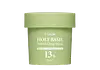
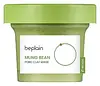
This wash off mask is made with Gluconolactone for a rinse-off oil-control boost.

What's inside
What's inside
 Key Ingredients
Benefits
Concerns
Ingredients Side-by-side
Montmorillonite
AbsorbentWater 13%
Skin ConditioningGlycerin
Humectant


Methyl Perfluoroisobutyl Ether
SolventLauryl Betaine
CleansingDecyl Glucoside
Cleansing
Hydroxypropyl Starch Phosphate
Coco-Glucoside
Cleansing
Methylpropanediol
SolventSodium Chloride
MaskingHydroxyacetophenone
Antioxidant
Citric Acid
Buffering


CI 77288
Cosmetic ColorantSand
Abrasive
Ethylhexylglycerin
Skin ConditioningCaprylhydroxamic Acid
ChelatingDisodium EDTA
ChelatingTriethoxycaprylylsilane

Ocimum Sanctum Leaf Extract
Skin ConditioningInonotus Obliquus Extract
Skin ConditioningWithania Somnifera Extract
Skin ConditioningGanoderma Lucidum Extract
Skin Protecting
Flower Extract
Butylene Glycol
Humectant
Ocimum Basilicum Leaf Powder
TonicGluconolactone
Chelating





Oak Root Extract
Skin ConditioningAvena Sativa Kernel Extract
Abrasive
Ocimum Basilicum Extract
Antioxidant
Chamomilla Recutita Extract
Skin Conditioning
Lavandula Angustifolia Flower Extract
Cleansing

Sepia Extract
Skin ConditioningSalvia Sclarea Extract
AntiseborrhoeicChrysanthemum Indicum Flower Extract
Skin Conditioning
Hordeum Vulgare Seed Extract
Skin ConditioningCitrus Limon Peel Oil
Masking




Montmorillonite, Water 13%, Glycerin, Methyl Perfluoroisobutyl Ether, Lauryl Betaine, Decyl Glucoside, Hydroxypropyl Starch Phosphate, Coco-Glucoside, Methylpropanediol, Sodium Chloride, Hydroxyacetophenone, Citric Acid, CI 77288, Sand, Ethylhexylglycerin, Caprylhydroxamic Acid, Disodium EDTA, Triethoxycaprylylsilane, Ocimum Sanctum Leaf Extract, Inonotus Obliquus Extract, Withania Somnifera Extract, Ganoderma Lucidum Extract, Flower Extract, Butylene Glycol, Ocimum Basilicum Leaf Powder, Gluconolactone, Oak Root Extract, Avena Sativa Kernel Extract, Ocimum Basilicum Extract, Chamomilla Recutita Extract, Lavandula Angustifolia Flower Extract, Sepia Extract, Salvia Sclarea Extract, Chrysanthemum Indicum Flower Extract, Hordeum Vulgare Seed Extract, Citrus Limon Peel Oil
Water
Skin ConditioningVigna Radiata Seed Extract 11%
Skin ConditioningGlycerin
Humectant
Kaolin
Abrasive
Bentonite
Absorbent
Diglycerin
Humectant
Zea Mays Starch
Absorbent
Propanediol
Solvent
1,2-Hexanediol
Skin Conditioning
Glyceryl Glucoside
Humectant
Betaine
Humectant
Dipropylene Glycol
HumectantPhaseolus Radiatus Seed Powder 0.6%
Calamine
AbsorbentPotassium Cetyl Phosphate
EmulsifyingXanthan Gum
EmulsifyingHydroxyacetophenone
Antioxidant
Cocos Nucifera Shell Powder
Abrasive
Ethylhexylglycerin
Skin ConditioningNiacinamide
Smoothing

Phaseolus Radiatus Seed Extract 0.1%
Skin ConditioningPhaseolus Radiatus Extract 0.1%
Skin ConditioningOlea Europaea Fruit Oil
Masking

Sodium Acrylate/Sodium Acryloyldimethyl Taurate Copolymer
Emulsion StabilisingChlorella Vulgaris Powder
Skin ConditioningPolyisobutene
Glucose
Humectant
Triethoxycaprylylsilane
Disodium EDTA
ChelatingButylene Glycol
Humectant
Citric Acid
Buffering
Allantoin
Skin Conditioning
Sorbitan Oleate
Emulsifying
Caprylyl/Capryl Glucoside
CleansingAbies Sibirica Oil
Masking
Rosmarinus Officinalis Leaf Oil
Masking
Salvia Sclarea Oil
Masking
Phaseolus Radiatus Sprout Extract
HumectantAnthemis Nobilis Flower Oil
Masking
Hydrolyzed Extensin
Skin ConditioningJuniperus Mexicana Oil
Masking
Canadian Colloidal Clay
Skin ConditioningManicouagan Clay
AbsorbentIllite
Abrasive
Chamomilla Recutita Flower Oil
Masking
Montmorillonite
AbsorbentProtease
Exfoliating
Water, Vigna Radiata Seed Extract 11%, Glycerin, Kaolin, Bentonite, Diglycerin, Zea Mays Starch, Propanediol, 1,2-Hexanediol, Glyceryl Glucoside, Betaine, Dipropylene Glycol, Phaseolus Radiatus Seed Powder 0.6%, Calamine, Potassium Cetyl Phosphate, Xanthan Gum, Hydroxyacetophenone, Cocos Nucifera Shell Powder, Ethylhexylglycerin, Niacinamide, Phaseolus Radiatus Seed Extract 0.1%, Phaseolus Radiatus Extract 0.1%, Olea Europaea Fruit Oil, Sodium Acrylate/Sodium Acryloyldimethyl Taurate Copolymer, Chlorella Vulgaris Powder, Polyisobutene, Glucose, Triethoxycaprylylsilane, Disodium EDTA, Butylene Glycol, Citric Acid, Allantoin, Sorbitan Oleate, Caprylyl/Capryl Glucoside, Abies Sibirica Oil, Rosmarinus Officinalis Leaf Oil, Salvia Sclarea Oil, Phaseolus Radiatus Sprout Extract, Anthemis Nobilis Flower Oil, Hydrolyzed Extensin, Juniperus Mexicana Oil, Canadian Colloidal Clay, Manicouagan Clay, Illite, Chamomilla Recutita Flower Oil, Montmorillonite, Protease
Reviews
Ingredients Explained
These ingredients are found in both products.
Ingredients higher up in an ingredient list are typically present in a larger amount.
Butylene Glycol (or BG) is used within cosmetic products for a few different reasons:
Overall, Butylene Glycol is a safe and well-rounded ingredient that works well with other ingredients.
Though this ingredient works well with most skin types, some people with sensitive skin may experience a reaction such as allergic rashes, closed comedones, or itchiness.
Learn more about Butylene GlycolCitric Acid is an alpha hydroxy acid (AHA) naturally found in citrus fruits like oranges, lemons, and limes.
Like other AHAs, citric acid can exfoliate skin by breaking down the bonds that hold dead skin cells together. This helps reveal smoother and brighter skin underneath.
However, this exfoliating effect only happens at high concentrations (20%) which can be hard to find in cosmetic products.
Due to this, citric acid is usually included in small amounts as a pH adjuster. This helps keep products slightly more acidic and compatible with skin's natural pH.
In skincare formulas, citric acid can:
While it can provide some skin benefits, research shows lactic acid and glycolic acid are generally more effective and less irritating exfoliants.
Most citric acid used in skincare today is made by fermenting sugars (usually from molasses). This synthetic version is identical to the natural citrus form but easier to stabilize and use in formulations.
Rosacea skin has a lower threshold for acids generally, with 62.5% of rosacea subjects in one study reacting to lactic acid in a sting test. This is why we mark citric acid as a potential rosacea trigger.
However, this ingredient shows up as a pH adjuster or chelator at roughly 0.1-1% in many products. These low levels are unlikely to be an issue for rosacea skin and becomes a potential trigger at exfoliating concentrations (20%). Because everybody's skin is unique, we recommend a patch test if you are unsure.
Learn more about Citric AcidDisodium EDTA is a chelating agent. It grabs onto and deactivates metal ions that sneak into your products from water, packaging, or air.
This ingredient mainly works behind the scenes and helps with:
On top of that, this ingredient can counteract the effects of hard water by binding to the minerals in it.
One thing worth knowing is that Disodium EDTA has been shown to be a mild penetration enhancer. It can help other ingredients absorb into skin more effectively which can be a double-edged sword (great for actives, but can also make the active too strong if you have sensitive skin).
Clinical patch testing showed no significant skin irritation at typical use concentrations and minimal dermal absorption.
You'll most likely see this ingredient near the end of an ingredient list. It's typically found in concentrations less than 1%.
Learn more about Disodium EDTAEthylhexylglycerin is created from glycerin. It is a multitasker ingredient that:
The CIR Expert Panel found minimal skin absorption or sensitization of any kind in a safety assessment. Though this ingredient is considered well-tolerated, a small number of cases of allergic dermatitis have been published since 2002. Just be sure to patch test if you are unsure.
Industry-reported use ranges from 8% in rinse-off products and 2% in leave-on formulations.
Learn more about EthylhexylglycerinGlycerin (or glycerol) is a compound naturally found in your skin. It's a powerhouse humectant that pulls water into the stratum corneum.
Topically, glycerin does several things at once:
Your skin makes glycerin on its own (mostly from sebaceous oil breakdown) and shuttles it to your outermost layer of skin, or your epidermis, via aquaporin-3.
Aquaporin-3 is a transporter that is essential for normal skin hydration, elasticity, and repair. Interestingly, mice lacking in AQP3 have dry and less elastic skin that can be fully corrected with glycerin.
This ingredient is non-irritating, plays well with almost every ingredient, and works across all skin types. Typical use is anywhere between 3-10% but can go up to 79% in some leave-on products.
Just know very high concentrations (>40%) can feel tacky in low humidity.
Glycerin is the name for this ingredient in American English. British English uses Glycerol/Glycerine.
Learn more about GlycerinHydroxyacetophenone is a small phenolic molecule that earns its place in a formulas as an antioxidant and preservative booster.
As a phenol, it is able to neutralize free radicals to protect both the product and the skin from oxidative stress.
Though it can't kill microbes on its own, it works as a good supporting agent when combined with other preservatives like Phenoxyethanol or 1,2-Hexanediol.
This ingredient naturally occurs as piceol in Norwegian spruce needles (~0.4-1.1% dry weight and in cloudberries). Though the cosmetic-grade material is synthesized for purity and consistency.
You'll usually see it used at low levels and suppliers recommend up to 1% added to a water phase.
Safety testing was done at concentrations like 0.05% in SPF products and 0.5% in a Human Repeated Insult Patch Test. The safety evidence is assuring; this ingredient is safe for cosmetics in current use and also holds safety status as a food flavoring as well.
An honest caveat: the "soothing" and "anti-inflammatory" claims come mostly from supplier marketing rather than published clinical trials. The Cosmetic Ingredient Review's own literature search found no useful efficacy studies on this ingredient.
So the antioxidant and preservative-boosting roles are the well supported ones while the calming benefit is plausible but thinly evidenced.
Overall, this is a well-tolerated, low-irritation multitasker that quietly helps a formula stay fresh and stable.
Learn more about HydroxyacetophenoneMontmorillonite is a clay (aluminomagnesium silicate) with strong absorption properties. It has a similar pH to skin.
This clay is named after Montmorillon in France.
Learn about other types of clay, such as Kaolin, Bentonite, or Fuller's Earth.
Learn more about MontmorilloniteTriethoxycaprylylsilane is a silicon-based surface modifier that makes sunscreens feel silky and makeup stay put.
Its main job is to coat mineral particles like titanium dioxide, zinc oxide, and color pigments in a thin, oily layer so they spread smoothly, don't clump, and stick to skin better.
This ingredient is typically used at low levels (up to 2.5% in eyeshadow and 1% in lipstick).
Learn more about TriethoxycaprylylsilaneWater. It's the most common cosmetic ingredient of all. You'll usually see it at the top of ingredient lists, meaning that it makes up the largest part of the product.
So why is it so popular? Water most often acts as a solvent - this means that it helps dissolve other ingredients into the formulation.
You'll also recognize water as that liquid we all need to stay alive. If you see this, drink a glass of water. Remember to stay hydrated!
Learn more about Water

