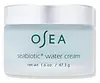
This calming moisturizer is formulated around Squalane and Lactobacillus Ferment to calm redness and hydrate skin.
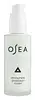
This barrier-repair moisturizer is formulated around Butyrospermum Parkii Butter and Simmondsia Chinensis Seed Oil to strengthen the skin barrier and hydrate skin.

What's inside
What's inside
 Key Ingredients
Benefits
Concerns
Ingredients Side-by-side
Water
Skin ConditioningGlycerin
Humectant


Caprylic/Capric Triglyceride
Masking
Squalane
Emollient
Isoamyl Laurate
Emollient

Undecane
EmollientCetearyl Alcohol
Emollient



Hectorite
AbsorbentCetearyl Olivate
Sorbitan Olivate
Emulsifying
Glyceryl Caprylate
EmollientUndaria Pinnatifida Extract
Skin ConditioningTremella Fuciformis Polysaccharide
Emulsion Stabilising
Hyaluronic Acid
Humectant
Betulin
Skin ConditioningTocopherol
Antioxidant



Pavlova Lutheri Extract
Skin ConditioningTerminalia Ferdinandiana Fruit Extract
Antioxidant
Laminaria Ochroleuca Extract
Skin Conditioning
Bisabolol
Antioxidant
Calendula Officinalis Flower Extract
Masking
Brassica Oleracea Italica Extract
AstringentZingiber Officinale Root Extract
Masking
Melia Azadirachta Leaf Extract
Skin ConditioningMelia Azadirachta Flower Extract
Skin ConditioningCorallina Officinalis Extract
Skin Conditioning
Coccinia Indica Fruit Extract
Skin Conditioning
Solanum Melongena Fruit Extract
Skin ConditioningAloe Barbadensis Flower Extract
EmollientOcimum Sanctum Leaf Extract
Skin ConditioningOcimum Basilicum Flower/Leaf Extract
TonicCurcuma Longa Root Extract
Antioxidant
Caesalpinia Spinosa Fruit Pod Extract
Helianthus Annuus Sprout Extract
Skin ConditioningMaltodextrin
Absorbent
Fucus Vesiculosus Extract
Emollient
Lactobacillus Ferment
Skin Conditioning
Tridecane
Perfuming
Sodium Stearoyl Glutamate
CleansingCaprylhydroxamic Acid
Tetrasodium Glutamate Diacetate
Sodium Hydroxide
BufferingCitric Acid
Buffering
Sodium Benzoate
Masking
Potassium Sorbate
Preservative
Water, Glycerin, Caprylic/Capric Triglyceride, Squalane, Isoamyl Laurate, Undecane, Cetearyl Alcohol, Hectorite, Cetearyl Olivate, Sorbitan Olivate, Glyceryl Caprylate, Undaria Pinnatifida Extract, Tremella Fuciformis Polysaccharide, Hyaluronic Acid, Betulin, Tocopherol, Pavlova Lutheri Extract, Terminalia Ferdinandiana Fruit Extract, Laminaria Ochroleuca Extract, Bisabolol, Calendula Officinalis Flower Extract, Brassica Oleracea Italica Extract, Zingiber Officinale Root Extract, Melia Azadirachta Leaf Extract, Melia Azadirachta Flower Extract, Corallina Officinalis Extract, Coccinia Indica Fruit Extract, Solanum Melongena Fruit Extract, Aloe Barbadensis Flower Extract, Ocimum Sanctum Leaf Extract, Ocimum Basilicum Flower/Leaf Extract, Curcuma Longa Root Extract, Caesalpinia Spinosa Fruit Pod Extract, Helianthus Annuus Sprout Extract, Maltodextrin, Fucus Vesiculosus Extract, Lactobacillus Ferment, Tridecane, Sodium Stearoyl Glutamate, Caprylhydroxamic Acid, Tetrasodium Glutamate Diacetate, Sodium Hydroxide, Citric Acid, Sodium Benzoate, Potassium Sorbate
Water
Skin ConditioningAlgae Extract
EmollientCoco-Caprylate/Caprate
Emollient
Macadamia Ternifolia Seed Oil
Emollient
Sorbitan Olivate
Emulsifying
Cetearyl Glucoside
Emulsifying
Butyrospermum Parkii Butter
Skin Conditioning
Simmondsia Chinensis Seed Oil
Emollient
Persea Gratissima Oil
Skin Conditioning
Tocopherol
Antioxidant
Calendula Officinalis Flower Extract
Masking
Lysine Lauroyl Methionate
Skin ConditioningXanthan Gum
EmulsifyingLaminaria Digitata Extract
Skin Protecting
Ginkgo Biloba Leaf Extract
Skin Conditioning
Chamomilla Recutita Flower Extract
Masking
Lavandula Angustifolia Oil
Masking


Pelargonium Graveolens Oil
Masking
Magnesium Aluminum Silicate
Absorbent
Citrus Grandis Peel Oil
Masking
Potassium Sorbate
Preservative
Glycine
Buffering
Water, Algae Extract, Coco-Caprylate/Caprate, Macadamia Ternifolia Seed Oil, Sorbitan Olivate, Cetearyl Glucoside, Butyrospermum Parkii Butter, Simmondsia Chinensis Seed Oil, Persea Gratissima Oil, Tocopherol, Calendula Officinalis Flower Extract, Lysine Lauroyl Methionate, Xanthan Gum, Laminaria Digitata Extract, Ginkgo Biloba Leaf Extract, Chamomilla Recutita Flower Extract, Lavandula Angustifolia Oil, Pelargonium Graveolens Oil, Magnesium Aluminum Silicate, Citrus Grandis Peel Oil, Potassium Sorbate, Glycine
Reviews
Ingredients Explained
These ingredients are found in both products.
Ingredients higher up in an ingredient list are typically present in a larger amount.
Calendula Officinalis Flower Extract comes from the marigold flower and has been used on skin for centuries for its calming effect.
In the lab, its active compounds appear to calm inflammation and support the early "healing" phase of minor wounds.
This is why Europe's medicines regulator has approved calendula extracts as a traditional remedy for minor skin inflammation and healing small wounds.
The stronger human evidence is around would/ulcer care rather than everyday cosmetic claims; a review that pulled together 14 studies found that calendula helped calm the early, inflamed stage of a wound and helped new skin tissue form faster.
Two studies also showed it shrank leg ulcers (the kind caused by poor circulation). Results were mixed for burns and for the skin irritation people get from radiation treatment, so it's not a sure thing there.
In cosmetics, it's mostly a skin conditioning and soothing agent.
The Cosmetic Ingredient Review panel concluded that calendula-derived ingredients are safe as used and that the ingredients are not irritating, sensitizing, or photosensitizing in clinical tests (though they may be mild eye irritants).
Typical use levels are quite low; industry data reported it used at under 0.5% (one supplier noted a 10-25% extract blend used at 1-10% in the finished product). Historical use goes up to 10%.
The only thing to keep in mind is if you have daisy/ragweed allergies. Calendula is in the same family and one patch-test study found 2% of dermatitis patients reacted to marigold. Be sure to patch test if you have sensitive or allergy-prone skin.
Learn more about Calendula Officinalis Flower ExtractPotassium Sorbate is a preservative used to prevent yeast and mold in products. It is commonly found in both cosmetic and food products.
This ingredient comes from potassium salt derived from sorbic acid. Sorbic acid is a natural antibiotic and effective against fungus.
Both potassium sorbate and sorbic acid can be found in baked goods, cheeses, dried meats, dried fruit, ice cream, pickles, wine, yogurt, and more.
You'll often find this ingredient used with other preservatives.
Learn more about Potassium SorbateSorbitan Olivate is created from the fatty acids in olive oil and sorbitol.
This ingredient is an oil in water emulsifier. It helps stabilize a product by preventing oils and waters from separating. Sorbitan Olivate also helps hydrate the skin.
This ingredient is also known as part of Olivem 1000, with Cetearyl Olivate being the other part.
According to a manufacturer, this ingredient helps preserve the natural microbiome of skin. Having a healthy microbiome helps keep our skin healthy and protects against harmful bacteria.
Please note, having a healthy microbiome is different from fungal acne; a healthy microbiome includes small amounts of yeast that normally live on your skin without causing problems.
Fungal acne happens when one type of yeast (Malassezia) grows out of control. This is usually because it's feeding on certain oils or fatty acids. Due to the olive oil base, this ingredient may not be fungal acne safe.
Learn more about Sorbitan OlivateTocopherol is a fat-soluble antioxidant known as Vitamin E.
You'll find this ingredient in the vast majority of skincare (for good reason). It works to neutralize free radicals, or unstable molecules generated by UV exposure, pollution, and other environmental stressors, before they can cause oxidative damage to your skin cells.
Topically applied tocopherol has been shown to protect against UV damage by ramping up the skin's own natural defense enzymes.
It also acts as a skin conditioning agent; some studies show that regular topical use can improve the skin's water-binding capacity over 2-4 weeks.
This ingredient is especially loved for being a team player. When combined with Vitamin C, the photoprotective effect of both ingredients roughly doubles and the combo also helps reduce UV-induced DNA damage.
This ingredient has some brightening potential but it's more of a prevention ingredient than spot-fader. Cell studies show it can slow down melanin production but it's worth noting that it's not the most powerful brightener out there.
In formulations, it also serves as a stabilizer that helps protect other oxidation-prone ingredients from degrading.
Concentrations usually range from 0.1-1% in most leave-on products.
Learn more about TocopherolWater. It's the most common cosmetic ingredient of all. You'll usually see it at the top of ingredient lists, meaning that it makes up the largest part of the product.
So why is it so popular? Water most often acts as a solvent - this means that it helps dissolve other ingredients into the formulation.
You'll also recognize water as that liquid we all need to stay alive. If you see this, drink a glass of water. Remember to stay hydrated!
Learn more about Water

