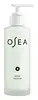
This mild cream cleanser is made to cleanse without leaving your skin tight or dry.
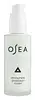
This barrier-repair moisturizer is formulated around Butyrospermum Parkii Butter and Simmondsia Chinensis Seed Oil to strengthen the skin barrier and hydrate skin.

What's inside
What's inside
 Key Ingredients
Benefits
Concerns
Ingredients Side-by-side
Water
Skin ConditioningAlgae Extract
Emollient

Decyl Glucoside
Cleansing
Sodium Lauroyl Oat Amino Acids
CleansingSorbitan Olivate
Emulsifying

Sesamum Indicum Seed Oil
Emollient
Simmondsia Chinensis Seed Oil
Emollient


Magnesium Aluminum Silicate
Absorbent
Tocopherol
Antioxidant





Citrus Aurantifolia Oil
Cleansing


Citrus Aurantium Dulcis Oil
Masking
Juniperus Communis Fruit Oil
Masking
Cupressus Sempervirens Oil
Masking
Jasminum Officinale Oil
Masking
Lactic Acid
Buffering


Xanthan Gum
EmulsifyingGlycine
Buffering
Potassium Sorbate
Preservative
CI 75810
Cosmetic ColorantWater, Algae Extract, Decyl Glucoside, Sodium Lauroyl Oat Amino Acids, Sorbitan Olivate, Sesamum Indicum Seed Oil, Simmondsia Chinensis Seed Oil, Magnesium Aluminum Silicate, Tocopherol, Citrus Aurantifolia Oil, Citrus Aurantium Dulcis Oil, Juniperus Communis Fruit Oil, Cupressus Sempervirens Oil, Jasminum Officinale Oil, Lactic Acid, Xanthan Gum, Glycine, Potassium Sorbate, CI 75810
Water
Skin ConditioningAlgae Extract
Emollient
Coco-Caprylate/Caprate
Emollient
Macadamia Ternifolia Seed Oil
Emollient
Sorbitan Olivate
Emulsifying
Cetearyl Glucoside
Emulsifying
Butyrospermum Parkii Butter
Skin Conditioning
Simmondsia Chinensis Seed Oil
Emollient
Persea Gratissima Oil
Skin Conditioning
Tocopherol
Antioxidant
Calendula Officinalis Flower Extract
Masking
Lysine Lauroyl Methionate
Skin ConditioningXanthan Gum
EmulsifyingLaminaria Digitata Extract
Skin Protecting
Ginkgo Biloba Leaf Extract
Skin Conditioning
Chamomilla Recutita Flower Extract
Masking
Lavandula Angustifolia Oil
Masking
Pelargonium Graveolens Oil
Masking
Magnesium Aluminum Silicate
Absorbent
Citrus Grandis Peel Oil
Masking
Potassium Sorbate
Preservative
Glycine
Buffering
Water, Algae Extract, Coco-Caprylate/Caprate, Macadamia Ternifolia Seed Oil, Sorbitan Olivate, Cetearyl Glucoside, Butyrospermum Parkii Butter, Simmondsia Chinensis Seed Oil, Persea Gratissima Oil, Tocopherol, Calendula Officinalis Flower Extract, Lysine Lauroyl Methionate, Xanthan Gum, Laminaria Digitata Extract, Ginkgo Biloba Leaf Extract, Chamomilla Recutita Flower Extract, Lavandula Angustifolia Oil, Pelargonium Graveolens Oil, Magnesium Aluminum Silicate, Citrus Grandis Peel Oil, Potassium Sorbate, Glycine
Reviews
Ingredients Explained
These ingredients are found in both products.
Ingredients higher up in an ingredient list are typically present in a larger amount.
Algae Extract is one of the vaguest names on any label because it just means "extract of some alga" (and there are thousands of species and dozens of ways to extract them). This just means two products listing it can contain completely different things.
This ingredient name was actually officially retired in the INCI dictionary in 2015 and brands were pushed toward species-specific names instead (like Laminaria Digitata Extract or Chondrus Crispus Extract).
Generally, it is used to hold water and soften skin in a formula. Algae are rich in polysaccharides, pigments, and amino-acids that act as humectants, emollients, and skin-conditioning agents.
It isn't on standard cosmetic-patch test panels and "seaweed dermatitis" is actually an acute irritant reaction to algal toxins in seawater and not the cosmetic ingredient.
You'll see algae listed as a 5/5 on a lot of pore-clogging charts and that number doesn't come from anywhere; it's not in the original rabbit-ear studies that most comedogenic ratings trace back to.
The reasoning behind the reputation is that seaweed is high in iodine and iodine can trigger acne-like breakouts when eaten. This traces back to a 1976 letter in Archives of Dermatology describing two women whose breakouts cleared after they stopped taking high-dose kelp supplements orally.
And the reaction of these two women wasn't clogged pores at all: it was an iodine-triggered pustular rash. Later research found normal dietary iodine doesn't meaningfully affect acne either and nobody has shown topical algae delivers enough iodine to matter.
What we do have is dozens of brown and red algae ingredients found to be non-irritating and non-sensitizing, and a handful of studies that found algae compounds may actually help acne.
However, plenty of people do report breaking out from algae-containing products. Skin is individual and it's worth avoiding if yours has reacted to algae before.
Learn more about Algae ExtractGlycine is the smallest amino acid and a key building block of collagen. It's part if your skin's Natural Moisturizing Factor (NMF), or the water-loving molecules in your outermost layer of skin (stratum corneum) that keeps everything hydrated and happy.
A study from 2022 found that an amino acid complex featuring taurine, arginine, and glycine significantly reduced skin irritation, improved redness, and accelerated the skin repair process.
Magnesium Aluminum Silicate is a type of silica. It comes from naturally occuring minerals such as silicate ores and clay.
Magnesium aluminum silicate is used for enhancing texture and as an absorbent. Due to its large molecular size, it is unable to be absorbed into the skin.
Like other types of silica, this ingredient can be used to thicken a product. As an absorbent, it may be used to absorb extra water or help prevent clumping.
Although “aluminum” in an ingredient name can raise red flags for some consumers, the form and usage context matter significantly. For typical topical applications, there is no substantial evidence of health risks - such as cancer, neurotoxicity, or systemic “aluminum overload.”
Learn more about Magnesium Aluminum SilicatePotassium Sorbate is a preservative used to prevent yeast and mold in products. It is commonly found in both cosmetic and food products.
This ingredient comes from potassium salt derived from sorbic acid. Sorbic acid is a natural antibiotic and effective against fungus.
Both potassium sorbate and sorbic acid can be found in baked goods, cheeses, dried meats, dried fruit, ice cream, pickles, wine, yogurt, and more.
You'll often find this ingredient used with other preservatives.
Learn more about Potassium SorbateJojoba oil is one of the most well-studied plant-derived ingredients in cosmetics. It is an emollient with a special structure.
Because it is made up of 97-98% wax esters, it closely mirrors the linear monoesters found in human sebum. This makes it skin compatible, non-greasy, and lightweight.
Unlike other plant oils, jojoba wax doesn't easily penetrate skin. It mostly works in the uppermost layers as an emollient. This just means it forms a light barrier on the skin to help retain moisture.
Formulations with jojoba esters up to 90% reduced transepidermal water loss (TEWL) and increased barrier recovery by 81% (outperforming bisabolol at 47%).
Besides barrier support, the science also suggests jojoba to have anti-inflammatory effects and potential applications for skin infections, aging, and wound healing.
Fun fact: Indigenous cultures have used jojoba as a moisturizer and to help treat burns for centuries.
Fungal acne: The Malassezia yeast is known to metabolize fatty acids in the C11-24 range and jojoba's dominant fatty acid components fall into this range. This ingredient may not be fungal acne safe.
Learn more about Simmondsia Chinensis Seed OilSorbitan Olivate is created from the fatty acids in olive oil and sorbitol.
This ingredient is an oil in water emulsifier. It helps stabilize a product by preventing oils and waters from separating. Sorbitan Olivate also helps hydrate the skin.
This ingredient is also known as part of Olivem 1000, with Cetearyl Olivate being the other part.
According to a manufacturer, this ingredient helps preserve the natural microbiome of skin. Having a healthy microbiome helps keep our skin healthy and protects against harmful bacteria.
Please note, having a healthy microbiome is different from fungal acne; a healthy microbiome includes small amounts of yeast that normally live on your skin without causing problems.
Fungal acne happens when one type of yeast (Malassezia) grows out of control. This is usually because it's feeding on certain oils or fatty acids. Due to the olive oil base, this ingredient may not be fungal acne safe.
Learn more about Sorbitan OlivateTocopherol is a fat-soluble antioxidant known as Vitamin E.
You'll find this ingredient in the vast majority of skincare (for good reason). It works to neutralize free radicals, or unstable molecules generated by UV exposure, pollution, and other environmental stressors, before they can cause oxidative damage to your skin cells.
Topically applied tocopherol has been shown to protect against UV damage by ramping up the skin's own natural defense enzymes.
It also acts as a skin conditioning agent; some studies show that regular topical use can improve the skin's water-binding capacity over 2-4 weeks.
This ingredient is especially loved for being a team player. When combined with Vitamin C, the photoprotective effect of both ingredients roughly doubles and the combo also helps reduce UV-induced DNA damage.
This ingredient has some brightening potential but it's more of a prevention ingredient than spot-fader. Cell studies show it can slow down melanin production but it's worth noting that it's not the most powerful brightener out there.
In formulations, it also serves as a stabilizer that helps protect other oxidation-prone ingredients from degrading.
Concentrations usually range from 0.1-1% in most leave-on products.
Learn more about TocopherolWater. It's the most common cosmetic ingredient of all. You'll usually see it at the top of ingredient lists, meaning that it makes up the largest part of the product.
So why is it so popular? Water most often acts as a solvent - this means that it helps dissolve other ingredients into the formulation.
You'll also recognize water as that liquid we all need to stay alive. If you see this, drink a glass of water. Remember to stay hydrated!
Learn more about WaterXanthan gum is used as a stabilizer and thickener within cosmetic products. It helps give products a sticky, thick feeling - preventing them from being too runny.
On the technical side of things, xanthan gum is a polysaccharide - a combination consisting of multiple sugar molecules bonded together.
Xanthan gum is a pretty common and great ingredient. It is a natural, non-toxic, non-irritating ingredient that is also commonly used in food products.
Learn more about Xanthan Gum

