
What's inside
What's inside
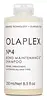 Key Ingredients
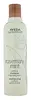
No key ingredients
Benefits
Concerns
Ingredients Side-by-side
Water
Skin ConditioningSodium Lauroyl Methyl Isethionate
CleansingCocamidopropyl Hydroxysultaine
Cleansing
Potassium Cocoyl Glycinate
Surfactant
Disodium Cocoyl Glutamate
Cleansing
Potassium Cocoate
Emulsifying
Sodium Lauroyl Sarcosinate
CleansingGlycereth-26
Humectant
Decyl Glucoside
Cleansing
Parfum
Masking



Phenoxyethanol
Preservative
Cocamidopropylamine Oxide
Cleansing
Sodium Cocoyl Glutamate
Cleansing
Glycol Distearate
Emollient
Disodium Laureth Sulfosuccinate
CleansingMethyl Gluceth-20
Humectant
Acrylates Copolymer
PEG-120 Methyl Glucose Dioleate
Emulsifying
Amodimethicone

Polyquaternium-10
Citric Acid
Buffering

Ethylhexylglycerin
Skin ConditioningSodium Lauryl Sulfoacetate
CleansingDivinyldimethicone/Dimethicone Copolymer
Chlorphenesin
Antimicrobial
Polyquaternium-11
Guar Hydroxypropyltrimonium Chloride
Skin ConditioningC11-15 Pareth-7
EmulsifyingTrisodium Ethylenediamine Disuccinate
Laureth-9
EmulsifyingGlycerin
Humectant

Trideceth-12
EmulsifyingPanthenol
Skin Conditioning

Hydrolyzed Vegetable Protein Pg-Propyl Silanetriol
Skin ConditioningC12-13 Pareth-3
EmulsifyingC12-13 Pareth-23
CleansingHelianthus Annuus Seed Oil
Emollient
Tocopherol
Antioxidant



Pseudozyma Epicola/Camellia Sinensis Seed Oil Ferment Extract Filtrate
Humectant
Pseudozyma Epicola/Argania Spinosa Kernel Oil Ferment Filtrate
Skin Conditioning
Prunus Armeniaca Kernel Oil
Masking
Quaternium-95
UV AbsorberPropanediol
Solvent
Helianthus Annuus Seed Extract
Skin Conditioning
PEG-8
HumectantBis-Aminopropyl Diglycol Dimaleate
Skin ConditioningEuterpe Oleracea Fruit Extract
Rosmarinus Officinalis Leaf Extract
AntimicrobialPunica Granatum Extract
AstringentOriganum Vulgare Leaf Extract
Skin ConditioningMusa Sapientum Fruit Extract
Skin ConditioningMorinda Citrifolia Fruit Extract
Skin ConditioningSodium Hyaluronate
Humectant
PEG-8/Smdi Copolymer
Arctium Lappa Root Extract
Skin Conditioning
Sodium Polyacrylate
Absorbent
Palmitoyl Myristyl Serinate
Skin ConditioningCitral
Perfuming

Hexyl Cinnamal
Perfuming
Limonene
Perfuming
Biotin
AntiseborrhoeicPentaerythrityl Tetra-Di-T-Butyl Hydroxyhydrocinnamate
Antioxidant
Water, Sodium Lauroyl Methyl Isethionate, Cocamidopropyl Hydroxysultaine, Potassium Cocoyl Glycinate, Disodium Cocoyl Glutamate, Potassium Cocoate, Sodium Lauroyl Sarcosinate, Glycereth-26, Decyl Glucoside, Parfum, Phenoxyethanol, Cocamidopropylamine Oxide, Sodium Cocoyl Glutamate, Glycol Distearate, Disodium Laureth Sulfosuccinate, Methyl Gluceth-20, Acrylates Copolymer, PEG-120 Methyl Glucose Dioleate, Amodimethicone, Polyquaternium-10, Citric Acid, Ethylhexylglycerin, Sodium Lauryl Sulfoacetate, Divinyldimethicone/Dimethicone Copolymer, Chlorphenesin, Polyquaternium-11, Guar Hydroxypropyltrimonium Chloride, C11-15 Pareth-7, Trisodium Ethylenediamine Disuccinate, Laureth-9, Glycerin, Trideceth-12, Panthenol, Hydrolyzed Vegetable Protein Pg-Propyl Silanetriol, C12-13 Pareth-3, C12-13 Pareth-23, Helianthus Annuus Seed Oil, Tocopherol, Pseudozyma Epicola/Camellia Sinensis Seed Oil Ferment Extract Filtrate, Pseudozyma Epicola/Argania Spinosa Kernel Oil Ferment Filtrate, Prunus Armeniaca Kernel Oil, Quaternium-95, Propanediol, Helianthus Annuus Seed Extract, PEG-8, Bis-Aminopropyl Diglycol Dimaleate, Euterpe Oleracea Fruit Extract, Rosmarinus Officinalis Leaf Extract, Punica Granatum Extract, Origanum Vulgare Leaf Extract, Musa Sapientum Fruit Extract, Morinda Citrifolia Fruit Extract, Sodium Hyaluronate, PEG-8/Smdi Copolymer, Arctium Lappa Root Extract, Sodium Polyacrylate, Palmitoyl Myristyl Serinate, Citral, Hexyl Cinnamal, Limonene, Biotin, Pentaerythrityl Tetra-Di-T-Butyl Hydroxyhydrocinnamate
Water
Skin ConditioningSodium Coco-Sulfate
Cleansing
Glycerin
Humectant
Babassuamidopropyl Betaine
CleansingRosmarinus Officinalis Leaf Extract
AntimicrobialHelianthus Annuus Seed Oil
Emollient
Mentha Piperita Oil
Masking
Menthol
Masking
Camphor
Masking
Stearamidopropyl Dimethylamine
EmulsifyingSodium Gluconate
Skin ConditioningPolyquaternium-4
Acetum
Sodium Chloride
MaskingCitric Acid
Buffering
Cocamidopropylamine Oxide
Cleansing
Parfum
Masking
Linalool
Perfuming
Limonene
Perfuming
Isoeugenol
Perfuming
Benzoic Acid
Masking
Phenoxyethanol
Preservative
Sodium Benzoate
Masking
Water, Sodium Coco-Sulfate, Glycerin, Babassuamidopropyl Betaine, Rosmarinus Officinalis Leaf Extract, Helianthus Annuus Seed Oil, Mentha Piperita Oil, Menthol, Camphor, Stearamidopropyl Dimethylamine, Sodium Gluconate, Polyquaternium-4, Acetum, Sodium Chloride, Citric Acid, Cocamidopropylamine Oxide, Parfum, Linalool, Limonene, Isoeugenol, Benzoic Acid, Phenoxyethanol, Sodium Benzoate
Reviews
Ingredients Explained
These ingredients are found in both products.
Ingredients higher up in an ingredient list are typically present in a larger amount.
Citric Acid is an alpha hydroxy acid (AHA) naturally found in citrus fruits like oranges, lemons, and limes.
Like other AHAs, citric acid can exfoliate skin by breaking down the bonds that hold dead skin cells together. This helps reveal smoother and brighter skin underneath.
However, this exfoliating effect only happens at high concentrations (20%) which can be hard to find in cosmetic products.
Due to this, citric acid is usually included in small amounts as a pH adjuster. This helps keep products slightly more acidic and compatible with skin's natural pH.
In skincare formulas, citric acid can:
While it can provide some skin benefits, research shows lactic acid and glycolic acid are generally more effective and less irritating exfoliants.
Most citric acid used in skincare today is made by fermenting sugars (usually from molasses). This synthetic version is identical to the natural citrus form but easier to stabilize and use in formulations.
Read more about some other popular AHA's here:
Learn more about Citric AcidWe don't have a description for Cocamidopropylamine Oxide yet.
Glycerin (or glycerol) is a compound naturally found in your skin. It's a powerhouse humectant that pulls water into the stratum corneum.
Topically, glycerin does several things at once:
Your skin makes glycerin on its own (mostly from sebaceous oil breakdown) and shuttles it to your outermost layer of skin, or your epidermis, via aquaporin-3.
Aquaporin-3 is a transporter that is essential for normal skin hydration, elasticity, and repair. Interestingly, mice lacking in AQP3 have dry and less elastic skin that can be fully corrected with glycerin.
This ingredient is non-irritating, plays well with almost every ingredient, and works across all skin types. Typical use is anywhere between 3-10% but can go up to 79% in some leave-on products.
Just know very high concentrations (>40%) can feel tacky in low humidity.
Glycerin is the name for this ingredient in American English. British English uses Glycerol/Glycerine.
Learn more about GlycerinHelianthus Annuus Seed Oil is a plant oil derived from the seeds of a sunflower.
It is rich in fatty acids, primarily linoleic acid and oleic acid. This gives it emollient and skin conditioning properties.
The reason this ingredient is so effective is because it forms a thin film on the skin that reduces transepidermal water loss (TEWL) while supplying linoleic acid to the stratum corneum to improve barrier strength.
The high linoleic acid content is particularly noteworthy for acne-prone skin.
Research suggests that acne-prone skin tends to be deficient in linoleic acid in sebum. Topical application may help replenish this to support a healthier follicular environment and less comedone-promoting sebum.
One randomized study found sunflower seed oil preserved skin barrier integrity in adult volunteers with and without atopic dermatitis (outperforming olive oil).
This ingredient is well-studied, gentle, and an effective emollient suitable for most skin types.
On fungal acne: This ingredient may not be Fungal acne (Malassezia folliculitis) safe. This is because it contains fatty acids with carbon chain lengths in the C11-C24 range.
Learn more about Helianthus Annuus Seed OilLimonene is a fragrance that adds scent and taste to a formulation.
It's found in the peel oil of citrus fruits and other plants such as lavender and eucalyptus. The scent of limonene is generally described as "sweet citrus".
Limonene acts as an antioxidant, meaning it helps neutralize free radicals.
When exposed to air, oxidized limonene may sensitize the skin. Because of this, limonene is often avoided by people with sensitive skin.
The term 'fragrance' is not regulated in many countries. In many cases, it is up to the brand to define this term. For instance, many brands choose to label themselves as "fragrance-free" because they are not using synthetic fragrances. However, their products may still contain ingredients such as essential oils that are considered a fragrance.
Learn more about LimoneneParfum is a catch-all term for an ingredient or more that is used to give a scent to products.
Also called "fragrance", this ingredient can be a blend of hundreds of chemicals or plant oils. This means every product with "fragrance" or "parfum" in the ingredients list is a different mixture.
For instance, Habanolide is a proprietary trade name for a specific aroma chemical. When used as a fragrance ingredient in cosmetics, most aroma chemicals fall under the broad labeling category of “FRAGRANCE” or “PARFUM” according to EU and US regulations.
The term 'parfum' or 'fragrance' is not regulated in many countries. In many cases, it is up to the brand to define this term.
For instance, many brands choose to label themselves as "fragrance-free" because they are not using synthetic fragrances. However, their products may still contain ingredients such as essential oils that are considered a fragrance by INCI standards.
One example is Calendula flower extract. Calendula is an essential oil that still imparts a scent or 'fragrance'.
Depending on the blend, the ingredients in the mixture can cause allergies and sensitivities on the skin. Some ingredients that are known EU allergens include linalool and citronellol.
Parfum can also be used to mask or cover an unpleasant scent.
The bottom line is: not all fragrances/parfum/ingredients are created equally. If you are worried about fragrances, we recommend taking a closer look at an ingredient. And of course, we always recommend speaking with a professional.
Learn more about ParfumPhenoxyethanol is a preservative that has germicide, antimicrobial, and aromatic properties. Studies show that phenoxyethanol can prevent microbial growth. By itself, it has a scent that is similar to that of a rose.
It's often used in formulations along with Caprylyl Glycol to preserve the shelf life of products.
This is a botanical extract from the rosemary plant (the same one you cook with). In skincare, it mostly works as a skin conditioning agent.
Its activity comes from a handful of polyphenols, carnosic acid, carnosol, and rosmarinic acid. Almost 90% of the antioxidant activity of this ingredient can be attributed to canosol and carnosic acid.
These compounds protect your skin two ways:
1) They fight off free radicals, or the unstable molecules from things like sun and pollution that age and damage skin.
2) They help calm inflammation by switching off the chemical signals that tell skin to get red and irritated.
Lab studies also suggest that rosmarinic acid may help protect collagen and slow sugar-related damage to it.
The Cosmetic Ingredient Review has concluded rosemary-derived ingredients to be safe when formulated to be non-sensitizing.
Rosemary can occasionally cause allergic contact dermatitis (due to carnosol), so be sure to patch test if you have reactive or fragrance-sensitive skin.
Learn more about Rosmarinus Officinalis Leaf ExtractWater. It's the most common cosmetic ingredient of all. You'll usually see it at the top of ingredient lists, meaning that it makes up the largest part of the product.
So why is it so popular? Water most often acts as a solvent - this means that it helps dissolve other ingredients into the formulation.
You'll also recognize water as that liquid we all need to stay alive. If you see this, drink a glass of water. Remember to stay hydrated!
Learn more about Water
