NYX Cosmetics Pro Fix Stick Correcting Concealers Versus Morphe Wakeup Artist Under Eye Correcting Concealer

What's inside
What's inside
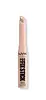 Key Ingredients
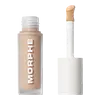
Benefits
Concerns
Ingredients Side-by-side
Isodecyl Neopentanoate
EmollientPropylene Glycol Dicaprylate/Dicaprate
EmollientSynthetic Wax
Abrasive

Isononyl Isononanoate
EmollientOctyldodecanol
Emollient
Paraffin
Skin Conditioning
Caprylic/Capric Triglyceride
Masking


Silica
Abrasive

Dimethicone
Emollient

Polyglyceryl-3 Diisostearate
Emulsifying



Microcrystalline Wax
Emulsion StabilisingLimnanthes Alba Seed Oil
Skin Conditioning
Stearalkonium Hectorite
Gel FormingDimethicone/Vinyl Dimethicone Crosspolymer
Skin Conditioning
Lecithin
Emollient
Aluminum Hydroxide
EmollientIsopropyl Myristate
Emollient
Propylene Carbonate
SolventIsostearic Acid
Cleansing
Ethylhexyl Palmitate
Emollient
Polyglyceryl-3 Polyricinoleate
Emulsifying
Polyhydroxystearic Acid
Emulsifying
Phenoxyethanol
Preservative
Isodecyl Neopentanoate, Propylene Glycol Dicaprylate/Dicaprate, Synthetic Wax, Isononyl Isononanoate, Octyldodecanol, Paraffin, Caprylic/Capric Triglyceride, Silica, Dimethicone, Polyglyceryl-3 Diisostearate, Microcrystalline Wax, Limnanthes Alba Seed Oil, Stearalkonium Hectorite, Dimethicone/Vinyl Dimethicone Crosspolymer, Lecithin, Aluminum Hydroxide, Isopropyl Myristate, Propylene Carbonate, Isostearic Acid, Ethylhexyl Palmitate, Polyglyceryl-3 Polyricinoleate, Polyhydroxystearic Acid, Phenoxyethanol
Water
Skin ConditioningOctyldodecanol
Emollient
Propanediol
Solvent
Glycerin
Humectant
Diphenylsiloxy Phenyl Trimethicone
Skin Conditioning
Coco-Caprylate/Caprate
Emollient
Simmondsia Chinensis Seed Oil
Emollient
Polyglyceryl-3 Polyricinoleate
Emulsifying
Isododecane
EmollientAcrylates/Dimethicone Copolymer
Skin Conditioning
Glyceryl Caprylate
EmollientSorbitan Isostearate
Emulsifying
Disodium Stearoyl Glutamate
CleansingSodium Chloride
MaskingDisteardimonium Hectorite
StabilisingAluminum Hydroxide
EmollientPolyhydroxystearic Acid
Emulsifying
Sodium Hyaluronate
Humectant


Algae Extract
Emollient
Arnica Montana Flower Extract
Masking
Tocopherol
Antioxidant



Leuconostoc/Radish Root Ferment Filtrate
Antimicrobial
Tremella Fuciformis Extract
Humectant
Pentylene Glycol
Skin Conditioning
1,2-Hexanediol
Skin Conditioning
Fructose
Humectant
Urea
Buffering

Citric Acid
Buffering
Sodium Hydroxide
BufferingEthyl Hexanediol
SolventIpomoea Batatas Root Extract
Skin ConditioningHydroxyacetophenone
Antioxidant
Maltose
MaskingSodium PCA
Humectant
Sodium Lactate
Buffering
Trehalose
Humectant
Allantoin
Skin Conditioning
Glucose
Humectant
Titanium Dioxide
Cosmetic Colorant

CI 77491
Cosmetic ColorantCI 77492
Cosmetic ColorantCI 77499
Cosmetic ColorantWater, Octyldodecanol, Propanediol, Glycerin, Diphenylsiloxy Phenyl Trimethicone, Coco-Caprylate/Caprate, Simmondsia Chinensis Seed Oil, Polyglyceryl-3 Polyricinoleate, Isododecane, Acrylates/Dimethicone Copolymer, Glyceryl Caprylate, Sorbitan Isostearate, Disodium Stearoyl Glutamate, Sodium Chloride, Disteardimonium Hectorite, Aluminum Hydroxide, Polyhydroxystearic Acid, Sodium Hyaluronate, Algae Extract, Arnica Montana Flower Extract, Tocopherol, Leuconostoc/Radish Root Ferment Filtrate, Tremella Fuciformis Extract, Pentylene Glycol, 1,2-Hexanediol, Fructose, Urea, Citric Acid, Sodium Hydroxide, Ethyl Hexanediol, Ipomoea Batatas Root Extract, Hydroxyacetophenone, Maltose, Sodium PCA, Sodium Lactate, Trehalose, Allantoin, Glucose, Titanium Dioxide, CI 77491, CI 77492, CI 77499
Reviews
Ingredients Explained
These ingredients are found in both products.
Ingredients higher up in an ingredient list are typically present in a larger amount.
Aluminum Hydroxide is a form of aluminum. It can be naturally found in nature as the mineral gibbsite. In cosmetics, Aluminum Hydroxide is used as a colorant, pH adjuster, and absorbent.
As a colorant, Aluminum Hydroxide may add opacity, or reduce the transparency. Aluminum hydroxide is contains both basic and acidic properties.
According to manufacturers, this ingredient is an emollient and humectant. This means it helps hydrate the skin.
In medicine, this ingredient is used to help relieve heartburn and help heal ulcers.
There is currently no credible scientific evidence linking aluminum hydroxide in cosmetics to increased cancer risk.
Major health organizations allow the use of aluminum hydroxide in personal care products and have not flagged it as a carcinogenic risk at typical usage levels.
Learn more about Aluminum HydroxideOctyldodecanol is a fatty alcohol sourced from plant oils like coconut or palm (or made synthetically).
It is:
You'll likely see this in many BHA products because this is the go-to solvent for salicylic acid.
This ingredient is typically used at levels between 2-20%.
Regarding fungal acne:
In 2019, this ingredient was tested against multiple Malassezia species (the yeast that causes fungal acne) and showed no growth.
Polyglyceryl-3 Polyricinoleate is a plant-derived emulsifier made by combining glycerin and ricinoleic acid.
It works well for giving buttery lip balms and low-viscosity water-in-oil emulsions a non-greasy and pleasant skin feel.
Typical concentrations range from 0.1-3%.
This ingredient is mild and non-irritating in nature.
Because it is derived from ricinoleic acid, this ingredient may not be fungal acne safe. Ricinoleic acid is an unsaturated fatty acid that the Malassezia yeast can metabolize.
Learn more about Polyglyceryl-3 PolyricinoleatePolyhydroxystearic Acid is a vegetable-derived soft wax made from castor oil. It's an emulsion stabilizer, thickener, and film former.
You'll likely see it in sunscreens because it helps disperse pigments and UV-reflecting minerals like titanium dioxide and zinc oxide evenly.
Depending on the concentration, it can drastically change the texture of a product from pasty solid (like lipstick) to sprayable liquid.
The CIR Expert Panel for Cosmetic Ingredient Safety has concluded this ingredient to be safe in cosmetics. The highest reported use concentration is 14.2% in lipsticks.
Learn more about Polyhydroxystearic Acid

