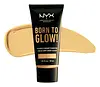
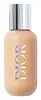
NYX Cosmetics Born To Glow Medium Coverage Naturally Radiant Foundation Versus Dior Backstage Face & Body Foundation


What's inside
What's inside
 Key Ingredients
Benefits
Concerns
Ingredients Side-by-side
Water
Skin ConditioningDimethicone
Emollient

Isododecane
EmollientCyclopentasiloxane
Emollient
Phenyl Trimethicone
Skin Conditioning
Titanium Dioxide
Cosmetic Colorant

Butylene Glycol
Humectant

Propylene Glycol
Humectant

PEG-9 Dimethicone
Skin Conditioning
PEG-9 Polydimethylsiloxyethyl Dimethicone
Emulsifying
Sodium Chloride
MaskingSimmondsia Chinensis Seed Oil
Emollient

Tribehenin
Emollient
Talc
Abrasive
Triethoxycaprylylsilane
Silica Dimethyl Silylate
EmollientTrimethoxycaprylylsilane
SmoothingAlcohol Denat.
Antimicrobial


Disodium EDTA
Panthenol
Skin Conditioning

Disteardimonium Hectorite
StabilisingEthylhexylglycerin
Skin ConditioningTocopheryl Acetate
Antioxidant


Phenoxyethanol
Preservative
Dehydroacetic Acid
Preservative
Benzoic Acid
Masking
CI 77491
Cosmetic ColorantCI 77492
Cosmetic ColorantCI 77499
Cosmetic ColorantWater, Dimethicone, Isododecane, Cyclopentasiloxane, Phenyl Trimethicone, Titanium Dioxide, Butylene Glycol, Propylene Glycol, PEG-9 Dimethicone, PEG-9 Polydimethylsiloxyethyl Dimethicone, Sodium Chloride, Simmondsia Chinensis Seed Oil, Tribehenin, Talc, Triethoxycaprylylsilane, Silica Dimethyl Silylate, Trimethoxycaprylylsilane, Alcohol Denat., Disodium EDTA, Panthenol, Disteardimonium Hectorite, Ethylhexylglycerin, Tocopheryl Acetate, Phenoxyethanol, Dehydroacetic Acid, Benzoic Acid, CI 77491, CI 77492, CI 77499
Water
Skin ConditioningC9-12 Alkane
SolventPropanediol
Solvent
Caprylic/Capric Triglyceride
Masking
Undecane
EmollientPolyglyceryl-6 Polyricinoleate
Emulsifying
Glycerin
Humectant
Tridecane
Perfuming
Cellulose
Absorbent
Trimethylsiloxysilicate
Emollient
Lecithin
Emollient
Alcohol
Antimicrobial
Pentylene Glycol
Skin Conditioning
Polyglyceryl-10 Decaisostearate
EmollientSilica
Abrasive
Polyglyceryl-2 Isostearate
Emulsifying
Stearalkonium Hectorite
Gel FormingDisteardimonium Hectorite
StabilisingParfum
Masking
Hydroxypropyl Starch
Sodium Chloride
MaskingSodium Myristoyl Glutamate
CleansingPropylene Carbonate
SolventCoco-Caprylate/Caprate
Emollient
Hydroxyacetophenone
Antioxidant
Sodium Benzoate
Masking
Squalane
Emollient
Aluminum Hydroxide
EmollientTocopherol
Antioxidant
Stearoyl Glutamic Acid
CleansingPolyhydroxystearic Acid
Emulsifying
Hyaluronic Acid
Humectant
Citric Acid
Buffering
Isostearic Acid
Cleansing
Polyglyceryl-3 Polyricinoleate
Emulsifying
CI 77891
Cosmetic ColorantCI 77491
Cosmetic ColorantCI 77492
Cosmetic ColorantCI 77499
Cosmetic ColorantWater, C9-12 Alkane, Propanediol, Caprylic/Capric Triglyceride, Undecane, Polyglyceryl-6 Polyricinoleate, Glycerin, Tridecane, Cellulose, Trimethylsiloxysilicate, Lecithin, Alcohol, Pentylene Glycol, Polyglyceryl-10 Decaisostearate, Silica, Polyglyceryl-2 Isostearate, Stearalkonium Hectorite, Disteardimonium Hectorite, Parfum, Hydroxypropyl Starch, Sodium Chloride, Sodium Myristoyl Glutamate, Propylene Carbonate, Coco-Caprylate/Caprate, Hydroxyacetophenone, Sodium Benzoate, Squalane, Aluminum Hydroxide, Tocopherol, Stearoyl Glutamic Acid, Polyhydroxystearic Acid, Hyaluronic Acid, Citric Acid, Isostearic Acid, Polyglyceryl-3 Polyricinoleate, CI 77891, CI 77491, CI 77492, CI 77499
Reviews
Ingredients Explained
These ingredients are found in both products.
Ingredients higher up in an ingredient list are typically present in a larger amount.
Ci 77491 is also hydrated iron III oxide. It's sole purpose is to give a red/pink hue to products.
Iron III oxides are classified as inorganic chemicals for coloring.
Synthetically created Ci 77491 is considered safer than those naturally found. This is because the synthetically created version may contain less impurities. Iron oxides are generally non-toxic and non-allergenic.
Learn more about CI 77491CI 77492 is also hydrated iron III oxide. It's sole purpose is to give a yellow hue to products.
Iron III oxides are classified as inorganic chemicals for coloring.
Synthetically created CI 77492 is considered safer than those naturally found. This is because the synthetically created version may contain less impurities. Iron oxides are generally non-toxic and non-allergenic.
Learn more about CI 77492Ci 77499 is also hydrated iron III oxide. It is created from mixing red and black iron oxides. This helps give shades of darkness to a product.
Iron III oxides are classified as inorganic chemicals for coloring.
Disteardimonium Hectorite comes from the clay mineral named hectorite. It is used to add thickness to a product.
It can also help stabilize a product by helping to disperse other ingredients.
Hectorite is a rare, white clay mineral.
Learn more about Disteardimonium HectoriteChances are, you eat sodium chloride every day. Sodium Chloride is also known as table salt. This ingredient has many purposes in skincare: thickener, emulsifier, and exfoliator.
You'll most likely find this ingredient in cleansers where it is used to create a gel-like texture. As an emulsifier, it also prevents ingredients from separating.
You might see people debate whether Sodium Chloride is comedogenic, but there actually haven't been any comedogenic tests done on it. Either way, the overall formulation of a product matters a lot more than any single ingredient.
You might see this ingredient used in scrubs as a primary exfoliating ingredient.
Learn more about Sodium ChlorideWater. It's the most common cosmetic ingredient of all. You'll usually see it at the top of ingredient lists, meaning that it makes up the largest part of the product.
So why is it so popular? Water most often acts as a solvent - this means that it helps dissolve other ingredients into the formulation.
You'll also recognize water as that liquid we all need to stay alive. If you see this, drink a glass of water. Remember to stay hydrated!
Learn more about Water
