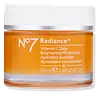
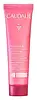
No7 Radiance+ Vitamin C Daily Brightening Moisturizer Versus Caudalie Vinohydra Sorbet Cream Moisturizer
This brightening day moisturizer is formulated around Ascorbyl Glucoside and Tocopheryl Acetate to brighten dull-looking skin and fade the look of dark spots.


What's inside
What's inside
 Key Ingredients
Benefits
Concerns
Ingredients Side-by-side
Water
Skin ConditioningGlycerin
Humectant


Caprylic/Capric Triglyceride
Masking
Butylene Glycol
Humectant
Dimethicone
Emollient
Ethylhexyl Stearate
Emollient




Sodium Polyacrylate
Absorbent
Alcohol Denat.
Antimicrobial


Ascorbyl Glucoside
Antioxidant



Acrylates/C10-30 Alkyl Acrylate Crosspolymer
Emulsion StabilisingPhenoxyethanol
Preservative
Panthenol
Skin Conditioning

Tocopheryl Acetate
Antioxidant
Polysorbate 20
Emulsifying
Xanthan Gum
EmulsifyingParfum
Masking

Potassium Hydroxide
BufferingCaprylyl Glycol
Emollient
Sodium Benzoate
Masking
Propylene Glycol
Humectant
Ethylhexylglycerin
Skin ConditioningTetrasodium EDTA
Panax Ginseng Root Extract
Emollient
Morus Alba Leaf Extract
Skin ConditioningMethyl Benzoate
Perfuming
CI 19140
Cosmetic ColorantCI 14700
Cosmetic ColorantWater, Glycerin, Caprylic/Capric Triglyceride, Butylene Glycol, Dimethicone, Ethylhexyl Stearate, Sodium Polyacrylate, Alcohol Denat., Ascorbyl Glucoside, Acrylates/C10-30 Alkyl Acrylate Crosspolymer, Phenoxyethanol, Panthenol, Tocopheryl Acetate, Polysorbate 20, Xanthan Gum, Parfum, Potassium Hydroxide, Caprylyl Glycol, Sodium Benzoate, Propylene Glycol, Ethylhexylglycerin, Tetrasodium EDTA, Panax Ginseng Root Extract, Morus Alba Leaf Extract, Methyl Benzoate, CI 19140, CI 14700
Water
Skin ConditioningVitis Vinifera Fruit Water
Skin ConditioningDicaprylyl Ether
Emollient
Glycerin
Humectant
Butyrospermum Parkii Butter Extract
Skin Conditioning
Hexyldecanol
Emollient
Hexyldecyl Laurate
EmollientPalmitoyl Grape Seed Extract
Skin ConditioningBehenyl Alcohol
Emollient
Glyceryl Stearate
Emollient
Acrylates/C10-30 Alkyl Acrylate Crosspolymer
Emulsion StabilisingErythritol
Humectant
Lecithin
Emollient
Mannitol
Humectant
Tocopherol
Antioxidant
Caprylyl Glycol
Emollient
Helianthus Annuus Seed Oil
Emollient
Xanthan Gum
EmulsifyingSodium Benzoate
Masking
Vitis Vinifera Juice
Antioxidant
Glycine Soja Sterols
Emollient
Butylene Glycol
Humectant
Chamomilla Recutita Flower Extract
Masking
Sodium Hydroxide
BufferingCitric Acid
Buffering
Sodium Carboxymethyl Beta-Glucan
CleansingSodium Citrate
BufferingSodium Phytate
Potassium Sorbate
Preservative
Biosaccharide Gum-1
Humectant
Sodium Hyaluronate
Humectant
Sodium Levulinate
Skin ConditioningGlyceryl Caprylate
EmollientHomarine Hcl
Skin ConditioningSodium Anisate
AntimicrobialAlcohol
Antimicrobial
Acetyl Tetrapeptide-15
Skin Conditioning
Parfum
Masking
Water, Vitis Vinifera Fruit Water, Dicaprylyl Ether, Glycerin, Butyrospermum Parkii Butter Extract, Hexyldecanol, Hexyldecyl Laurate, Palmitoyl Grape Seed Extract, Behenyl Alcohol, Glyceryl Stearate, Acrylates/C10-30 Alkyl Acrylate Crosspolymer, Erythritol, Lecithin, Mannitol, Tocopherol, Caprylyl Glycol, Helianthus Annuus Seed Oil, Xanthan Gum, Sodium Benzoate, Vitis Vinifera Juice, Glycine Soja Sterols, Butylene Glycol, Chamomilla Recutita Flower Extract, Sodium Hydroxide, Citric Acid, Sodium Carboxymethyl Beta-Glucan, Sodium Citrate, Sodium Phytate, Potassium Sorbate, Biosaccharide Gum-1, Sodium Hyaluronate, Sodium Levulinate, Glyceryl Caprylate, Homarine Hcl, Sodium Anisate, Alcohol, Acetyl Tetrapeptide-15, Parfum
Reviews
Ingredients Explained
These ingredients are found in both products.
Ingredients higher up in an ingredient list are typically present in a larger amount.
Acrylates/C10-30 Alkyl Acrylate Crosspolymer is a synthetic polymer. It is used to thicken, emulsify, and improve the texture of products.
As an emulsifier, it helps stabilize oil-in-water emulsions to give products an elegant feel when applied.
It can also form a thin protective film on skin. One study found that a formula using this polymer helped slow down how quickly other ingredients (like DEET) were absorbed through skin.
A 2024 study of over 1,300 patients confirmed that sensitization to this ingredient is rare. It is also non-mutagenic and has a clean track record.
Learn more about Acrylates/C10-30 Alkyl Acrylate CrosspolymerButylene Glycol (or BG) is used within cosmetic products for a few different reasons:
Overall, Butylene Glycol is a safe and well-rounded ingredient that works well with other ingredients.
Though this ingredient works well with most skin types, some people with sensitive skin may experience a reaction such as allergic rashes, closed comedones, or itchiness.
Learn more about Butylene GlycolCaprylyl Glycol is a humectant, skin conditioner, emollient, and preservative booster derived from either caprylic acid or synthetically created.
Typical use levels vary from 0.3-1% as a preservative booster and go up to 2% to condition skin.
Because it is not a free-fatty acid, this ingredient is fungal acne safe (there's nothing for Malassezia to feed on).
Learn more about Caprylyl GlycolGlycerin (or glycerol) is a compound naturally found in your skin. It's a powerhouse humectant that pulls water into the stratum corneum.
Topically, glycerin does several things at once:
Your skin makes glycerin on its own (mostly from sebaceous oil breakdown) and shuttles it to your outermost layer of skin, or your epidermis, via aquaporin-3.
Aquaporin-3 is a transporter that is essential for normal skin hydration, elasticity, and repair. Interestingly, mice lacking in AQP3 have dry and less elastic skin that can be fully corrected with glycerin.
This ingredient is non-irritating, plays well with almost every ingredient, and works across all skin types. Typical use is anywhere between 3-10% but can go up to 79% in some leave-on products.
Just know very high concentrations (>40%) can feel tacky in low humidity.
Glycerin is the name for this ingredient in American English. British English uses Glycerol/Glycerine.
Learn more about GlycerinParfum is a catch-all term for an ingredient or more that is used to give a scent to products.
Also called "fragrance", this ingredient can be a blend of hundreds of chemicals or plant oils. This means every product with "fragrance" or "parfum" in the ingredients list is a different mixture.
For instance, Habanolide is a proprietary trade name for a specific aroma chemical. When used as a fragrance ingredient in cosmetics, most aroma chemicals fall under the broad labeling category of “FRAGRANCE” or “PARFUM” according to EU and US regulations.
The term 'parfum' or 'fragrance' is not regulated in many countries. In many cases, it is up to the brand to define this term.
For instance, many brands choose to label themselves as "fragrance-free" because they are not using synthetic fragrances. However, their products may still contain ingredients such as essential oils that are considered a fragrance by INCI standards.
One example is Calendula flower extract. Calendula is an essential oil that still imparts a scent or 'fragrance'.
Depending on the blend, the ingredients in the mixture can cause allergies and sensitivities on the skin. Some ingredients that are known EU allergens include linalool and citronellol.
Parfum can also be used to mask or cover an unpleasant scent.
The bottom line is: not all fragrances/parfum/ingredients are created equally. If you are worried about fragrances, we recommend taking a closer look at an ingredient. And of course, we always recommend speaking with a professional.
Learn more about ParfumSodium Benzoate is a preservative. It's used in both cosmetic and food products to inhibit the growth of mold and bacteria. It is typically produced synthetically.
Both the US FDA and EU Health Committee have approved the use of sodium benzoate. In the US, levels of 0.1% (of the total product) are allowed.
Sodium benzoate works as a preservative by inhibiting the growth of bacteria inside of cells. It prevents the cell from fermenting a type of sugar using an enzyme called phosphofructokinase.
It is the salt of benzoic acid. Foods containing sodium benzoate include soda, salad dressings, condiments, fruit juices, wines, and snack foods.
Studies for using ascorbic acid and sodium benzoate in cosmetics are lacking, especially in skincare routines with multiple steps.
We always recommend speaking with a professional, such as a dermatologist, if you have any concerns.
Learn more about Sodium BenzoateWater. It's the most common cosmetic ingredient of all. You'll usually see it at the top of ingredient lists, meaning that it makes up the largest part of the product.
So why is it so popular? Water most often acts as a solvent - this means that it helps dissolve other ingredients into the formulation.
You'll also recognize water as that liquid we all need to stay alive. If you see this, drink a glass of water. Remember to stay hydrated!
Learn more about WaterXanthan gum is used as a stabilizer and thickener within cosmetic products. It helps give products a sticky, thick feeling - preventing them from being too runny.
On the technical side of things, xanthan gum is a polysaccharide - a combination consisting of multiple sugar molecules bonded together.
Xanthan gum is a pretty common and great ingredient. It is a natural, non-toxic, non-irritating ingredient that is also commonly used in food products.
Learn more about Xanthan Gum

