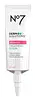
This calming treatment is formulated around Potassium Azeloyl Diglycinate and Squalane to calm redness and strengthen the skin barrier.
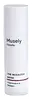
This wash off mask is formulated around Sulfur to clear breakouts.


What's inside
What's inside
 Key Ingredients
Benefits
Concerns
Ingredients Side-by-side
Water
Skin ConditioningPotassium Azeloyl Diglycinate
Skin Conditioning




Propylene Glycol
Humectant


Glyceryl Stearate
Emollient
C12-15 Alkyl Benzoate
AntimicrobialDimethicone
Emollient

Ceteareth-20
Cleansing
Squalane
Emollient

Glyceryl Behenate/Eicosadioate
Emollient
Propanediol
Solvent
Phenethyl Alcohol
MaskingPolyacrylate Crosspolymer-6
Emulsion Stabilising1,2-Hexanediol
Skin Conditioning
Caprylyl Glycol
Emollient
Dipotassium Glycyrrhizate
Humectant
Hydroxyacetophenone
Antioxidant
Tocopheryl Acetate
Antioxidant

Aloe Barbadensis Leaf Juice
Skin Conditioning
Dimethiconol
Emollient
Oleyl Alcohol
Emollient


Ceteareth-12
EmulsifyingCetearyl Alcohol
Emollient
Cetyl Palmitate
Emollient
Aesculus Hippocastanum Seed Extract
Skin ConditioningHydroxyethyl Acrylate/Sodium Acryloyldimethyl Taurate Copolymer
Emulsion StabilisingHydrogenated Lecithin
Emulsifying
Sodium Hyaluronate
Humectant
Xanthan Gum
EmulsifyingEthylhexylglycerin
Skin ConditioningPolyisobutene
Disodium EDTA
ChelatingHydroxyethylcellulose
Emulsion StabilisingZanthoxylum Bungeanum Fruit Extract
Skin ConditioningDiethylhexyl Syringylidenemalonate
Skin Protecting
Cyclopentasiloxane
Emollient
Maltodextrin
Absorbent
PEG-7 Trimethylolpropane Coconut Ether
Emulsifying
Sorbitan Isostearate
Emulsifying
Caprylic/Capric Triglyceride
Masking
Potassium Sorbate
Preservative
Sodium Benzoate
Masking
Water, Potassium Azeloyl Diglycinate, Propylene Glycol, Glyceryl Stearate, C12-15 Alkyl Benzoate, Dimethicone, Ceteareth-20, Squalane, Glyceryl Behenate/Eicosadioate, Propanediol, Phenethyl Alcohol, Polyacrylate Crosspolymer-6, 1,2-Hexanediol, Caprylyl Glycol, Dipotassium Glycyrrhizate, Hydroxyacetophenone, Tocopheryl Acetate, Aloe Barbadensis Leaf Juice, Dimethiconol, Oleyl Alcohol, Ceteareth-12, Cetearyl Alcohol, Cetyl Palmitate, Aesculus Hippocastanum Seed Extract, Hydroxyethyl Acrylate/Sodium Acryloyldimethyl Taurate Copolymer, Hydrogenated Lecithin, Sodium Hyaluronate, Xanthan Gum, Ethylhexylglycerin, Polyisobutene, Disodium EDTA, Hydroxyethylcellulose, Zanthoxylum Bungeanum Fruit Extract, Diethylhexyl Syringylidenemalonate, Cyclopentasiloxane, Maltodextrin, PEG-7 Trimethylolpropane Coconut Ether, Sorbitan Isostearate, Caprylic/Capric Triglyceride, Potassium Sorbate, Sodium Benzoate
Sulfur 3%
Antiseborrhoeic


Sodium Sulfacetamide 9%
Acrylates/C12-22 Alkyl Methacrylate Copolymer
Aluminum Starch Octenylsuccinate
Absorbent
Ceteth-20
CleansingCetyl Alcohol
Emollient
Cyclohexasiloxane
Emollient
Cyclopentasiloxane
Emollient
Dimethicone
Emollient
Dimethyl Isosorbide
SolventDisteardimonium Hectorite
StabilisingGlyceryl Stearate
Emollient
Isopropyl Palmitate
Emollient
Laureth-12
EmulsifyingLecithin
Emollient
Ozokerite
Emulsion StabilisingPEG-75 Stearate
Surfactant
Petrolatum
Emollient
Polysilicone-11
Potassium Sorbate
Preservative
Propylene Carbonate
SolventSilica
Abrasive

Sodium Lauryl Sulfoacetate
CleansingSorbic Acid
Preservative
Steareth-20
CleansingTitanium Dioxide
Cosmetic Colorant
Triethoxycaprylylsilane
Sulfur 3%, Sodium Sulfacetamide 9%, Acrylates/C12-22 Alkyl Methacrylate Copolymer, Aluminum Starch Octenylsuccinate, Ceteth-20, Cetyl Alcohol, Cyclohexasiloxane, Cyclopentasiloxane, Dimethicone, Dimethyl Isosorbide, Disteardimonium Hectorite, Glyceryl Stearate, Isopropyl Palmitate, Laureth-12, Lecithin, Ozokerite, PEG-75 Stearate, Petrolatum, Polysilicone-11, Potassium Sorbate, Propylene Carbonate, Silica, Sodium Lauryl Sulfoacetate, Sorbic Acid, Steareth-20, Titanium Dioxide, Triethoxycaprylylsilane
Ingredients Explained
These ingredients are found in both products.
Ingredients higher up in an ingredient list are typically present in a larger amount.
Cyclopentasiloxane (D5) is a lightweight silicone that mostly acts as an emollient and solvent in cosmetics. Its the reason your products feel silky, fast-spreading, and non-greasy.
Since D5 is volatile, it does its thing and then evaporates off the skin quickly.
The safety profile of this ingredient is reassuring; the US CIR Expert Panel concluded D5 is safe as used in cosmetics and Health Canada concluded that D5 is not harmful to human health or the environment as currently used in cosmetics
There's a study that people mention about D5 in a rat study showing tumors. This study is related to long-term inhalation of high D5 levels.
Regulatory bodies have judged this study to be not applicable in topical skincare since skin absorption of D5 is very low and we're not really inhaling huge amounts of D5.
The only restriction for this ingredient is environmental. The European Chemicals Agency (ECHA) restricted D5 in wash-off cosmetics at or above 0.1% due to their persistence in water.
Learn more about CyclopentasiloxaneDimethicone is a type of synthetic silicone created from natural materials such as quartz. It is also known as polydimethylsiloxane.
What it does:
Dimethicone comes in different viscosities:
Depending on the viscosity, dimethicone has different properties.
Ingredients lists don't always show which type is used, so we recommend reaching out to the brand if you have questions about the viscosity.
This ingredient is unlikely to cause irritation because it does not get absorbed into skin. However, people with silicone allergies should be careful about using this ingredient.
Note: Dimethicone may contribute to pilling. This is because it is not oil or water soluble, so pilling may occur when layered with products. When mixed with heavy oils in a formula, the outcome is also quite greasy.
Learn more about DimethiconeGlyceryl Stearate is made by reacting glycerin with stearic acid (typically sourced from plant oils like palm or coconut). It's an emulsifier, emollient, and mild occlusive.
Emulsifiers help ingredients like oil and water stay mixed so your formula stays nicely blended and uniform in texture.
This ingredient is typically used in concentrations between 1-10%. Studies have found it to be non-sensitizing, non-phototoxic, and non-photoallergenic.
A close cousin of this ingredient is Glyceryl Stearate SE ("self-emulsifying"). This just has a small amount of sodium or potassium stearate added so it can emulsify without a co-emulsifier.
Since this ingredient is an ester of a C18 fatty acid, it may not be fungal acne safe. The Malassezia yeast can potentially metabolize within the C11-C24 range.
Fun fact: The human body also creates Glyceryl Stearate naturally.
Learn more about Glyceryl StearatePotassium Sorbate is a preservative used to prevent yeast and mold in products. It is commonly found in both cosmetic and food products.
This ingredient comes from potassium salt derived from sorbic acid. Sorbic acid is a natural antibiotic and effective against fungus.
Both potassium sorbate and sorbic acid can be found in baked goods, cheeses, dried meats, dried fruit, ice cream, pickles, wine, yogurt, and more.
You'll often find this ingredient used with other preservatives.
Learn more about Potassium Sorbate

