

What's inside
What's inside
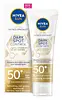 Key Ingredients
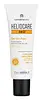
Benefits
Concerns
Ingredients Side-by-side
Tocopherol
Antioxidant







Hyaluronic Acid
Humectant

Water
Skin ConditioningAlcohol Denat.
Antimicrobial




Butyl Methoxydibenzoylmethane
UV Absorber
Ethylhexyl Triazone
UV Absorber
C12-15 Alkyl Benzoate
AntimicrobialBis-Ethylhexyloxyphenol Methoxyphenyl Triazine
Skin Conditioning
Isopropyl Palmitate
Emollient


Butylene Glycol Dicaprylate/Dicaprate
EmollientDibutyl Adipate
EmollientCetearyl Alcohol
Emollient

Distarch Phosphate
AbsorbentPhenylbenzimidazole Sulfonic Acid
UV Absorber
Glyceryl Stearate
Emollient
Tapioca Starch
Diethylamino Hydroxybenzoyl Hexyl Benzoate
UV Filter
Glycerin
Humectant
Isobutylamido Thiazolyl Resorcinol
Bleaching
Glycyrrhiza Inflata Root Extract
Skin Conditioning
Sodium Hyaluronate
Humectant
Tocopheryl Acetate
Antioxidant
Hydroxypropyl Starch Phosphate
Xanthan Gum
EmulsifyingSodium Stearoyl Glutamate
CleansingCocoglycerides
Emollient
Hydrogenated Coco-Glycerides
Emollient
Hydrogenated Rapeseed Oil
Emollient
Sodium Hydroxide
BufferingSodium Chloride
MaskingSodium Sulfate

Ethylhexylglycerin
Skin ConditioningHydroxyacetophenone
Antioxidant
Phenoxyethanol
Preservative
Trisodium EDTA
Parfum
Masking

CI 15985
Cosmetic ColorantCI 16035
Cosmetic ColorantTocopherol, Hyaluronic Acid, Water, Alcohol Denat., Butyl Methoxydibenzoylmethane, Ethylhexyl Triazone, C12-15 Alkyl Benzoate, Bis-Ethylhexyloxyphenol Methoxyphenyl Triazine, Isopropyl Palmitate, Butylene Glycol Dicaprylate/Dicaprate, Dibutyl Adipate, Cetearyl Alcohol, Distarch Phosphate, Phenylbenzimidazole Sulfonic Acid, Glyceryl Stearate, Tapioca Starch, Diethylamino Hydroxybenzoyl Hexyl Benzoate, Glycerin, Isobutylamido Thiazolyl Resorcinol, Glycyrrhiza Inflata Root Extract, Sodium Hyaluronate, Tocopheryl Acetate, Hydroxypropyl Starch Phosphate, Xanthan Gum, Sodium Stearoyl Glutamate, Cocoglycerides, Hydrogenated Coco-Glycerides, Hydrogenated Rapeseed Oil, Sodium Hydroxide, Sodium Chloride, Sodium Sulfate, Ethylhexylglycerin, Hydroxyacetophenone, Phenoxyethanol, Trisodium EDTA, Parfum, CI 15985, CI 16035
Water
Skin ConditioningC12-15 Alkyl Benzoate
AntimicrobialArginine
Masking
Phenylbenzimidazole Sulfonic Acid
UV Absorber
Disodium Phenyl Dibenzimidazole Tetrasulfonate
UV Absorber
Bis-Ethylhexyloxyphenol Methoxyphenyl Triazine
Skin Conditioning
Titanium Dioxide
Cosmetic Colorant
Hexylene Glycol
EmulsifyingC14-22 Alcohols
Emulsion Stabilising
C12-20 Alkyl Glucoside
EmulsifyingDiethylamino Hydroxybenzoyl Hexyl Benzoate
UV Filter
Nylon-12

Myristyl Alcohol
Emollient
Dipropylene Glycol Dibenzoate
EmollientDiethylhexyl Butamido Triazone
UV Absorber
Phenoxyethanol
Preservative
Polypodium Leucotomos Leaf Extract
Skin Protecting
Ethylhexyl Ferulate
Antioxidant
Ferulic Acid
Antimicrobial
Caffeic Acid
Antioxidant
Physalis Angulata Extract
Skin ProtectingCeteareth-25
CleansingCaprylyl Glycol
Emollient
Melanin
Skin ProtectingMyristyl Glucoside
CleansingEthylhexyl Triazone
UV Absorber
Caprylyl Methicone
Skin Conditioning
Hydrolyzed Wheat Protein/Pvp Crosspolymer
Glycerin
Humectant
3-O-Ethyl Ascorbic Acid
Skin Conditioning


Alumina
Abrasive
PPG-15 Stearyl Ether Benzoate
EmollientDisodium Ethylene Dicocamide PEG-15 Disulfate
Cleansing
Camellia Sinensis Extract
Antioxidant
Ethylhexylglycerin
Skin ConditioningTocopheryl Acetate
Antioxidant
Xanthan Gum
EmulsifyingPhytosphingosine Hcl
Skin ConditioningArabidopsis Thaliana Extract
Antioxidant
Ethyl Lauroyl Arginate Hcl
Skin ConditioningPanthenyl Triacetate
Parfum
Masking
Simethicone
Emollient
Oxothiazolidine
Skin ProtectingDisodium EDTA
Silica
Abrasive
Ethyl Linoleate
Emollient
Caprylic/Capric Triglyceride
Masking
Oleyl Alcohol
Emollient
Butylene Glycol
Humectant
Lecithin
Emollient
Sodium Benzoate
Masking
Tocopherol
Antioxidant
Linalool
Perfuming
Limonene
Perfuming
Water, C12-15 Alkyl Benzoate, Arginine, Phenylbenzimidazole Sulfonic Acid, Disodium Phenyl Dibenzimidazole Tetrasulfonate, Bis-Ethylhexyloxyphenol Methoxyphenyl Triazine, Titanium Dioxide, Hexylene Glycol, C14-22 Alcohols, C12-20 Alkyl Glucoside, Diethylamino Hydroxybenzoyl Hexyl Benzoate, Nylon-12, Myristyl Alcohol, Dipropylene Glycol Dibenzoate, Diethylhexyl Butamido Triazone, Phenoxyethanol, Polypodium Leucotomos Leaf Extract, Ethylhexyl Ferulate, Ferulic Acid, Caffeic Acid, Physalis Angulata Extract, Ceteareth-25, Caprylyl Glycol, Melanin, Myristyl Glucoside, Ethylhexyl Triazone, Caprylyl Methicone, Hydrolyzed Wheat Protein/Pvp Crosspolymer, Glycerin, 3-O-Ethyl Ascorbic Acid, Alumina, PPG-15 Stearyl Ether Benzoate, Disodium Ethylene Dicocamide PEG-15 Disulfate, Camellia Sinensis Extract, Ethylhexylglycerin, Tocopheryl Acetate, Xanthan Gum, Phytosphingosine Hcl, Arabidopsis Thaliana Extract, Ethyl Lauroyl Arginate Hcl, Panthenyl Triacetate, Parfum, Simethicone, Oxothiazolidine, Disodium EDTA, Silica, Ethyl Linoleate, Caprylic/Capric Triglyceride, Oleyl Alcohol, Butylene Glycol, Lecithin, Sodium Benzoate, Tocopherol, Linalool, Limonene
Reviews
Ingredients Explained
These ingredients are found in both products.
Ingredients higher up in an ingredient list are typically present in a larger amount.
You might know this ingredient as Tinosorb S or Bemotrizinol. It is a UV filter that covers both UVA and UVB rays.
This ingredient has two peak UV absorption peaks ( 310 and 340 nm) and is able to absorb both UV-A and UV-B rays. This ingredient works by preventing UV rays from reaching and damaging your skin.
On top of that - it is highly photostable and helps prevent the photodegration of other sunscreen ingredients such as avobenzone.
Tinosorb S is allowed in the EU, Australia, and Asia. It is close to being approved by the FDA and we'll hopefully get this ingredient in the U.S. by late 2026.
Fun fact: Tinosorb S is the most effective UV absorber at maximum concentration (measured by SPF) permitted in the EU.
This ingredient is oil-soluble, so your oil-cleansers will take this right off at night.
Learn more about Bis-Ethylhexyloxyphenol Methoxyphenyl TriazineC12-15 Alkyl Benzoate is made up of Benzoic Acid and long chain alcohols. It has a low molecular weight.
C12-15 Alkyl Benzoate is an emollient and texture enhancer. Due to its solubility, it is often used in sunscreens to help evenly distribute active ingredients.
As an emollient, C12-15 Alkyl Benzoate helps soften and hydrate your skin. Emollients create a film on your skin that traps moisture within.
This ingredient has been reported to cause eye irritation.
Learn more about C12-15 Alkyl BenzoateDiethylamino Hydroxybenzoyl Hexyl Benzoate (DHHB) is a chemical UV-A absorber. It is formulated for high UVA protection (320-400 nm).
DHHB is well-liked for:
DHHB has been approved by the EU, Japan, Taiwan, and South America for use up to 10%. Unfortunately, it has not been approved for use in the US or Canada due to slow regulatory processes.
This ingredient is soluble in oils, fats, and lipids.
Learn more about Diethylamino Hydroxybenzoyl Hexyl BenzoateEthylhexyl Triazone is a modern chemical sunscreen that protects from UV-B radiation.
It is the most effective of existing UV-B filters, as it provides the highest level of photo-stable absorption. It protects from the entire UV-B range (280 to 320nm), with it's highest level of protection at 314nm.
Ethylhexyl Triazone is oil soluble, oderless and colorless, which mean it is able to be incorporated into a variety of different formulations.
It is not currently available within the United States due to slow changing FDA regulations. Outside of the US, it is used in formulations at concentrations up to 5%.
Learn more about Ethylhexyl TriazoneEthylhexylglycerin is created from glycerin. It is a multitasker ingredient that:
The CIR Expert Panel found minimal skin absorption or sensitization of any kind in a safety assessment. Though this ingredient is considered well-tolerated, a small number of cases of allergic dermatitis have been published since 2002. Just be sure to patch test if you are unsure.
Industry-reported use ranges from 8% in rinse-off products and 2% in leave-on formulations.
Learn more about EthylhexylglycerinGlycerin (or glycerol) is a compound naturally found in your skin. It's a powerhouse humectant that pulls water into the stratum corneum.
Topically, glycerin does several things at once:
Your skin makes glycerin on its own (mostly from sebaceous oil breakdown) and shuttles it to your outermost layer of skin, or your epidermis, via aquaporin-3.
Aquaporin-3 is a transporter that is essential for normal skin hydration, elasticity, and repair. Interestingly, mice lacking in AQP3 have dry and less elastic skin that can be fully corrected with glycerin.
This ingredient is non-irritating, plays well with almost every ingredient, and works across all skin types. Typical use is anywhere between 3-10% but can go up to 79% in some leave-on products.
Just know very high concentrations (>40%) can feel tacky in low humidity.
Glycerin is the name for this ingredient in American English. British English uses Glycerol/Glycerine.
Learn more about GlycerinParfum is a catch-all term for an ingredient or more that is used to give a scent to products.
Also called "fragrance", this ingredient can be a blend of hundreds of chemicals or plant oils. This means every product with "fragrance" or "parfum" in the ingredients list is a different mixture.
For instance, Habanolide is a proprietary trade name for a specific aroma chemical. When used as a fragrance ingredient in cosmetics, most aroma chemicals fall under the broad labeling category of “FRAGRANCE” or “PARFUM” according to EU and US regulations.
The term 'parfum' or 'fragrance' is not regulated in many countries. In many cases, it is up to the brand to define this term.
For instance, many brands choose to label themselves as "fragrance-free" because they are not using synthetic fragrances. However, their products may still contain ingredients such as essential oils that are considered a fragrance by INCI standards.
One example is Calendula flower extract. Calendula is an essential oil that still imparts a scent or 'fragrance'.
Depending on the blend, the ingredients in the mixture can cause allergies and sensitivities on the skin. Some ingredients that are known EU allergens include linalool and citronellol.
Parfum can also be used to mask or cover an unpleasant scent.
The bottom line is: not all fragrances/parfum/ingredients are created equally. If you are worried about fragrances, we recommend taking a closer look at an ingredient. And of course, we always recommend speaking with a professional.
Learn more about ParfumPhenoxyethanol is a preservative that has germicide, antimicrobial, and aromatic properties. Studies show that phenoxyethanol can prevent microbial growth. By itself, it has a scent that is similar to that of a rose.
It's often used in formulations along with Caprylyl Glycol to preserve the shelf life of products.
This ingredient is more commonly known as Ensulizole, a chemical sunscreen ingredient.
Ensulizole mainly protects UV-B (290-340 nm) but offers a little UV-A (320-400 nm) protection. It is often paired with less photo-stable sunscreen ingredients due to its photo-stability.
Due to it being water-soluble, Ensulizole helps give sunscreens a light and non-oily texture.
Ensulizole is approved worldwide:
Learn more about Phenylbenzimidazole Sulfonic AcidTocopherol is a fat-soluble antioxidant known as Vitamin E.
You'll find this ingredient in the vast majority of skincare (for good reason). It works to neutralize free radicals, or unstable molecules generated by UV exposure, pollution, and other environmental stressors, before they can cause oxidative damage to your skin cells.
Topically applied tocopherol has been shown to protect against UV damage by ramping up the skin's own natural defense enzymes.
It also acts as a skin conditioning agent; some studies show that regular topical use can improve the skin's water-binding capacity over 2-4 weeks.
This ingredient is especially loved for being a team player. When combined with Vitamin C, the photoprotective effect of both ingredients roughly doubles and the combo also helps reduce UV-induced DNA damage.
This ingredient has some brightening potential but it's more of a prevention ingredient than spot-fader. Cell studies show it can slow down melanin production but it's worth noting that it's not the most powerful brightener out there.
In formulations, it also serves as a stabilizer that helps protect other oxidation-prone ingredients from degrading.
Concentrations usually range from 0.1-1% in most leave-on products.
Learn more about TocopherolTocopheryl Acetate is AKA Vitamin E. It is an antioxidant and protects your skin from free radicals. Free radicals damage the skin by breaking down collagen.
One study found using Tocopheryl Acetate with Vitamin C decreased the number of sunburned cells.
Tocopheryl Acetate is commonly found in both skincare and dietary supplements.
Learn more about Tocopheryl AcetateWater. It's the most common cosmetic ingredient of all. You'll usually see it at the top of ingredient lists, meaning that it makes up the largest part of the product.
So why is it so popular? Water most often acts as a solvent - this means that it helps dissolve other ingredients into the formulation.
You'll also recognize water as that liquid we all need to stay alive. If you see this, drink a glass of water. Remember to stay hydrated!
Learn more about WaterXanthan gum is used as a stabilizer and thickener within cosmetic products. It helps give products a sticky, thick feeling - preventing them from being too runny.
On the technical side of things, xanthan gum is a polysaccharide - a combination consisting of multiple sugar molecules bonded together.
Xanthan gum is a pretty common and great ingredient. It is a natural, non-toxic, non-irritating ingredient that is also commonly used in food products.
Learn more about Xanthan Gum
